

Want to gain weight in a healthy way? You are not alone — and the honest truth is that lasting weight gain takes weeks and months, not a single week. 🌱
This guide replaces the old “in one week” promise with a slower, safer plan: a small calorie surplus, plenty of protein, strength training, good sleep and steady habits. It is general information only, not medical advice.
If you have lost weight without trying, or you have a health condition that affects your weight, talk to a clinician before starting any weight-gain plan. That check matters more than any tip below. 🩺
Start With a Small, Steady Calorie Surplus
Weight gain starts with one simple principle: regularly eating a little more energy than your body uses. The UK’s NHS suggests adding around 300 to 500 extra calories a day as a starting point for adults.
That modest surplus is deliberate. A huge jump in calories mostly adds body fat and digestive discomfort, while a small surplus is far easier to keep up for months. 📈
Track your weight once a week, at the same time of day, and watch the trend over several weeks rather than reacting to one day’s reading. If nothing moves after a few steady weeks, nudge portions up slightly.
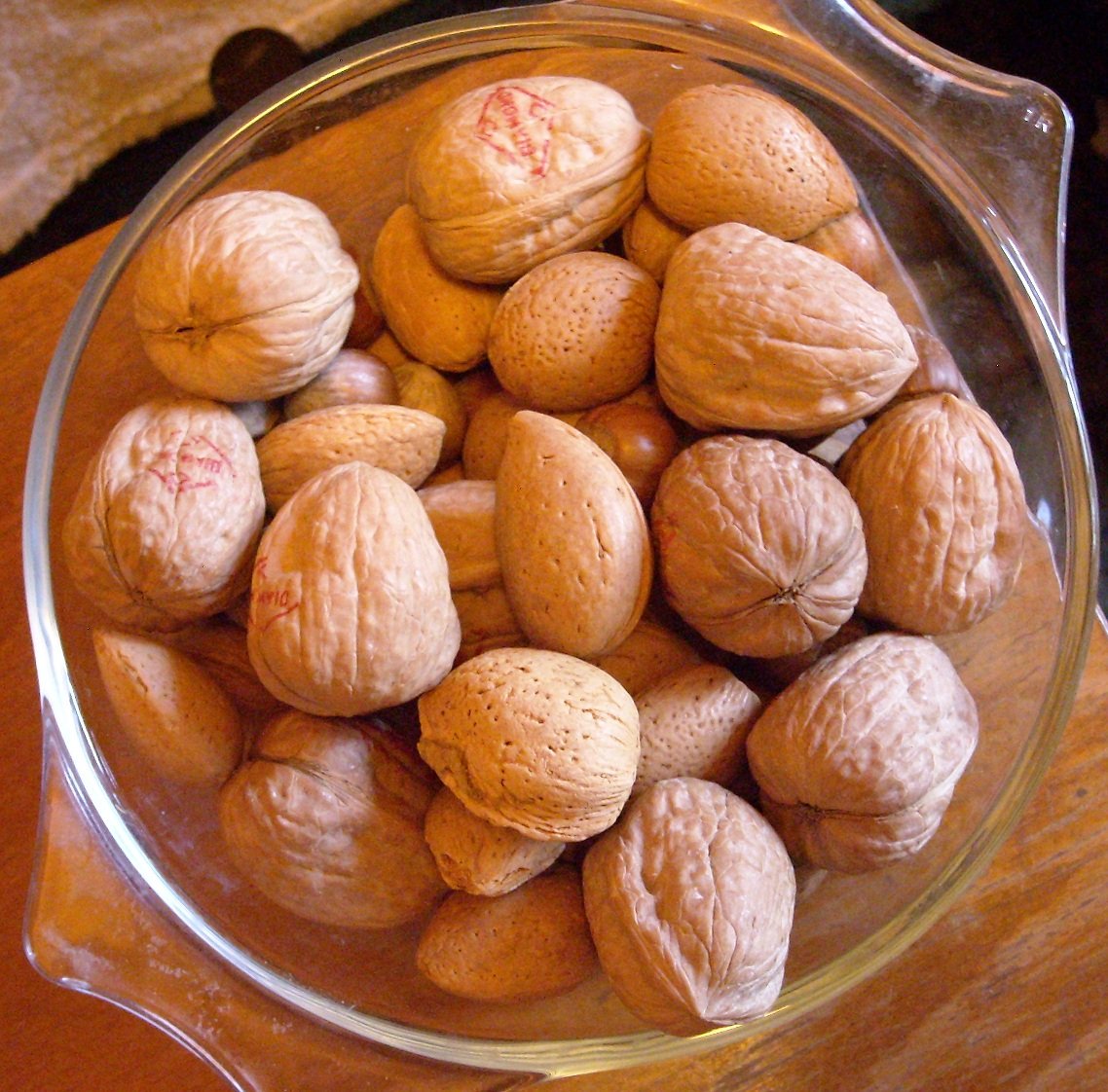
Calorie-dense foods make the surplus easier without giant plates of food. Nuts, seeds, dried fruit, nut butters, olive oil, cheese and full-fat yogurt pack a lot of energy into a small volume. 🥜
Eat Protein at Every Meal
Protein gives your body the building blocks to build and repair muscle, especially when you train. Cleveland Clinic guidance puts a healthy range at roughly 1.2 to 2 grams of protein per kilogram of body weight per day.
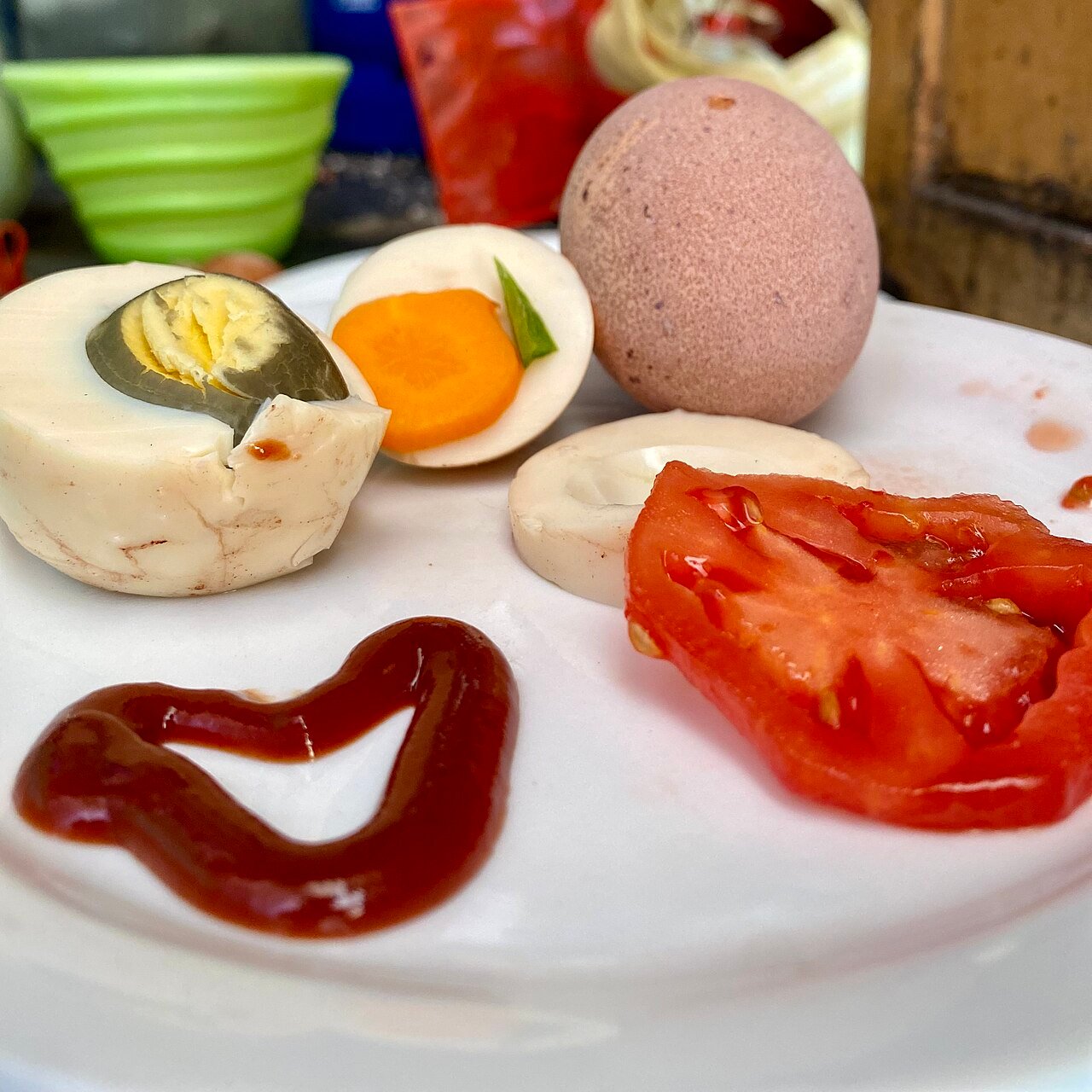
Spread it across the day instead of loading it into one meal. Eggs, meat, fish, beans, lentils, tofu, milk, yogurt and cheese all count — pick the ones that suit your diet and budget. 🥚
For more on choosing a supplement wisely, see our guide to the best protein powders for strength athletes. Food comes first; a powder is only a convenience, not a requirement.
Make Strength Training the Partner of Extra Food
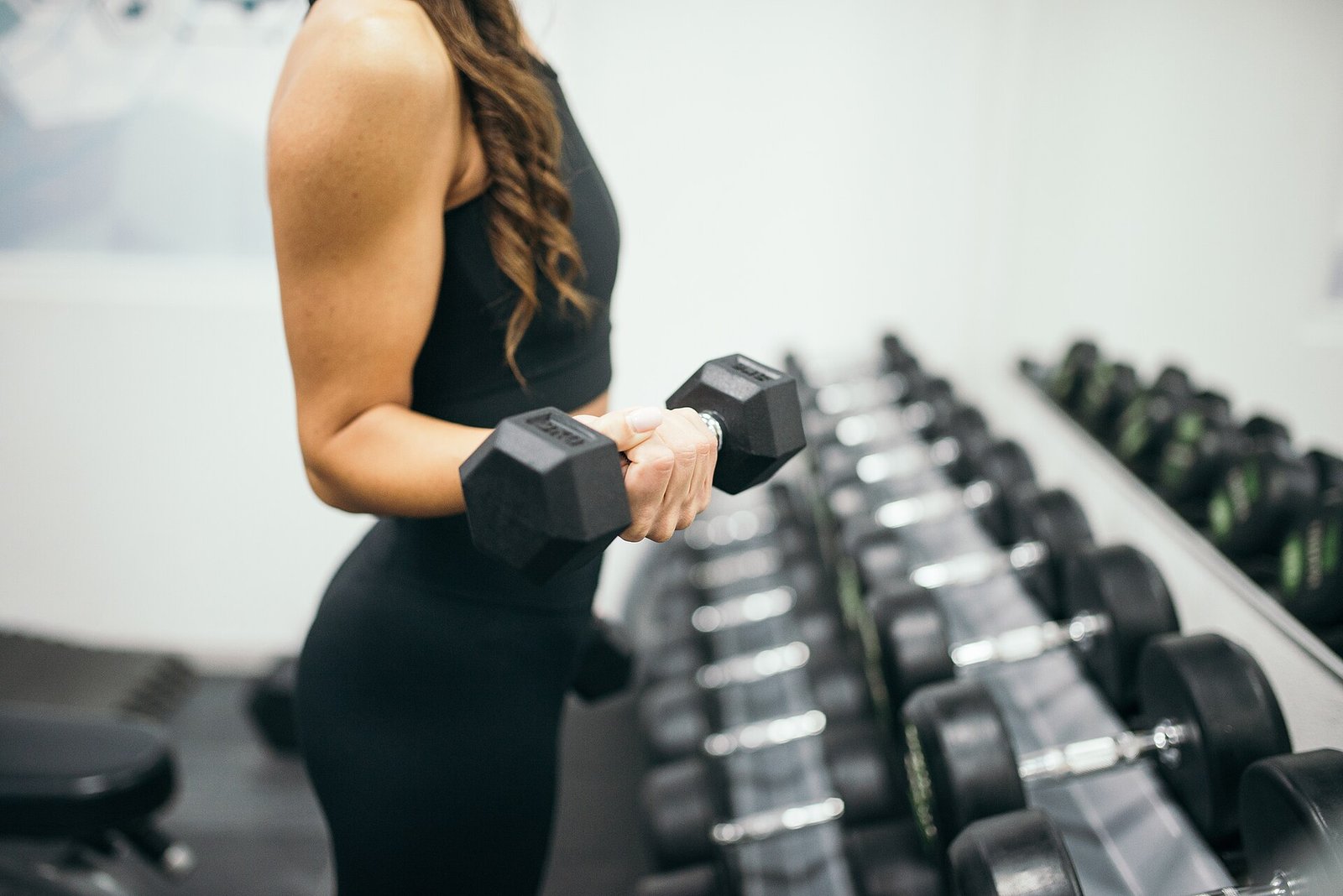
Extra food alone mostly adds fat. Strength training steers the surplus toward muscle and strength instead — that is the difference between simply getting heavier and getting stronger. 🏋️
Aim for muscle-strengthening sessions at least twice a week, covering the major muscle groups, and gradually increase the weight or reps over time. Good form matters more than heavy weights.
Beginners do not need a complicated programme. Squats, presses, rows and hinges, done consistently, build a strong base — and a coach or trainer can check your form early on.
If your goal is the opposite direction, our guide on how to lose weight covers the other side of the same energy-balance coin.
Healthy Fats, Carbs and Easy Calorie Boosts
Carbohydrates supply much of the extra energy: rice, oats, pasta, potatoes and whole-grain bread are filling, affordable staples. Add a protein source and some vegetables or fruit to round out the meal. 🍚
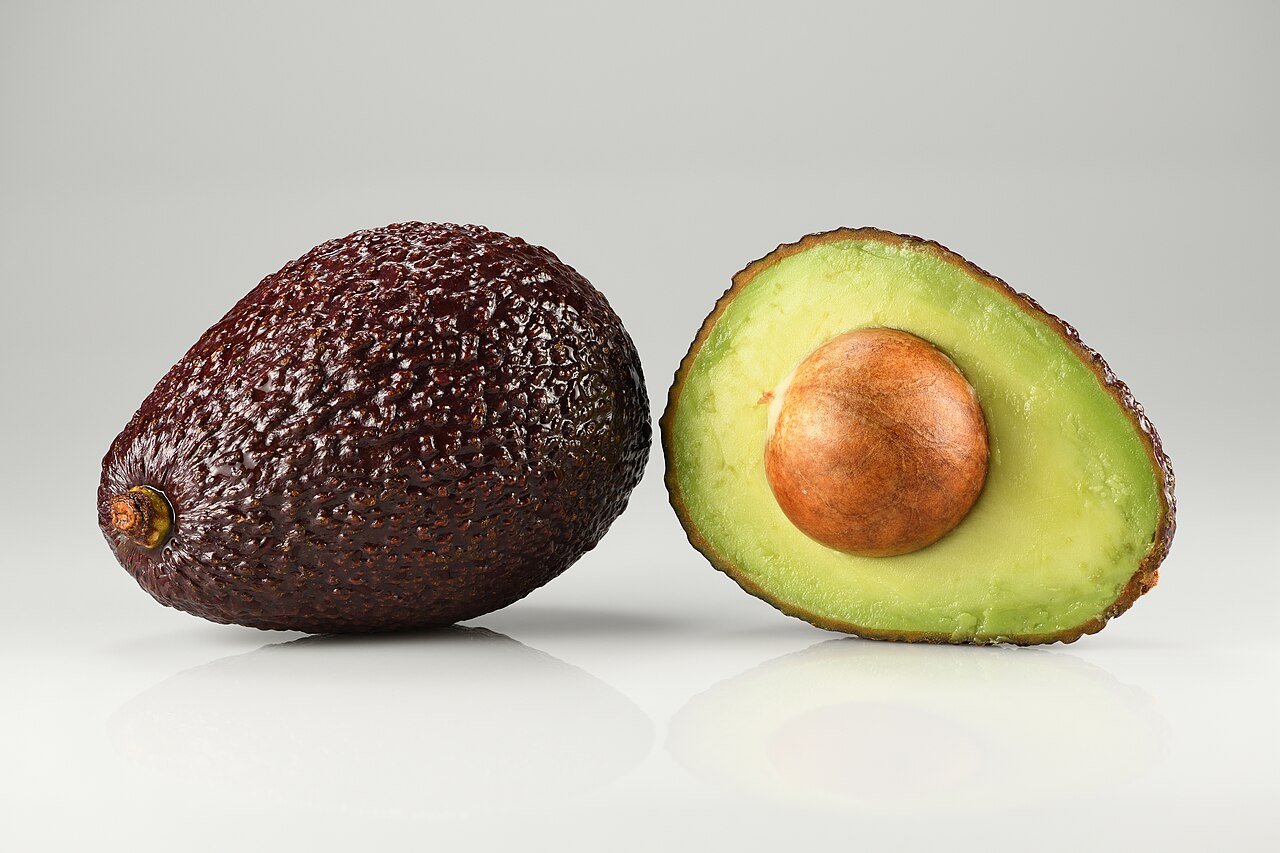
Healthy fats are an easy way to add calories without much extra volume. Avocado, olive oil, nuts and seeds lift a meal’s energy while keeping it nutrient-rich.
Small upgrades add up quietly: cook with a little oil, add cheese or nuts to a meal, choose full-fat dairy if it suits you, and keep a homemade smoothie in your routine. 🥤
Do not lean on sugary drinks, cakes and fried snacks to hit your target. They add calories but little nutrition, and the NHS advises against relying on them for weight gain.
Small Appetite? Simple Habits That Help
A small appetite is the most common obstacle, and it has practical fixes. Eat little and often — three meals plus two or three nourishing snacks — instead of forcing three huge meals. 🍽️
Avoid drinking a lot just before meals so you arrive hungry, and keep a milk-based drink or smoothie for between meals if it suits you. Eating with others and keeping regular meal times can also help.
Sleep and routine matter too. Poor sleep and skipped meals quietly undo a good plan, while a steady rhythm of eating, training and rest keeps progress moving.
Supplements can help some people, and our guide to the best weight gain supplements explains what to look for — but no powder replaces regular meals and training.
Frequently Asked Questions
Can I gain weight in one week? Not in any lasting, meaningful way. A week is too short for real muscle or healthy tissue gain; any very fast change on the scale is mostly food volume and water. Think in months, not days. ⏳
How fast should I expect to gain? With a modest surplus of 300 to 500 calories a day, many people gain roughly a quarter to half a kilogram per week. Your pace will vary with your size, activity and consistency.
What if I eat more and still cannot gain? Check that you are truly in a surplus for several weeks, that you are training and sleeping well — and if the problem persists, see a clinician. Some health conditions make weight gain difficult, and they deserve proper attention.
Do I need a weight gainer? No. They are simply concentrated calories and protein, useful when appetite or time is short, but ordinary food does the same job. Choose food first and treat supplements as a backup.
Healthy weight gain is not a race. Eat a little more, eat enough protein, lift regularly, sleep well and stay consistent — and give the plan time to work. 💪
This article is general information only and is not medical advice. If you have unexplained weight loss, a medical condition, or concerns about your weight, speak to a qualified clinician.