

Boiled eggs show up in a lot of weight-loss talk online, and it is easy to see why. 🥚
They are cheap, portable, quick to cook, and they pack a useful amount of protein into a small snack.
But there is a big difference between enjoying boiled eggs as part of a balanced diet and following a strict “boiled egg diet” that centres almost every meal on eggs.
This guide keeps that difference clear. It covers what eggs offer, why very restrictive versions fall short, and how to use boiled eggs in a way that is varied, filling and sustainable.
This is general nutrition information only, not medical advice. If you have a health condition, an egg allergy, or you are thinking about a restrictive diet, talk to a clinician or a registered dietitian first.
What Eggs Actually Offer 🥚
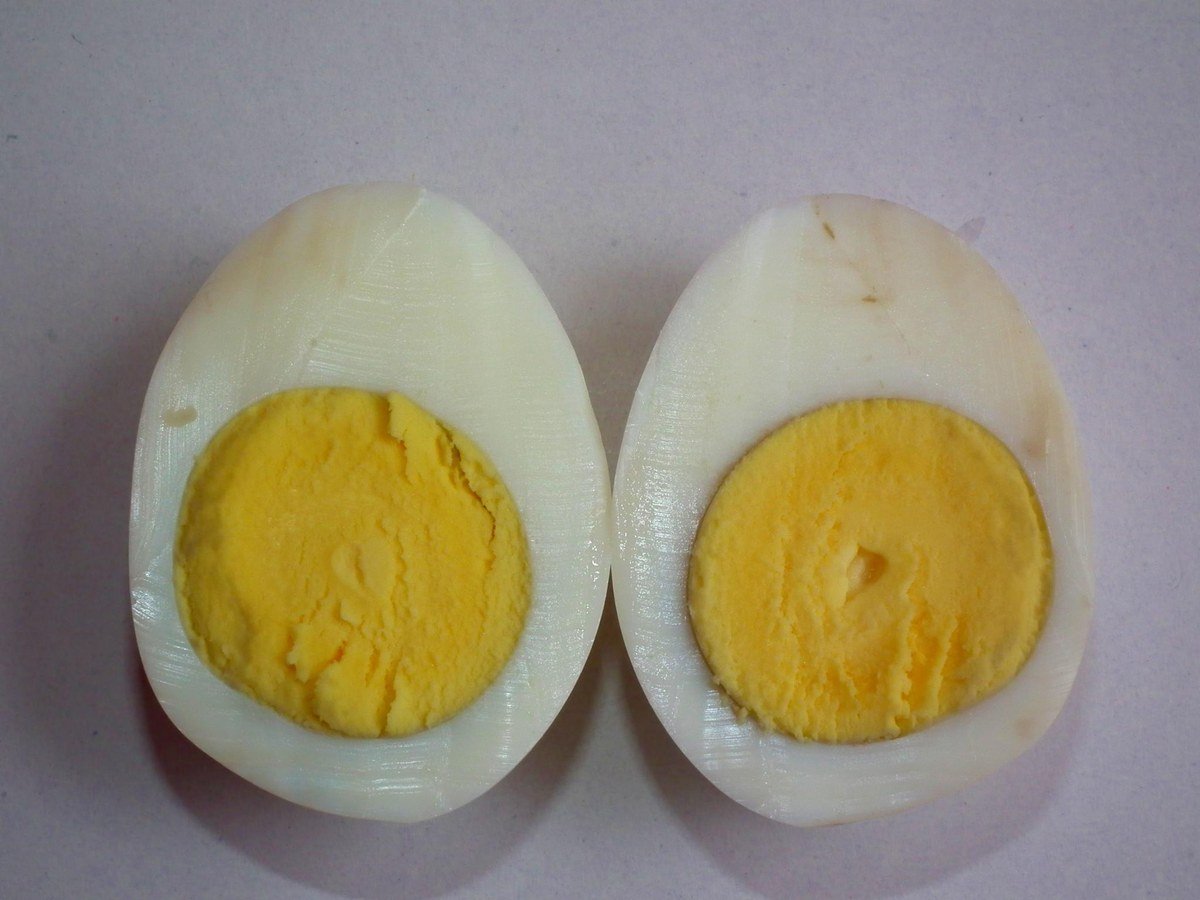
A large egg has roughly 78 calories and about 6 grams of protein, based on USDA-derived nutrition data.
That protein is complete, which means it supplies the essential amino acids your body cannot make on its own.
Eggs also supply nutrients such as vitamin D, vitamin B12, selenium and choline, with most of those nutrients sitting in the yolk.
Protein tends to be more filling than the same calories from refined carbohydrates, which is one reason eggs can be a satisfying breakfast choice.
In small breakfast studies, people who ate an egg breakfast reported feeling fuller than people who ate a same-calorie carbohydrate breakfast, and they tended to eat a little less later in the day.
Those studies were small and short, so they are a reason to consider eggs a useful food — not proof that eggs alone cause weight loss.
Weight change still comes down to your overall eating pattern, activity, sleep and health, not to any single food.
Why a Strict Boiled Egg Diet Falls Short ⚠️
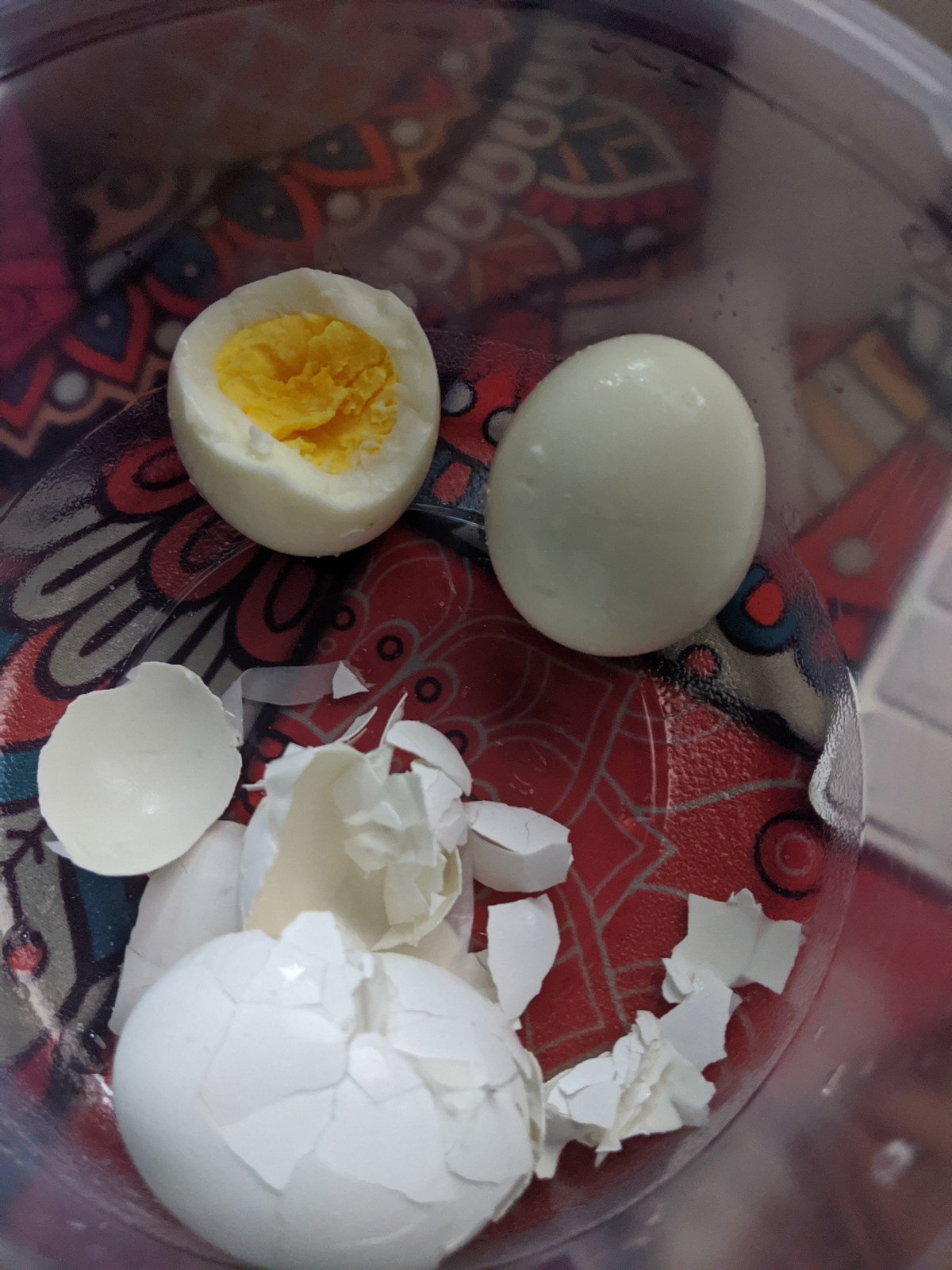
The strict versions shared online usually repeat the same pattern: eggs at breakfast, eggs or a small portion of lean protein with vegetables at lunch and dinner, and very little else.
That pattern is low in variety, low in fibre, and hard to stick with — and dietitians have criticised it as restrictive and unsustainable.
Eggs contain no fibre at all, so a plan built mostly on eggs can leave you constipated and hungry, especially when whole grains, beans and many fruits are cut out.
Cutting out whole food groups also makes it easier to miss nutrients you would get from a varied diet, and it can make eating feel dull and stressful.
Very low-calorie plans can also backfire. When eating feels like a punishment, most people return to their previous habits once the plan ends, and the weight often comes back with it.
There is also no sound evidence behind the dramatic promises attached to these plans. No food, and no two-week menu, can guarantee a set amount of weight loss for everyone.
If a plan promises a specific result in a specific number of days, treats one food as a miracle, or tells you to ignore hunger and variety, that is a reason to step back — not to push harder.
Building a Balanced Plate Around Eggs 🥗

A balanced plate does not need to be complicated. Think in parts, and let eggs be one part of the meal rather than the whole meal.
Start with plenty of vegetables or salad, add a protein such as boiled eggs, and add a source of fibre and slower energy — for example whole-grain bread, oats, beans or lentils.
A little healthy fat, such as olive oil in a dressing or a few nuts, can make the meal more satisfying and help your body absorb some vitamins.
That combination — protein, fibre, vegetables and variety — is what helps most people feel full without feeling deprived.
It also leaves room for foods you enjoy. A plan you can actually live with beats a perfect-sounding plan you abandon after a week.
For more everyday breakfast ideas, see our guide to breakfast foods for weight loss, and for the wider picture, our guide on how to lose weight in a steady, realistic way.
Remember that spot reduction does not work either: you cannot target fat loss from one area of the body with one food or exercise, as explained in our guide on how to burn belly fat.
How to Boil Eggs Well — and Store Them Safely 🍳

Put the eggs in a pot in a single layer and cover them with cold water, with about an inch of water above the eggs.
Bring the water to a boil, then turn the heat down so the water simmers gently for around 9 to 12 minutes for firm yolks.
Shorter times give softer yolks; longer times give firmer, drier yolks, sometimes with a grey-green ring that is harmless but less appealing.
Move the eggs straight into cold water and leave them there until they are cool enough to handle. This stops the cooking and makes peeling easier.
Tap each egg gently, roll it on a hard surface to crack the shell all over, then peel under running water if the shell sticks.
For storage, refrigerate boiled eggs promptly — within two hours of cooking — and use them within about a week.
Keep them in a clean, covered container in the fridge, not at room temperature, and throw away any egg that smells off or has been left out too long.
Simple Ways to Use Boiled Eggs 🥪
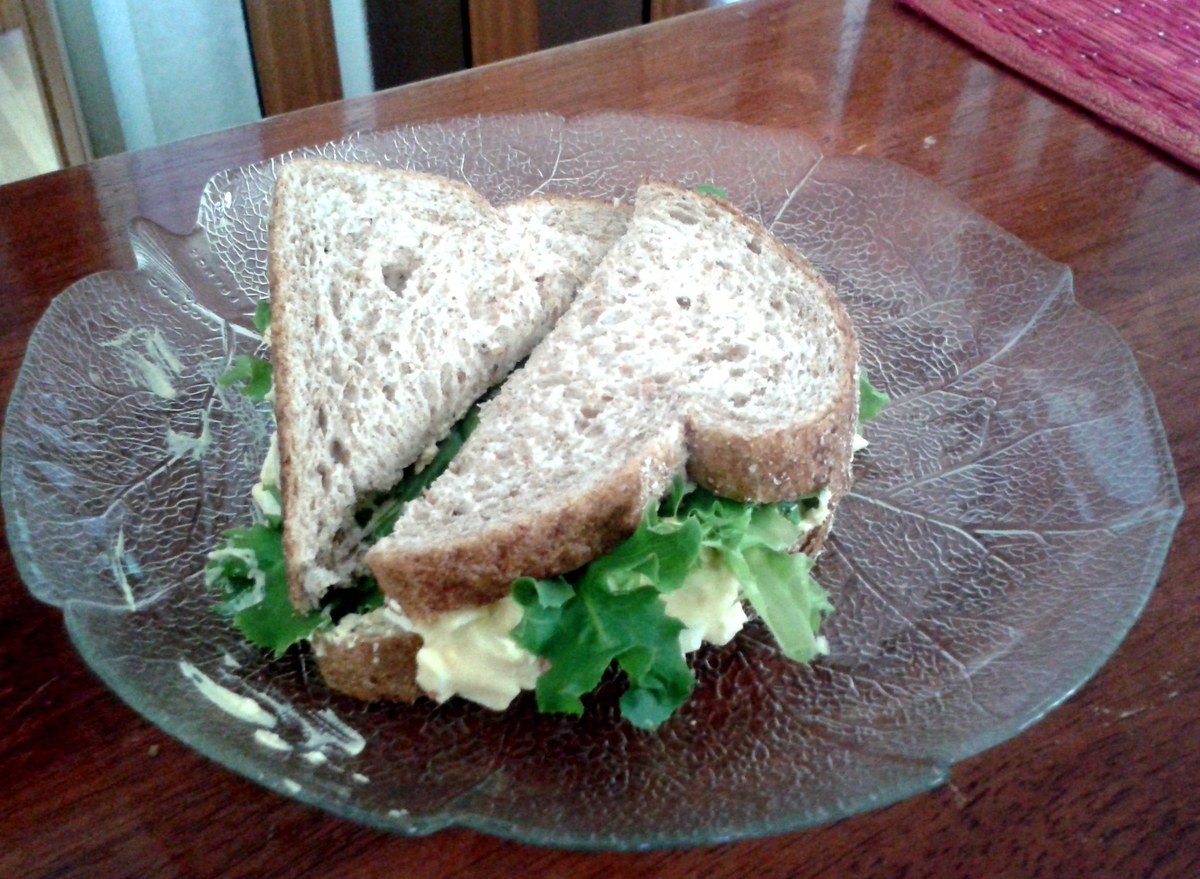
Sliced over a salad, a boiled egg turns a bowl of leaves into a proper lunch instead of a side dish.
Chopped with a little mustard, yoghurt or mayonnaise and some herbs, it makes a simple egg salad for a sandwich or a wrap.
Halved with a pinch of salt, pepper and paprika, it works as a quick snack that travels well in a lunchbox.
It also pairs well with whole-grain toast, avocado, tomatoes or cucumber for a breakfast that covers protein, fibre and vegetables in one plate.
Keep portions ordinary — one or two eggs at a meal is a sensible pattern for most healthy adults — and let the rest of the plate do the rest of the work.
If you have been told to watch your cholesterol, or you live with diabetes or heart disease, follow your own clinician’s advice on portions rather than a general article.
Questions People Ask ❓

Are boiled eggs good for weight loss? They can help, as part of a balanced diet, because their protein helps many people feel full.
They are not a weight-loss treatment on their own, and no egg-based plan can promise a particular result.
Do eggs raise cholesterol too much to eat regularly? For most healthy adults, dietary cholesterol from eggs has a modest effect on blood cholesterol, and saturated fat in the overall diet matters more.
That is a general point, not personal advice — anyone with high cholesterol, heart disease or diabetes should check with their clinician.
Can I eat boiled eggs every day? Many healthy adults eat eggs regularly without a problem, but variety still matters.
Rotating eggs with other proteins — beans, lentils, fish, yoghurt or poultry — gives you a wider range of nutrients and keeps meals interesting.
What if I am allergic to eggs? Egg allergy is common, and it can be serious. If you have ever reacted to eggs, do not test them at home — get advice from a clinician.
What is the honest bottom line? Boiled eggs are a genuinely useful food: affordable, portable and rich in protein and nutrients. 🥚
The strict “boiled egg diet” is a different thing — restrictive, low in fibre and variety, and unlikely to last. Build your meals around eggs, vegetables, fibre and foods you enjoy, and you have something far more likely to work long-term.