

Noticing more hair on your pillow, in the shower or on your brush can be worrying. 💛
The good news is that some shedding is completely normal, and many causes have a clear, everyday explanation.
This guide is general information only. It is not medical advice, and it cannot diagnose you or promise a result.
Its aim is simple: help you tell normal shedding from a pattern worth checking, look after your hair gently, and know when a clinician is the right next step.
What normal shedding looks like 💇

Hair grows in a cycle. Each strand grows for a while, rests, then sheds so a new one can take its place.
Because of that cycle, losing roughly 50 to 100 hairs a day is considered normal for most adults.
Washing can make shedding look worse, because hairs that were already ready to shed all come out at once. That alone does not mean you are losing hair permanently.
What matters more is the pattern over time. Gradual thinning, a widening part, a receding hairline or new bald patches are different from a few extra strands on wash day.
Common causes, in plain terms 🌱
Family pattern is the most common cause of gradual thinning. It tends to run in families and usually develops slowly over years.
After a major trigger, shedding can also increase all over the scalp. Illness, surgery, childbirth, major stress or sudden weight loss are common examples.
This kind of shedding often shows up a few months after the trigger, which is why it can feel surprising. It is not always linked to what happened yesterday.
Hormonal shifts, including those around pregnancy and menopause, can change hair density too. So can thyroid and other health conditions — which is one reason a clinician may ask about your wider health, not just your hair.
Some medicines list hair shedding as a side effect, and scalp infections or inflammation can also play a part. Never stop a prescribed medicine because of hair concerns — raise it with the clinician who prescribed it instead.
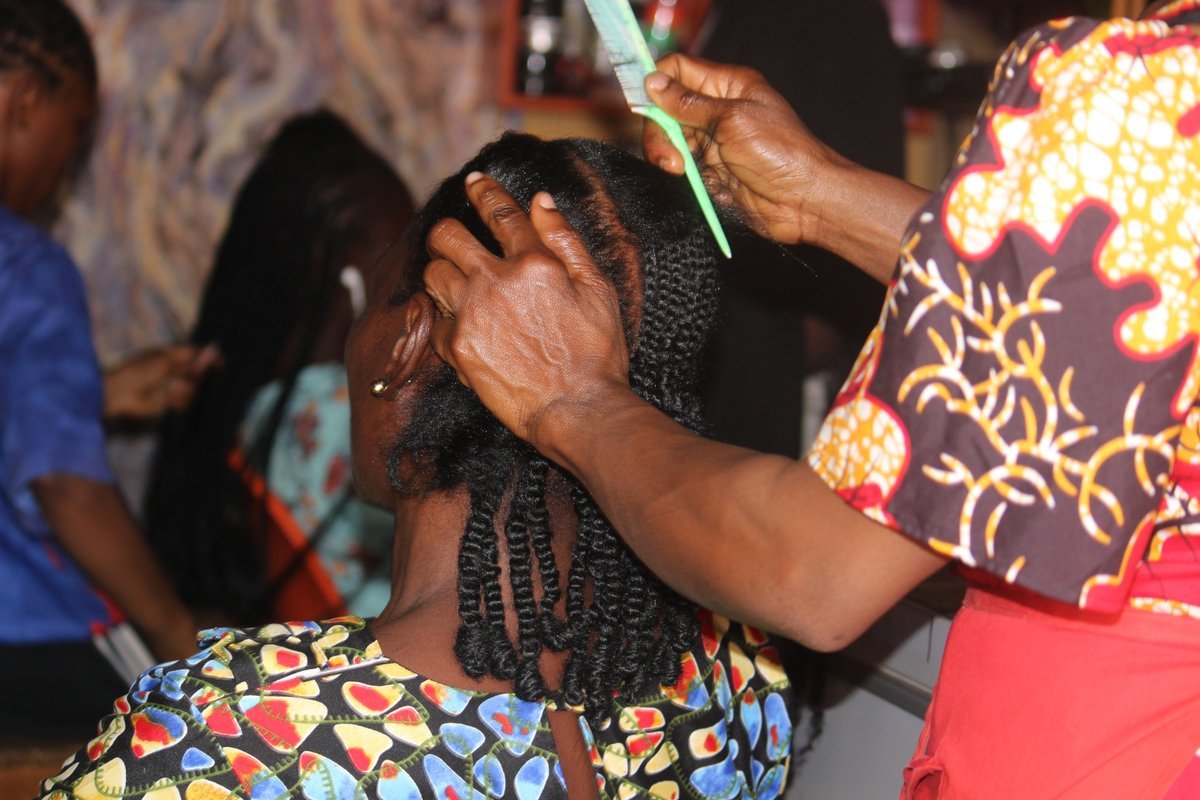
Repeated pulling is another cause worth knowing about. Tight braids, ponytails and buns worn often can strain the hairline over time.
Finally, patchy loss in round spots can point to an immune-related condition called alopecia areata. It looks different from gradual thinning, and it deserves a clinician’s look rather than guesswork at home.
Related reading on wider health: diabetes signs, symptoms and types and obesity and its causes.
Everyday habits that reduce breakage ✨
Breakage is not the same as shedding from the root, but it can still make hair look thinner and shorter.
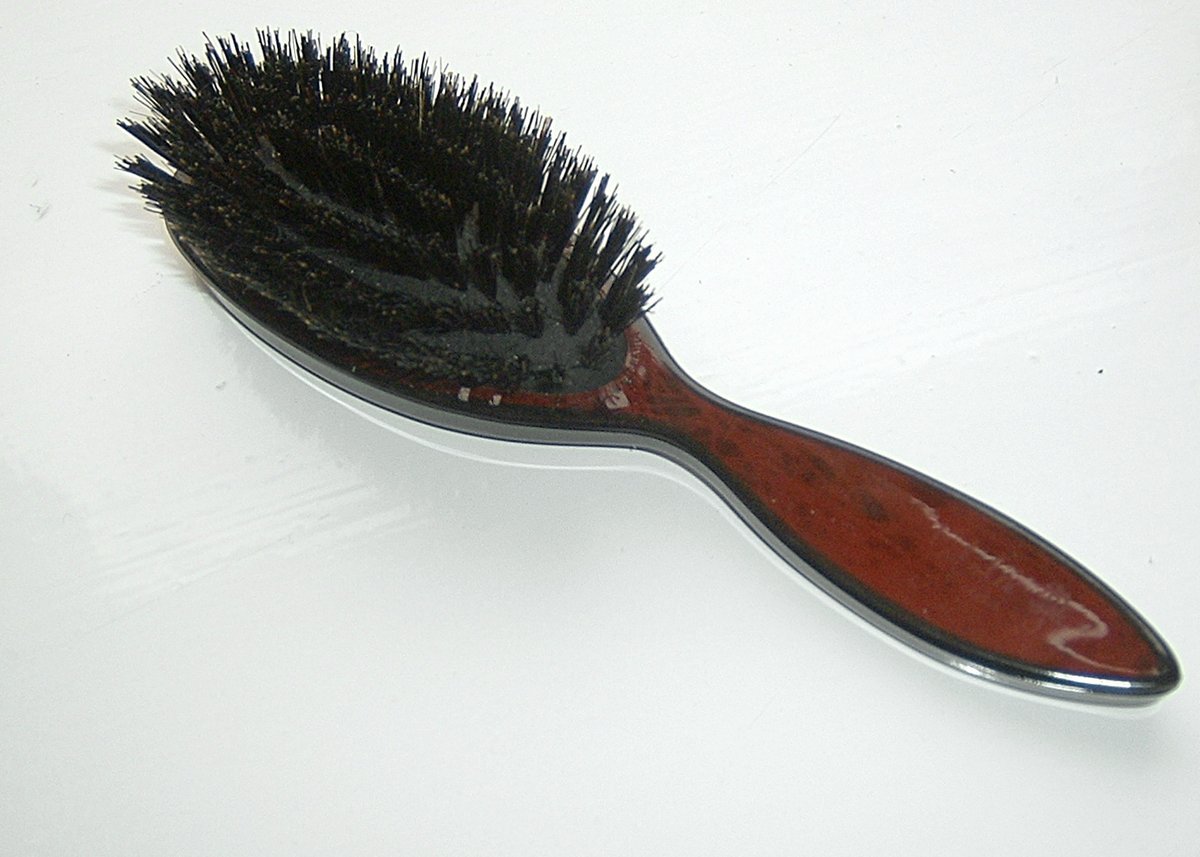
Be gentle with wet hair, which is more fragile than dry hair. Detangle slowly, starting at the ends and working upward, rather than dragging a brush from the roots.
Loosen up styles that pull. If a ponytail or braid feels tight or sore, it is too tight — comfortable, looser styles put far less strain on the hairline.
Cut back on heat where you can. If you do use a dryer or straightener, use a lower setting, keep it moving, and stop once hair is dry rather than going over the same section again and again.
Regular trims remove split ends before they travel further up the strand. They do not make hair grow faster from the scalp, but they do help lengths look neater and break less.
Crash diets and very rapid weight loss can also disturb the hair cycle. If you are working on your weight, gradual, steady change is kinder to your body in general — see how to lose weight fast with that caution in mind, and talk to a clinician before any drastic plan.
Looking after your scalp 🧴
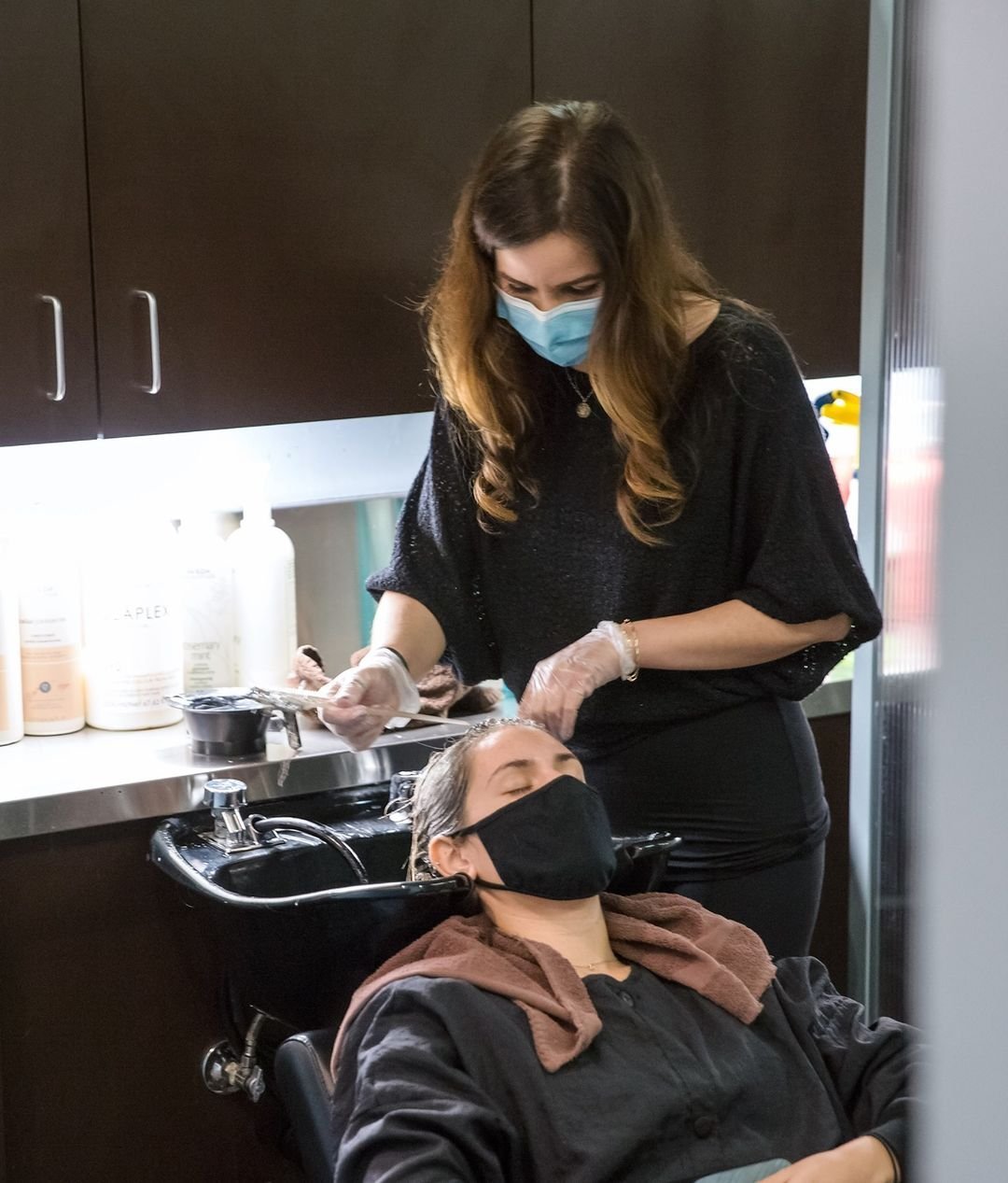
Healthy-looking hair usually starts with a comfortable scalp. Wash with a gentle shampoo that suits your scalp, using your fingertips rather than scratching with nails.
Conditioner after washing helps strands slide past each other instead of snagging, which means less friction and less breakage.
Do not pile heavy oils or products onto a scalp that is already itchy, sore or flaky. Build-up and irritation only make the problem harder to judge.
Flaking on its own is common and often settles with gentle, regular washing. But flaking plus hair loss, redness, scaling or pain is a different story — see the next section.
Keep notes if it helps: when shedding started, whether it is patchy or all over, and anything major that happened a few months earlier. That timeline is genuinely useful to a clinician.
When to talk to a clinician or dermatologist 🩺

Talk to a clinician promptly if your hair loss is sudden, patchy, or getting worse quickly.
The same applies if you notice scalp pain, burning, redness, scaling, sores or swelling — or hair loss alongside other symptoms such as tiredness, unexplained weight change or irregular periods.
Sudden round bald patches, loss of eyebrows or eyelashes, or shedding that has not settled after a few months are also reasons to get checked rather than wait.
A clinician will usually ask about timing, pattern, medicines, family history and general health, and may examine the scalp or arrange blood tests. That check matters because some causes are treatable, and a few need attention sooner rather than later.
Be cautious about supplements sold for hair. They only make sense if a clinician has found a real deficiency, and taking high doses without testing can sometimes make things worse or interfere with blood tests.
If hair loss is affecting your mood or daily life, say so. That is a valid reason to seek help in itself, not something to brush aside.
Hair loss questions, answered honestly ❓

Does washing my hair every day cause hair loss?
No — washing itself does not pull healthy hair from the scalp. It simply makes normal shedding more visible in one place.
Can stress alone cause shedding?
Major stress can disturb the hair cycle, and shedding may appear a few months later. If it keeps going, or comes with other symptoms, get it checked rather than assuming stress is the whole story.
Will cutting my hair make it grow back thicker?
No. A trim improves the look of the lengths and removes split ends, but it does not change how hair grows from the follicle.
Should I try a home remedy I saw online?
Be sceptical of anything promising regrowth or a guaranteed fix. Harsh mixtures can irritate the scalp, and waiting on an unproven remedy can delay care for a cause that needs attention.
When is it time to stop watching and waiting?
If shedding is sudden, patchy, painful, scaly or long-lasting, or if you have other symptoms, book an appointment. Early assessment gives you a clearer answer than months of worry.
Your hair does not define you, but worrying about it is understandable. Gentle daily care, patience with the hair cycle, and a clinician’s advice when warning signs appear are the honest, useful steps — no miracle promises needed. 💛