

Losing weight is rarely about one perfect week. 🌱
It is about small changes you can keep for months, not a crash plan you abandon.
This guide gives you the steady version: balanced meals, regular movement, enough sleep, and habits that fit real life.
This article is general health information only, not medical advice. If you have a health condition, take medication, or notice unexplained weight change, talk to a clinician before changing your diet or activity.
Start with a realistic pace ⏳
Public health guidance in the UK and the US points to the same steady pace: around 0.5 to 1 kg (1 to 2 lb) per week for most adults.
That pace is slower than the old “fast” promises, and that is the point. Slower loss is easier to keep off.
Think in months, not days. Losing even 5 to 10% of your starting weight over three to six months can already make a real difference to your health.
Some weeks the scale will barely move, and some weeks it will move more. That uneven pattern is normal, not failure.
Build a balanced plate 🥗

Build most meals around vegetables, a protein food, and a fibre-rich carbohydrate such as whole grains, beans or lentils.
Protein foods include eggs, fish, lean meat, beans, lentils, tofu and low-fat dairy. Protein helps you feel full, which makes smaller portions easier to live with.
Fill about half your plate with vegetables and fruit when you can. They add volume and fibre without adding many calories.
You do not need to cut out any single food group to lose weight. A balanced plate you enjoy beats a strict plan you dread.
Watch the easy extras: sugary drinks, large snacks and alcohol can add a surprising number of calories without filling you up.
Swapping a sugary drink for water or a sugar-free drink is one of the simplest changes you can make.
Move more, in ways you enjoy 🚶♀️

Adults are generally advised to aim for at least 150 minutes of moderate activity a week, such as brisk walking, cycling or swimming.
That works out to about 30 minutes on five days, but shorter bouts still count. A ten-minute walk after lunch is a genuine start.
Most weight loss comes from eating a little less than your body uses. Activity helps you keep the loss off and supports your mood, sleep and strength.
Pick movement you actually like. Walking, dancing, gardening and playing with the kids all count, and you are far more likely to repeat them.
Build activity into your day: take the stairs, walk part of the journey, or stand up and stretch between long sitting spells.
Add strength work twice a week 🏋️
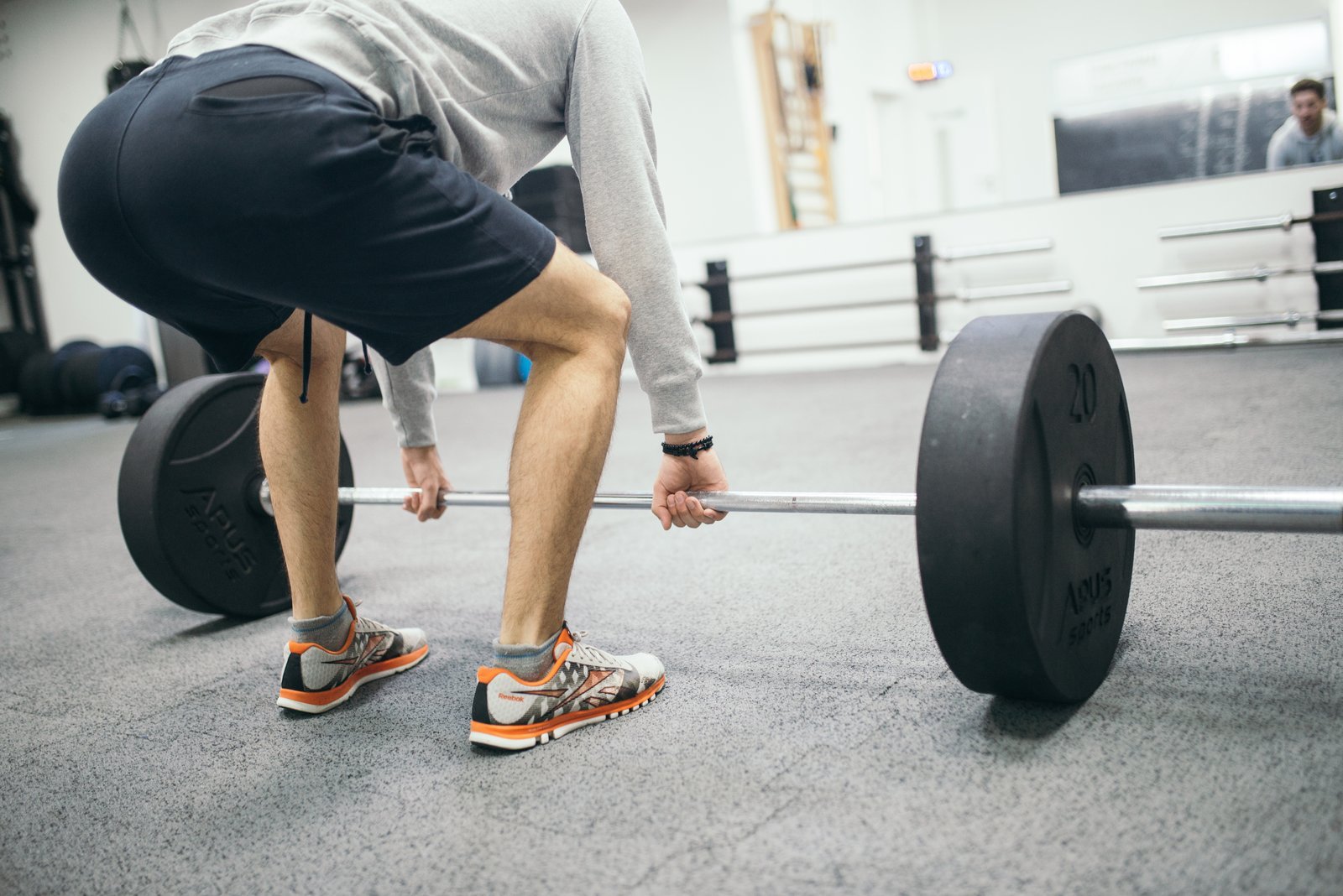
Strength work twice a week helps protect your muscles while you lose weight, so more of the loss comes from fat.
You do not need a gym membership to start. Bodyweight moves such as squats, push-ups and lunges work well at home.
If you do use a gym, ask a trainer to show you safe form first. Good form matters far more than heavy weights.
For ideas on protein-rich foods that support training, see our guide to protein powders for strength athletes.
Rest between sessions matters too. Sore muscles need a day or two to recover before you train them hard again.
Protect your sleep and daily habits 😴

Sleep is part of weight management, not a luxury extra. Short sleep has been linked in research with a higher risk of central obesity in adults.
A regular bedtime, a dark room and less screen time late at night help most people sleep better.
When you are tired, food choices get harder and hunger feels stronger. That is a normal human response, not a lack of willpower.
Eat slowly and notice when you feel full. It takes a little time for fullness to register, so rushing meals often means eating past it.
Keeping a short food diary for a week or two can be eye-opening. Many people discover snacks and drinks they had simply forgotten.
Keep healthy options visible at home: fruit on the counter, vegetables ready in the fridge, and water easy to reach.
Track progress without obsessing ⚖️
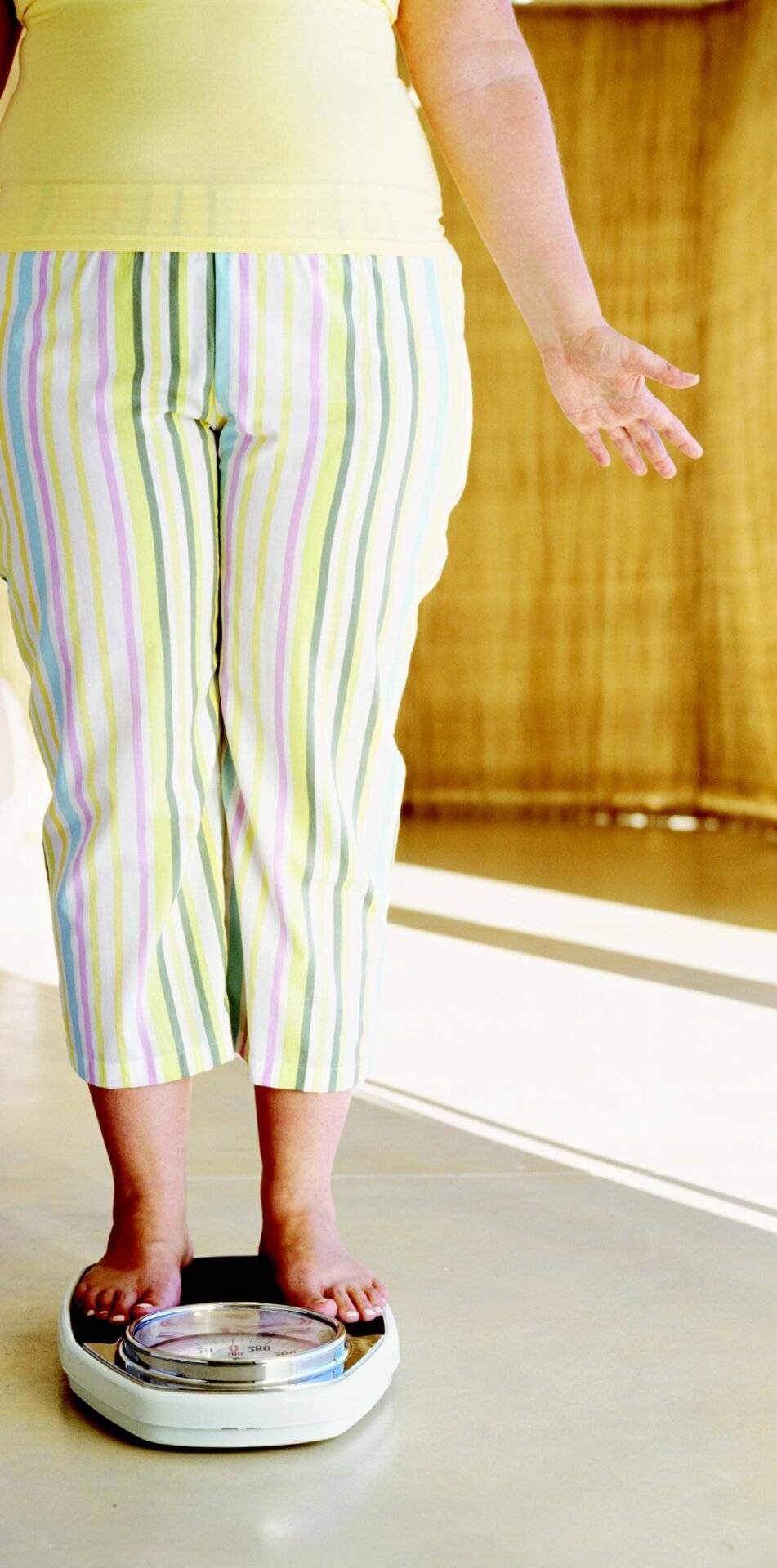
Weigh yourself once a week, at a similar time of day, and write the number down. Daily weighing swings with water, food and clothing.
Judge progress over four weeks, not four days. A flat week inside a downward month is still progress.
Also track wins the scale misses: looser clothes, more energy, better sleep, and longer walks without getting tired.
What if the scale stops moving?
First check the basics: portions creeping up, drinks and snacks forgotten, activity slipping, or sleep getting shorter.
Plateaus happen to almost everyone. Holding steady for a few weeks while you keep the habits is far better than quitting.
Do I have to cut out carbohydrates completely?
No. Whole grains, potatoes, beans and fruit all have a place in a balanced diet, and cutting out a whole food group makes a plan harder to keep.
What helps most is portion awareness and choosing fibre-rich options more often, not banning foods you enjoy.
Is weight loss the right goal for everyone?
No, and that is worth saying plainly. Some readers are underweight, growing, pregnant, or recovering from illness, and weight loss is not right for them.
If your goal is actually the opposite, our guide to gaining weight naturally and safely covers the steady way to do that instead.
This article is general health information only, not medical advice. If you have a health condition, take medication, or notice unexplained weight change, talk to a clinician before changing your diet or activity.
Related reading 📚
Our refreshed guide to weight loss supplements explains how those products fit — or do not fit — around a calorie deficit.
For the opposite goal, see how to gain weight naturally and safely.