

This guide explains, in plain language, what obesity is and what can contribute to it — in adults and in children. 🧭
It is general health information only. It is not medical advice, and it does not diagnose or treat anyone.
If weight is a worry for you or your child, a clinician can look at the full picture with you. That conversation matters more than any single number.
What Is Obesity? ⚖️
The World Health Organization (WHO) describes overweight and obesity as abnormal or excessive fat accumulation that may impair health.
For adults, WHO uses body mass index (BMI) as a rough guide: a BMI of 25 or more is classed as overweight, and a BMI of 30 or more is classed as obesity.
BMI is only a screening tool. It does not measure body fat directly, and it can mislead for very muscular people, so clinicians use it alongside other checks.

Obesity is now common worldwide. In 2022, about 2.5 billion adults were overweight, including around 890 million adults living with obesity, according to WHO.
That scale is why health agencies describe obesity as a chronic, complex condition — not a personal failing, and not something explained by one single cause.
What Causes Obesity? 🧩
At the simplest level, weight gain happens when energy taken in regularly exceeds energy used over time. That is the energy-balance picture WHO describes.
But what shapes that balance is wide-ranging. Food choices, movement, sleep, genes, health conditions, medicines and surroundings all play a part — often together.
Food and Drink Patterns 🥗
Energy-dense foods and sugary drinks can make it easy to take in a lot of energy without feeling full for long.
Large portions, frequent snacking and eating away from home are also part of the pattern in many countries, alongside less home cooking.
Building meals around vegetables, fruits, whole grains and lean protein can help many people feel satisfied. Our guide to protein powders for muscle gain also explains how protein fits into a training diet, though supplements are never a substitute for balanced meals.
Movement and Everyday Activity 🏃
Many jobs, journeys and leisure activities now involve far less movement than they once did, and screen-based leisure has grown.
Regular movement — walking, cycling, playing a sport or simply being active through the day — helps use energy and supports general health.
Small, steady habits tend to last longer than sudden, punishing routines. A short daily walk is a good place to start for many people.

Sleep 😴
Short or disrupted sleep is linked with weight gain in research summaries from public health agencies.
Poor sleep can affect appetite signals and daytime energy, which can make healthy eating and activity harder to keep up.
A regular sleep routine and screens kept out of the bedroom at night are simple steps that support better rest.
Genes and Family History 🧬
Genes influence appetite, how full we feel and how the body stores energy, so weight can run in families.
Genes alone do not explain the sharp rise in obesity over recent decades, though. Family habits and surroundings matter too.
That combination is important: a tendency is not a destiny, and supportive surroundings help everyone in the family.
Health Conditions and Medicines 💊
A small number of health conditions can contribute to weight gain. An underactive thyroid is one example health services list.
Some prescribed medicines are also associated with weight gain for some people. Never stop a prescribed medicine because of weight concerns.
If you notice weight change after starting a medicine, raise it with the clinician who prescribed it — they can review the options with you.
Surroundings and Cost 🏘️
Where we live shapes what is easy to choose. Safe places to walk, nearby fresh food and the price of healthier options all matter.
In some neighbourhoods, fast food and sugary drinks are cheaper and easier to find than fresh produce. That is a structural issue, not a character flaw.
Community steps — school meals, safe parks and honest food labelling — are part of the wider response health agencies recommend.
Obesity in Children: A Family Approach 👨👩👧👦
Children’s weight is a sensitive topic, and it deserves a kind, family-based approach — never blame, teasing or adult-style dieting.
Public health guidance describes childhood obesity as complex too, shaped by eating patterns, activity, sleep, genes and surroundings.
About 1 in 5 children in the United States have obesity, according to the CDC — a reminder that many families are facing the same questions.

For children, the focus is healthy growth, not weight loss targets. Families can help most by changing the shared routine together.
That means balanced family meals, active play, regular sleep and less recreational screen time — done as a household, not imposed on one child.
Important: if you are concerned about a child’s weight or growth, please discuss it with a paediatrician or clinician first.
Children should never be put on adult diets, restrictive eating plans or shaming routines. A clinician can assess growth properly and, where needed, refer the family to a family healthy weight programme.
Everyday Habits That Support a Healthy Weight 🌱
No single food or habit fixes weight on its own. The pattern across the week is what counts.
Keep fruit and vegetables visible at home, choose water more often than sugary drinks, and keep portions moderate.
Move in ways you enjoy — walking, dancing, cycling or playing a game with family. Enjoyment is what keeps movement going.
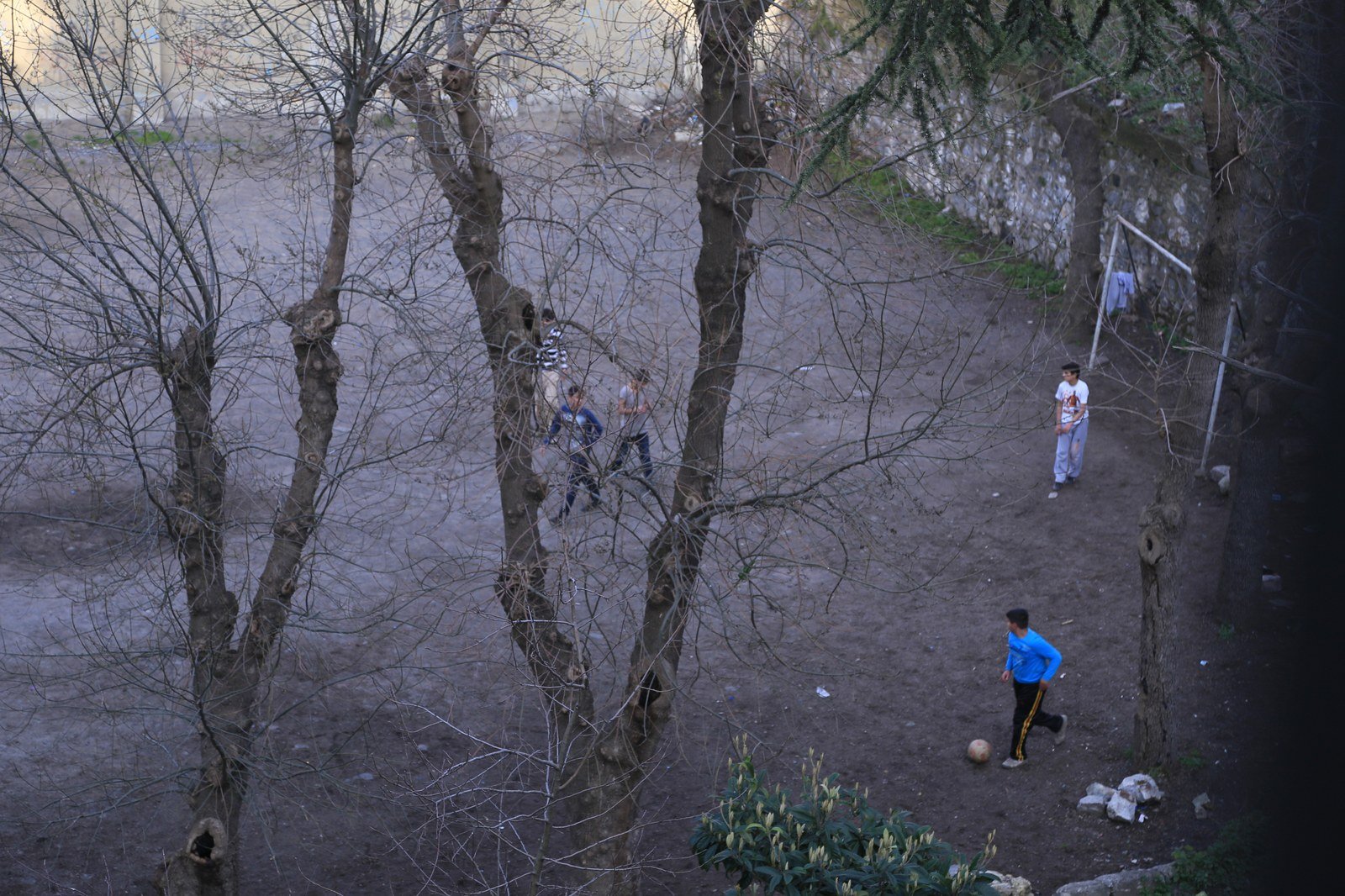
Protect sleep with a regular bedtime, and try to keep screens out of bedrooms at night for children and adults alike.
If you want ideas for balanced eating around training, see our guide to the best protein powder for fat loss and muscle gain, and our list of 15 best weight loss foods for everyday meal ideas.
Frequently Asked Questions ❓
Is obesity a disease?
Yes — major health bodies, including the American Medical Association and WHO, describe obesity as a chronic, complex disease.
That framing matters because it points to medical and social support, not blame, as the right response.
Is BMI accurate?
BMI is a useful population guide, but it is rough for individuals. It does not separate muscle from fat.
Clinicians may also look at waist size, health history and blood tests before drawing conclusions.
Can childhood obesity be prevented?
Families can lower the risk with shared healthy routines — balanced meals, active play, good sleep and limited screen time.
But no family can control every influence, and support rather than guilt is the approach health agencies recommend.
When should I speak to a clinician?
Speak to a clinician if weight is changing quickly, if a medicine may be involved, or if you are worried about a child’s growth.
Bring your questions openly — that conversation is the safest next step, whatever the numbers say.
General information only: this article does not provide medical advice, diagnosis or treatment. Please speak to a qualified clinician about personal health concerns.