

How we chose: This is a research-based guide, not a hands-on test. We compared manufacturer labels (calories, protein, sugar, ingredient lists), third-party testing status, verified buyer feedback and price data from price trackers, then built the stack the way a coach would: one product per job, nothing decorative.
Gaining Weight Is a System, Not a Single Powder
Most “weight gain supplement” lists are really just lists of mass gainers — ten tubs of the same idea. That is not how gaining actually works, and it is not how this guide works.
Muscle is built by two things: a consistent calorie surplus (eating a little more than you burn, day after day) and progressive resistance training that gives your body a reason to spend that surplus on muscle.
Supplements do not build the surplus; they make the surplus easier to hit and easier to use. One well-chosen product per job — calories, training performance, daily protein, recovery, basic nutrition — beats a cupboard of overlapping powders. That is the idea behind the seven picks below: the complete gaining stack.
Two quick signposts before we start. Women who struggle to gain will find portioning and product picks tailored to them in our guide to the best weight gainers for women. And if you only want a protein powder, our guide to the best protein powders for strength athletes compares seven in depth — this guide deliberately keeps those reviews short and links out.
The Complete Gaining Stack at a Glance
| Product | Role in the stack | Best for | Approx. price |
|---|---|---|---|
| Optimum Nutrition Serious Mass | The calorie anchor | Hardgainers who need serious calories daily | ~$100–107 (12 lb) |
| Naked Mass | Clean-label gainer | Label readers; only 3 ingredients | ~$70–80 (8 lb) |
| Nutricost Creatine Monohydrate | Training performance | Everyone who lifts — the proven basic | ~$17–22 (500 g) |
| Optimum Nutrition Gold Standard 100% Whey | Between-meal protein | Topping up protein without a full meal | ~$85–95 (5 lb) |
| Optimum Nutrition Gold Standard 100% Casein | Before-bed protein | Slow protein overnight | ~$75–85 (4 lb) |
| Sports Research Triple Strength Omega-3 | Joint & general support | Hard trainers who rarely eat oily fish | ~$25–32 (90 softgels) |
| Thorne Basic Nutrients 2/Day | Nutrient insurance | Covering micronutrient bases, NSF Certified for Sport | ~$36–40 (60 capsules) |
1. Optimum Nutrition Serious Mass — The Calorie Anchor
Role in the stack: calories. This is the product that does the heavy lifting on intake: 1,250 calories, 50 g of protein and over 250 g of carbohydrates per two-scoop serving, plus 25 vitamins and minerals, creatine and glutamine.
Who it’s for: genuine hardgainers — people who eat three solid meals and still cannot move the scale. If that is you, one shake a day quietly closes the gap that willpower at the table cannot.
A serving is huge, and most people do better starting with half (about 625 calories) between meals rather than on top of one. We also feature Serious Mass as the bulking pick in our strength protein guide, where we note it is not third-party certified the way some rivals are — the same note applies here.
Pros
- The most proven high-calorie formula in the category
- Good value per calorie in the 12 lb bag
- Creatine and a vitamin panel already included
Cons
- Around 29 g of sugar per full serving — see the sugar note below
- Very filling at full size; half servings are the smart start
- Not third-party certified
Price: around $100–107 for 12 lb; the 6 lb bag is roughly $50.
Check the price of Optimum Nutrition Serious Mass on Amazon
2. Naked Mass — The Clean-Label Gainer
Role in the stack: the same calorie job as Serious Mass, done differently. Naked Mass contains just three ingredients — whey protein concentrate, micellar casein and organic tapioca maltodextrin — for 1,250 calories and 50 g of protein per serving. Nothing artificial, and it is NSF Certified.
Who it’s for: anyone who reads labels and wants to know exactly what their calories are made of. The unflavoured version is a base you build on: blend it with milk, banana, oats and peanut butter and you control the taste and the total.
Two honest trade-offs: the carb source is maltodextrin, which digests quickly (fine around training, worth knowing if you watch blood sugar), and there is no creatine inside — which is exactly why creatine gets its own slot in this stack.
Pros
- Only three ingredients; NSF Certified and independently tested
- Whey + casein blend digests across several hours
- Gluten-free and soy-free; unflavoured option for smoothies
Cons
- Premium price per tub, and only about 11 servings per 8 lb
- Plain taste on its own — it wants to be blended
Price: around $70–80 for 8 lb.
Check the price of Naked Mass on Amazon
3. Nutricost Creatine Monohydrate — The Training Engine
Role in the stack: performance. Creatine monohydrate is the most researched supplement in sports science. It helps your muscles produce quick energy during hard sets, so you can add the reps and load that actually trigger growth. A surplus without hard training is just weight gain; creatine helps make it muscle gain.
Who it’s for: everyone in this stack, full stop. Nutricost’s version is plain micronised monohydrate — 5 g per serving, 100 servings a tub, nothing else in it. Take it any time of day, in your shake or coffee.
One honest warning, because it panics beginners every time: creatine draws a little extra water into your muscles, so the scale may rise 1–2 lb in the first couple of weeks. That is water inside muscle, not fat — and for a gainer, it is a head start, not a problem.
Pros
- The strongest evidence base of any product on this page
- About 20 cents a serving; a tub lasts over three months
- Unflavoured and single-ingredient — mixes into anything
Cons
- Initial water weight can confuse your tracking
- A few people get stomach discomfort; taking it with food helps
Price: around $17–22 for 500 g (100 servings).
Check the price of Nutricost Creatine Monohydrate on Amazon

4. Optimum Nutrition Gold Standard 100% Whey — The Between-Meal Top-Up
Role in the stack: flexible protein. A gainer shake is a big commitment; a whey shake is not. One scoop gives you 24 g of protein for about 120 calories, so you can lift your daily protein total without forcing down another meal.
Who it’s for: gainers whose meals are decent but whose protein still lands short of target (roughly 1.6–2.2 g per kilogram of body weight while building). Post-workout and between meals are the natural slots.
This is the same whey we recommend across our protein guides, so we keep it brief here — the in-depth comparison lives in our strength athletes’ protein guide.
Pros
- 24 g protein for 120 calories and about 1 g of sugar
- Informed Choice tested; mixes instantly in water or milk
- Enormous flavour range, so it never gets boring
Cons
- The 5 lb tub is a real upfront cost (2 lb is around $45)
- Low in calories by design — it tops up protein, it is not a gainer
Price: around $85–95 for 5 lb.
Check the price of Optimum Nutrition Gold Standard Whey on Amazon
5. Optimum Nutrition Gold Standard 100% Casein — The Night Shift
Role in the stack: overnight protein. Casein thickens in the stomach and digests slowly, releasing amino acids over hours instead of minutes — the logic of a shake right before bed, when you are about to go seven or eight hours without food.
Who it’s for: gainers who have the rest of the day covered and want the last easy win. Each serving gives 24 g of micellar casein, 120 calories and just 1 g of sugar, and it is Informed Choice certified.
Keep perspective: if your daytime calories and protein are not handled yet, fix those first — casein is a finishing touch, not a foundation.
Pros
- Slow-digesting micellar casein sized for the overnight gap
- Thick, pudding-like texture that feels like a dessert, not a chore
- Only 120 calories — it will not wreck your appetite for breakfast
Cons
- The most optional product in this stack
- Thick texture is not for everyone; needs more water than whey
Price: around $75–85 for 4 lb.
Check the price of Optimum Nutrition Gold Standard Casein on Amazon
6. Sports Research Triple Strength Omega-3 — The Support Act
Role in the stack: the basics underneath the training. Most cheap fish oils hide tiny amounts of EPA and DHA inside a big “1,000 mg fish oil” claim. Each of these softgels actually delivers 690 mg of EPA and 260 mg of DHA from wild Alaska pollock, in triglyceride form, and the oil is IFOS 5-star certified — every tested lot on public record passed.
Who it’s for: hard trainers who rarely eat oily fish. Gaining means months of heavy sessions; omega-3s are the quiet, general-support habit that fits alongside that work. Our joint supplements guide covers the joint evidence honestly — promising, not proven.
Pros
- 950 mg combined EPA + DHA in a single softgel
- IFOS 5-star certified; single-source Alaska pollock
- One softgel a day; refined to minimise fishy aftertaste
Cons
- Not suitable for fish allergy; vegans need an algae-based omega-3
- Large softgels, and fish oil can interact with blood-thinning medication — check first
Price: around $25–32 for 90 softgels (three months).
Check the price of Sports Research Omega-3 on Amazon
7. Thorne Basic Nutrients 2/Day — The Insurance Policy
Role in the stack: micronutrient cover. Eating more food usually means eating more of the same foods, and hard training raises your turnover of several vitamins and minerals. A good multivitamin does not build muscle — it simply makes sure a gap in vitamin D, B12, magnesium or zinc is not quietly holding you back.
Who it’s for: anyone running this stack for months at a time. Thorne’s formula uses well-absorbed forms (chelated minerals, active B vitamins), contains no iron — sensible for most men and postmenopausal women, who rarely need supplemental iron — and is NSF Certified for Sport, which matters if you are a tested athlete. Two capsules a day is the whole routine.
Pros
- NSF Certified for Sport — batch-tested for banned substances
- Active, well-absorbed nutrient forms; unisex, iron-free formula
- Just two capsules a day
Cons
- Premium price for a multivitamin
- Contains vitamin K — anyone on anticoagulant medication must clear it with their doctor
Price: around $36–40 for 60 capsules (one month).
Check the price of Thorne Basic Nutrients 2/Day on Amazon
A Note on Sugar and Big Gainers
Read the label before you fall in love with a calorie count. A full serving of a classic gainer can carry 20–30 g of sugar, and maltodextrin-based formulas digest fast even when the sugar line looks low.
For most healthy, hard-training people using a half serving between meals, that is a manageable trade-off. But if you have diabetes, pre-diabetes or any blood-sugar concern, talk to your doctor or a registered dietitian before using a mass gainer — and favour the moderate, lower-sugar end of the category. This guide is general information, not medical advice.
How to Build Your Stack by Budget
The essentials (roughly $120 to start, then about $40–55 a month). One gainer — Serious Mass or Naked Mass — plus Nutricost creatine. That is genuinely enough for most people: the calories and the training performance are the two jobs that matter. Add the multivitamin later if your diet is narrow.
The full stack (roughly $340–390 to start, then about $110–140 a month). Add the whey, the casein, the omega-3 and the Thorne multi. Each addition solves a smaller problem than the one before it — buy in that order, and stop whenever your budget says stop.
Whichever tier you choose, spend on food first. Grocery money outperforms powder money every single time.
A Sample Day on the Stack
- Breakfast: eggs, oats with milk and peanut butter, fruit. Thorne multi with the meal.
- Mid-morning: half serving of your gainer, blended with milk and a banana.
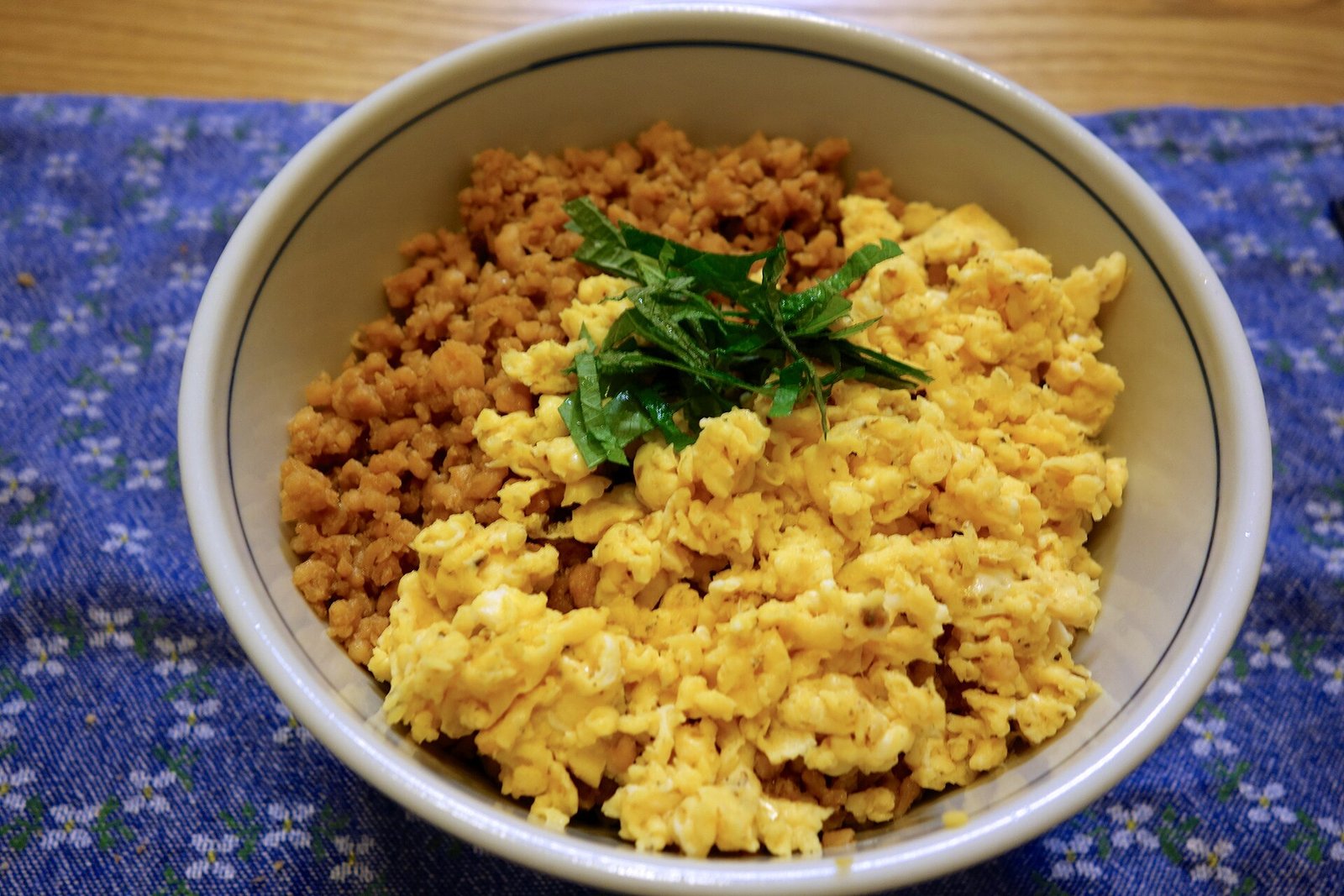
- Lunch: rice bowl with chicken, egg and vegetables; olive oil over the top.
- Training (late afternoon): creatine stirred into your pre- or post-workout drink — timing matters far less than taking it daily.
- Post-workout: whey shake if dinner is still hours away; otherwise go straight to dinner.
- Dinner: your biggest meal — protein, a generous carb portion, calorie-dense extras like cheese, nuts or sauces.
- Before bed: casein shake, and the omega-3 softgel with your last meal of the day.
On rest days, keep everything except the post-workout whey. The surplus is a daily habit, not a training-day event.
Frequently Asked Questions
Do I need all seven products to gain weight?
No. The gainer and creatine do most of the work, and even they are optional if your food and training are handled. The rest of the stack solves smaller problems — protein gaps, the overnight hours, nutrient cover. Build it in the order shown and stop when your needs are met.
Can I just use a mass gainer and skip the whey and casein?
Yes. A gainer already contains protein — Serious Mass and Naked Mass both deliver 50 g per serving. Whey and casein are about convenience and timing: a light protein top-up that does not fill you up, and a slow protein before bed. Plenty of successful gainers never buy either.
Is a homemade shake better than a mass gainer?
It can be just as good: milk, oats, banana, peanut butter and a scoop of whey blends into 700–900 calories you fully control. The gainer’s only advantage is convenience — no shopping, no blending, no washing up.
How fast should I expect to gain?
A sensible target is roughly 0.25–0.5 kg (about 0.5–1 lb) per week. Faster than that usually means more of the gain is fat. No supplement changes that maths — anyone promising dramatic gains in days is selling you something.
When should I take creatine?
Any time you will remember it. The research shows daily consistency matters, not the clock. Most people stir it into their gainer or post-workout shake and forget about timing entirely. Skip the loading phase unless you are in a hurry — 5 g a day saturates your muscles within a few weeks.
Are weight gain supplements safe?
The basics in this stack — creatine, whey, casein, fish oil, a multivitamin — have long safety records in healthy adults at label doses. But “generally safe” is not “right for you”: check with a doctor or pharmacist if you take medication (especially blood thinners), have kidney, liver or blood-sugar issues, or are pregnant. And buy tested brands from reputable sellers — the certification notes in each section above are there for a reason.
The Bottom Line
Build the system first: a modest daily surplus, protein at every meal, and training that gets a little heavier each week. Then let the stack do its quiet jobs — Serious Mass or Naked Mass for the calories, Nutricost creatine for the training, whey and casein for the gaps, omega-3 and the Thorne multi for the foundations.
The shake is scaffolding; the meals and the training are the building. Get those two right, and the supplements above simply make them easier to keep doing — which, in the end, is the whole secret of gaining.
Affiliate disclosure: This guide contains Amazon affiliate links. If you buy through them, Tikkay Khan may earn a commission at no extra cost to you. Prices shown are approximate US prices checked in October 2026 and change often — the live price on Amazon is the one that counts.