

Testosterone is a hormone that affects far more than most people realise. 💪
It helps shape muscle and bone strength, sex drive, sperm production, red blood cells, and even mood and energy.
This guide explains, in plain language, what testosterone does, what “low T” actually means, and which everyday habits are linked to healthier levels.
Important to know first: this article is general information only, not medical advice. ⚠️
Symptoms that look like low testosterone can have many other causes, so they need a clinician and proper lab testing — never a guess, and never a product bought online.
What Testosterone Is and What It Does

Testosterone is the main male sex hormone, known as an androgen. In men it is made mainly in the testes, and in women in much smaller amounts in the ovaries and adrenal glands.
Its production is controlled by signals from the brain and the pituitary gland, which tell the testes how much to make.
During puberty it drives the development of male characteristics such as a deeper voice, facial and body hair, and increased muscle mass.
In adult men it helps maintain sex drive and erections, sperm production, muscle and bone strength, red blood cell production, and where the body stores fat.
Levels are highest around late adolescence and early adulthood, then fall gradually with age — roughly 1% a year from around age 30 to 40, according to NHS and Cleveland Clinic guidance.
That slow decline is normal ageing, and on its own it is unlikely to cause problems. A genuine deficiency is a specific medical condition, not something every man automatically develops.
Signs That May Prompt Someone to Get Tested

Low testosterone, also called male hypogonadism or “low T”, means the body is not making enough of the hormone. 😴
Signs sometimes linked to it include a reduced sex drive, difficulty with erections, fewer morning erections, and ongoing tiredness or low energy.
Other signs people report are low mood or irritability, difficulty concentrating, reduced muscle strength, increased body fat, and reduced facial or body hair.
Over a longer period, low levels can also be linked to weaker bones, so the picture is wider than just energy or libido.
But here is the key point: these symptoms are common, and they overlap with stress, poor sleep, low mood, thyroid problems, diabetes, obesity, and some medicines.
Many men with these symptoms turn out to have normal testosterone levels — which is exactly why symptoms alone can never diagnose low T. 🩺
If you notice several of these changes together, and they are not explained by something else, that is a reason to talk to a clinician — not a reason to start a supplement.
How Testosterone Levels Are Tested
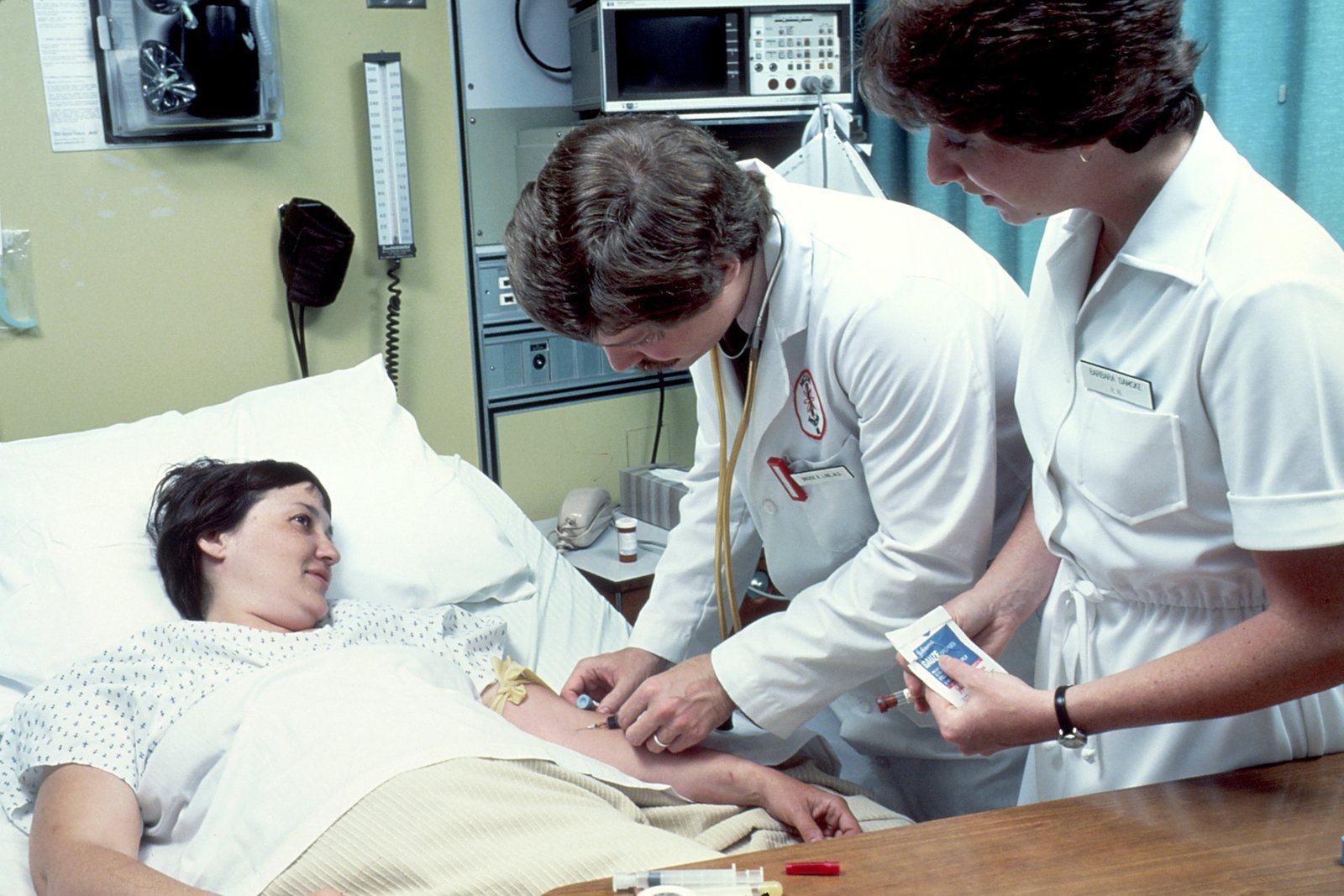
Testosterone is measured with a blood test, usually taken in the morning. 🌅
Morning matters because levels are naturally highest first thing and fall during the day, so a morning sample is the most comparable.
A single low reading does not settle the question. Illness, poor sleep, shift work, and some medicines can all temporarily lower a result.
That is why clinicians normally repeat the test on a different day before confirming anything, and look at your symptoms alongside the numbers.
Normal ranges also vary between laboratories, so there is no single number that means the same thing for everyone — your clinician interprets the result for you.
If the results do point to a deficiency, you may be referred to a hormone specialist, called an endocrinologist, for further checks on the cause.
Please note again: testing is a clinician’s job. Home guesses, online quizzes, and single afternoon readings cannot diagnose low testosterone.
Lifestyle Factors Linked to Testosterone Levels

No single habit “boosts” testosterone on demand, but several everyday factors are strongly linked to lower levels. 🥗
Excess body weight is the strongest everyday link: as weight rises, testosterone tends to fall, and losing weight tends to raise it again.
That connection is part of a wider picture, since obesity and type 2 diabetes are both closely linked to low testosterone.
Sleep matters too. Short or disrupted sleep is linked to lower daytime levels, and sleep apnoea — interrupted breathing during sleep — is a recognised cause worth checking.
Regular exercise helps as well. Strength training and vigorous activity are linked to higher levels than a mostly inactive routine, and exercise also supports a healthy weight.
Heavy or regular drinking, on the other hand, is linked to lower testosterone production over time, and smoking is another habit clinicians advise cutting down.
A balanced, varied diet supports overall health and a healthy weight, which is the honest way food fits into this picture.
No single food has been shown to raise testosterone in a meaningful, lasting way — so be wary of any list that promises otherwise.
For a practical look at building everyday eating and training habits, see our guide on how to gain weight in a healthy, gradual way, which stresses patience over quick promises.
Supplements, Treatment and When to See a Clinician

Products sold as “testosterone boosters” are dietary supplements, not medicines, and most have limited or inconsistent evidence behind them. ⚠️
They are not a substitute for medical care, and some unregulated products have been found to contain hidden steroids or contaminants.
That is why this article recommends no product, no pill, and no dose: if you think your levels may be low, the safe next step is a clinician, not a checkout page.
Prescription testosterone treatment does exist, but only for a confirmed deficiency, decided by a clinician after proper testing and with ongoing blood-test monitoring.
It is not a general energy or muscle tonic, and it can carry risks — including effects on fertility and red blood cell levels — which is why it is never a do-it-yourself decision.
See a clinician promptly if you have persistent low libido or erection problems, unexplained tiredness, low mood, loss of muscle, or fertility difficulties.
Also seek care if you have symptoms plus a condition such as obesity or diabetes, or if you take medicines such as opioids or long-term steroids that can suppress testosterone.
Our protein guide, Best Protein Powders for Strength Athletes, is a useful reminder of the same principle: training and diet support your goals, but they do not replace medical advice.
Frequently Asked Questions
Does testosterone fall with age?
Yes, gradually — roughly 1% a year from around age 30 to 40 — but that slow fall alone rarely causes symptoms.
Can symptoms alone prove low testosterone?
No. The same symptoms have many other causes, so diagnosis needs symptoms plus repeated morning blood tests.
Will a supplement fix low testosterone?
There is no reliable evidence that over-the-counter “booster” products meaningfully raise levels, and they are not a substitute for medical care.
What should I do if I am worried?
Talk to your doctor, describe your symptoms honestly, and ask whether a morning blood test is appropriate for you.
This article is general information only and is not medical advice. If you are concerned about your hormone levels, fertility, mood, or any symptom described here, please speak to a qualified clinician. Supplements are not a substitute for medical care.