

Everyone recognises the look: a strong, defined midsection that shows years of steady training. 💪
But here is the honest starting point — there is no fast version of this goal.
Visible abs are built slowly, through core training, full-body strength work, sensible eating and patience.
This guide replaces our old 2018 article completely. It drops the old “fast” promise and tells you what actually works.
Why Crunches Alone Will Not Reveal Your Abs
Your abdominal muscles sit underneath a layer of body fat. Training them makes them stronger and thicker.
But it does not melt the fat sitting directly on top of them. That is the idea of “spot reduction”.
Research has tested it directly. In one well-known study, six weeks of dedicated abdominal exercise improved endurance but did not reduce belly fat.
In another, training one leg for twelve weeks did not cause extra fat loss from that leg. Fat loss happened across the whole body instead.
So crunches build the muscle, but only an overall drop in body fat reveals it. That is the single most important fact in this guide. 🎯
How Lean Do You Need to Be?
As a broad guide, abs tend to start showing at roughly 10–15% body fat for men and 18–22% for women.
Exact numbers vary by person. Genetics, muscle size and where you store fat all shift the point where abs appear.
Women naturally carry more essential body fat, so visible abs appear at higher percentages for women than for men.
That also means chasing an extremely low body-fat level is not sensible for most people, and it is very hard to maintain.
A strong, healthy core matters far more than a photo-ready six-pack. Keep that perspective from day one. ✅
The Core Moves That Actually Build Your Abs
Good core training mixes two kinds of work: moves that build the abs through a full range of motion, and holds that teach stability.
Here are the staples that earn their place in a routine. Start with good form, not big numbers.
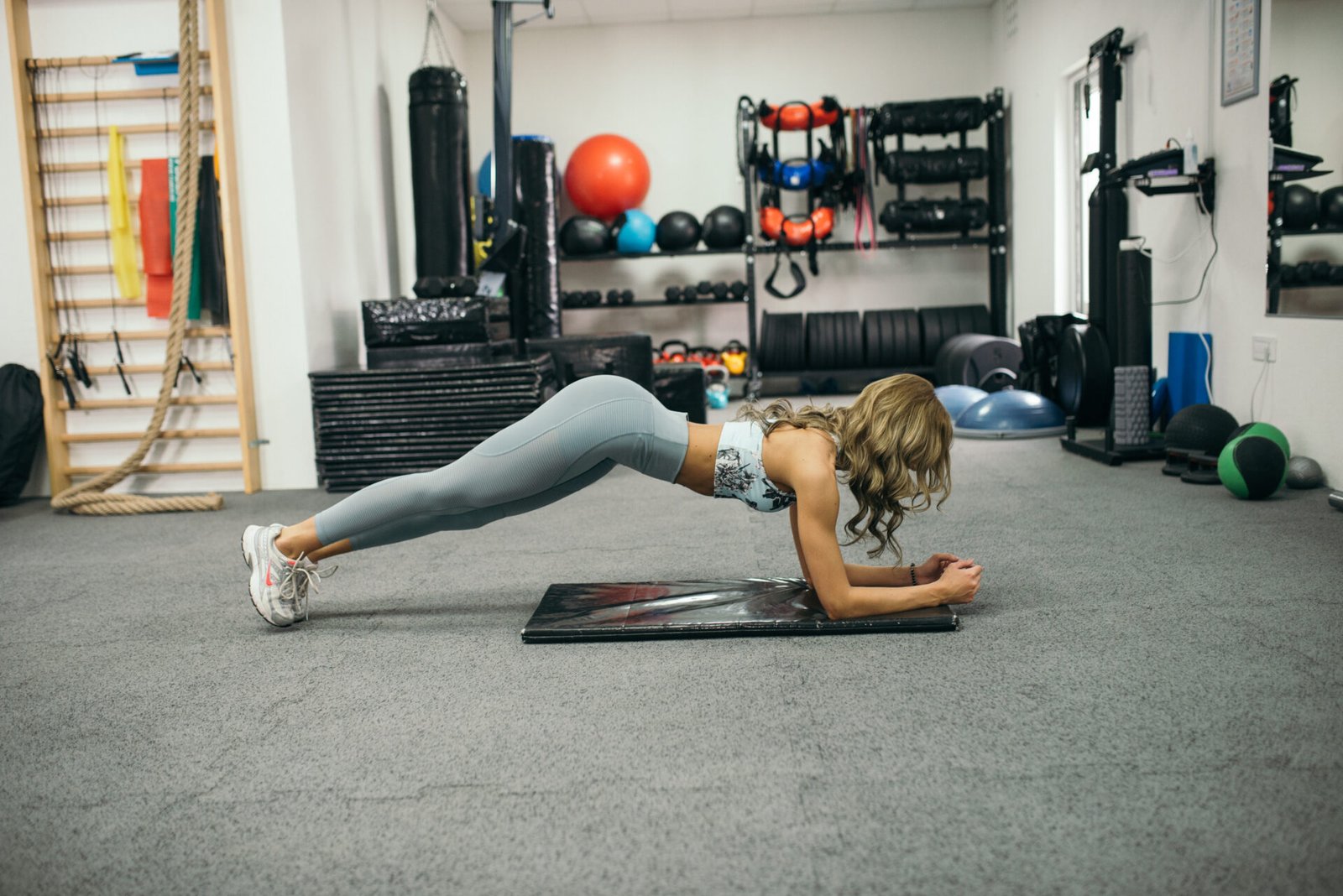
1. Plank
Lie face down, rest on your forearms and toes, and hold your body in one straight line.
Squeeze your glutes, keep your hips level and breathe normally. Stop the set when your hips start to sag.
A short, stiff plank beats a long, saggy one every time. Aim for a few sets of 20–40 seconds to start.
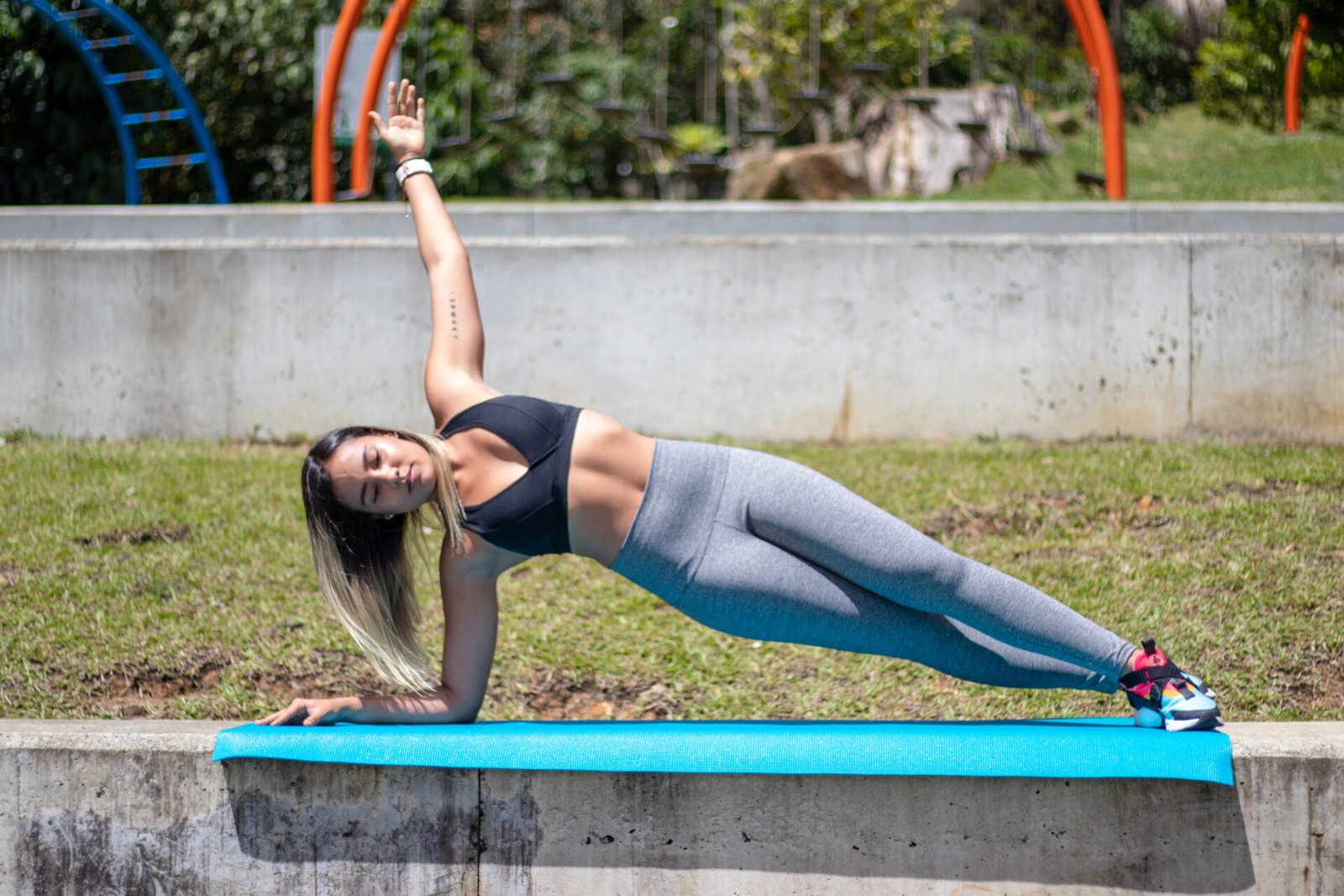
2. Side plank
Lie on your side, prop up on one forearm, and lift your hips so your body forms a straight line.
This trains the obliques — the muscles along the sides of your waist — and your deep stabilisers.
Hold each side for 15–30 seconds, rest, and repeat. Keep your hips lifted, not sinking toward the floor.
3. Crunch
Lie on your back with knees bent and feet flat. Curl your shoulders gently off the floor, then lower back down slowly.
Keep the movement small and controlled. There is no need to sit all the way up or yank on your neck.
Try 2–3 sets of 10–15 slow, clean reps. If your neck hurts, your hands are probably pulling too hard.
4. Bicycle crunch
From the same lying position, bring one elbow toward the opposite knee while extending the other leg.
Alternate sides slowly, twisting through your torso rather than rushing through reps.
This move works the upper abs and the obliques together, which is why it is so popular.
5. Dead bug
Lie on your back with arms reaching up and knees bent at 90 degrees. Press your lower back gently into the floor.
Slowly extend one arm and the opposite leg, then return and switch sides.
If your back arches, you have gone too far. Shorten the range and keep the back flat — that control is the whole point.
6. Lying leg raise
Lie flat with your legs straight. Raise them slowly until they point upward, then lower them just as slowly.
Stop lowering before your back starts to arch. That arch means your core has switched off.
Try 2–3 sets of 8–12 controlled reps. Slow lowering matters more than lifting high.
Train your core two or three times a week, with rest days between sessions, and add reps or difficulty gradually over time.
Eating for Fat Loss, Without Starving Yourself
Fat loss comes from a modest, sustained calorie deficit — eating slightly less energy than you use, over weeks and months.
Crash diets and skipping meals usually backfire. Hunger, fatigue and muscle loss follow, and the weight returns.
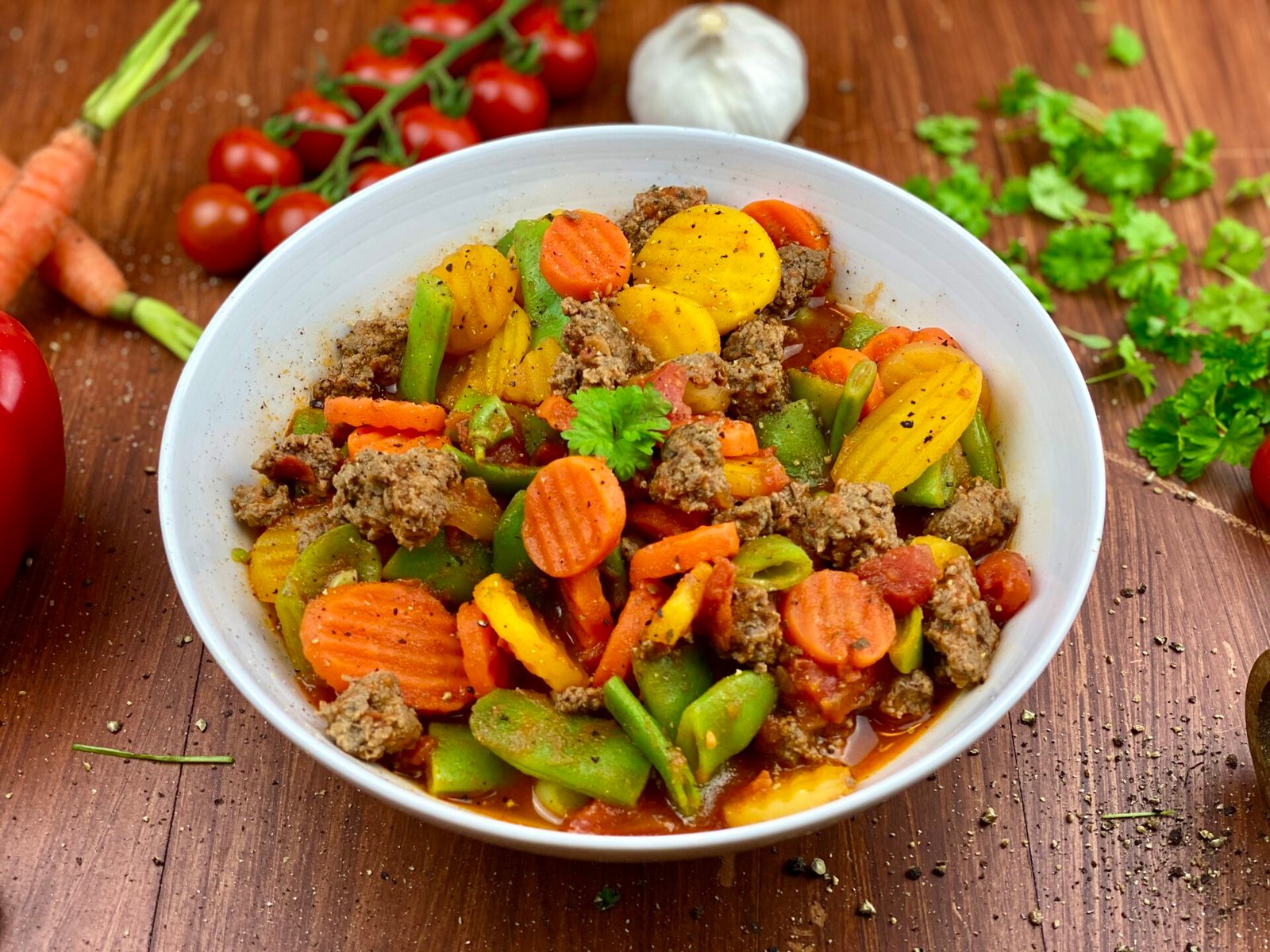
Build your meals around protein-rich foods such as eggs, fish, chicken, beans, lentils and yoghurt. Protein helps you feel full and protects muscle while you lose fat.
Fill the rest of your plate with vegetables, fruit, whole grains and healthy fats from nuts, seeds and olive oil.
Cut back on sugary drinks, alcohol and heavily processed snacks. These add calories fast without keeping you full.
Drink water through the day and get enough sleep. Poor sleep makes fat loss harder and hunger stronger. 🥗
There are no “fat-burning foods” that melt belly fat on their own. Green tea, chilli and celery are fine foods, but they are not shortcuts.
Full-Body Strength and Cardio Do the Heavy Lifting
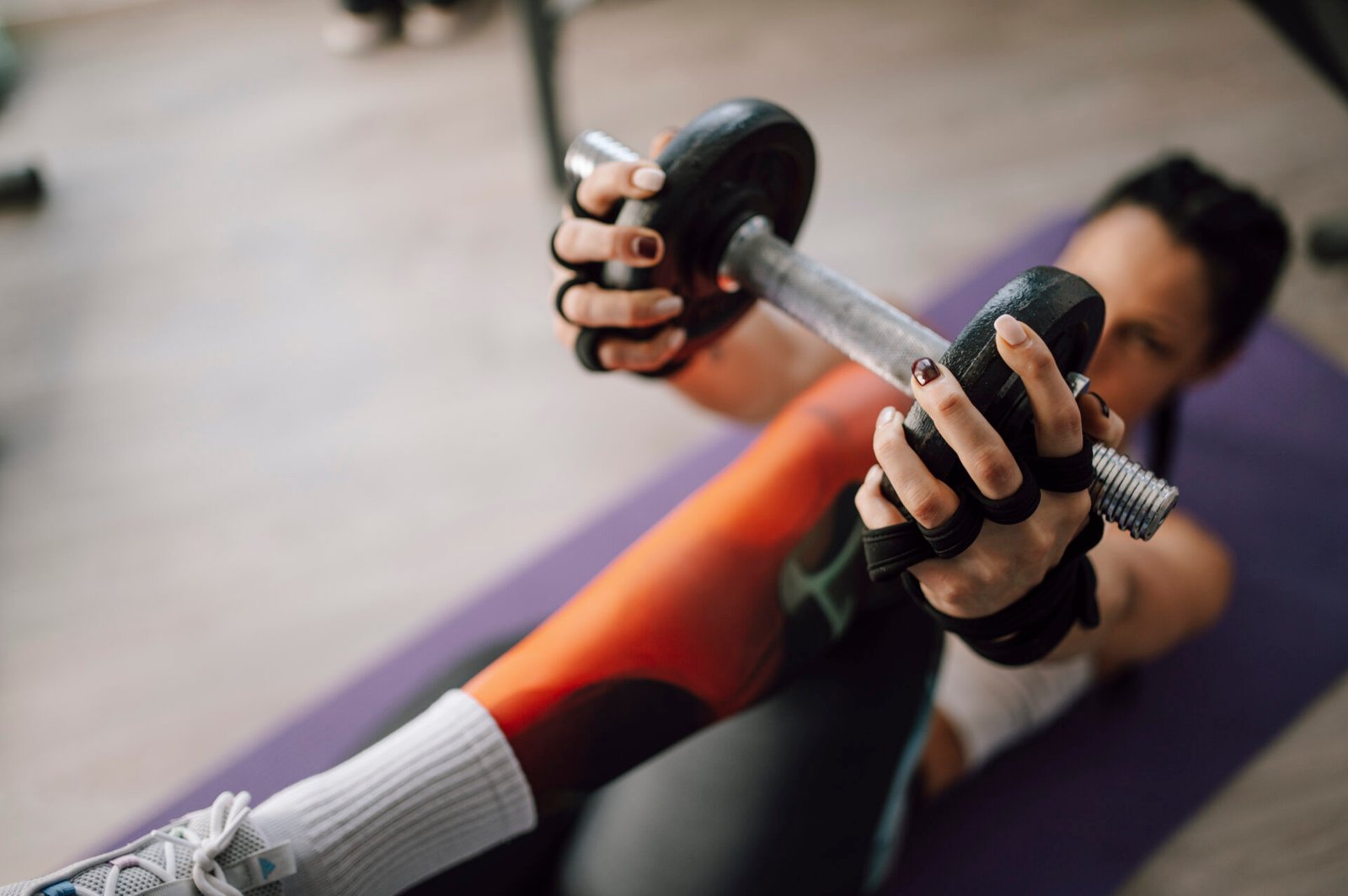
Ab exercises alone burn very few calories. Full-body strength training builds muscle all over, which supports fat loss and a better shape.
Squats, deadlifts, rows, presses and lunges all demand serious core bracing too. Your abs work hard during these lifts.
Learn the basic lifts with light weights first, or with a qualified coach. Good technique protects your back far better than heavy weight with poor form.
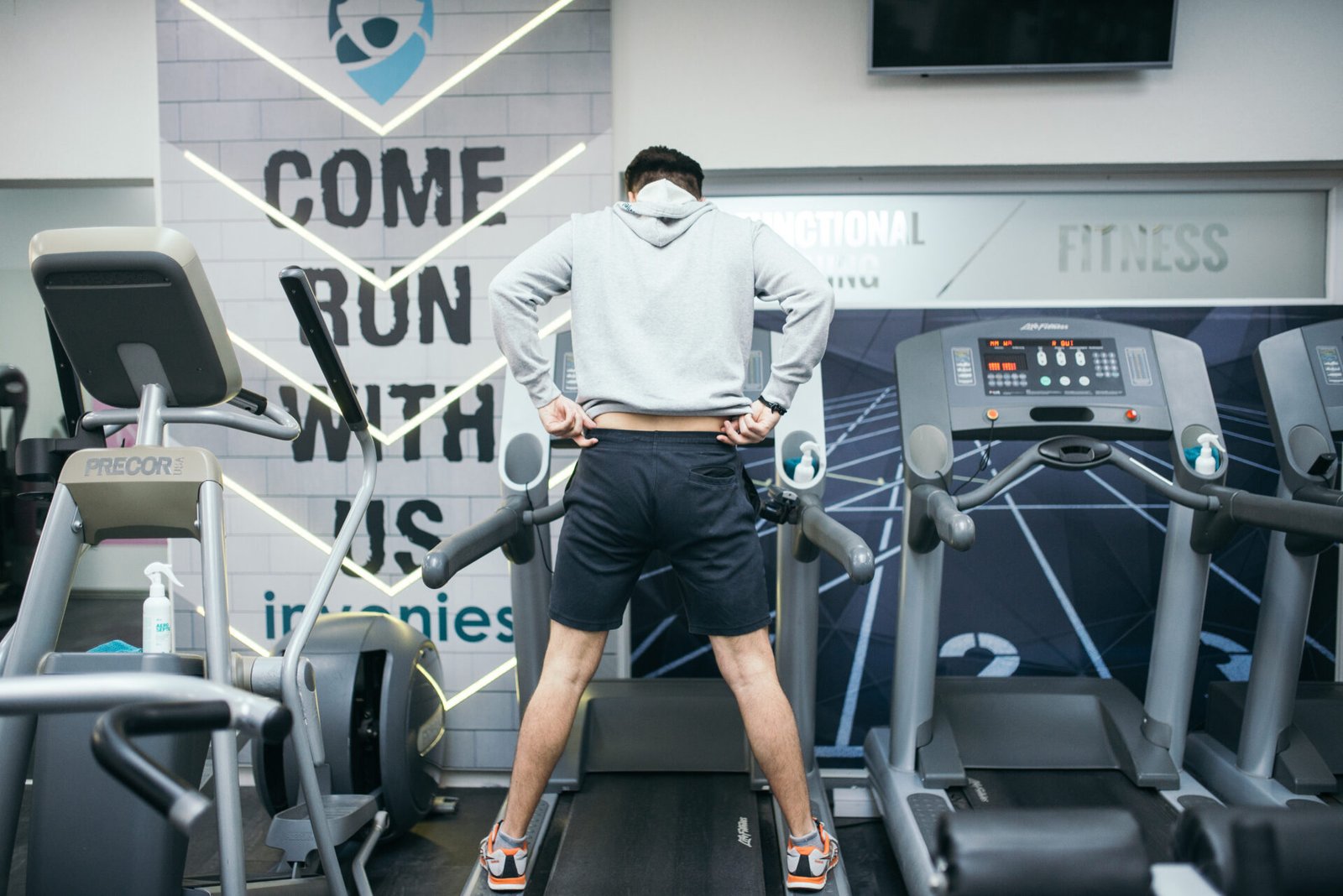
Cardio — walking, running, cycling, swimming or sports — adds to your daily energy use and supports heart health.
Brisk walking counts. You do not need punishing interval sessions every day to make progress.
Mix a few strength sessions with regular cardio each week, and keep it enjoyable enough to repeat for months. 🏃
That combination — strength, cardio and core work — is what changes your body over time, not any single ab exercise.
A Simple Weekly Shape (and Your Questions Answered)
Here is one sensible shape for a week, not a personalised plan. Adjust it to your fitness level and schedule.
Two or three full-body strength sessions, two or three cardio sessions, and short core work after two of those sessions.
Rest at least one full day each week. Muscles recover and grow between sessions, not during them.
This is general fitness information only. Start sensibly, progress gradually, and seek qualified coaching if you have pain, an injury or a health condition.
How long does it take to get visible abs?
For most people, months — not days or weeks. The exact time depends on your starting body fat and how consistently you train and eat.
Someone already fairly lean may see changes in a couple of months. Someone starting further away may need six to twelve months or more.
That is normal, not failure. Steady progress beats a frantic month followed by burnout.
Can I target belly fat with ab exercises?
No. Spot reduction does not work. Ab exercises strengthen the muscles underneath, but fat comes off across the whole body.
Belly fat is often the last to go, especially for men. Patience matters more than extra crunches.
Do I need supplements or special equipment?
No. This guide makes no supplement claims, and you can train your core at home with just a mat.
A gym adds weights and machines, but it is not a requirement. Consistency beats equipment every time.
Can women build six-pack abs?
Yes, women can build strong, visible abdominal muscles. The training principles are exactly the same as for men.
Women simply reach visible abs at higher body-fat percentages, and very low levels are harder to sustain. Health comes first.
Keep Going, the Steady Way
Forget the old promise of fast abs. The real formula is unglamorous: train your core, lift weights, move often and eat sensibly.
Track simple things — your sessions, your sleep and your waist measurement — instead of staring at the mirror daily.
Progress will be slow, then suddenly visible. That is how it works for almost everyone. 🌟
For more on fuelling strength training, see our guide to protein powders for strength athletes, and for inspiration from a champion’s career, read the Jay Cutler biography.