

Belly fat is one of the most common fitness worries — and one of the most misunderstood. 💭
The honest truth is simple: there is no shortcut, no single exercise, and no drink that trims your waist on its own.
What does work is far less dramatic, but far more reliable: steady movement, balanced eating, enough sleep, and patience over months, not days.
This guide explains what belly fat is, why spot reduction does not work, and how to build habits you can actually keep. 🌱
It is general health information only, not medical advice. If you have a health condition, take medication, or notice unexplained symptoms such as sudden weight change, pain, or swelling, speak to a clinician before changing your diet or exercise routine.
What Belly Fat Actually Is — and Why It Matters

Belly fat comes in two main forms. Some sits just under the skin, where you can pinch it.
The other kind, visceral fat, sits deeper, around organs such as the liver. It is this deeper fat that health experts link most closely with higher risks of type 2 diabetes, high blood pressure, and heart disease. ❤️
That is why waist size is often used as a rough health check alongside weight. A larger waist can signal more fat around the organs, even in people whose overall weight looks average.
Public guidance in the UK points to added risk when waist size reaches around 94 cm (37 in) for men or 80 cm (31.5 in) for women, with higher risk above 102 cm (40 in) for men or 88 cm (34.5 in) for women.
Those numbers are a prompt to look at your habits, not a verdict on your worth. Bodies differ, and a single measurement never tells the whole story.
The Myth of Spot Reduction
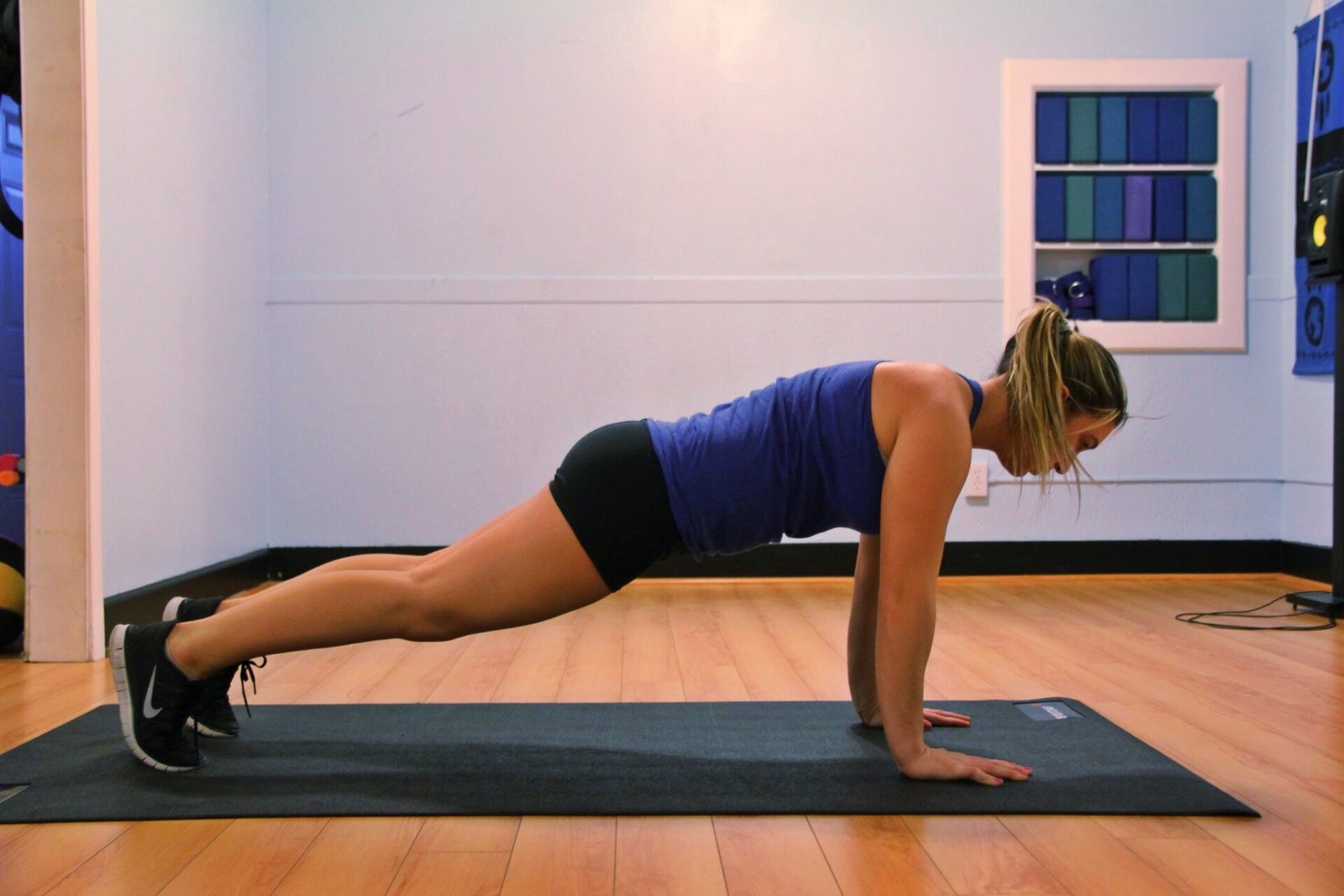
Spot reduction is the idea that exercising one area burns the fat covering it. It sounds logical — but research has repeatedly shown it does not work that way. 🚫
In a six-week study published in 2011, people who did abdominal exercises improved their core endurance — yet showed no significant difference in belly fat compared with a control group (Vispute et al., 2011).
A twelve-week study from 2013 trained only one leg and found the same pattern: fat loss happened across the body, not mainly in the trained leg (Ramírez-Campillo et al., 2013).
Your body decides where fat comes from, guided by hormones and genetics — not by which muscle you just worked.
That means crunches alone will not shrink your waist, however many you do. They still have value, as the next sections explain — just not the value old articles promised them.
Exercise That Supports Overall Fat Loss
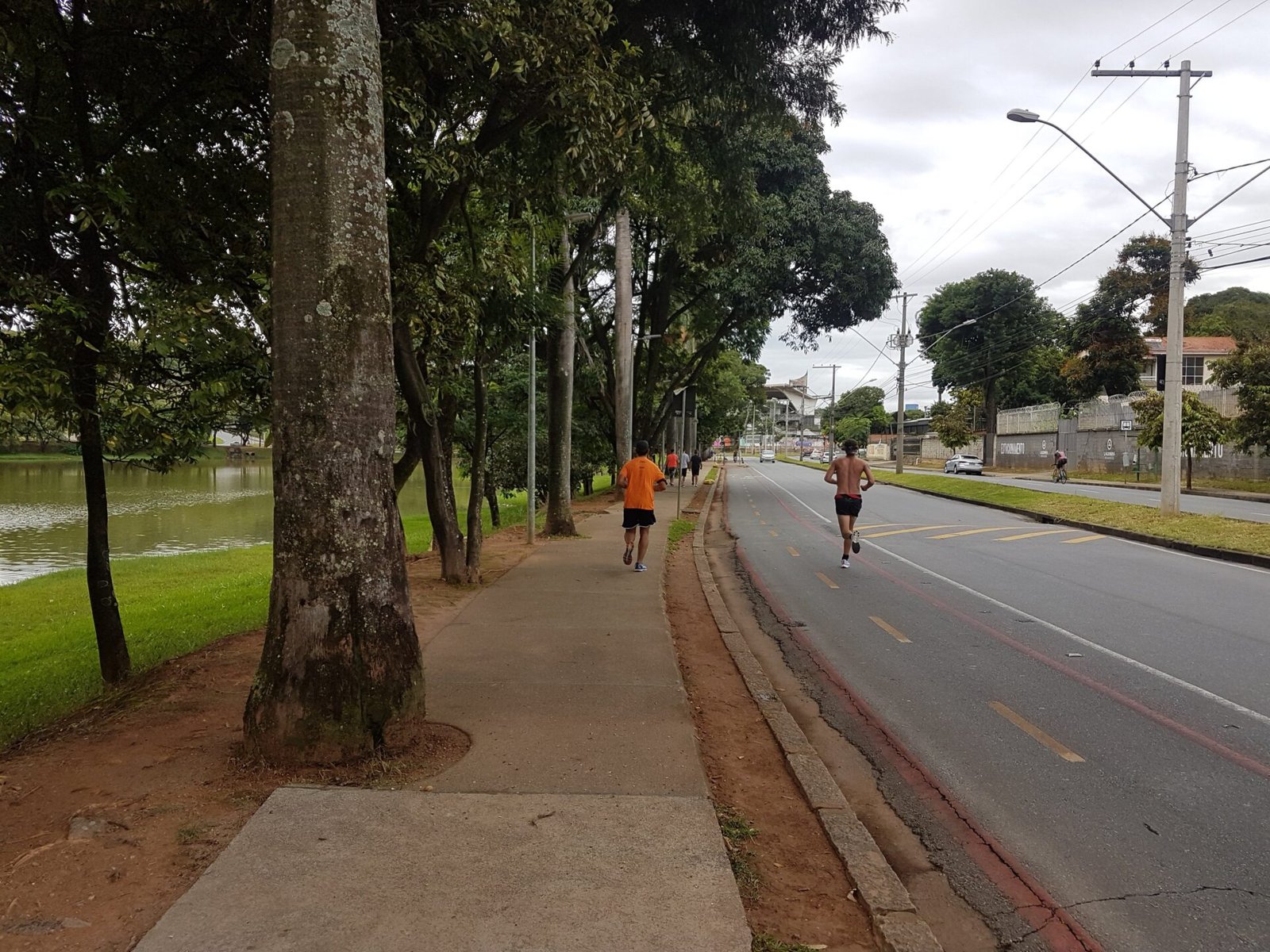
Fat loss happens across the whole body when you regularly use more energy than you take in. Exercise helps by raising energy use, keeping muscle, and supporting heart health. 🏃
Public-health guidance for adults points to at least 150 minutes of moderate activity a week — such as brisk walking or cycling — or 75 minutes of vigorous activity, such as running, plus muscle-strengthening activity on at least two days.
You do not need to start there. A daily brisk walk, a bike ride, or a swim all count, and short sessions add up.
Whole-body movements such as burpees, kettlebell swings, and rowing can be useful because they use many muscles at once. They support overall fitness — they do not target belly fat specifically.
The best exercise is the one you will repeat. Pick activities you enjoy, build up gradually, and rest when your body asks for it. 💪
For a broader look at building steady habits, see our guide How to Lose Weight Sustainably: A Steady, Healthy Guide.
Core Training: Stronger, Not “Melted”
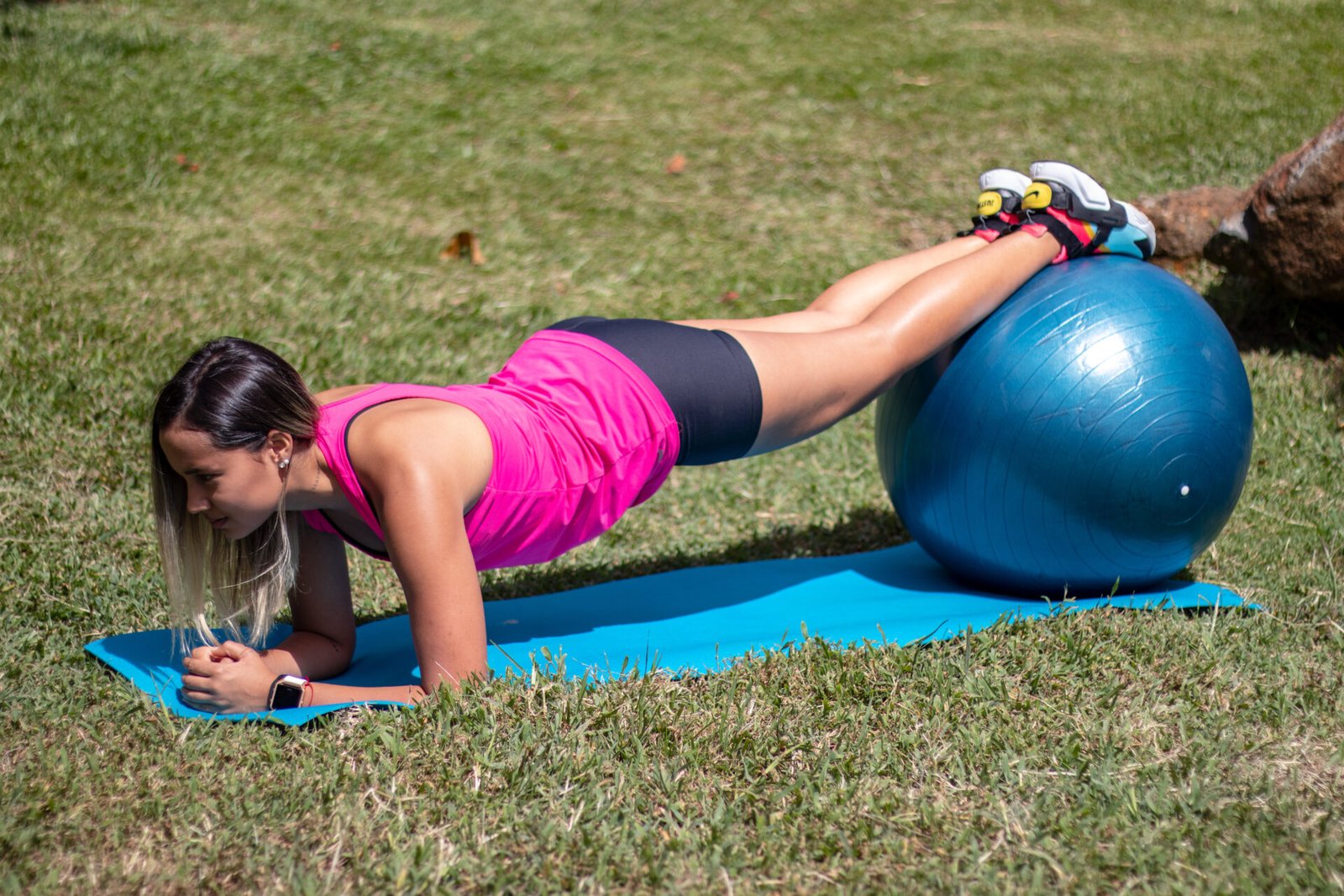
Core training is still worth doing — for strength, posture, and stability, not for melting fat off your stomach.
Planks build the deep muscles that keep your trunk steady. Start with short, good-form holds and build up slowly, rather than chasing long times with a sagging back.
Crunches and similar moves strengthen the abdominal muscles underneath any fat. Stronger abs can improve how your midsection feels and performs, even before any visible change.
Balance matters too. Side planks, slow controlled curls, and leg raises all work the core from different angles — but none of them burns fat from one spot.
Think of core work as building the foundation, while overall activity and eating habits do the gradual work of fat loss. 🧱
Our guide How to Build Six Pack Abs for Men & Women (2026) explains this same honest picture in more detail.
Eating Habits for Steady, Sustainable Fat Loss

No single food causes fat loss on its own — and no drink melts fat away. Claims about “fat-melting” teas, detox smoothies, or miracle recipes are marketing, not science. 🥦
What supports steady fat loss is the overall pattern: plenty of vegetables, fruits, whole grains, and lean protein, with portions that leave you satisfied rather than stuffed.
Choosing water or unsweetened drinks over sugary ones is a simple everyday swap that helps, because sugary drinks add energy without filling you up.
Planning meals, eating slowly, and keeping tempting snacks out of easy reach all help more than any strict rule. Small, repeatable changes beat dramatic diets that last a week.
Skipping meals or cutting out whole food groups is not required — and it often backfires by leaving you hungry, tired, and more likely to overeat later.
For morning meal ideas that fit this pattern, see Best Breakfast Foods for Weight Loss (2026).
Sleep, Stress, and Staying Consistent
Sleep and stress quietly shape appetite and energy. When you are tired or stressed, sugary snacks look more appealing and workouts feel harder. 😴
A regular sleep routine, a wind-down hour without screens, and a morning walk in daylight are small steps that support both mood and consistency.
Stress itself does not need a special test or a special cure. Everyday tools — walking, talking with friends, and keeping a regular routine — help most people more than any supplement.
Progress will not be a straight line. Some weeks the scale barely moves, and that is normal — fat loss is measured in months, not in single workouts.
Track habits, not just weight: how many walks you took, how often you cooked at home, how well you slept. Those are the things you can control. 📋
Can I lose belly fat without exercise?
Eating habits matter most for fat loss, but movement protects muscle, mood, and heart health along the way. A mix of both works better than either alone.
How long does it take to see a difference?
It varies a lot from person to person, and no honest guide can promise a timeline. Public-health guidance describes a steady pace of around 1–2 pounds a week as sustainable for many adults — and even that varies.
Do I need supplements or special drinks?
No. No pill, powder, or drink is needed for fat loss, and none is recommended here. Balanced food, movement, sleep, and patience do the real work.
Belly fat did not appear overnight, and it will not leave overnight either. Be patient with yourself, keep the habits small and steady, and let time do what quick fixes never could. 🌿