

Belly fat is one of the most common fitness frustrations. 😅
It is also one of the most misunderstood — because most articles promise that a few ab exercises will melt it away in weeks.
Here is the honest version: no exercise burns fat from one chosen spot on its own. The eight moves below still matter a great deal, because they build a stronger core, raise your daily activity, and support overall fat loss when combined with sensible eating and enough sleep.
This is general fitness information, not medical advice. If you have pain, an injury, a heart condition, or any health condition, check with your clinician or physiotherapist before starting a new routine.
Can You Target Belly Fat With Exercise?
Short answer: no, not in any way you can rely on. 💡
When you exercise, your body draws energy from fat stores all over the body. Working your abs makes your abs stronger — it does not order your body to burn the fat sitting on top of them first.
Two well-known studies make the point plainly. In 2011, Vispute and colleagues had volunteers do seven abdominal exercises five days a week for six weeks. Their ab endurance improved, but their abdominal fat, waist size, and body fat percentage did not change significantly.
In 2013, Ramírez-Campillo and colleagues trained volunteers on one leg only for twelve weeks. Fat loss happened — but not in the trained leg. It showed up mainly in the trunk and upper body, which is the opposite of what spot reduction would predict.
So what actually shrinks a waistline over time? A sustained, modest energy deficit from food and activity, more daily movement, strength work for the whole body, and patience. Belly fat is often simply the last to go, and that is normal, not a sign that you are doing something wrong.
One honest footnote: a small 2023 trial reported a local fat effect from abdominal aerobic endurance exercise in men only. It is interesting, but it is one small study — not a basis for promising targeted fat loss, and this article does not rely on it.
How To Use This List
Pick three or four core moves and two cardio options you actually enjoy. 🏋️
Do the core work two or three days a week, with a rest day in between, and build your cardio gradually toward the World Health Organization’s adult guide of 150 to 300 minutes of moderate activity a week, plus muscle-strengthening activity on two or more days.
Start at the easy end of every range below. Good form with fewer reps always beats sloppy form with more.
Core Strength Moves
1. Crunch
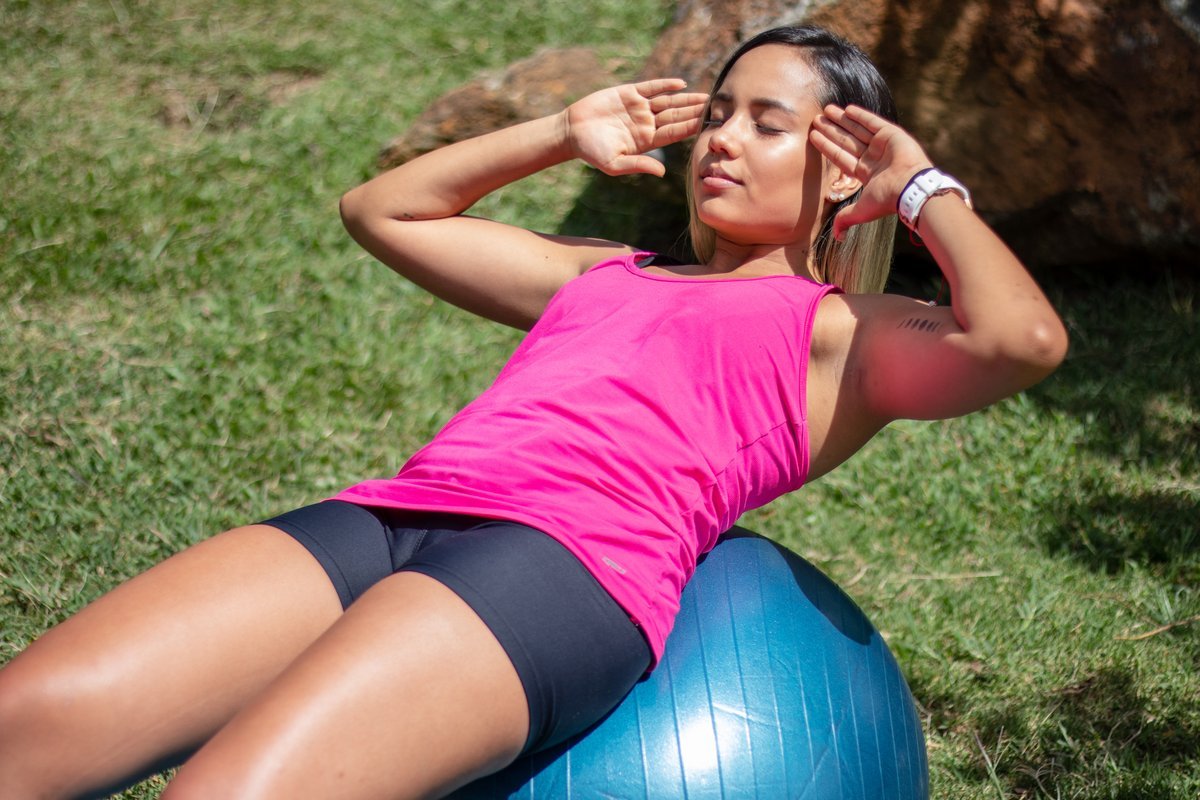
Lie on your back with your knees bent and feet flat on the floor. Rest your fingertips lightly beside your head, without pulling on your neck.
Curl your shoulders a few inches off the floor, breathe out as you lift, then lower slowly. A good starting range is two sets of 10 to 15 reps.
Keep the movement small and controlled. If your neck or lower back complains, shorten the range or stop — pain is a signal, not a challenge.
2. Plank
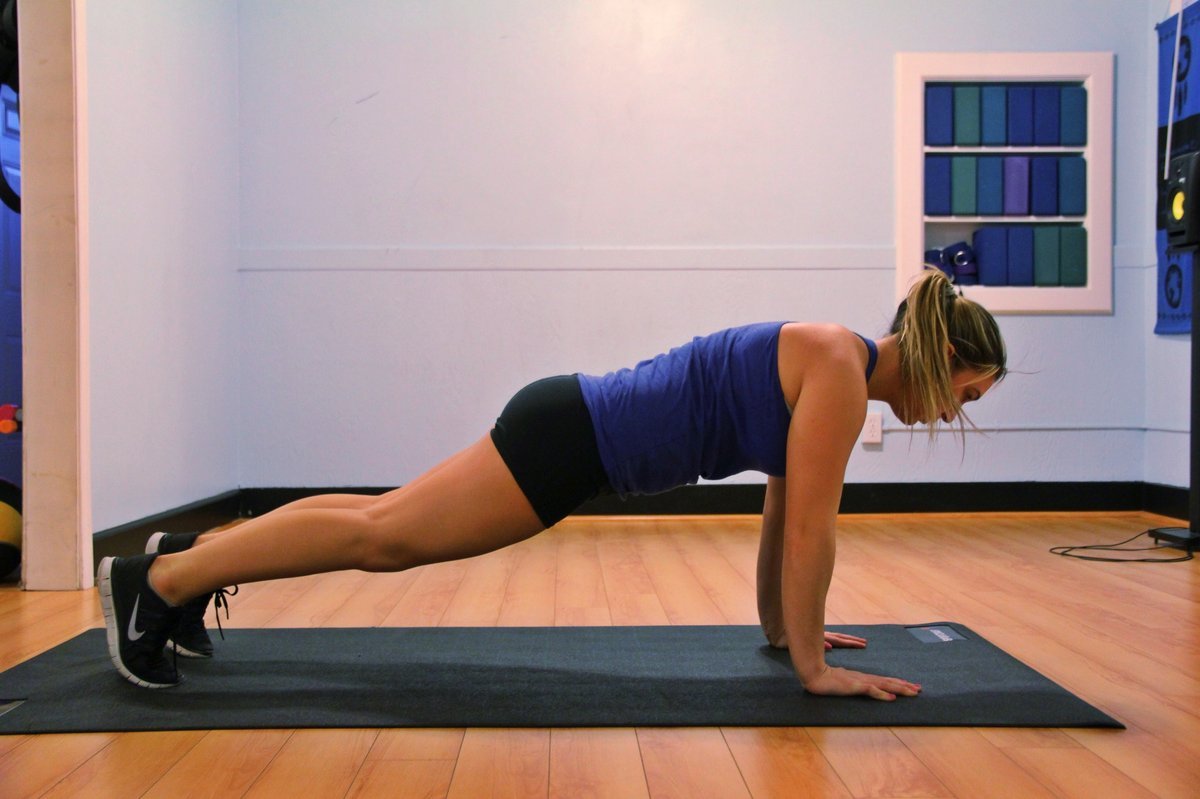
Start face down, then rise onto your forearms or hands and toes with your body in one long line. Keep breathing — never hold your breath through a plank.
A good starting range is two or three holds of 20 to 30 seconds. Stop the moment your hips sag or your lower back takes over.
The plank trains the whole core as a brace, which is why it carries over to lifting, running, and everyday movement far better than crunches alone.
3. Side Plank
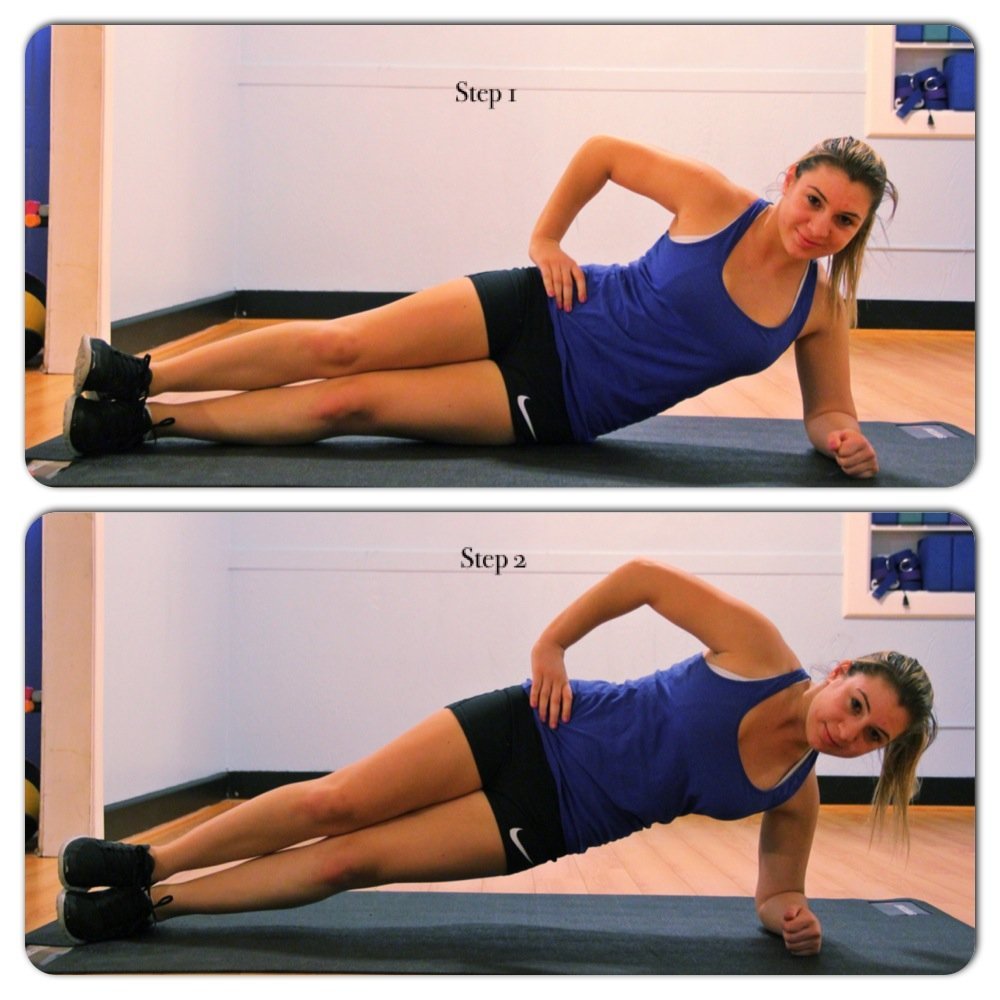
Lie on your side, prop up on your forearm, and lift your hips until your body forms a straight line. Keep your top hand on your hip or raised for balance.
A good starting range is 15 to 30 seconds per side, repeated twice. Bending your knees makes it easier; stacking your feet makes it harder.
This one targets the obliques, the muscles along your sides, and it is a simple way to balance out the front-only work of crunches.
4. Bicycle Crunch
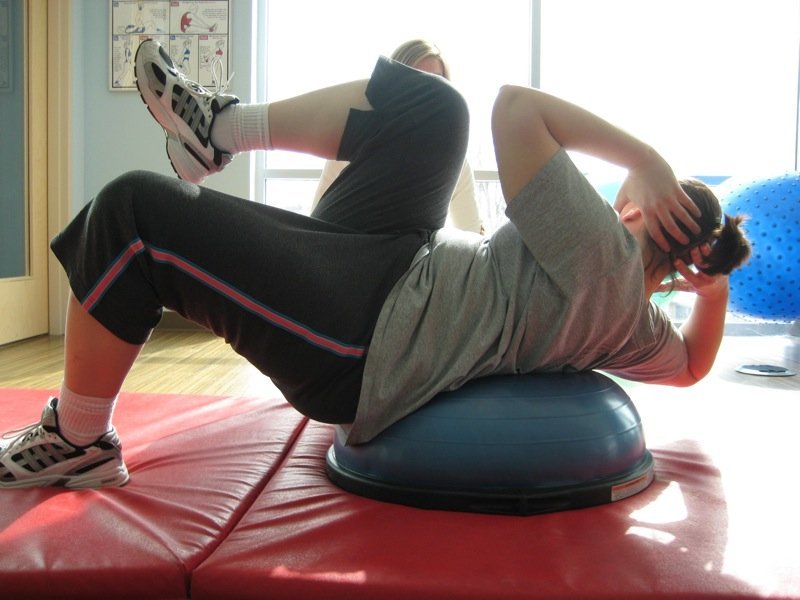
Lie on your back, lift your shoulders slightly, and bring one elbow toward the opposite knee while the other leg extends. Then switch sides in a slow, pedalling rhythm.
A good starting range is two sets of 10 to 12 reps per side. Slow beats fast here — rushing turns it into a neck workout.
Because it combines a crunch with rotation, it works both the front abs and the obliques in a single move.
Cardio Moves That Raise Your Activity
Cardio does not “burn belly fat” directly either. It raises your overall energy use, improves heart health, and makes a calorie deficit easier to sustain — which is exactly how body fat, including belly fat, comes down over time. ❤️
5. Brisk Walking

Brisk walking is the most underrated fat-loss tool there is. It needs no gym, no kit, and almost anyone can start today.
Aim for a pace where you can talk but not sing, starting with 20 to 30 minutes most days. Build toward longer walks rather than forcing speed early.
Walking after meals, taking the stairs, and parking further away all count. Small daily additions add up faster than one heroic weekend walk.
6. Running and Jogging
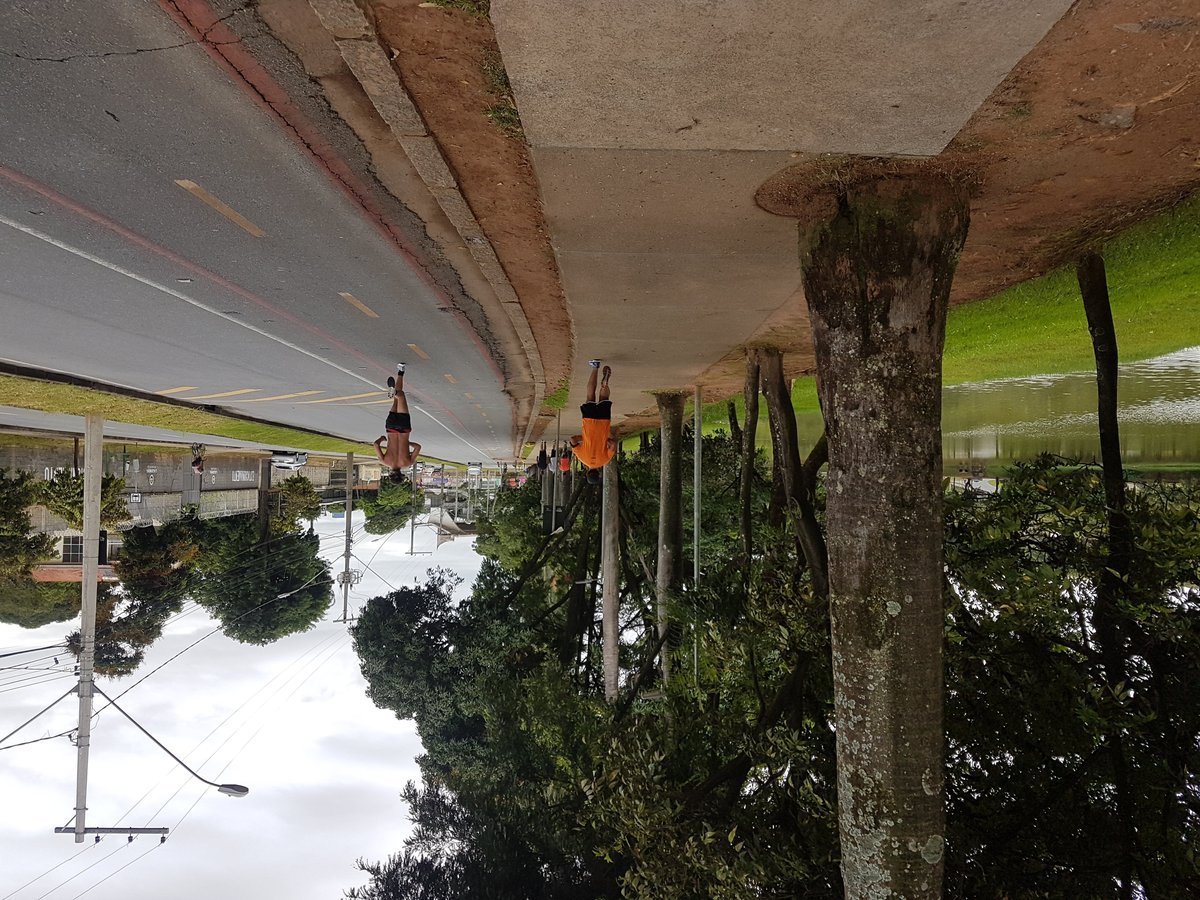
Running burns more energy per minute than walking, which makes it efficient — but it also loads your joints, so build up slowly.
Beginners do well with a run-walk mix: one minute of easy jogging followed by two minutes of walking, repeated for 20 minutes. Lengthen the running bits week by week.
Good shoes and soft surfaces help. Sharp knee, shin, or foot pain means back off and get advice, not push through it.
7. Cycling
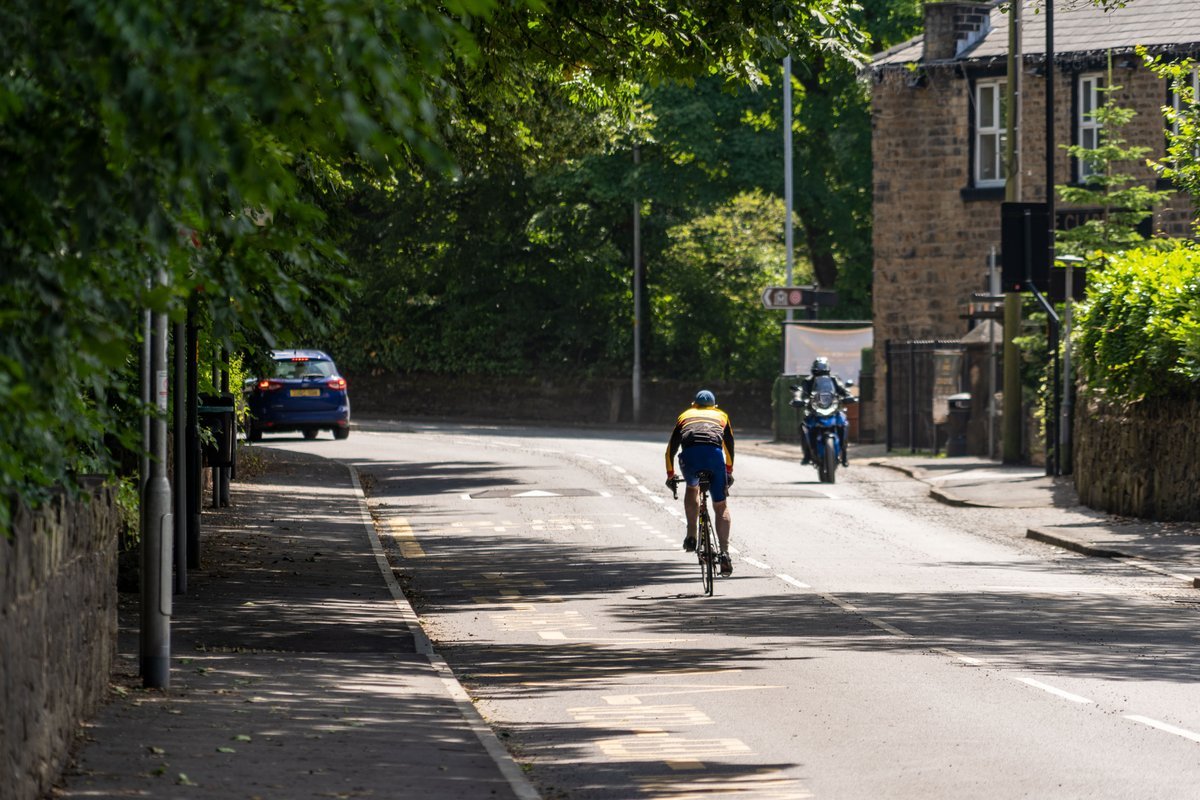
Cycling is kind to the knees and easy to fit into daily life — commuting, errands, or a weekend ride all count as training.
A good starting range is 20 to 40 minutes at a comfortable pace, two or three times a week. Hills and headwinds will raise the effort naturally.
Wear a helmet, make sure the saddle height lets your knee bend slightly at the bottom of each pedal stroke, and ride where you feel safe.
8. Swimming
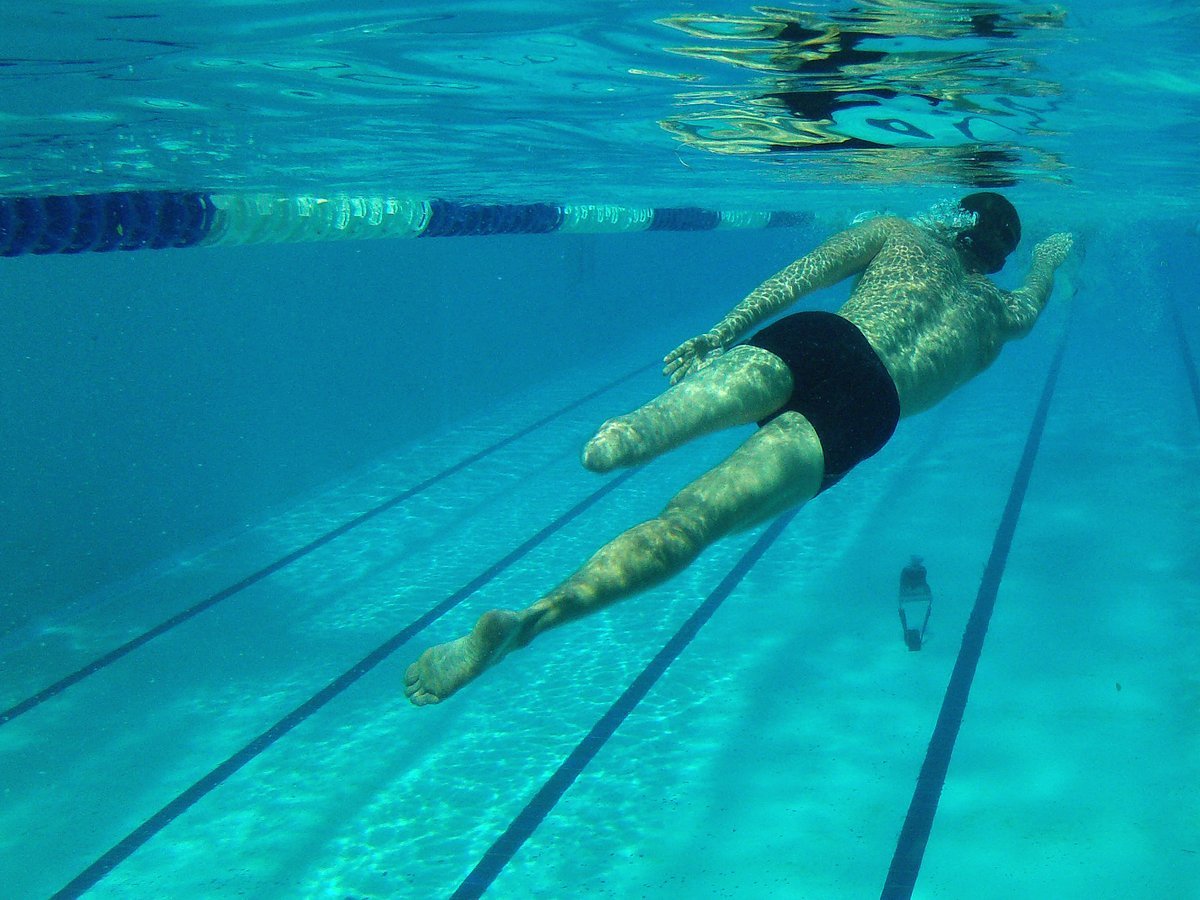
Swimming works the whole body with almost no joint impact, which makes it a strong choice if running bothers your knees or back. 🏊
A good starting range is 20 to 30 minutes of easy laps with rest breaks whenever you need them. Any stroke counts — freestyle, breaststroke, or a mix.
Because water supports your weight, it is also a sensible option for people returning to exercise after a long break, with a clinician’s okay where needed.
A Simple Weekly Plan
Here is one way to put it together without overthinking it. 🗓️
On Monday and Thursday, do two core moves — for example plank and side plank — plus a 20-minute brisk walk. On Tuesday and Saturday, do your chosen cardio for 30 minutes.
On Wednesday, rest or walk gently. On Sunday, try a longer walk or swim, and leave at least one full rest day in the week.
Progress slowly: add five minutes to a walk, five seconds to a plank, or a couple of reps to a crunch every week or two. Consistency beats intensity, every time.
What About Food?
Exercise alone rarely changes a waistline, because it is easy to eat back the energy a workout used. You do not need a strict diet — but a few habits help.
Eat mostly whole foods, keep portions honest, watch liquid calories like sugary drinks, and aim for enough protein and fibre to stay full. Sleep matters too: tired people move less and snack more.
If you want a fuller guide to the eating side, read our companion article on how to burn belly fat and our guide to how to lose weight — both take the same no-shortcuts approach.
Safety First
Stop and seek advice if you feel sharp pain, dizziness, chest pain, or anything that feels wrong. Muscle effort is normal; joint pain, numbness, and breathlessness that does not settle are not.
If you are pregnant, have recently had a baby, have diastasis recti (a gap in the abdominal muscles), back problems, or any ongoing health condition, talk to your clinician or physiotherapist about which core moves suit you before starting.
Core strength is worth building at any age — and for a stronger midsection overall, see also our six-pack abs guide and a balanced upper-body session like our triceps workout.
Frequently Asked Questions
Do crunches burn belly fat?
No — crunches strengthen your abdominal muscles, but they do not selectively burn the fat covering them. Fat loss comes from an overall energy deficit, and where your body loses fat first is largely decided by genetics.
How long does it take to see a difference?
Strength and stamina improve within a few weeks, but visible waistline change usually takes months of steady activity and sensible eating. Anyone promising weeks is selling something, not science.
Is it better to do cardio or core work?
Both, for different reasons. Cardio raises overall energy use; core work builds strength and stability. The combination beats either one alone.
Do I need a gym?
No. Every move in this list except swimming can be done at home or outdoors with no equipment at all — a mat helps, but a carpet works fine.
What if I have back pain?
Skip crunches and sit-ups until you have advice, and favour planks, side planks, walking, and swimming. A physiotherapist can tailor the list to your back.