

Fresh juice can be a tasty way to enjoy fruit and vegetables 🥤 — but it helps to be honest about what a glass of juice actually is, and what it is not.
This guide looks at ten familiar fruit and vegetable juices as part of a balanced diet. None of them removes toxins from your body, and none of them causes weight loss on its own.
Your liver and kidneys already handle waste removal around the clock, and no juice, tea or short cleanse has been shown to improve on that job. Reviews of detox diets have found insufficient evidence that they improve toxin elimination.
Weight, meanwhile, comes down to your overall eating pattern over time — not to any single drink. A juice can fit into a healthy pattern, but it cannot carry one by itself.
Juicing also changes the food itself. Turning whole fruit into juice removes most of its fibre and frees up its sugars, so juice is much easier to drink in large amounts than the equivalent whole fruit is to eat.
That is why the NHS counts unsweetened 100% juice as at most one portion of your 5 A Day, however much you drink, and suggests a small glass of 150ml a day, taken with a meal to be kinder to your teeth 🦷.
Whole fruit and vegetables still beat juice for fibre and fullness. Think of juice as a small extra, not a replacement for eating your plants — and if you have diabetes or any other health condition, talk to your clinician or dietitian about juice before making it a habit, since juice sugars reach the bloodstream faster without the fibre.
A small glass with breakfast or lunch, made at home from fresh produce with nothing added, is the sensible way to enjoy any of the ideas below. Sweet shop-bought juices and “juice drinks” often carry added sugar, so check the label if you buy rather than make your own.
One more honest note before the list: this article is general nutrition information only, not medical advice. It does not recommend juice fasts, cleanses, or skipping meals in favour of juice.
Carrot Juice 🥕
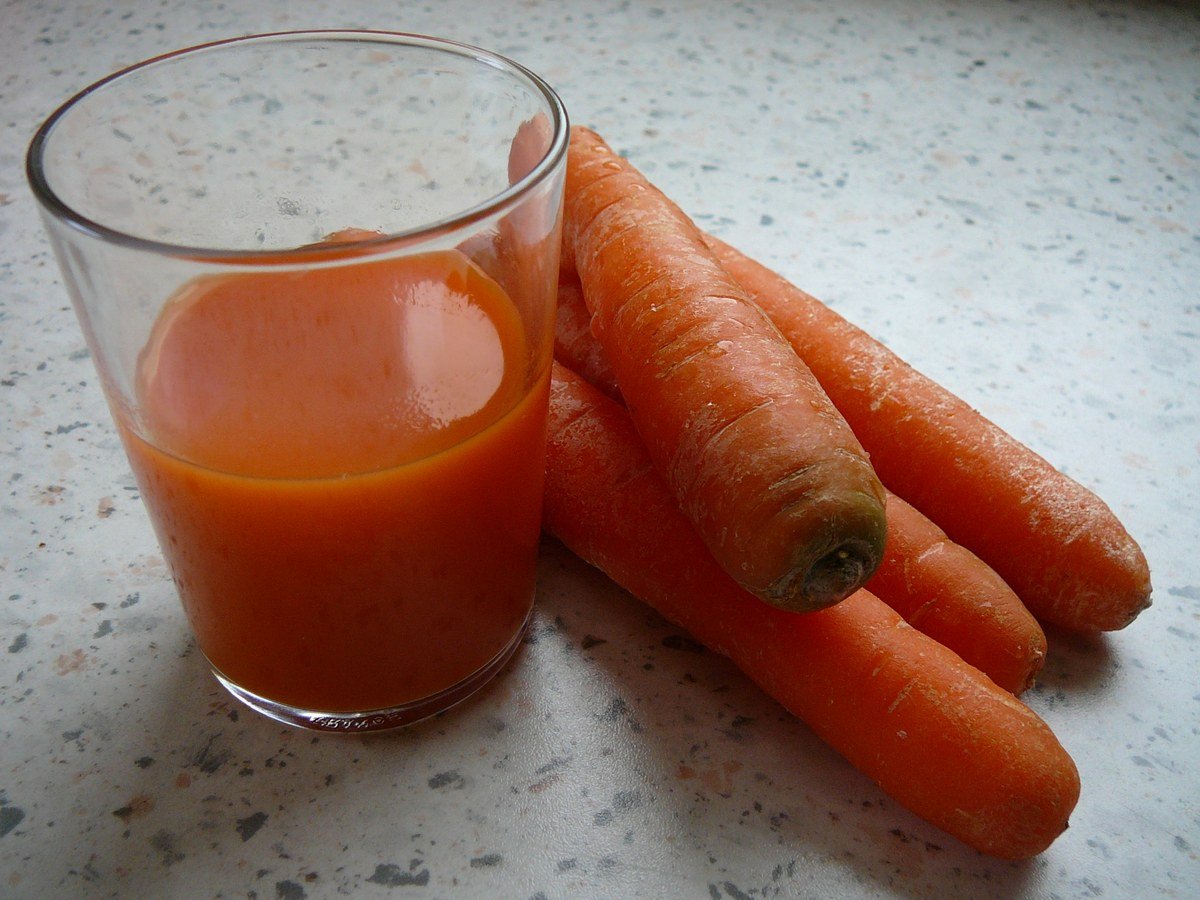
Carrot juice is sweet, earthy and one of the easiest vegetable juices to enjoy. Carrots are a source of beta-carotene, which the body converts into vitamin A.
It is worth knowing the trade-off, though: eating a carrot gives you its fibre, while juicing it leaves most of that fibre behind. A small glass with a meal is plenty.
To make it, wash and chop fresh carrots, blend with a little water, and strain if you prefer a smoother drink. It also blends well with orange or beetroot for a sweeter, deeper flavour.
Bitter Gourd Juice
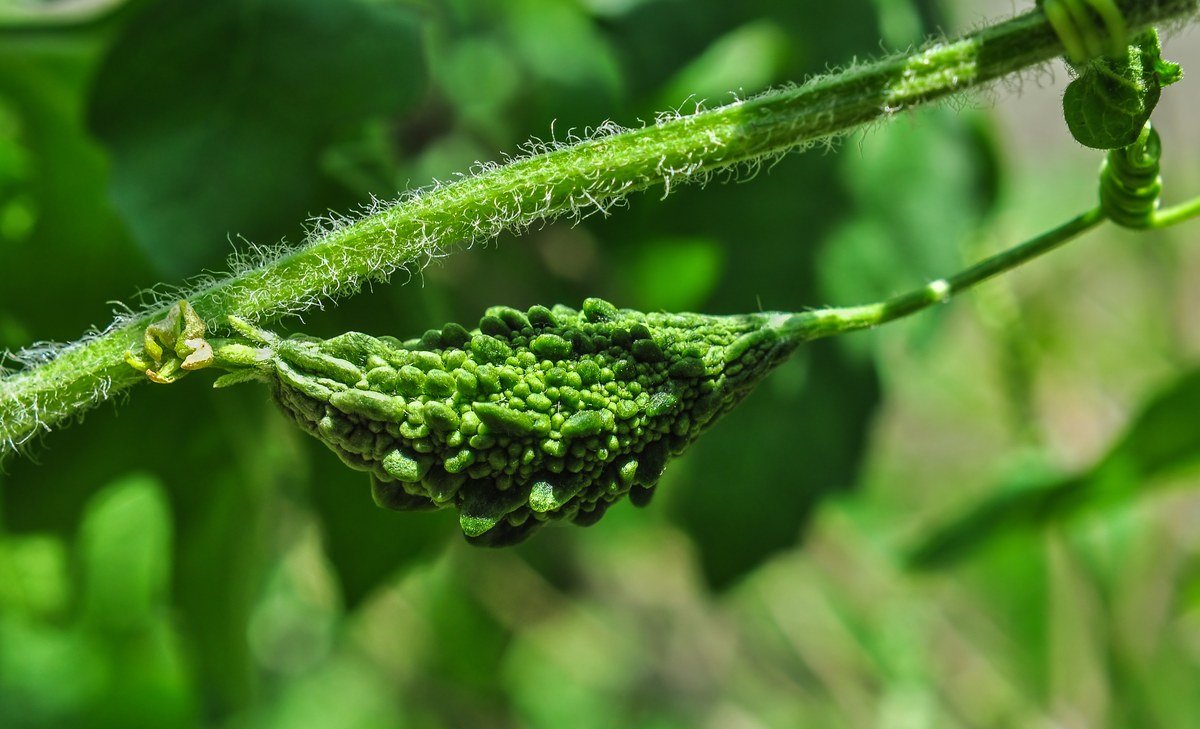
Bitter gourd, also called karela, is an acquired taste — intensely bitter, even when mixed with other juices. It is used in many South Asian kitchens as a vegetable, and its juice is a traditional drink in the same food culture.
Its bitterness is the point to respect: a little goes a long way, and most people prefer it well diluted with milder juices such as apple or carrot. Do not sweeten it heavily, or you undo the point of choosing a vegetable drink.
One caution matters here. If you take medication for diabetes or any other condition, speak to your clinician before drinking bitter gourd juice regularly — this article does not present it as a treatment, and it is not a substitute for prescribed care.
Cucumber Juice 🥒
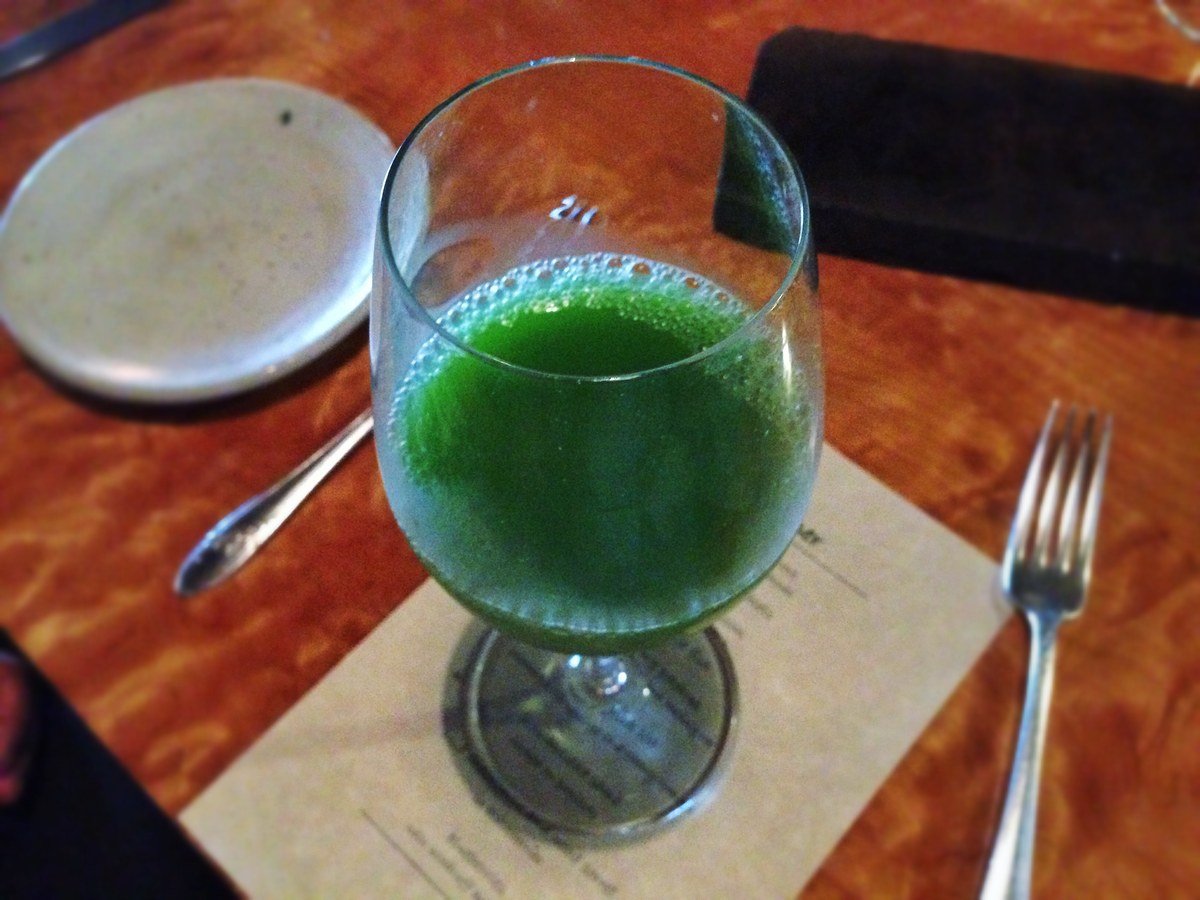
Cucumber juice is light, mild and very refreshing, which makes it a good base for mixing. Cucumbers are mostly water, so the juice is gentle in flavour and easy to drink.
It pairs well with mint, lime or a little apple juice, and it works nicely chilled on a warm day. Keep the portion small, as with any juice, and have it with food rather than as a standalone snack.
Ignore any claim that cucumber juice washes anything out of your body — it does not. It is simply a refreshing vegetable drink, and that is enough.
Amla Juice
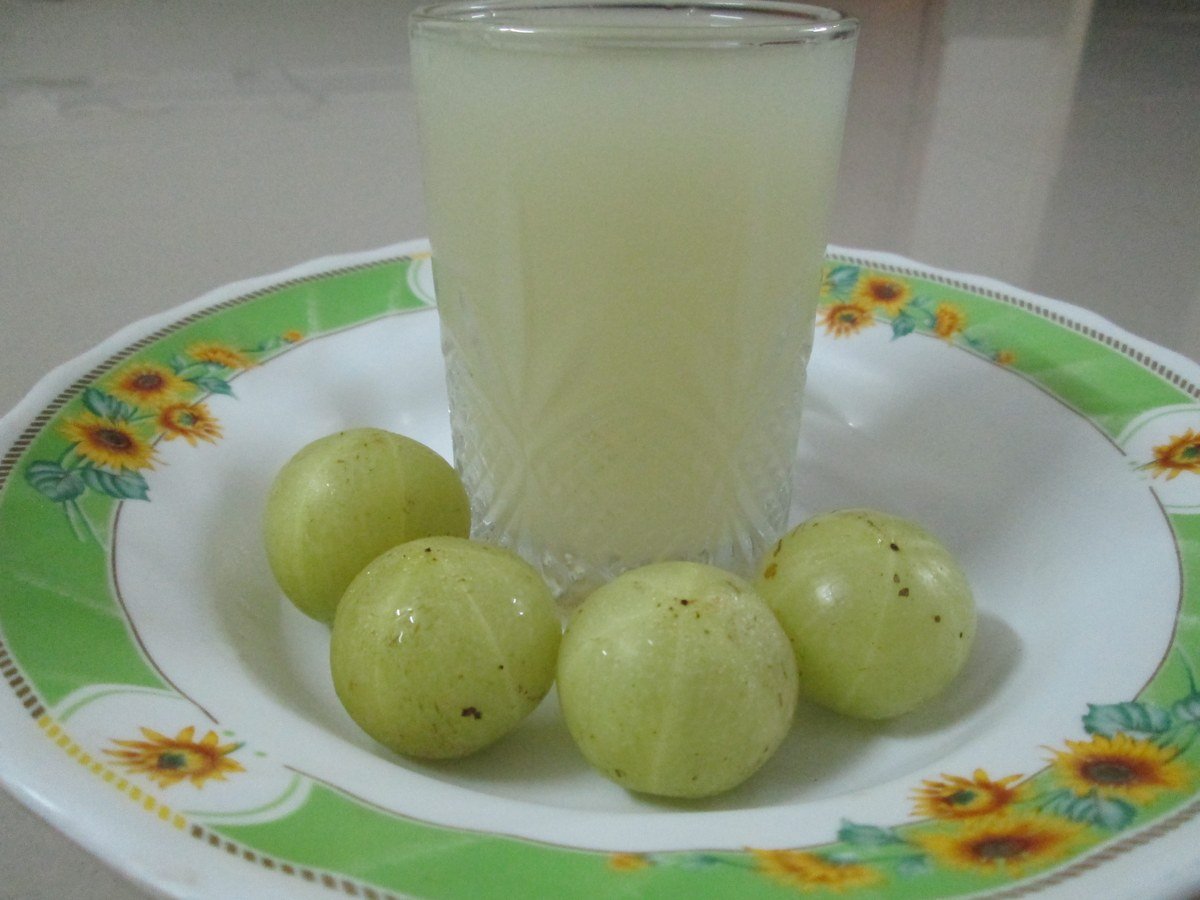
Amla, or Indian gooseberry, is famously tart — sharp, sour and very distinctive. It is known as a rich source of vitamin C, and its juice is popular in India, often diluted with water.
Because it is so sour, shop-bought amla drinks are often sweetened. If you buy one, check the label for added sugar; homemade, diluted and unsweetened is the better bet.
A small diluted glass is the sensible amount. Its strong flavour means most people do not want much more than that anyway.
Pomegranate Juice
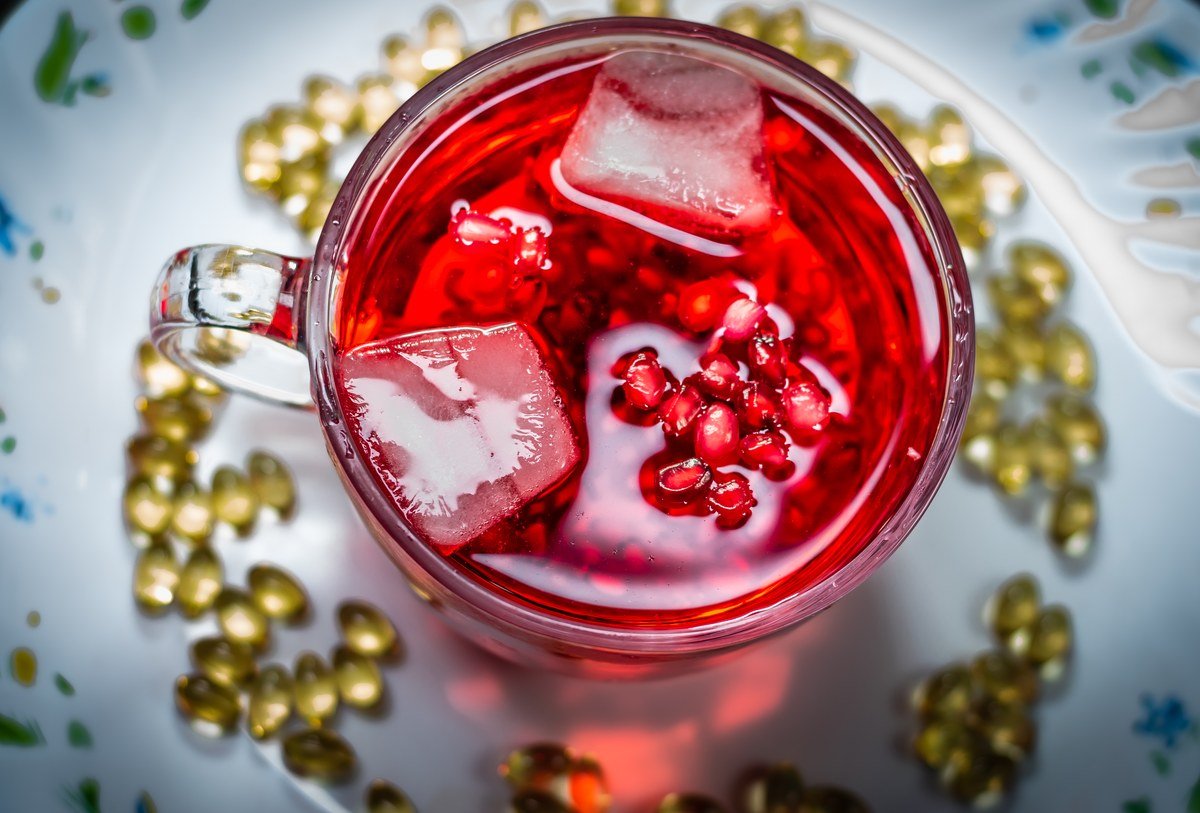
Pomegranate juice is rich, ruby-red and naturally sweet-tart, with a flavour all of its own. The fruit’s deep colour comes from its plant compounds, and the juice makes a striking drink.
It is also one of the sweetest juices on this list, so portion matters most here. A small 150ml glass counts as your juice portion for the day — drinking several glasses quickly adds up to far more sugar than eating a single fruit would.
To prepare it at home, open the fruit, loosen the seeds in a bowl of water, and press them through a juicer. It mixes well with sparkling water if you want the flavour to stretch further.
Cabbage Juice 🥬
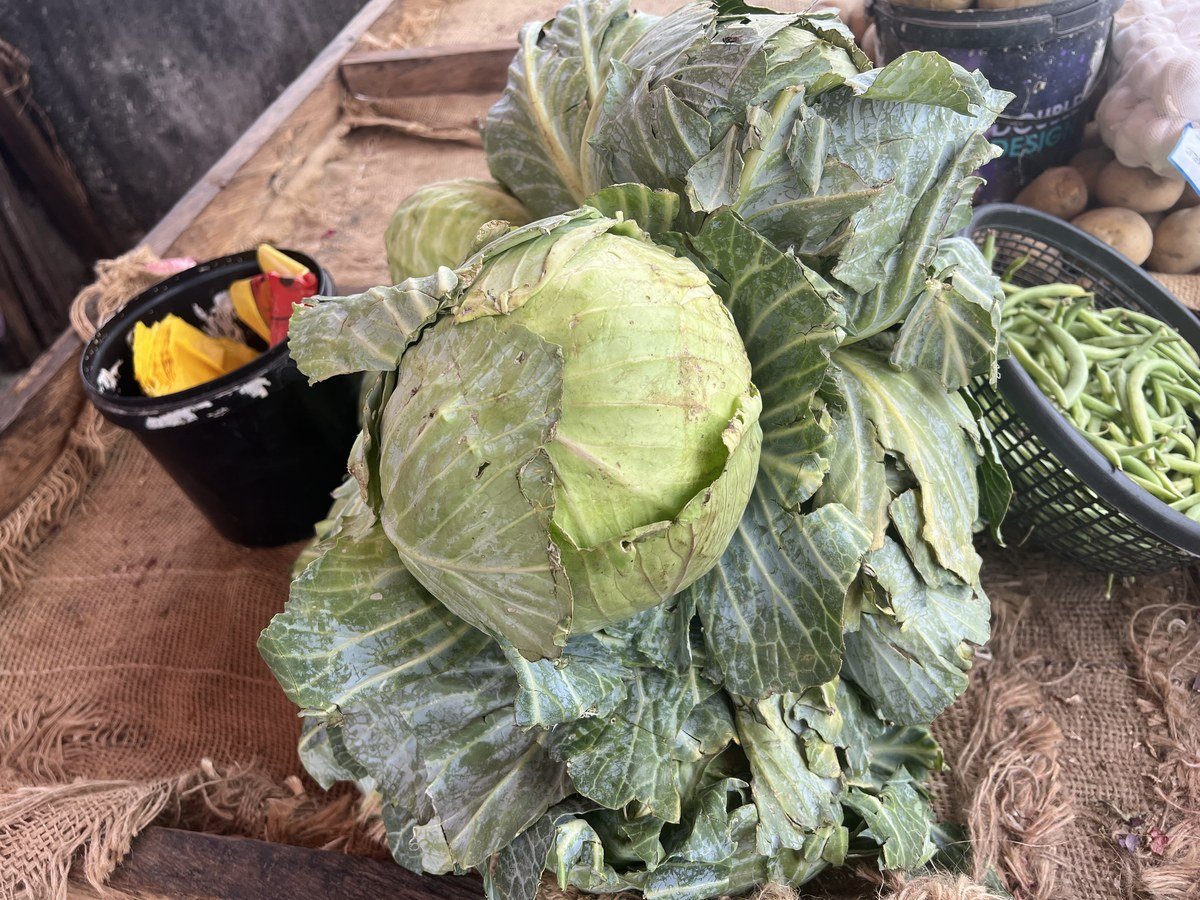
Cabbage juice sounds unusual, but cabbage is a familiar, affordable vegetable, and its juice is mild and green-tasting. Cabbage provides vitamin C and vitamin K as part of a varied diet.
Its flavour is strong on its own, so most people blend it with carrot, apple or beetroot. A juicer gives a smoother result than a blender for this one.
One honest caveat: cabbage can cause bloating or wind for some people, so start with a small amount and see how you feel. It is not a cure for anything — just another vegetable, in liquid form.
Watermelon Juice 🍉

Watermelon juice is sweet, light and thirst-quenching — a natural summer drink. Watermelon is mostly water, so the juice feels refreshing rather than heavy.
Blend the flesh, strain if you like, and serve it cold. A squeeze of lime lifts the flavour without adding sugar.
Because it is sweet and easy to drink, the same portion rule applies: a small glass with a meal, not jug after jug. Eating watermelon slices gives you the fibre that juicing leaves behind.
Orange Juice 🍊
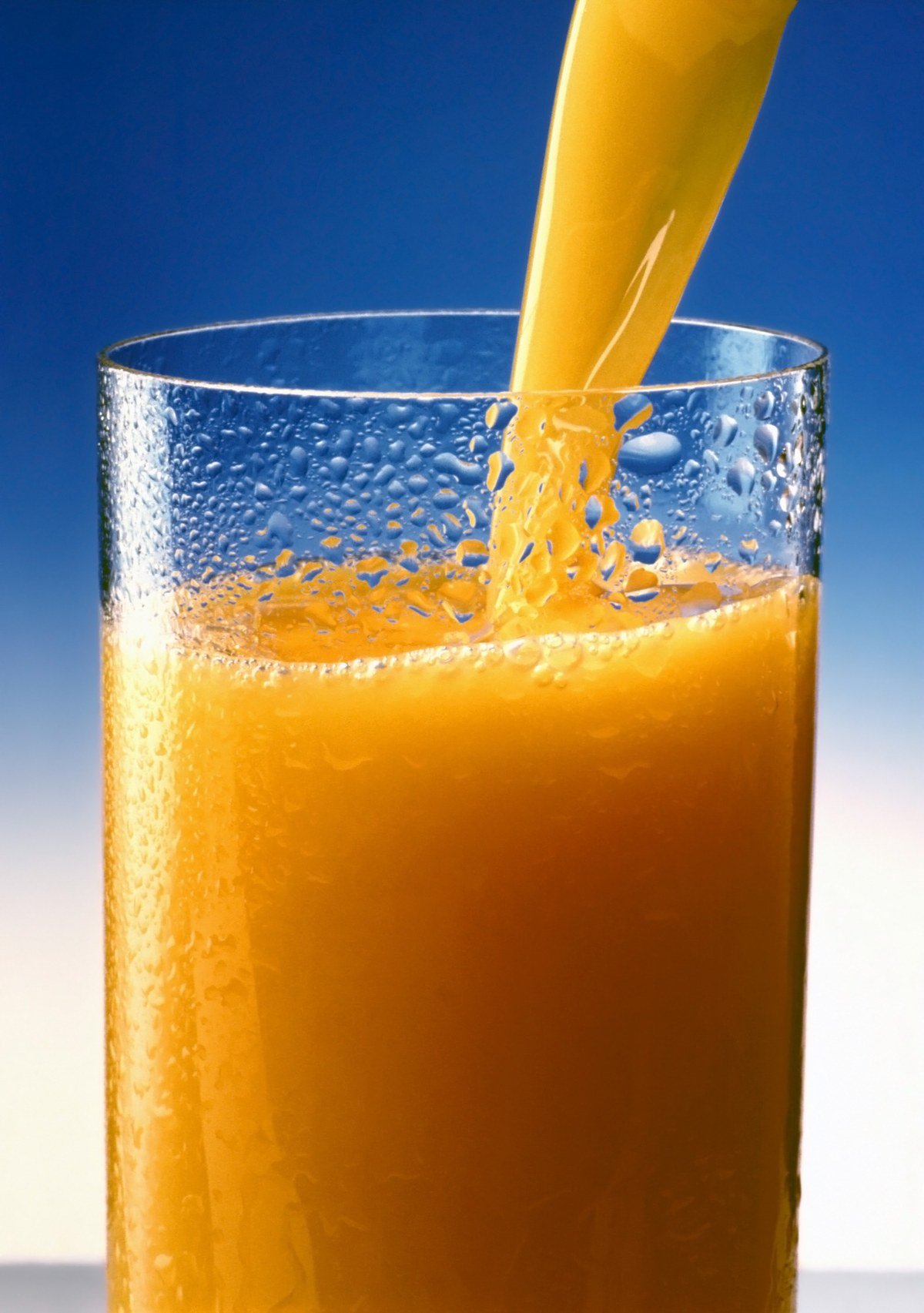
Freshly squeezed orange juice is the classic breakfast juice, and oranges are a well-known source of vitamin C. A small glass can be a pleasant part of a meal.
But orange juice is where the whole-fruit comparison matters most. Eating an orange fills you up with fibre; drinking the juice of several oranges takes a minute and leaves the fibre behind.
Stick to one small 150ml glass a day at most, have it with a meal to protect your teeth, and skip cartons labelled “juice drink” — they are often sweetened and do not count the same way. For more breakfast ideas that keep you fuller for longer, see our guide to breakfast foods.
Pineapple Juice 🍍
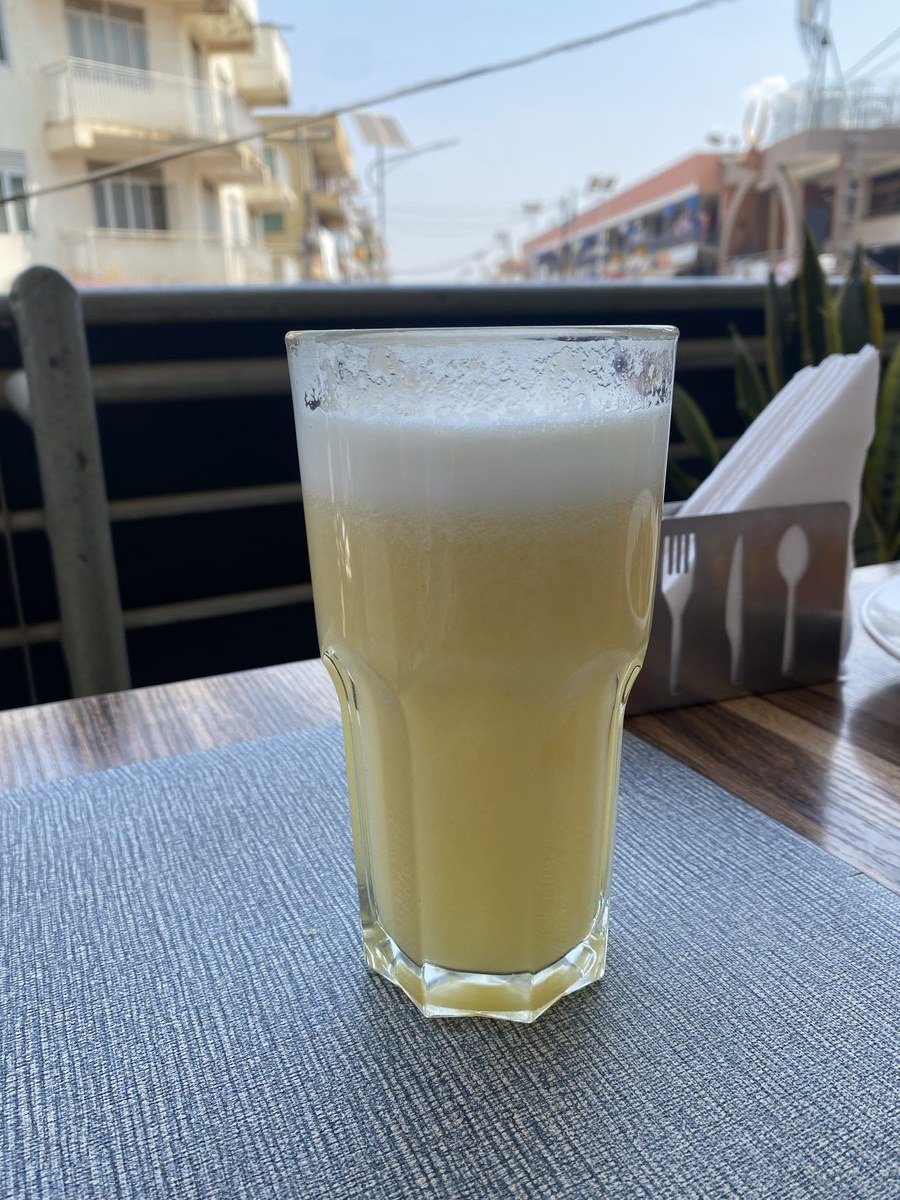
Pineapple juice is tropical, sweet and instantly recognisable. Pineapple provides vitamin C and manganese, and its juice is a favourite in blends.
It is also high in natural sugars, so treat it like other sweet fruit juices: a small glass, with a meal, rather than a large daily serving. Fresh is best — once cut, pineapple is best used promptly.
Peel and chop the fruit, blend with a little water, and strain. It pairs well with coconut water or a little ginger for a fresher finish.
Bottle Gourd Juice ⚠️
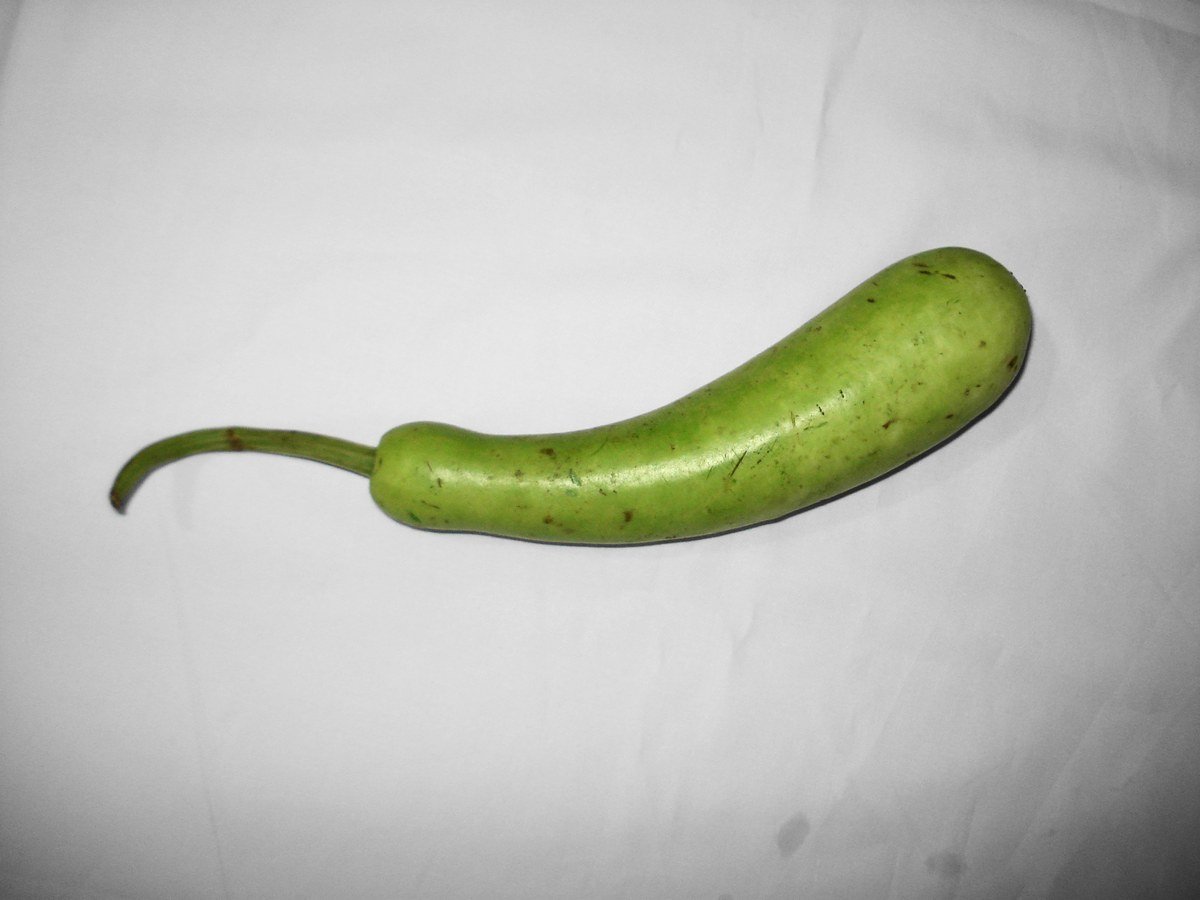
Bottle gourd, also called lauki or dudhi, is a mild, pale-green vegetable widely used in South Asian cooking. Its juice is light and neutral-tasting, and it blends easily with mint or a squeeze of lime.
This entry carries the most important safety note in the whole article, so please read it carefully. Bottle gourd should taste mild — never bitter.
Before juicing, taste a tiny piece first. If it tastes bitter, throw the whole gourd away and do not juice it. Bitter bottle gourd can contain high levels of natural compounds called cucurbitacins, which can cause severe stomach pain, vomiting and diarrhoea.
If you ever feel nausea, vomiting, stomach pain or unease after drinking bottle gourd juice, seek medical care promptly. Do not try to “push through” it, and do not assume the bitterness will cook or blend away.
Used the safe way — fresh, mild-tasting, in a small glass with a meal — bottle gourd juice is simply a light vegetable drink. Nothing more is claimed for it here.
How to use juice sensibly 🧃
Keep it small, keep it with meals, and keep the rest of your plate full of whole foods. One small glass of unsweetened juice a day is the guide — whole fruit, vegetables, protein and whole grains do the real work in any healthy eating pattern.
If weight is your goal, no juice will do that job for you. What helps is the overall pattern: regular meals, plenty of whole plants, movement you enjoy, and sleep. Our guides to losing weight steadily and belly fat basics cover that bigger picture honestly, without miracle claims.
Can juice replace eating fruit and vegetables? No. Juice counts as at most one portion a day, however much you drink, because juicing removes most of the fibre.
Should I do a juice-only cleanse? This guide does not recommend one. Skipping meals for juice-only days misses protein, fibre and the fullness that whole foods give, and it does nothing your liver and kidneys are not already doing.
I have diabetes — can I drink juice? Juice sugars act faster than whole fruit because the fibre is gone. Talk to your clinician or dietitian about whether, and how much, juice fits your own plan — do not take this article as personal medical advice.
Enjoy juice for what it is: a fresh, flavourful extra. The plants themselves — eaten whole, most days, in variety — are the main event 🌿.