

🥗 Lunch is the meal most of us rush — and the easiest one to fix. A good lunch does not need a long recipe or a long list of ingredients.
It just needs a little balance: something fresh, something filling, and something you actually enjoy eating. That is what this guide is about.
Below you will find lighter lunch ideas and more filling ones, so you can pick what suits your day. Calorie needs vary a lot from person to person, depending on age, body size and how active you are, so think of “low” and “high” here as lighter versus more filling — not as a number prescribed for you.
If you have a medical condition, a food allergy, or you need a special diet, talk to your doctor or a registered dietitian before changing how you eat. This article is general information only, not medical advice.
What Makes a Lunch Healthy? 🍽️
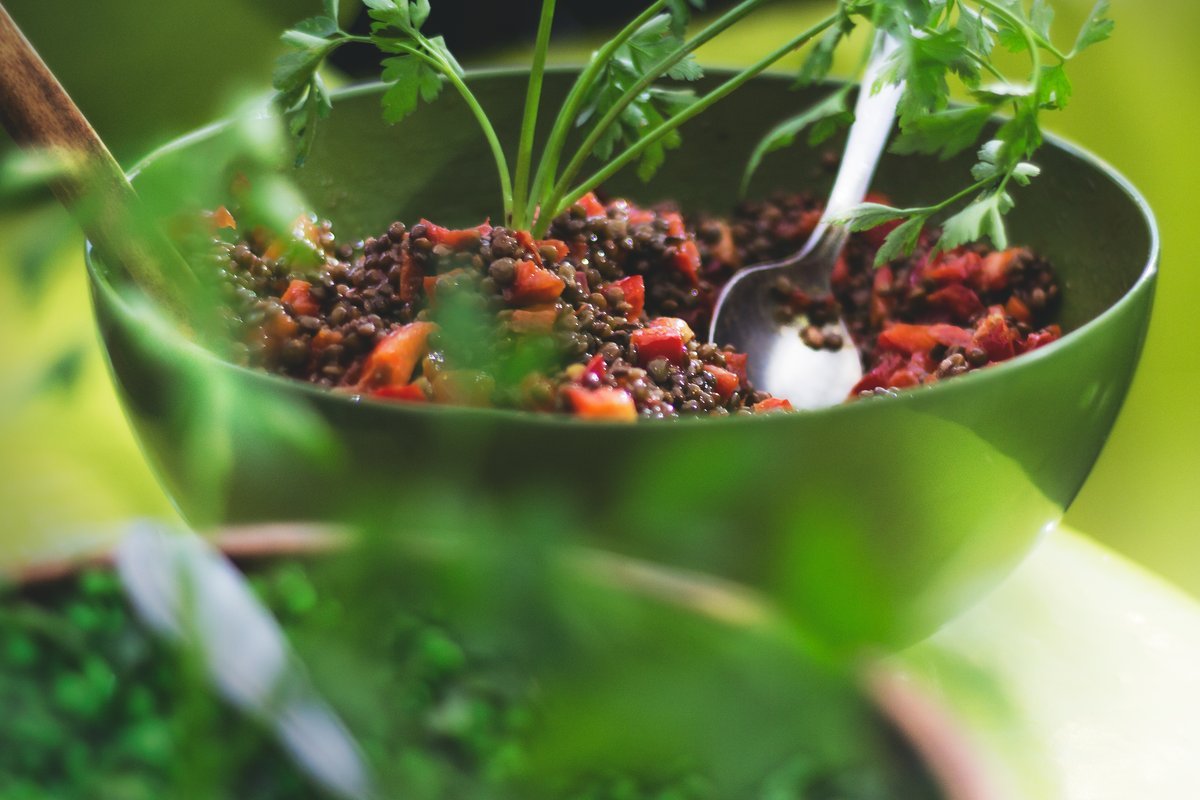
A simple way to build lunch is to think in parts, not in rules. Half the plate can be vegetables or salad, a quarter can be a wholegrain food, and a quarter can be a protein food.
That pattern comes from the Harvard Healthy Eating Plate, and it lines up well with the UK’s Eatwell Guide, which also puts fruit and vegetables, starchy foods and protein foods at the centre of a balanced diet.
Vegetables and salad add colour, fibre and volume, so a lighter lunch can still feel satisfying. Wholegrains such as wholemeal bread, brown rice and wholewheat pasta give steady energy.
Protein foods — beans, lentils, chickpeas, eggs, fish, poultry, tofu and nuts — help a lunch keep you full until dinner. A little healthy fat, like olive oil, avocado or nuts, adds flavour too.
Water is the simplest drink choice with lunch. Sugary drinks and very salty, heavily processed foods are best kept as occasional extras rather than everyday staples.
Lighter Lunches: Wraps and Sandwiches 🥪
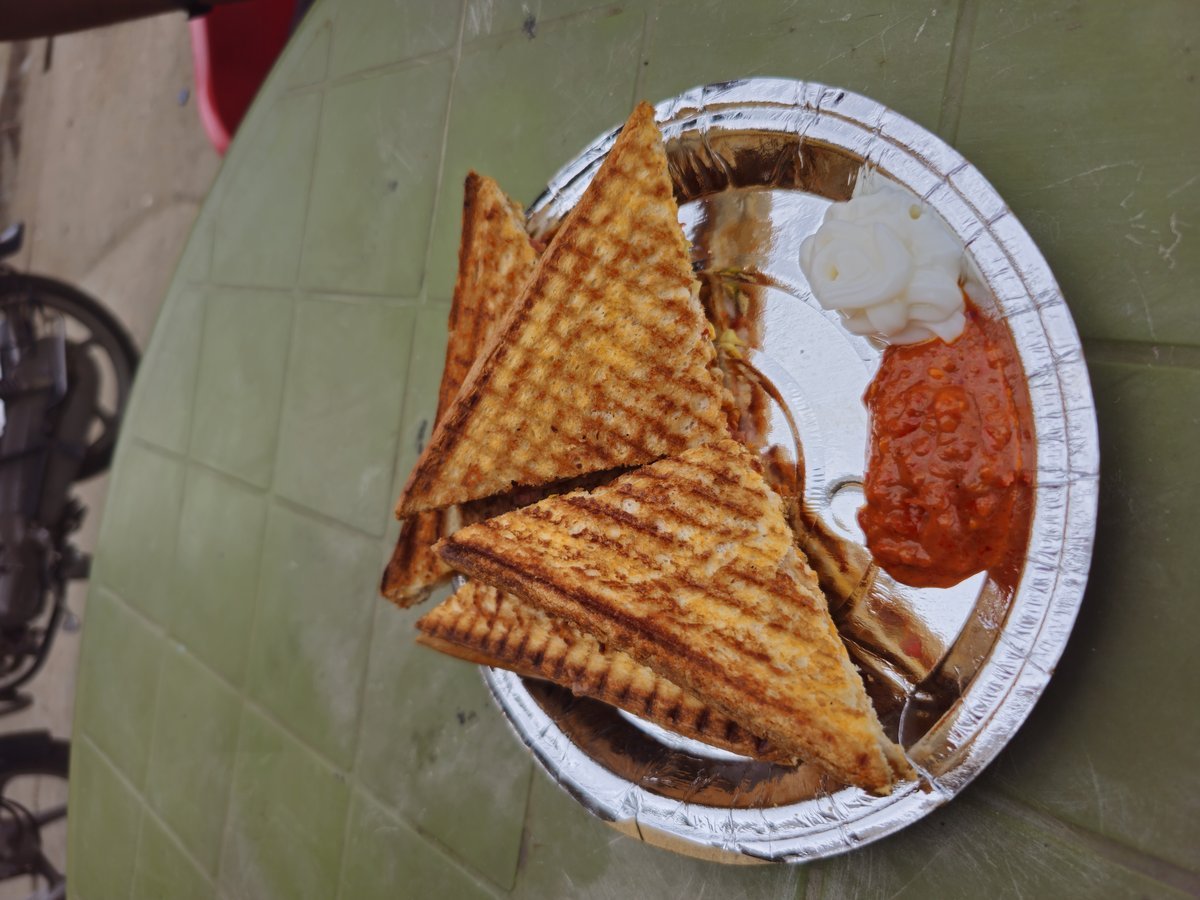
Wraps and sandwiches are the fastest healthy lunch, and they travel well. Start with wholemeal bread or a wholegrain wrap, then load it with salad.
Herbed cheese and tomato sandwich: spread cottage cheese on a wholemeal muffin or bread, add sliced tomato, herbs and a little garlic. It is fresh, light and quick to make.
Turkey and hummus wrap: roll sliced turkey, hummus, baby spinach and cucumber in a wholegrain wrap. Hummus adds creaminess without needing a lot of mayonnaise.
Tuna and yoghurt wrap: mix tinned tuna with plain Greek yoghurt instead of mayonnaise, then add celery, roasted peppers and spinach. It tastes creamy and stays light.
Chickpea pita: mash chickpeas with yoghurt, lemon and parsley, and serve in a wholemeal pita with salad. Chickpeas are filling for a plant-based option.
Black bean burrito: wrap black beans, salsa, red onion and a little avocado in a wholegrain tortilla. Beans and vegetables make this one surprisingly satisfying.
For a lighter feel, go easy on cheese, butter and creamy sauces, and generous with salad and vegetables. A piece of fruit on the side rounds the lunch out nicely.
If mornings are your tricky meal too, our guide to breakfast foods for weight loss follows the same plate-building idea.
Salads and Grain Bowls That Actually Fill You 🥗
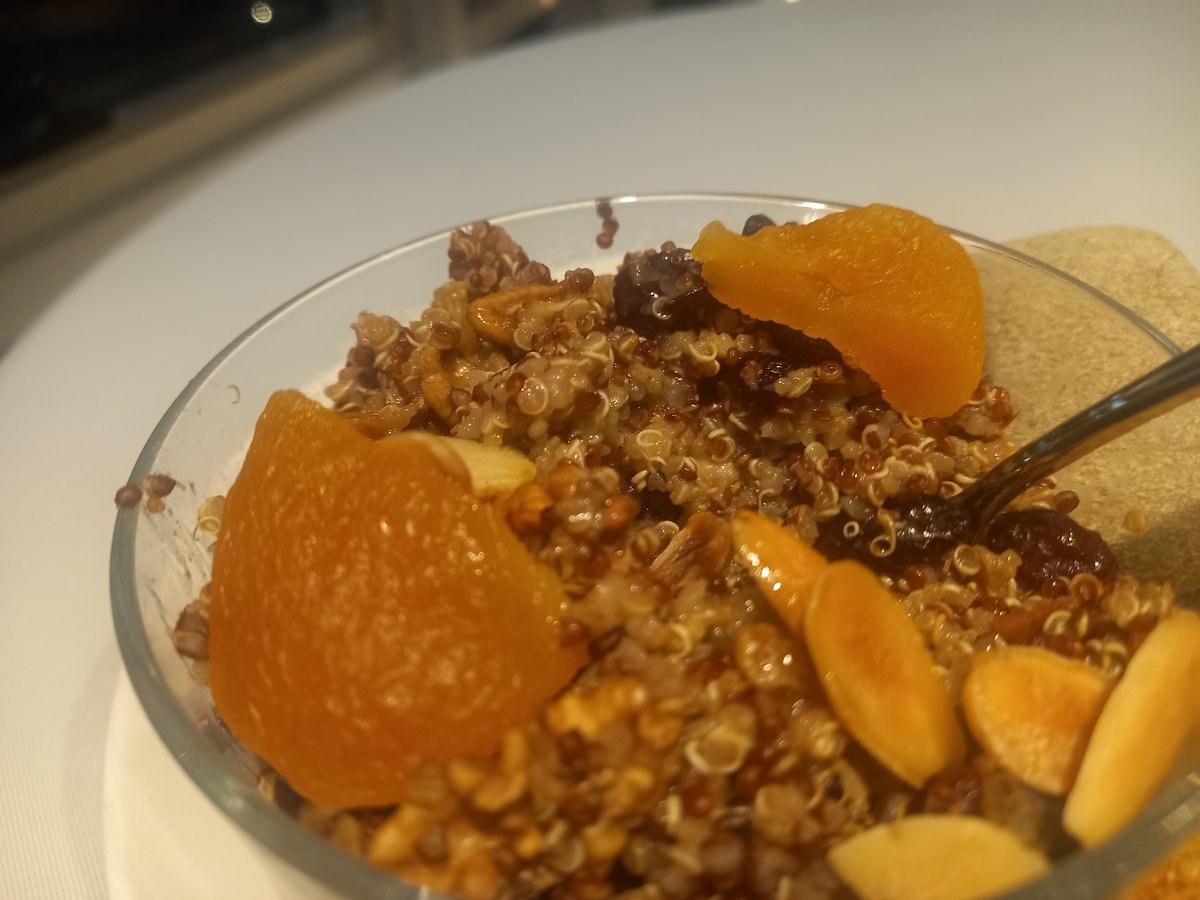
A salad only works as lunch if it has enough substance. Leaves alone will leave you hungry by mid-afternoon — add a grain, a protein and a little fat.
Spinach and strawberry salad: toss spinach with strawberries, broccoli, a little mozzarella and a drizzle of olive oil and balsamic vinegar. Sweet, crunchy and fresh.
Greek pita salad: combine romaine lettuce, cucumber, red onion, chickpeas and feta with a small wholemeal pita on the side. The chickpeas do the filling work here.
Lentil salad with poached eggs: serve cooked lentils over spinach with poached eggs, tomato and avocado. Lentils and eggs together make this a proper meal.
Quinoa bowl: start with cooked quinoa, add roasted vegetables, chickpeas or beans, and finish with herbs and lemon. Quinoa bowls keep well for next-day lunches too.
Sweet potato and mushroom salad: roast sweet potato and mushrooms, serve over spinach with a little feta and mustard dressing. Warm vegetables make a salad feel like a real lunch.
The trick is the same every time: vegetables for volume, a grain or potato for energy, and a protein food so you stay full.
Warm Lunches: Soups, Rice and Pasta 🍲
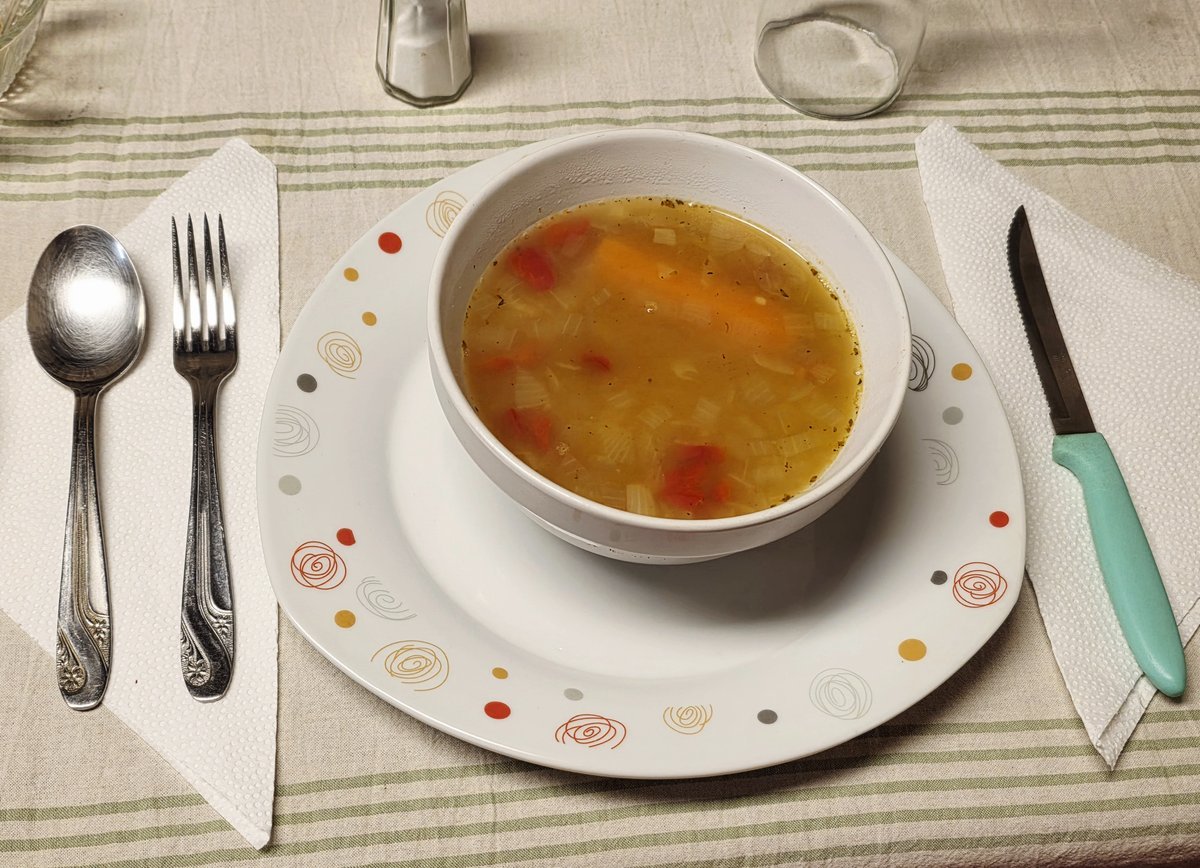
On cold days, a warm lunch is far more appealing than a cold salad — and it can be just as balanced. Soup with bread is a classic for a reason.
Vegetable soup with bread: a simple vegetable soup with a slice of wholemeal bread makes a light, comforting lunch. Add beans or lentils to the soup if you want it to last longer.
Chicken and brown rice stir-fry: stir-fry chicken with peppers, mushrooms and onions, and serve with a small portion of brown rice. Plenty of vegetables, a modest amount of rice.
Wholewheat pasta salad: toss cooled wholewheat pasta with chicken, carrots, peppers, olives and mozzarella, and a light dressing. It works warm or cold.
Beans and rice: serve mashed or whole pinto beans with brown rice, tomato, red onion and avocado. Beans and rice are a budget-friendly, filling pair.
Pan-fried rice with vegetables: fry leftover brown rice with egg, broccoli, carrots, mushrooms and onion. It is a good way to use up vegetables before they go to waste.
Warm lunches also reheat well, which makes them handy for work. See the packed-lunch tips below for storing leftovers safely.
More Filling Lunches for Bigger Appetites 🍚
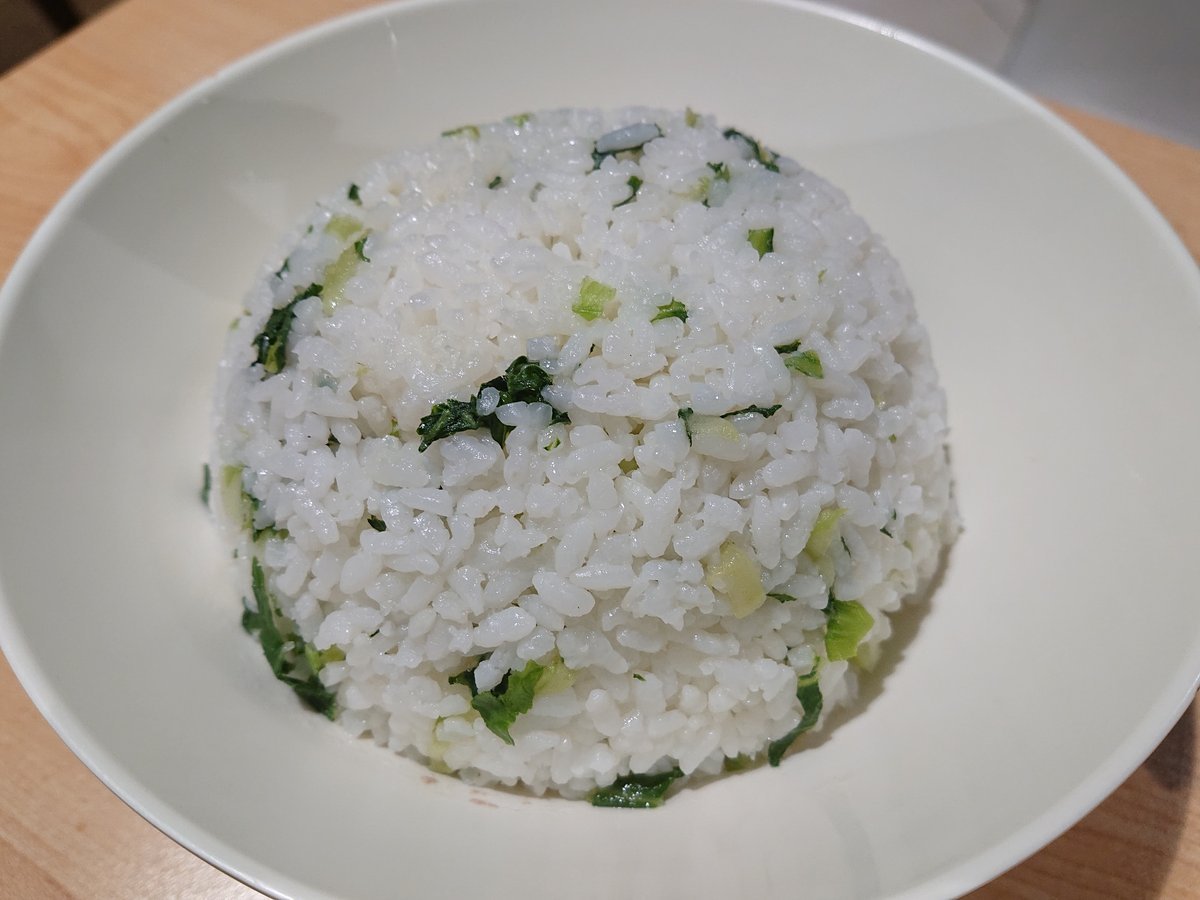
Some days you simply need more food — after a hard workout, on a long active day, or if you naturally have a bigger appetite. A more filling lunch is not a different kind of food.
It is the same balanced plate, with larger portions and a few energy-rich additions. Add an extra slice of bread, a bigger serving of rice or pasta, or a second protein portion.
Grilled cheese and chicken sandwich: a wholemeal sandwich with chicken, cheese, tomato and lettuce is a step up from a plain salad sandwich, and it keeps well.
Salmon wrap: wrap salmon with spinach, parmesan and a light dressing in a wholemeal pita. Oily fish and a fuller wrap make this a hearty option.
Chicken salad with walnuts: mix chicken with celery, cranberries, walnuts and spinach. Nuts add crunch and make the salad much more filling.
Loaded sweet potato: top a baked sweet potato with Greek yoghurt, crumbled turkey bacon or beans, and chopped spring onion. Sweet potato plus a protein topping is a complete lunch.
Stuffed rice bowl: build a bowl with rice, vegetables, a protein food and extras such as nuts, seeds, cheese or a drizzle of oil. Adjust the rice and extras up or down to match your appetite.
The honest rule is simple: bigger portions and richer additions mean more energy. That suits some people and some days, and not others — there is no single “right” amount for everyone.
For a wider look at how eating patterns relate to body weight, see our article on obesity and its causes. It explains why weight is about much more than one meal.
Packed Lunches and Leftovers 🎒
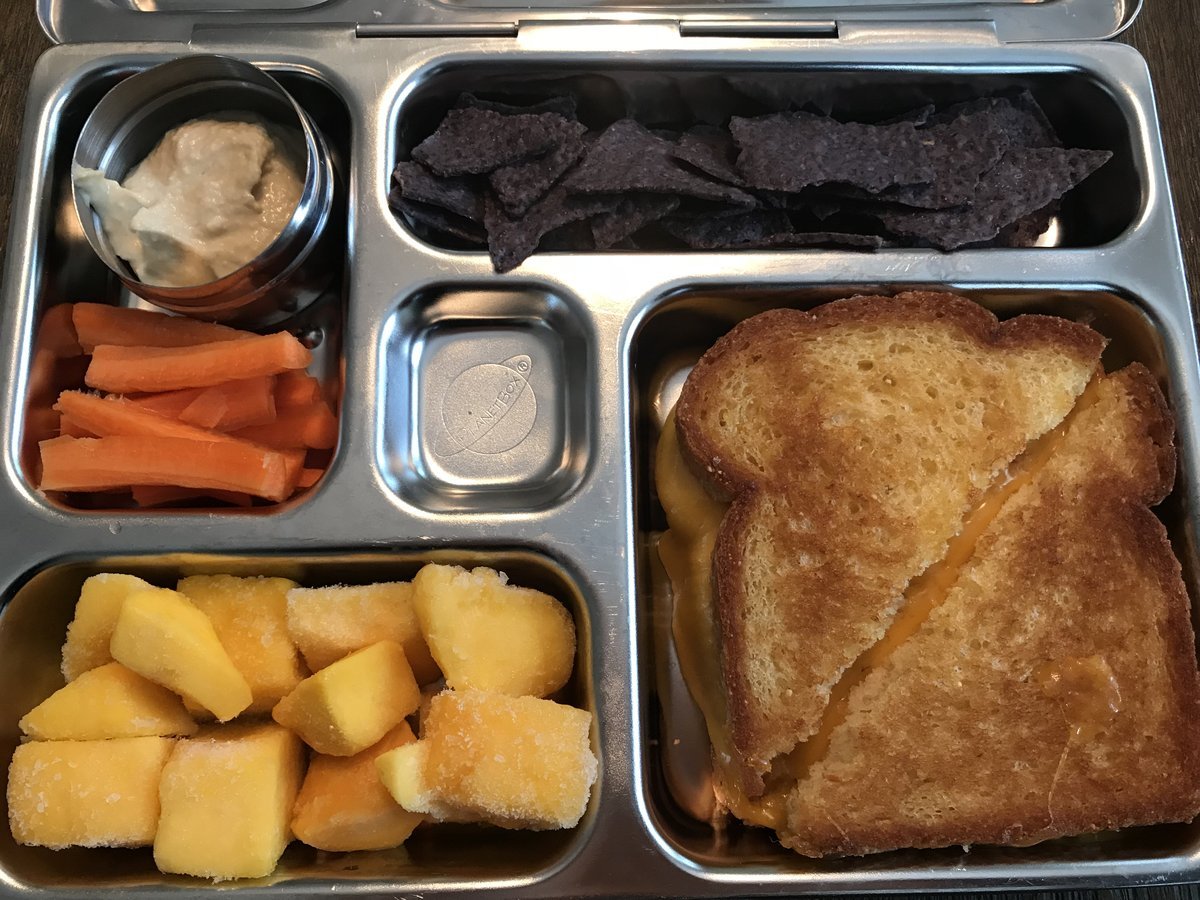
A packed lunch saves money and puts you in control of what you eat. The best ones are built the night before, not grabbed in a rush.
Pack the parts separately where you can: sandwich or wrap in one section, salad or vegetable sticks in another, and fruit on the side. Things stay fresher and less soggy that way.
Leftovers make excellent lunches. Cook a little extra rice, pasta, soup or roasted vegetables at dinner, and pack the rest for tomorrow. Just follow basic food-safety habits.
Cool leftovers quickly, get them into the fridge within two hours, and eat refrigerated leftovers within two days. Reheat food only once, until it is steaming hot all the way through.
Keep cold food cold on the way to work — an insulated bag with an ice pack helps, especially in warm weather. And always check use-by dates before eating packed food.
A simple packed-lunch formula works most days: a wholegrain base, a protein food, plenty of vegetables or salad, a piece of fruit, and water to drink. 🍎
Frequently Asked Questions ❓
Is skipping lunch a good way to eat less?
Skipping lunch often backfires — most people just eat more later and feel tired in the afternoon. A balanced lunch is usually a steadier choice than no lunch at all.
What is the healthiest quick lunch?
A wholemeal sandwich or wrap with a protein food and lots of salad, plus a piece of fruit, covers the main food groups in minutes. It beats a snack-only lunch on most days.
Can a healthy lunch help with weight loss?
A lunch built around vegetables, wholegrains and a protein food can support a weight-loss eating pattern, because it tends to be satisfying without being very energy-dense. But no single meal causes weight loss on its own.
Our guide on how to lose weight fast explains the wider picture — and why very fast approaches are usually hard to sustain.
Are bananas a miracle food?
No. Bananas are a perfectly good fruit — convenient, affordable and a source of fibre and potassium — but they do not remove wrinkles, cure low mood or control blood pressure on their own. No single food does that.
Do I need to count every calorie?
No. Most people do better with the plate pattern in this guide — half vegetables and salad, a quarter wholegrains, a quarter protein — than with tracking every bite. If you have a health reason to track intake, a dietitian can help you do it safely.
What should I drink with lunch?
Water is the simplest choice. Unsweetened drinks are fine too; sugary drinks add energy without adding fullness, so they are better as an occasional treat.
🥗 The healthiest lunch is the balanced one you will actually eat, day after day. Keep it colourful, keep it simple, and adjust the portion to your own appetite.