

Strong abs are built slowly, with steady training and patience. 💪
No machine does the work for you, and no machine burns fat from one spot on its own.
This guide looks at nine types of ab machine that are still sold in 2026, who each one suits, and where each one falls short.
One old name is gone from this list on purpose. The original AB Circle Pro is no longer verifiably sold new by its original maker, so it has been dropped rather than dressed up as a current buy.
First, the honest limit every buyer should know. Training your abs strengthens the muscles underneath, but it does not choose where your body loses fat.
Fat loss happens across the whole body when you stay in a modest calorie deficit over time, with enough protein and regular training. That is why a machine alone never reveals a six-pack.
If you have back pain, a recent injury, or a medical condition, talk to a clinician or physiotherapist before starting a new core routine. This guide is general fitness information only, not medical advice. 🩺
How to Choose an Ab Machine
Start with space and comfort, not with promises. A small roller fits in a drawer, while a bench or Roman chair needs real floor space.
Think about your knees, back, and neck too. Padding and a stable base matter far more than extra features you will never use.
Beginners do best with short, controlled sets and good form. If a movement hurts in a sharp or pinching way, stop and get advice — pushing through pain is not discipline, it is risk.
For no-equipment moves to pair with any machine here, see our guide to abs workouts for bodybuilding.
1. Perfect Fitness Ab Carver Pro — Spring-Assisted Ab Roller
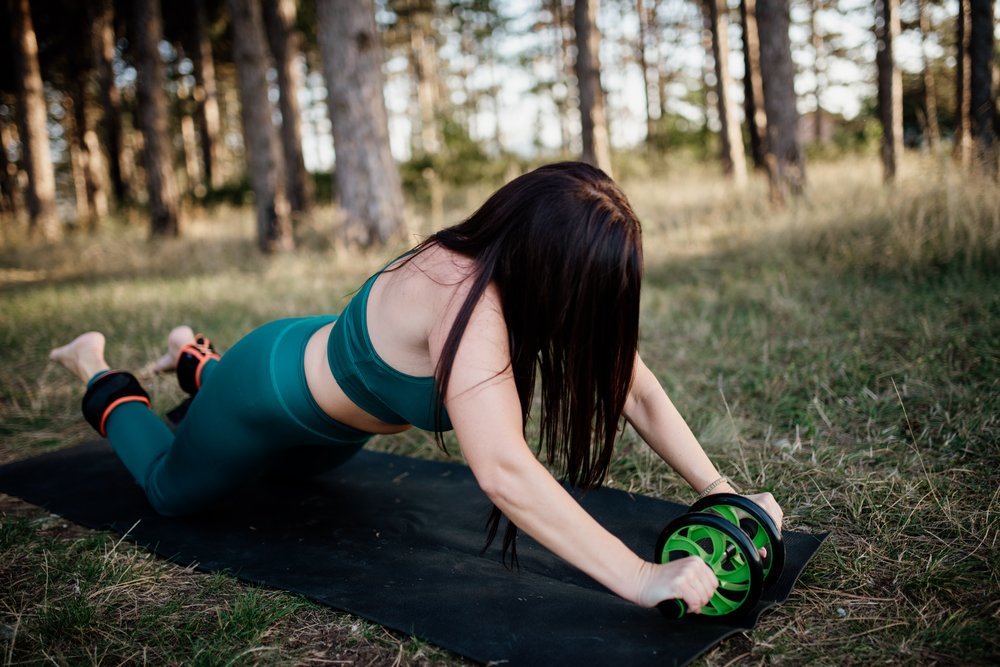
The Ab Carver Pro is an extra-wide ab wheel with a built-in steel spring. The spring resists the roll out and helps you on the way back.
That assist makes it friendlier than a plain wheel for people building up to full rollouts. Its wide tread also lets you steer slightly left or right.
It suits home training, since it is small and needs only a mat and some floor space. Keep the range short at first and keep your hips level.
The trade-offs are real. The knee pad is thin, so use it on a mat, and taller or heavier users should check the maker’s stated weight guidance before buying.
Good for: home users who want a steadier, assisted rollout. Less good for: anyone with wrist, shoulder, or lower-back trouble — get advice first.
2. Powerline PCH24X Roman Chair — Back Hyperextension Bench
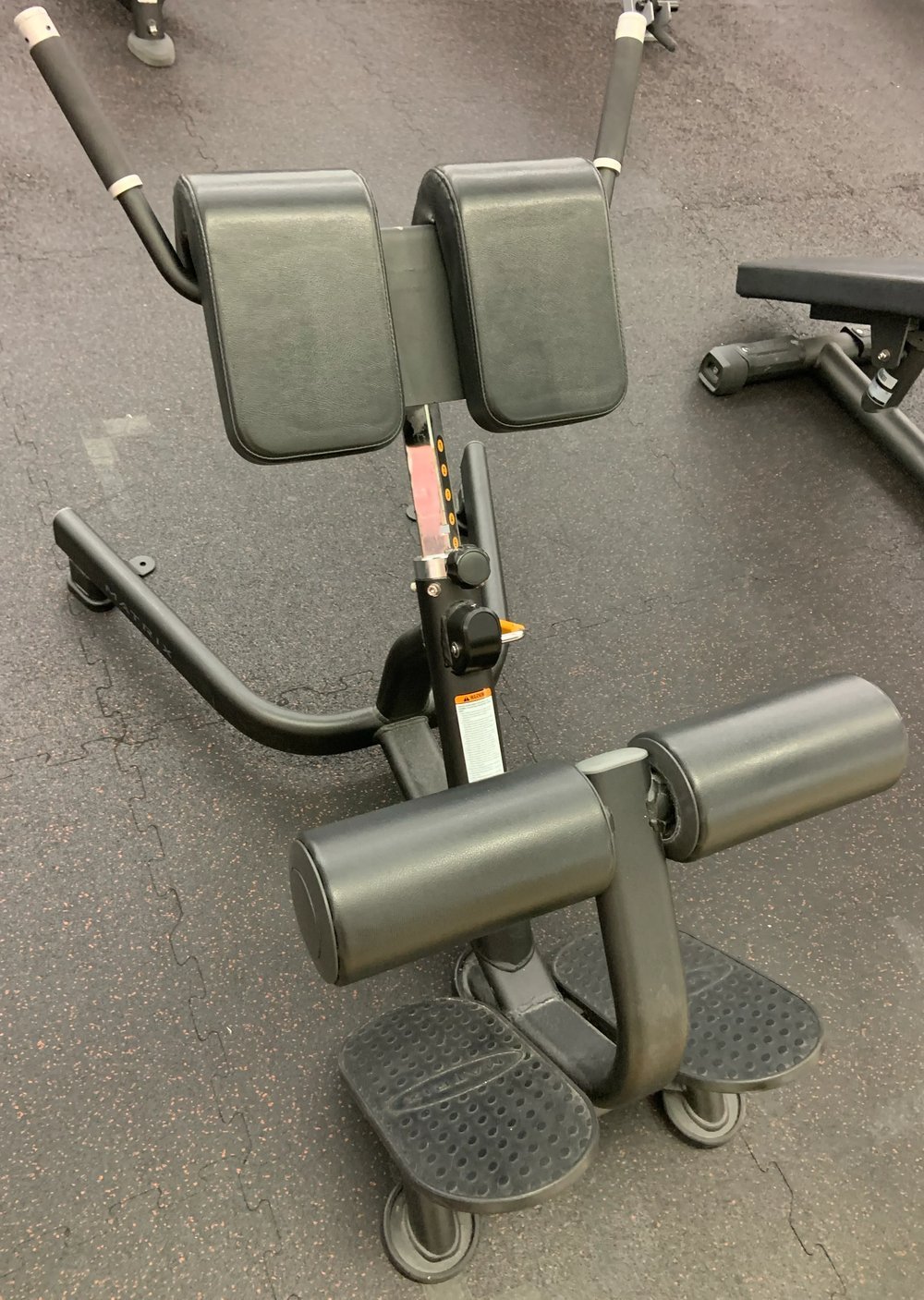
A Roman chair holds your hips in place while you hinge forward and back. It trains the lower back, glutes, and hamstrings alongside the core.
The PCH24X is a home-gym model from Powerline, still listed by major retailers in 2026. Its wide base is designed to stop rocking during hard sets.
It is adjustable, so different heights can find a comfortable pad position. That adjustability is the main reason it beats a fixed bench for shared home gyms.
It does take up floor space, and it is a back-and-core bench, not a pure ab machine. Buy it for the whole posterior chain, not for spot fat loss.
Good for: home gyms wanting back extensions and core work in one station. Less good for: small rooms or anyone who only wants crunches.
3. CAP Barbell Ab Trainer — Supported Crunch Aid
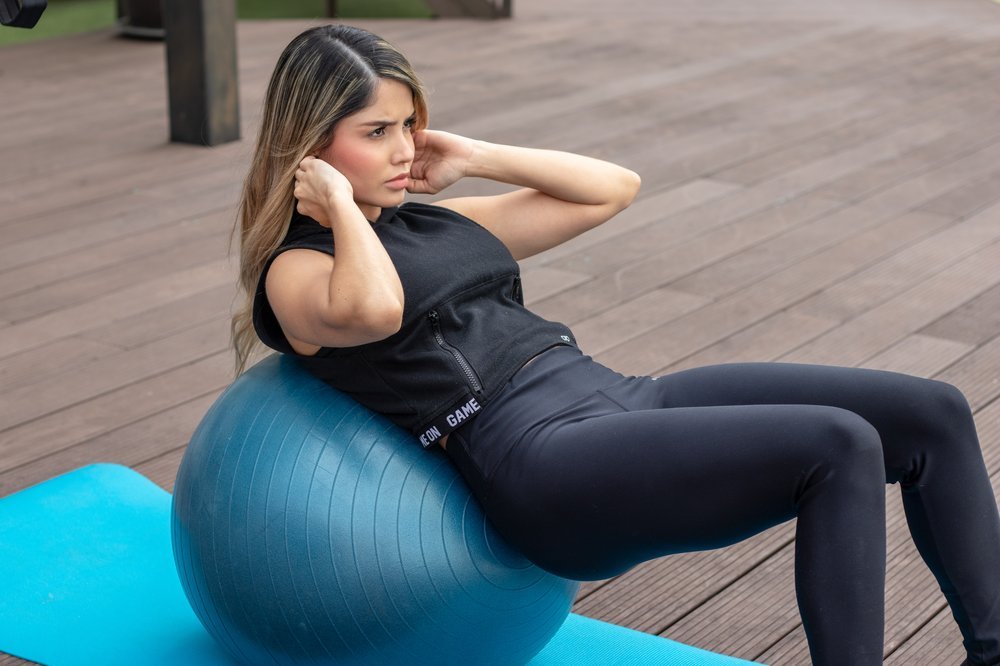
This is a simple crunch aid: a frame that supports your head and neck while you curl up. It is aimed at people who find floor crunches strain their neck.
The padded headrest is the point of the design. It lets you focus on the curl rather than pulling on your neck with your hands.
It is compact and easy to store, which suits small homes. The movement itself stays small and controlled, so it is a starting point, not a full core programme.
Do not expect it to train your whole core on its own. Pair it with planks, side work, and the back-extension style training above for balance.
Good for: beginners who want neck support during crunches. Less good for: anyone wanting heavy or full-core training from one tool.
4. XMark 12-Position Decline Ab Bench — Adjustable Sit-Up Bench
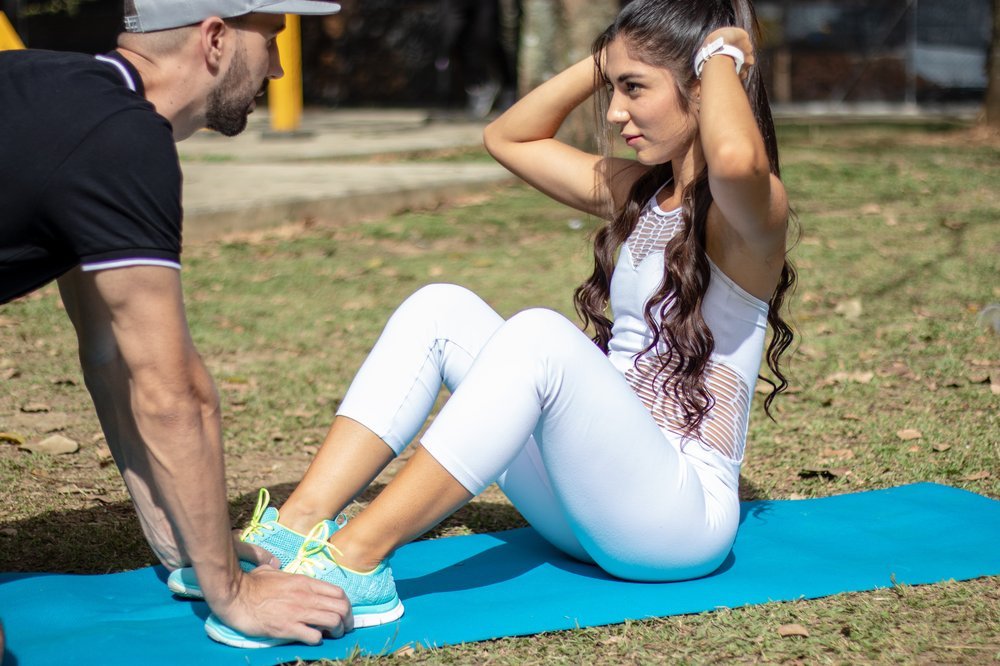
A decline bench anchors your feet and tilts you back, so sit-ups and crunches get harder as the angle steepens. XMark’s current 12-position bench follows the same idea as the old model in this list.
The value is progression. Start nearly flat, then raise the angle a notch at a time as you get stronger, instead of jumping straight to a steep decline.
It also works for twists and other bench-based core moves. A sturdy steel frame matters here, since a wobbly bench ruins the whole exercise.
Decline sit-ups load the lower back more than flat crunches, so keep the range controlled. If you have back trouble, ask a physiotherapist before using a steep angle.
Good for: people who want gradual, measurable progression. Less good for: very small spaces, since a bench is not a fold-away tool.
5. Stamina Ab/Hyper Bench Pro — Folding Back and Core Bench
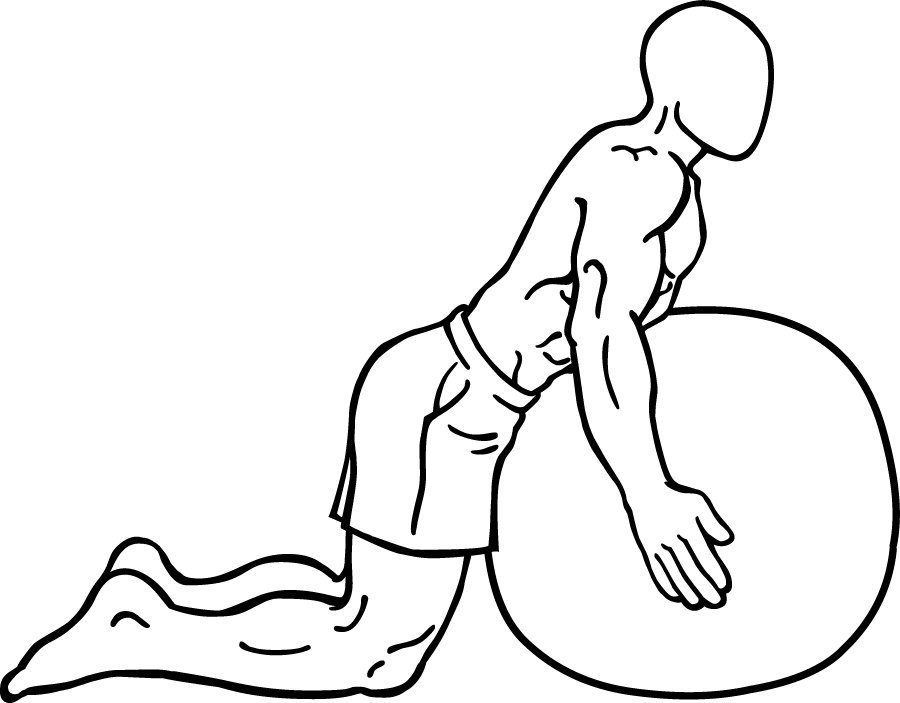
Stamina’s current Ab/Hyper Bench Pro is the successor to the older red hyper bench in the original list. It combines a hyperextension bench with a core bench in one folding frame.
Folding is its real advantage over a fixed Roman chair. You can train back extensions and crunches, then fold it away in a smaller home.
The maker’s stated weight limit is 250 pounds, so check that against your own needs before buying. Thick padding helps, but it cannot fix poor form.
Keep back extensions slow and short at first. Swinging up with momentum is the most common mistake on this kind of bench.
Good for: small homes that still want a real bench. Less good for: heavier users above the stated limit, or anyone wanting a commercial-grade station.
6. Ab Coaster Machines — Knee-Track Core Trainers
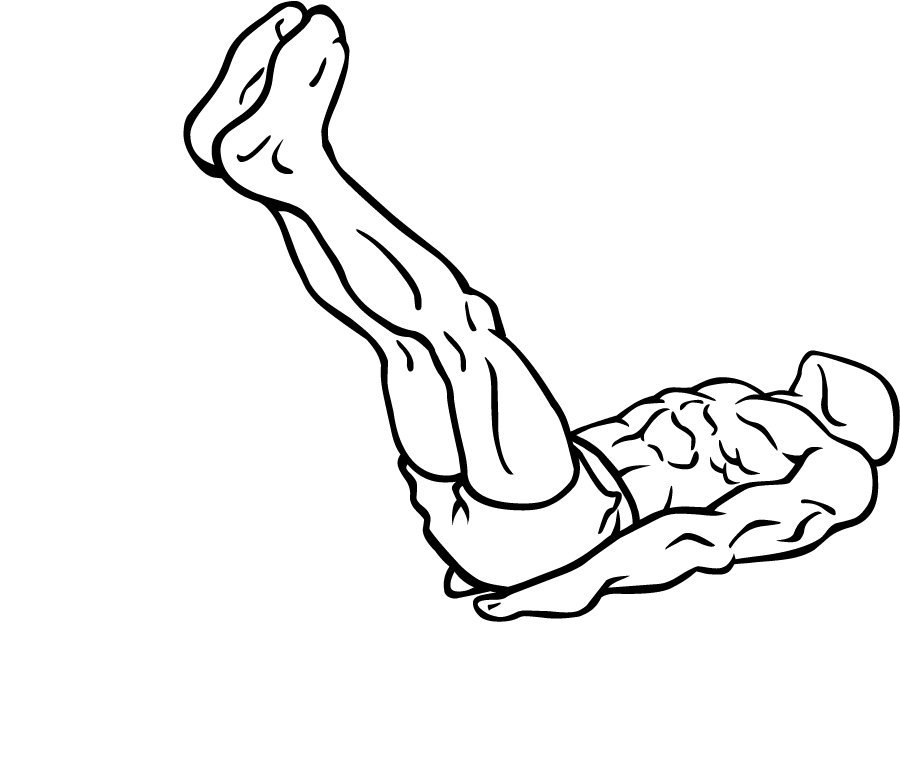
An ab coaster moves your knees along a curved track while your upper body stays still. It is a bottom-up core movement, the reverse of a crunch.
The Abs Company still lists its commercial Ab Coaster line, and similar knee-track machines remain on sale in 2026. That is why the type stays, even though the exact old home model is hard to verify new.
It suits people who prefer guided movement over free floor work. The track keeps the path fixed, which some beginners find reassuring.
It is also bulky for what it does, and it trains a narrow pattern. It will not replace planks, carries, or back work in a balanced routine.
Good for: gym-style guided core training at home. Less good for: small rooms, or anyone wanting one machine to do everything.
7. Wonder Core Smart — Resistance Sit-Up Machine

The Wonder Core Smart is a compact sit-up machine with adjustable resistance dials on each side. You push back against the resistance as you curl up, and it assists you on the return.
That two-way resistance is the selling point. It gives beginners help getting up, while still asking the core to work on the way down.
It arrives mostly assembled and folds for storage, which suits flats and small home gyms. The stated maximum load is 264 pounds, per the maker’s certification claims.
Keep expectations modest. It is a crunch machine, so it trains a limited pattern, and the resistance range will feel light to stronger lifters.
Good for: beginners wanting assisted sit-ups in a small footprint. Less good for: advanced lifters, or anyone wanting full-core training from one machine.
8. AB Rocket-Style Twister Trainers — Incline Crunch Chairs
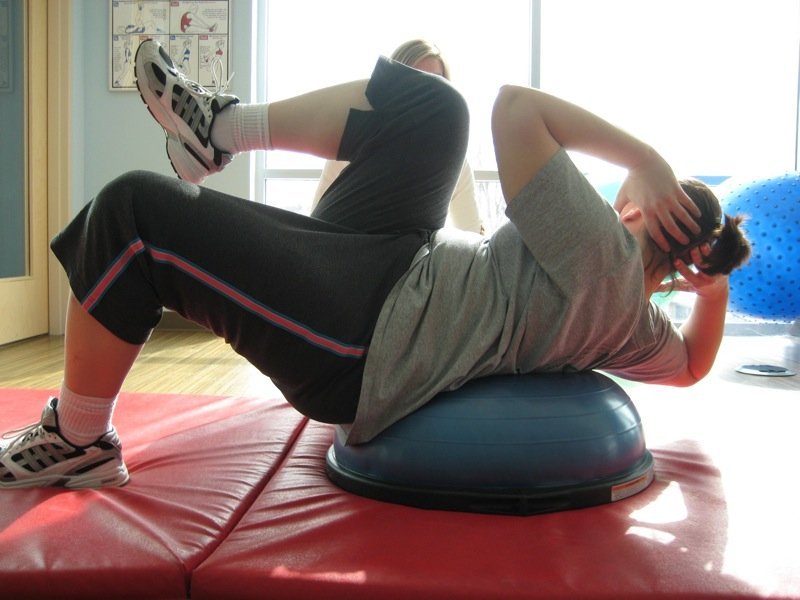
These incline chairs add a twisting seat to a supported crunch. You curl up, then rotate slightly to bring the obliques into the movement.
Similar twister-style trainers remain on sale in 2026 under several brand names, which is why this entry is described as a type, not one exact original model.
The support and the twist make it approachable for beginners. It is also easy to store, since most versions fold fairly flat.
Treat the twist gently. Forcing a big rotation under load is a fast way to irritate the back, so keep the turn small and controlled.
Good for: beginners who like a guided crunch with a twist. Less good for: anyone with back or disc trouble — get professional advice first.
9. Body-Solid Pro-Style Ab Board GAB60 — 12-Position Ab Bench
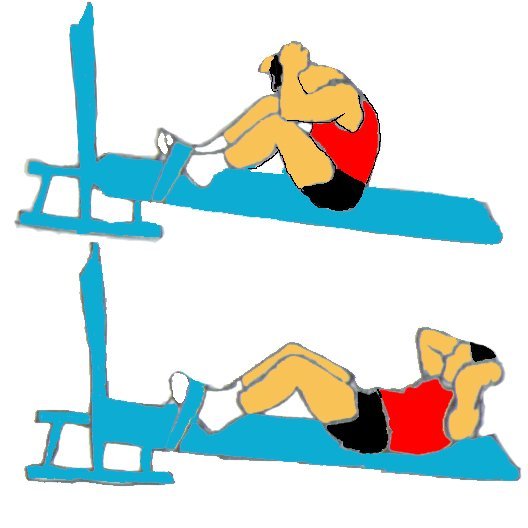
The old list’s vague “Body AB Board” is now named properly: Body-Solid’s Pro-Style Ab Board, model GAB60, still listed in stock by major retailers in 2026.
It adjusts through 12 positions, from flat to a steep 45 degrees. That range lets you progress sit-ups and crunches step by step over months.
Its wide padded board and large foam rollers are built for comfort during longer sets. A telescoping steel beam keeps the bench stable at different angles.
It is a bigger, heavier bench than a folding crunch aid, so measure your space first. It is also a sit-up bench, not a substitute for a full weight bench.
Good for: dedicated home gyms wanting a long-lasting ab bench. Less good for: small flats, or anyone who only trains core occasionally.
Quick Comparison: Which Type Fits You?
Short on space? Start with a roller or a supported crunch aid. Both store easily and cost less floor area than any bench.
Want progression you can measure? A decline or ab bench with numbered positions is the clearest path, since you can raise the angle over time.
Want back strength too? A Roman chair or hyper bench trains the back, glutes, and hamstrings alongside the core, which a crunch machine cannot do.
For a simple starting routine to use with any of these, see our guide on how to build six-pack abs — and read its pace honestly, not as a promise of speed.
Beginner Starter Plan (No Machine Required to Start)
Try two or three short sessions a week, with a rest day between them. Warm up first, then pick two or three moves you can do with good form.
Keep sets short — for example, two sets of 8 to 12 slow reps — and stop a rep or two before your form breaks down. Add reps or difficulty only when the current level feels controlled.
Mix the directions: something forward (crunch or rollout), something sideways (side plank or twist), and something for the back (extension). A core that only trains one way stays unbalanced.
For arm work to balance a core-heavy week, our triceps workout guide is a useful next step.
Frequently Asked Questions
Do ab machines burn belly fat? No machine burns fat from one area on its own. Ab training strengthens the muscles underneath; visible change follows overall fat loss over time.
Is a machine better than floor exercises? Not automatically. Machines guide the movement and add progression, but planks, dead bugs, and controlled crunches train the core well with no equipment at all.
How often should I train abs? Two or three short, well-formed sessions a week is a sensible starting point for most people. Daily hard ab work with no recovery helps nobody.
Which machine is best for beginners? A supported crunch aid or a spring-assisted roller is usually the gentlest start, since both limit the range and help you return safely.
Should I train through back pain? No. Stop the movement that hurts, and speak to a clinician or physiotherapist, especially if pain shoots down a leg, causes numbness, or does not settle.
This article is general fitness information only. It is not medical advice, and it does not promise any result, weight loss, or visible change in any set time.
Disclosure note: this refreshed version carries no affiliate or buy links. The old short buy links were removed because they could not be verified, and no new ones were added.