

Visible abs look simple in photos — but behind them is usually months of steady training, balanced eating and patience. 💪
This guide keeps it honest: what actually builds a strong core, what food habits support the goal, and how long it realistically takes.
There are no shortcuts here, no miracle moves and no promised timelines. Just a plan you can actually stick to. ✨
What actually makes abs visible 💡
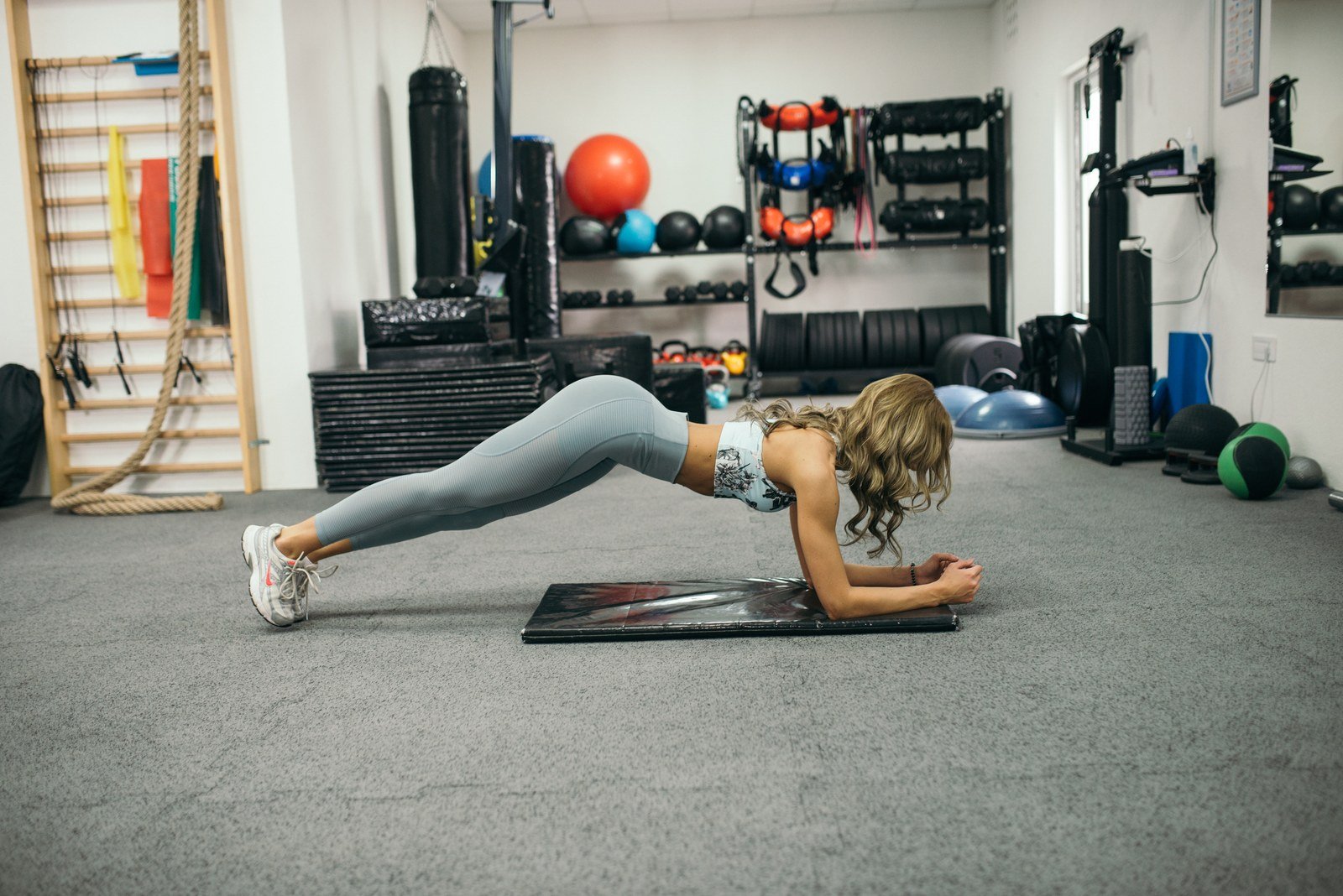
Your “six pack” is one muscle, the rectus abdominis, running down the front of your stomach. Everyone has it — the question is whether it shows.
That comes down to two things working together: building the muscle underneath, and gradually reducing overall body fat so it becomes visible. Neither part works on its own.
Core muscles work the same way for everyone. This article speaks to women readers, but nothing about the training itself is different because of gender. 🙌
Can you target belly fat? Not reliably, no. Fat loss is mostly whole-body: when you lose fat, your body decides where it comes from, and that pattern varies with genetics and muscle size.
A six-week abdominal programme in 2011 found no meaningful change in belly fat despite stronger abs, and a 2013 study training one leg found fat came off all over, not just from the trained leg.
One small 2023 trial in men did report a small extra trunk-fat loss from abdominal endurance work — but it was only 16 people, and total fat loss was similar in both groups. Treat that as an interesting hint, not a rule. 🔍
So ab exercises build the muscle; overall activity and eating habits do most of the revealing. That is why this guide covers both.
How lean do you need to be? There is no single number. Broadly, visible definition is often talked about somewhere in the high teens to mid-twenties percent body-fat range — but it varies a lot with genetics, muscle size and where you naturally store fat.
Chasing a very low body-fat level can harm your health, energy and hormones. If you are unsure what is sensible for you, talk to a clinician before pushing hard. 🩺
Five core moves to build on 🏋️
These five moves cover the front, sides and deep core, need no gym, and each one is pictured below. Quality beats quantity — slow, controlled reps beat rushed ones.
Start with 2–3 short sessions a week, and build up gradually as the moves feel easier. Rest a day between hard core sessions so the muscles recover. 😌
1. Forearm plank
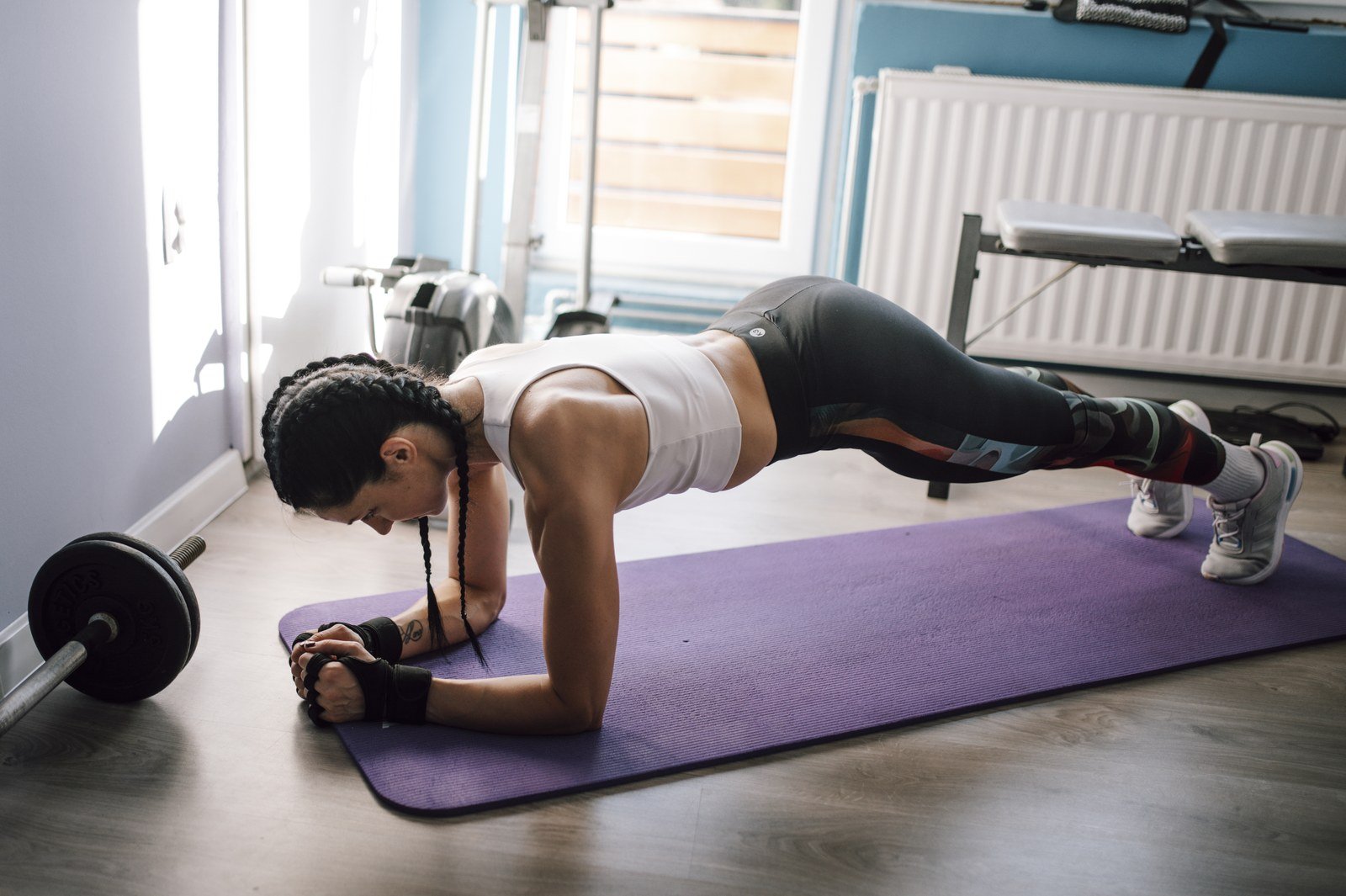
Rest on your forearms and toes, elbows under your shoulders, body in one long line from head to heels. Squeeze your glutes gently and keep your hips from sagging or piking up.
Start with short holds you can do with good form, and add time slowly over weeks. If your lower back aches, drop to your knees and rebuild from there. 👍
2. Crunch
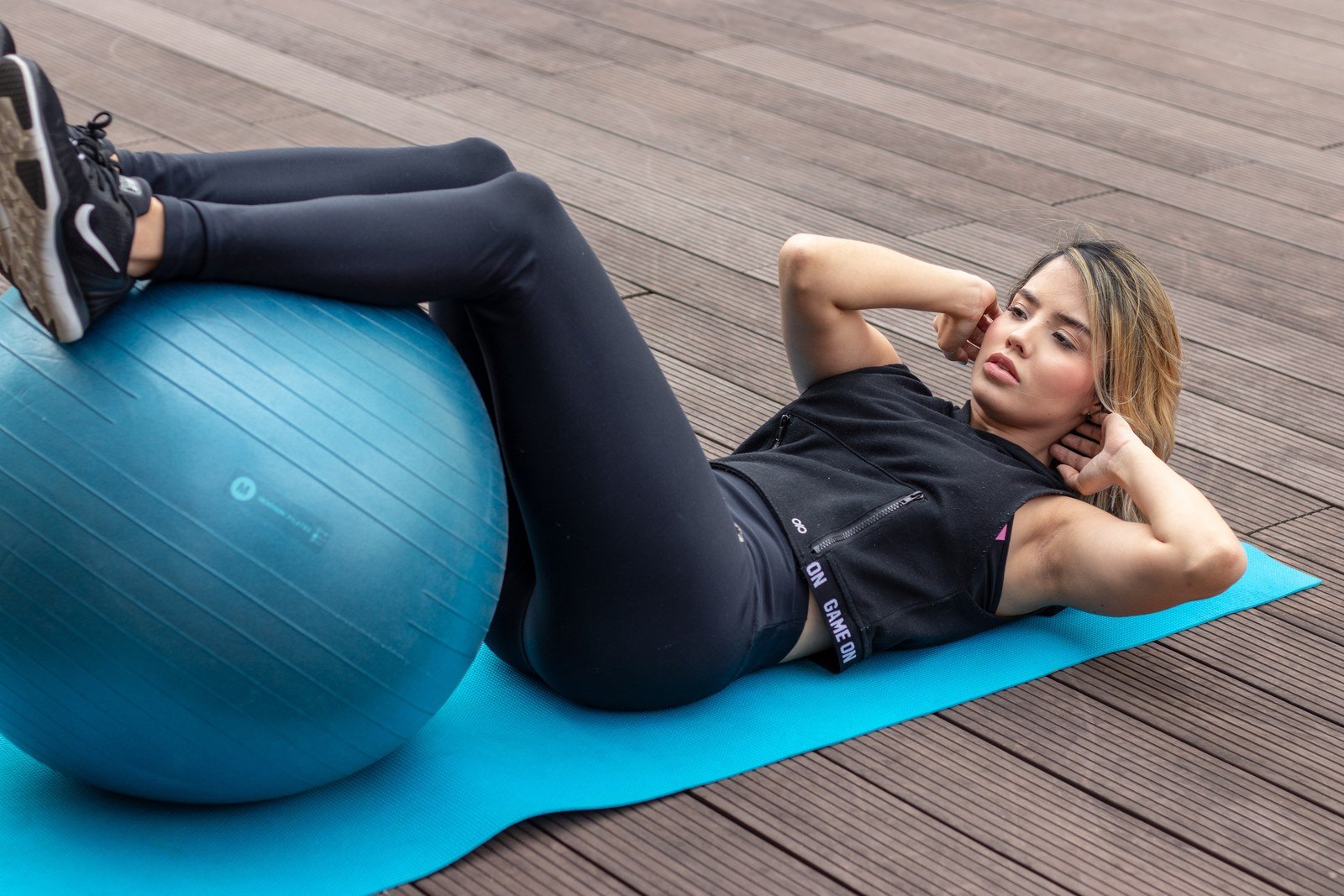
Lie on your back, knees bent, hands lightly supporting your head — not pulling your neck. Lift your shoulder blades off the floor, pause, then lower slowly.
Think “ribs toward hips” rather than sitting all the way up. Small, controlled lifts work the abs better than fast, jerky ones. 🎯
3. Lying leg raise
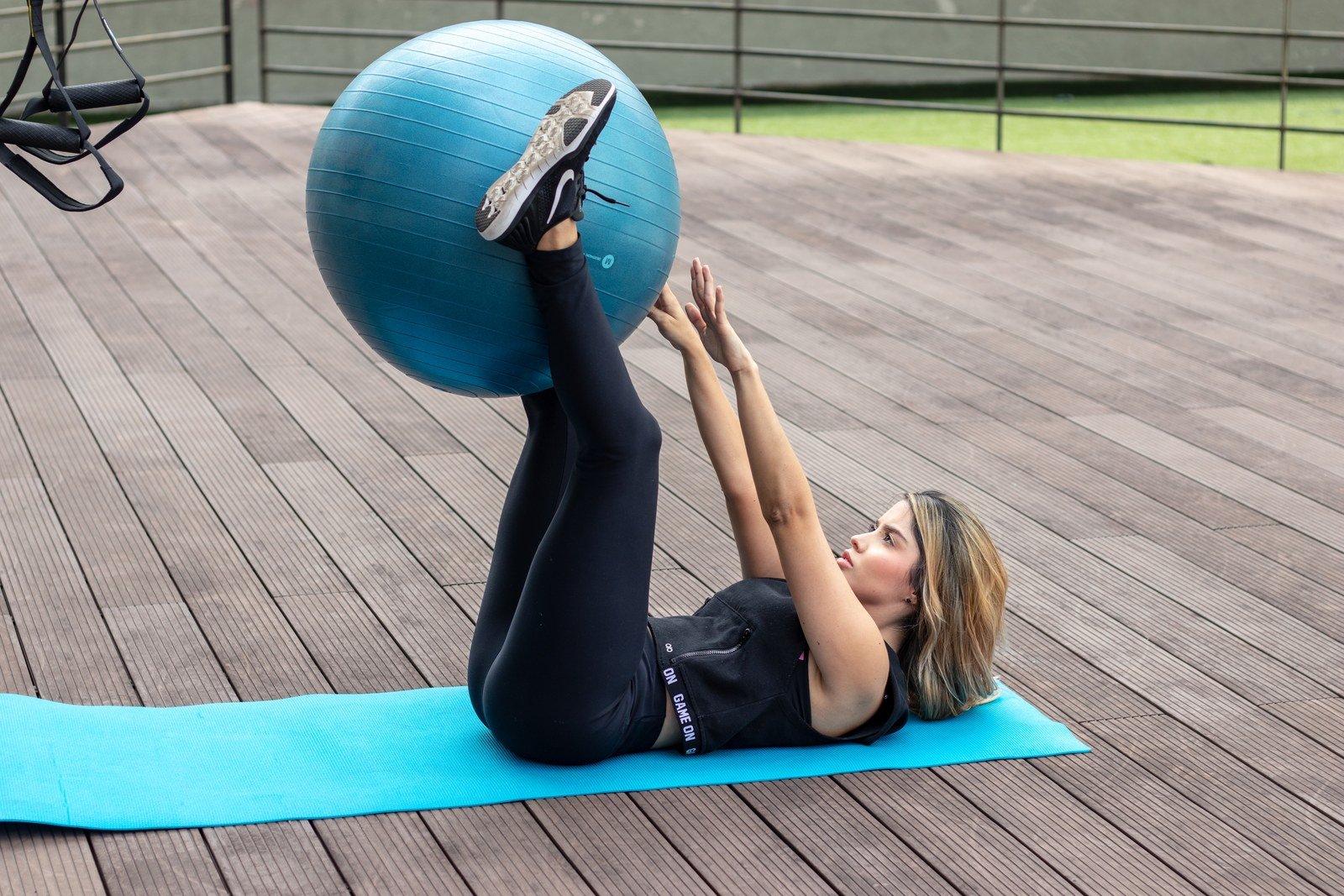
Lie flat, press your lower back gently into the floor, and raise your legs slowly until they point upward. Lower them just as slowly, stopping before your back arches.
Keep the range smaller if your back starts to arch — a shorter, well-controlled raise beats a big, sloppy one. A ball between the feet, as pictured, is optional. 🧘
4. Side plank
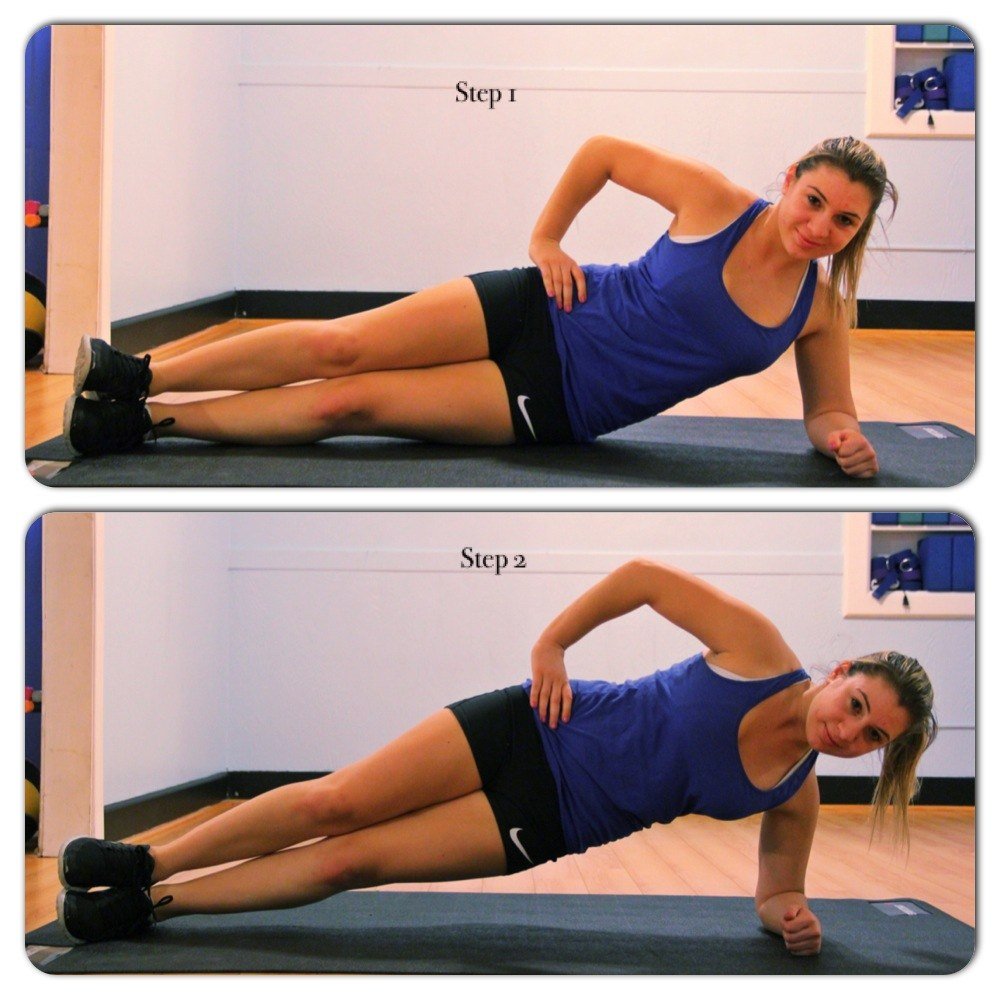
Lie on your side, elbow under your shoulder, and lift your hips so your body forms a straight line. Hold, breathe normally, then switch sides.
Beginners can bend the lower knee for support — the picture shows the set-up and the lifted position. Stop if your shoulder pinches, and try the easier version instead. ⚖️
5. Boat pose
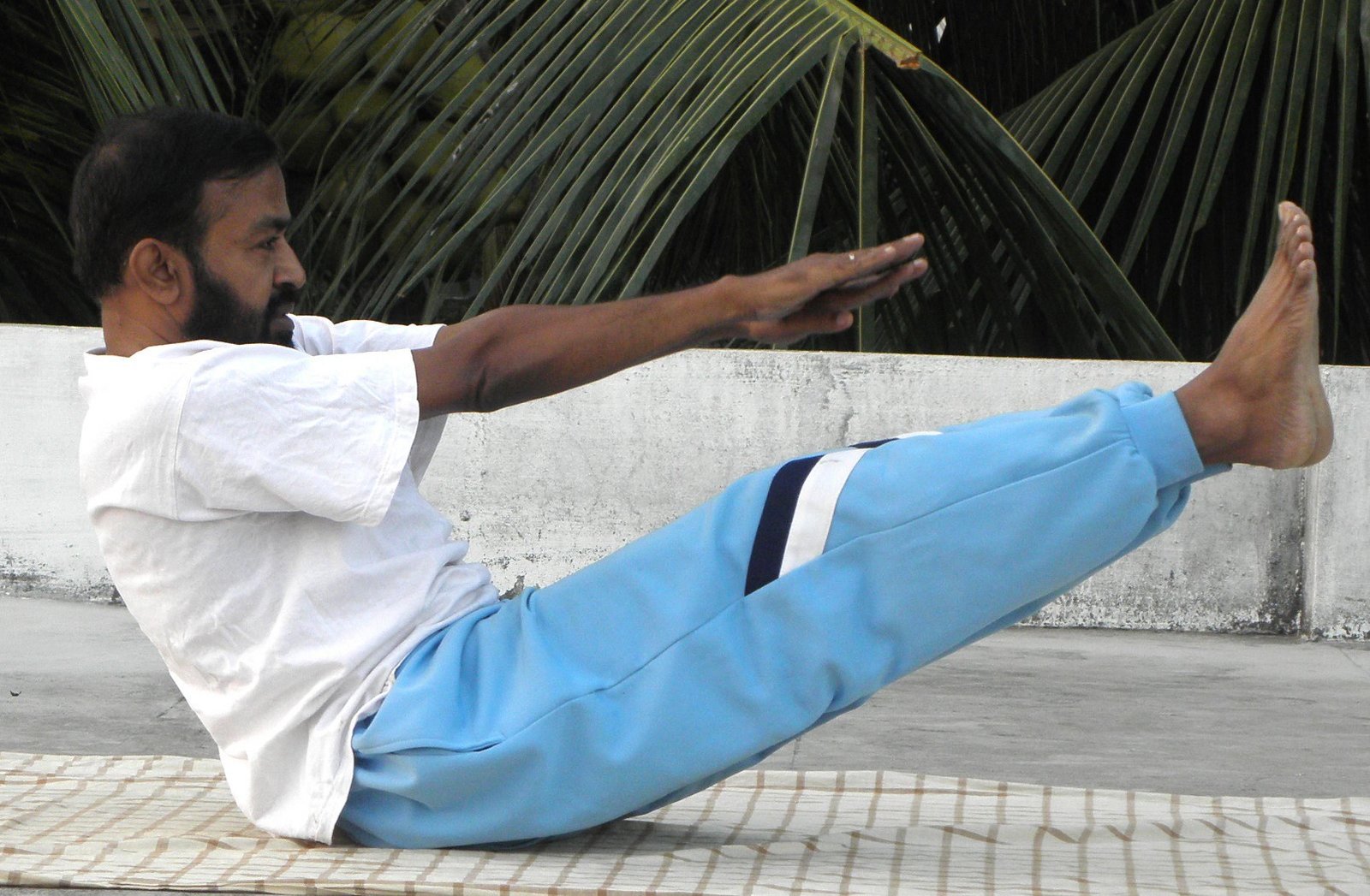
Sit tall, lean back slightly with a straight spine, and lift your legs so your body makes a V shape. Reach your arms forward alongside your legs.
Keep your chest open and your back long rather than rounded. Bent knees make an honest, effective easier version — hold what you can with good posture. 🚣
For more ideas that pair well with this routine, see our guide to building six-pack abs and our triceps workout for balanced upper-body strength.
Food, rest and patience 🥗
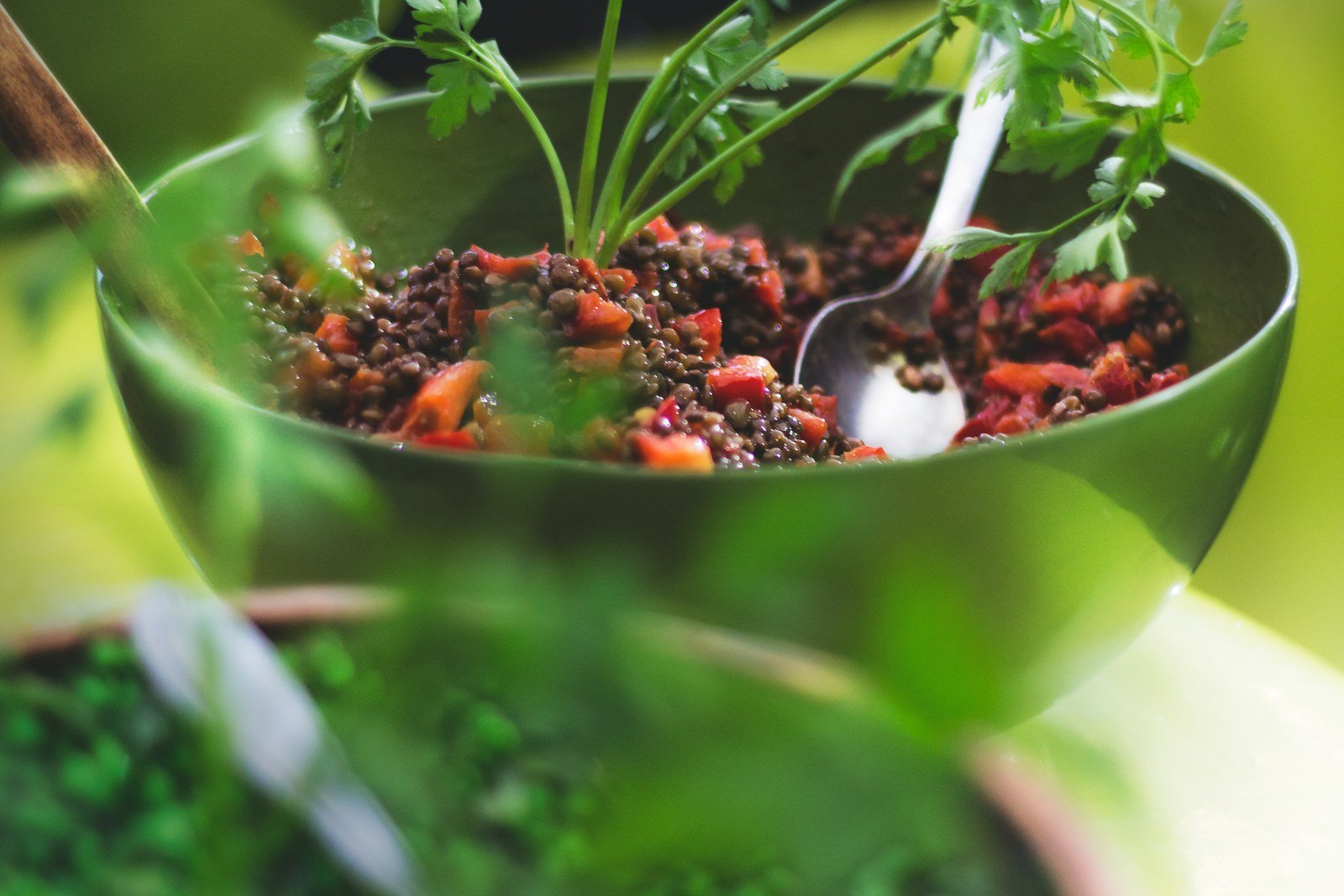
Training builds the muscle, but eating habits decide much of the fat-loss side. No single food burns belly fat, and no food is banned — the overall pattern matters most.
A helpful pattern is simple: mostly whole foods, plenty of vegetables, a protein-rich food at most meals, and drinks that are mostly water. Fats from foods like nuts, seeds, olive oil and avocado fit fine as part of a balanced diet. 🥑
Starving yourself backfires — it drains energy, makes training harder and is difficult to sustain. Steady, moderate habits you can keep for months beat extreme weeks every time.
Sleep and rest days count too. Muscles recover and grow stronger between sessions, not during them, so tired, under-slept training is rarely productive. 😴
A simple weekly shape: 2–3 short core sessions from the five moves above, a couple of full-body strength sessions, and regular walking or another cardio activity you enjoy. Adjust the mix to your life, not the other way round.
Our guide to exercises to reduce belly fat covers the same whole-body principle in more detail, if you want the wider picture.
How long will it take? Think in months, not days or weeks. How fast you see change depends on your starting point, consistency, sleep and genetics — and nobody can honestly promise a date.
Progress photos every few weeks, strength gains and how your clothes fit are better markers than daily scale checks. Small, steady wins add up. 📸
When should I get advice first? If you are pregnant, recently gave birth, have back pain, or any health condition, talk to a clinician before starting a new core routine. Stop any move that causes sharp pain.
Do I need supplements? No. No supplement is required for a strong core, and none can replace training and balanced eating. Save your money for good food and comfortable shoes. 👟
Can I do abs every day? You can do gentle core work often, but hard sessions need recovery days. Two to three focused sessions a week is plenty for most people.
This article is general information only, not medical advice. Your body, your pace, your goal — built steadily, it lasts. 💛