

Want to feel stronger, fitter and more energetic? 💪 These six workouts are a great place to start.
They need little or no equipment, and you can do most of them at home.
But let us be honest from the start: no single workout melts fat from one part of your body.
Fat loss happens across the whole body, over time, when you move more, eat in a balanced way, sleep well and stay consistent. 🏃♀️
That is why this list is about strength, stamina and confidence — not quick fixes or spot-shrinking promises.
The honest truth about “fat burning” 🔥
The phrase “fat burning” is used a lot, but it can be misleading.
Exercise uses energy, and over time that can help reduce overall body fat — but your body does not burn fat only from the muscles you are working.
Doing lots of crunches will not, on its own, remove belly fat. It can strengthen your core, which is still a worthwhile goal.
One small, well-known study found that six weeks of abdominal exercise improved core endurance but did not reduce abdominal fat.
Another study trained only one leg for 12 weeks and found fat loss did not concentrate in that leg.
A much smaller, more recent trial suggested trunk-focused endurance work might shift trunk fat a little more — but it had only 16 men, so it is far too small to promise anything.
The safe takeaway is simple: train your whole body, be patient, and judge progress by how you feel and move — not by one body part.
If you have pain, an injury, a health condition, or you are pregnant, check with a clinician or physiotherapist before starting a new routine. 🩺
Stop any move that causes sharp pain, and never push through dizziness or chest pain.
How to use this list 🧘♀️
Warm up for a few minutes first with gentle walking or marching in place.
Pick two or three moves to begin with, rather than trying all six on day one.
Rest between sets, drink water, and focus on good form over speed.
Most moves below can be made easier: step instead of jumping, shorten the range, or rest more often.
There is no shame in the easier version — it is still the same exercise, done well. ✨
1. Burpees 💥
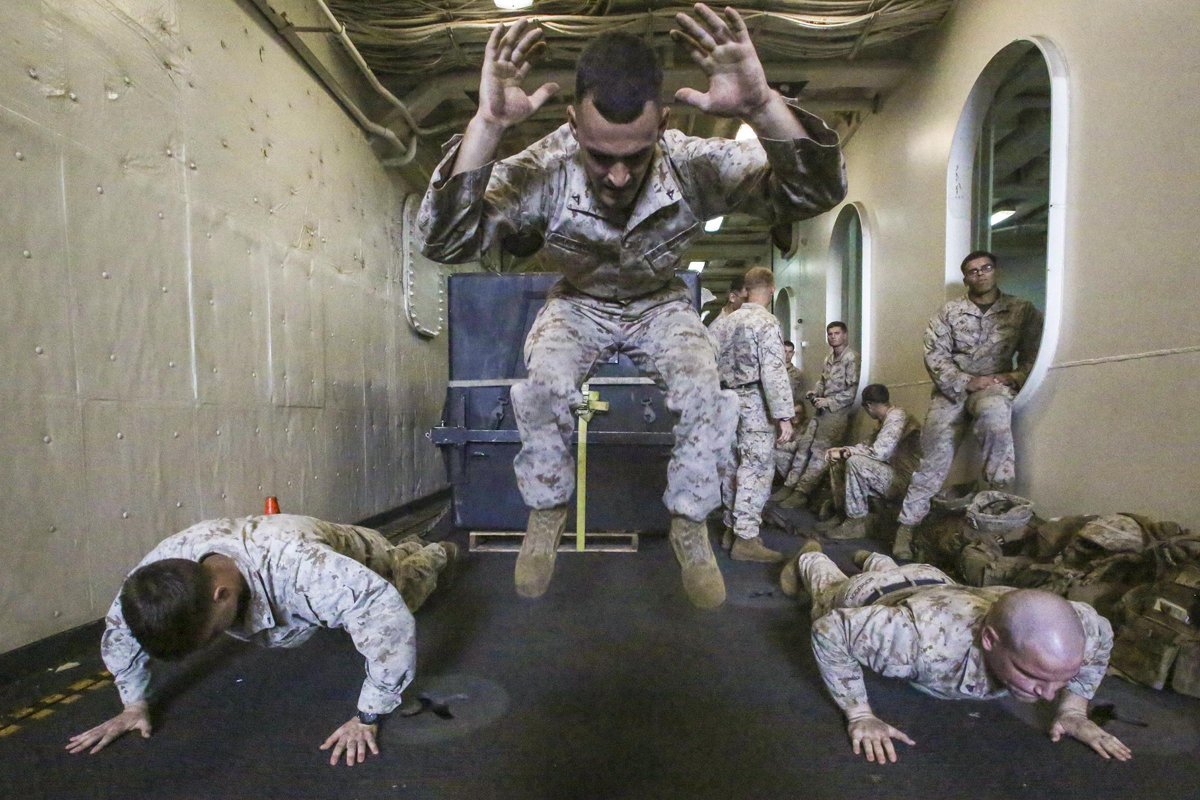
Burpees are a full-body move that gets your heart rate up quickly.
Start standing, squat down, place your hands on the floor, and step or jump your feet back into a plank.
Then step or jump your feet back in, stand up, and reach overhead.
Beginners can skip the jump and the push-up entirely — the step-back version still works hard.
Keep your back flat in the plank, and land softly with slightly bent knees.
2. Lunges 🦵
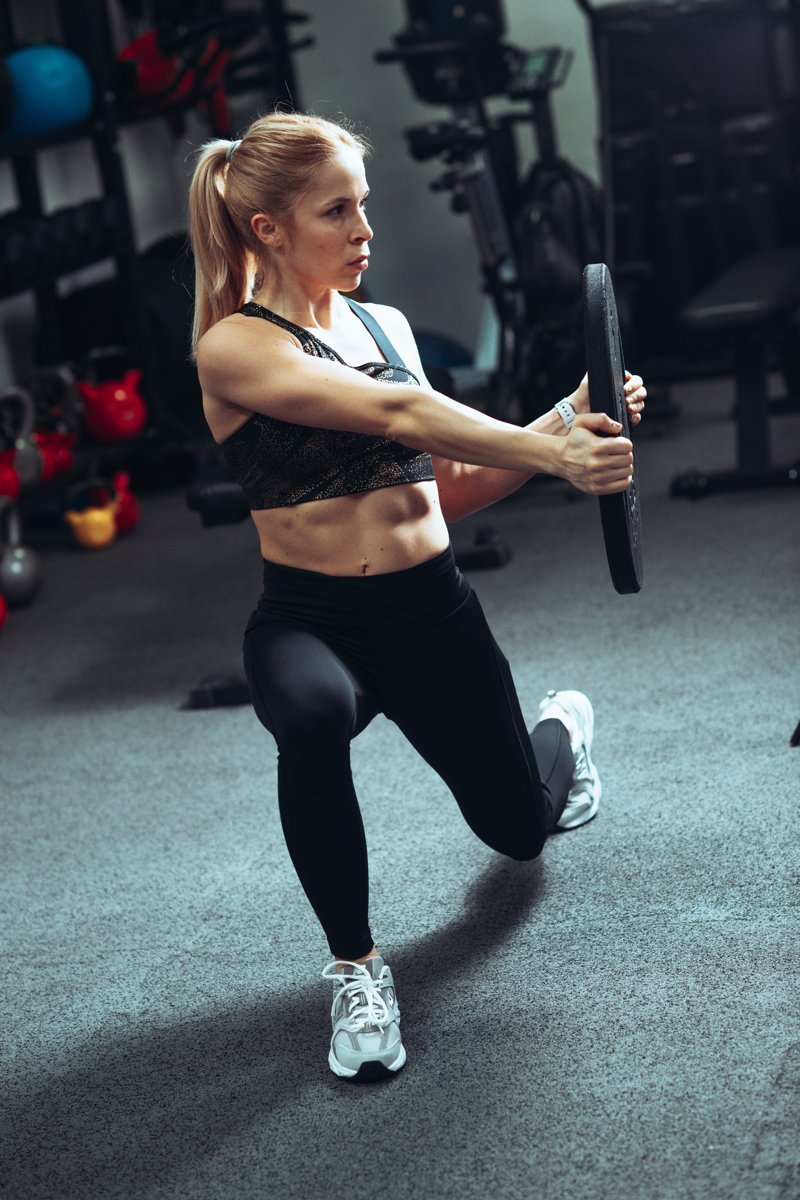
Lunges build leg and glute strength, and they test your balance too.
Step forward, lower until both knees are bent, then push back to standing.
Keep your chest tall and your front knee tracking over your toes, not collapsing inward.
The photo shows a weighted version, but bodyweight lunges are a perfect starting point.
If balance is tricky, hold a chair or wall for support, or take a shorter step.
For more lower-body ideas, see our guide to exercises to reduce belly fat — remembered honestly, as whole-body movement, not spot reduction.
3. Push-Ups 💪
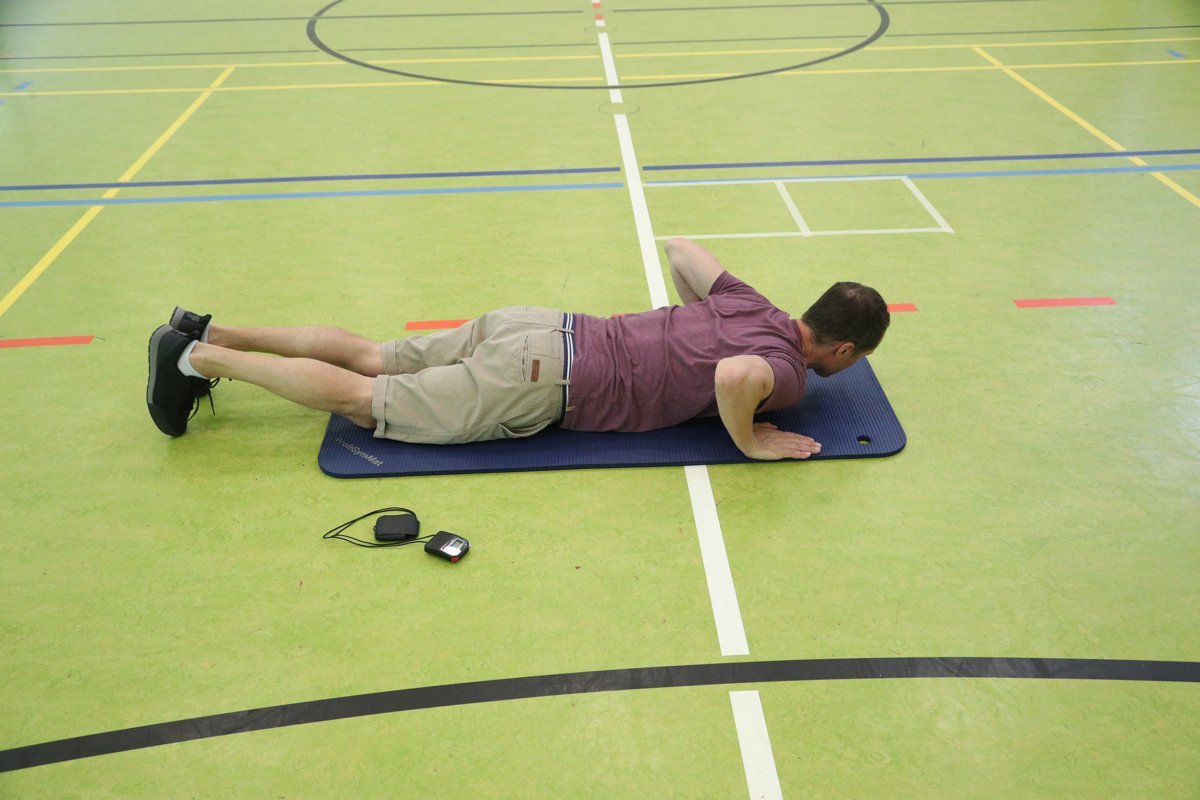
Push-ups strengthen your chest, shoulders, arms and core, all at once.
Start in a plank with hands under your shoulders, lower your chest toward the floor, then press back up.
If a full push-up is too hard, start from your knees, or with your hands on a raised surface like a bench.
Keep your body in one straight line, and do not let your hips sag or pike up.
Slow, controlled reps beat fast, sloppy ones every time.
4. Side Plank 🧱
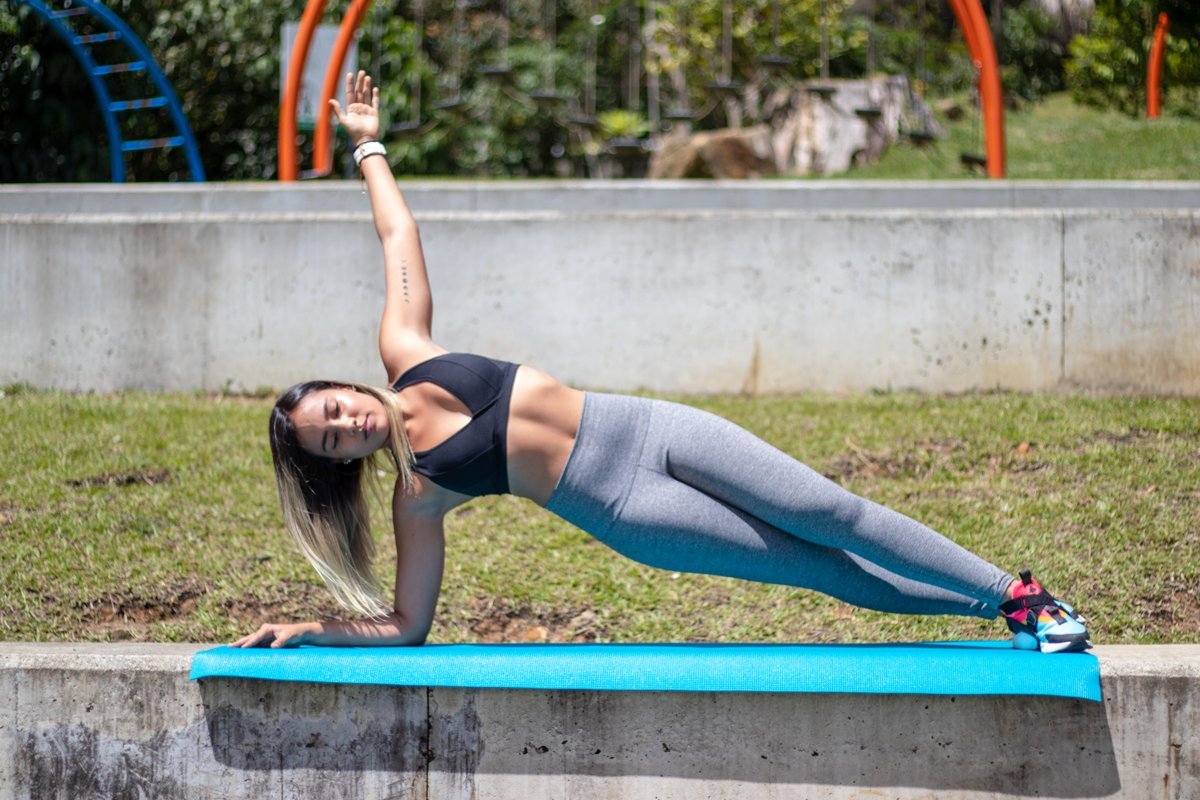
The side plank builds core stability and hip strength without any jumping.
Lie on your side, prop up on your forearm, and lift your hips so your body forms a straight line.
Hold for as long as you can keep good form, then switch sides.
An easier version is to bend your knees, or to keep your lower knee on the floor for support.
Breathe normally, and stop if your lower back starts to ache or your form falls apart.
5. Jumping Jacks ⭐
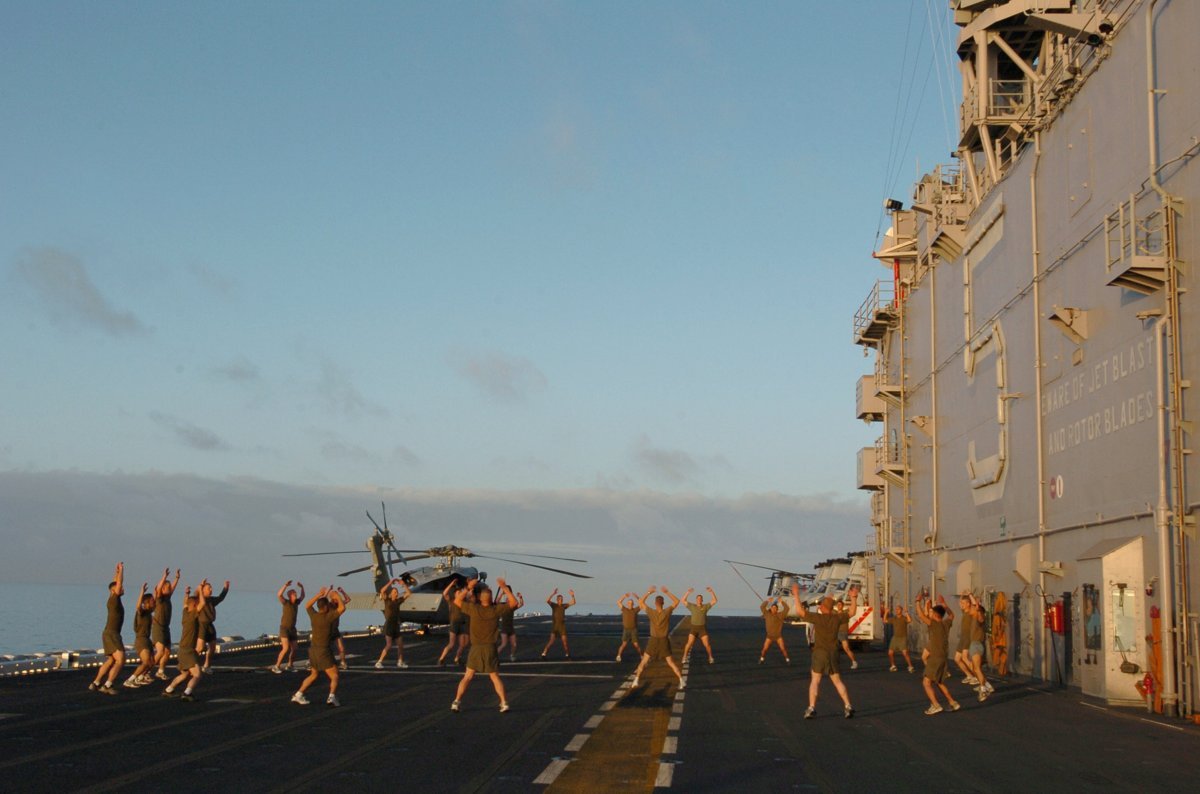
Jumping jacks are a simple, joyful warm-up or cardio burst.
Stand tall, jump your feet out while raising your arms overhead, then jump back to standing.
They raise your heart rate and get your whole body moving — which is exactly what a warm-up should do.
Prefer a low-impact version? Step one foot out at a time instead of jumping, and keep the arm movement.
Land softly, wear supportive shoes, and keep the jumps small if your knees complain.
6. Stability-Ball Crunches 🎱
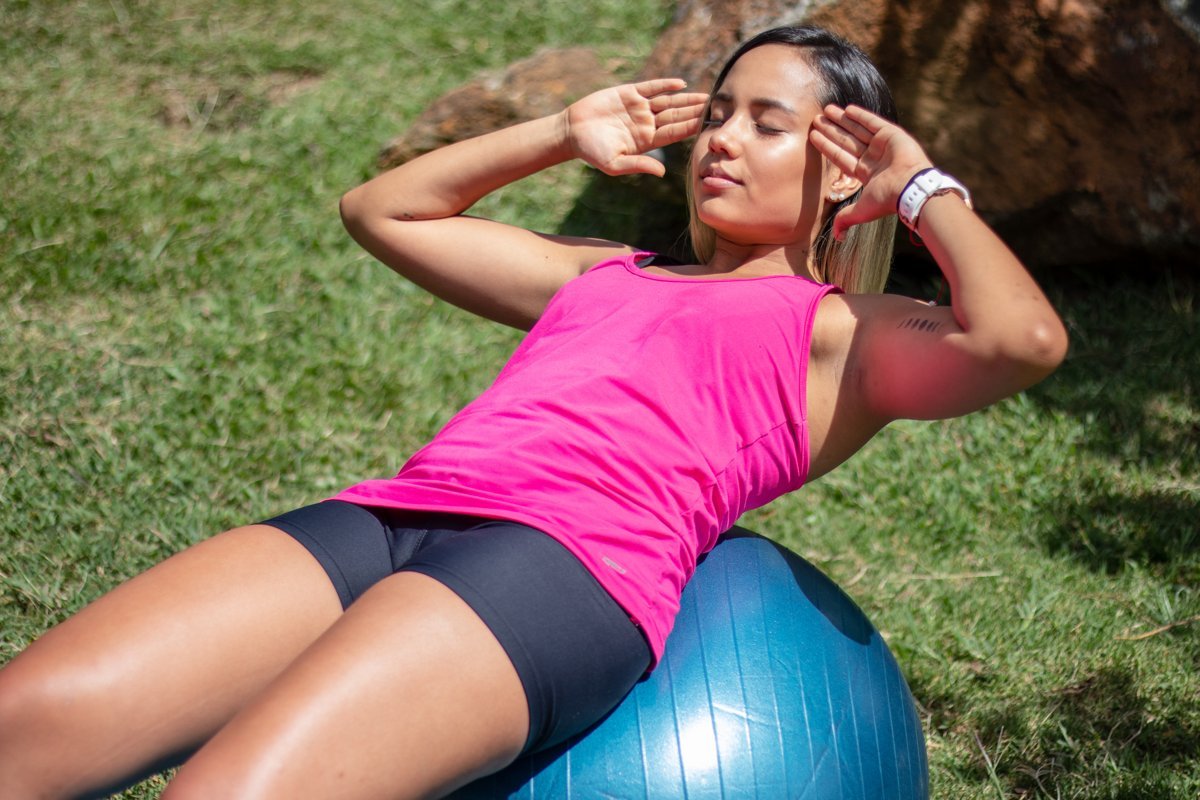
Crunches on a stability ball work your core with a little extra balance challenge.
Sit on the ball, walk your feet forward until the ball supports your lower back, and place your hands across your chest.
Curl your upper body up slowly, pause, then lower back down with control.
Keep the movement small and steady — you do not need to sit all the way up.
Remember, this strengthens your core; it does not, on its own, burn belly fat away.
What actually helps over time 🌱
The moves above are only one part of the picture.
Regular activity you enjoy, balanced meals, enough sleep and patience matter just as much.
Walking, dancing, cycling or playing with your kids all count as movement.
Small, steady habits tend to last longer than extreme plans that burn out in a week.
If you are over 40 or returning to exercise after a break, our guide to exercises for women over 40 has gentler starting points.
And if belly fat is your main worry, read how to burn belly fat alongside this list, so the honest, whole-body picture stays clear.
FAQs ❓
Can I target fat on my belly, arms or thighs?
No — not by choosing exercises for that area alone.
Those exercises can strengthen the muscles underneath, but fat loss happens across the body as a whole.
Do I need to work out every day?
No. Regular movement through the week is more useful than an exhausting daily grind.
Rest days help your body recover, and they make it easier to keep going.
Is losing weight always a good thing?
Not automatically. Health is about more than a number on a scale.
If you are thinking about weight loss for health reasons, a clinician can help you set a sensible, personal goal.
What if I cannot do a move in this list?
Then skip it, swap it, or use the easier version described above.
There is no single “must-do” exercise — the best routine is one you can do safely and enjoy.
Start small, move often, and celebrate what your body can do. 🌸
General information only: this article is not medical advice. If you have a health condition, an injury, or you are pregnant, please speak to a clinician or physiotherapist before starting a new exercise programme.