

Most of your daily moves happen in front of your body, so your back can end up doing far less work than your chest and arms. 💪
That imbalance is worth fixing, because a stronger back supports better posture and makes everyday pulling, lifting and carrying feel easier.
This guide does something the old version did not: it tells you honestly what these exercises can and cannot do about body fat.
The Honest Truth First: You Cannot Target Back Fat
No exercise burns fat from one chosen spot, including the back. Working your back muscles builds the muscle underneath, but the fat over it comes off — if it comes off — as part of overall fat loss.
That is not just an opinion. In a 2011 study, 24 adults did abdominal exercises five days a week for six weeks, and researchers found no significant effect on abdominal fat, even though their muscular endurance improved. 📊
A 2013 study that trained only one leg for 12 weeks reached a similar conclusion: whole-body fat changed, but the trained leg did not lose more fat than the untrained one.
One small 2023 trial of 16 men did report a modest extra trunk-fat edge when abdominal endurance work was added to treadmill running, but the sample was tiny and total fat loss was similar in both groups — so it is a hint to keep in perspective, not a promise.
The practical takeaway is simple. Use these moves to build a stronger, healthier back, and pair them with regular overall activity and balanced eating if overall fat loss is your goal. There is no timeline here, and no guaranteed inch loss from any single move.
How to Use This Routine
Pick two or three of these moves per session, two or three times a week, and leave a rest day between back sessions. 🏋️
Start light, learn the shape of each move first, and only add weight when your form stays clean. Stop if anything hurts sharply, and talk to a clinician or physiotherapist about pain, an injury, pregnancy or any health condition before starting a new routine.
This article is general information only, not medical advice.
1. Bent-Over Row (Landmine Version)
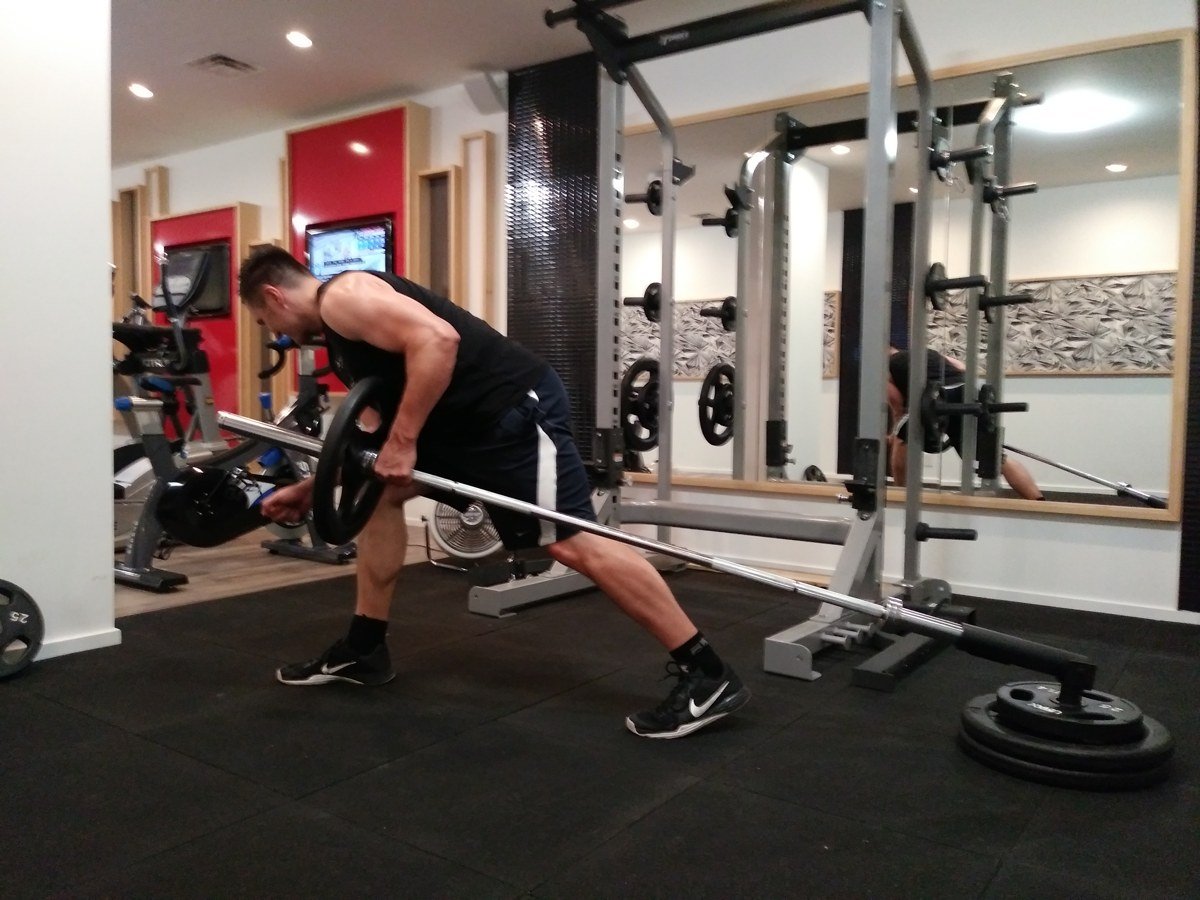
The bent-over row is a classic pulling move for the upper and mid-back, working the lats, traps and rhomboids together. 💪
Stand over the bar with your hips pushed back and your back flat, then pull the bar toward your lower chest and lower it with control. Keep your head in line with your spine and avoid rounding your lower back.
The photo shows the landmine version, where one end of the bar is anchored — a helpful setup if a free barbell feels hard to control.
2. Wide-Grip Lat Pulldown
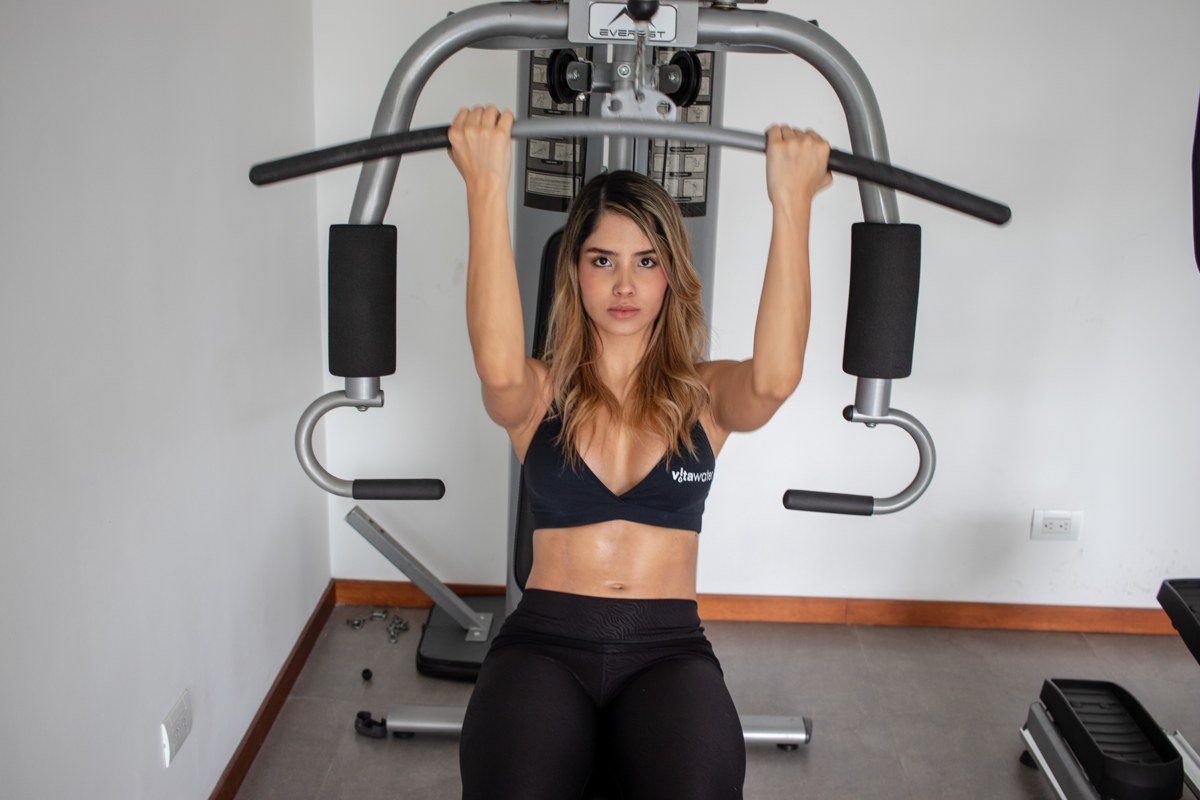
The lat pulldown trains the broad muscles of the back through a full pulling range, and it is a good stepping stone toward pull-ups. 🏋️
Sit tall, grip the bar wider than your shoulders, and pull it down toward your upper chest without leaning far back. Let the bar rise slowly rather than letting the weight stack drop.
If your shoulders pinch or click, try a slightly narrower grip or a lighter weight and ask a trainer or physiotherapist for a form check.
3. Seated Cable Row
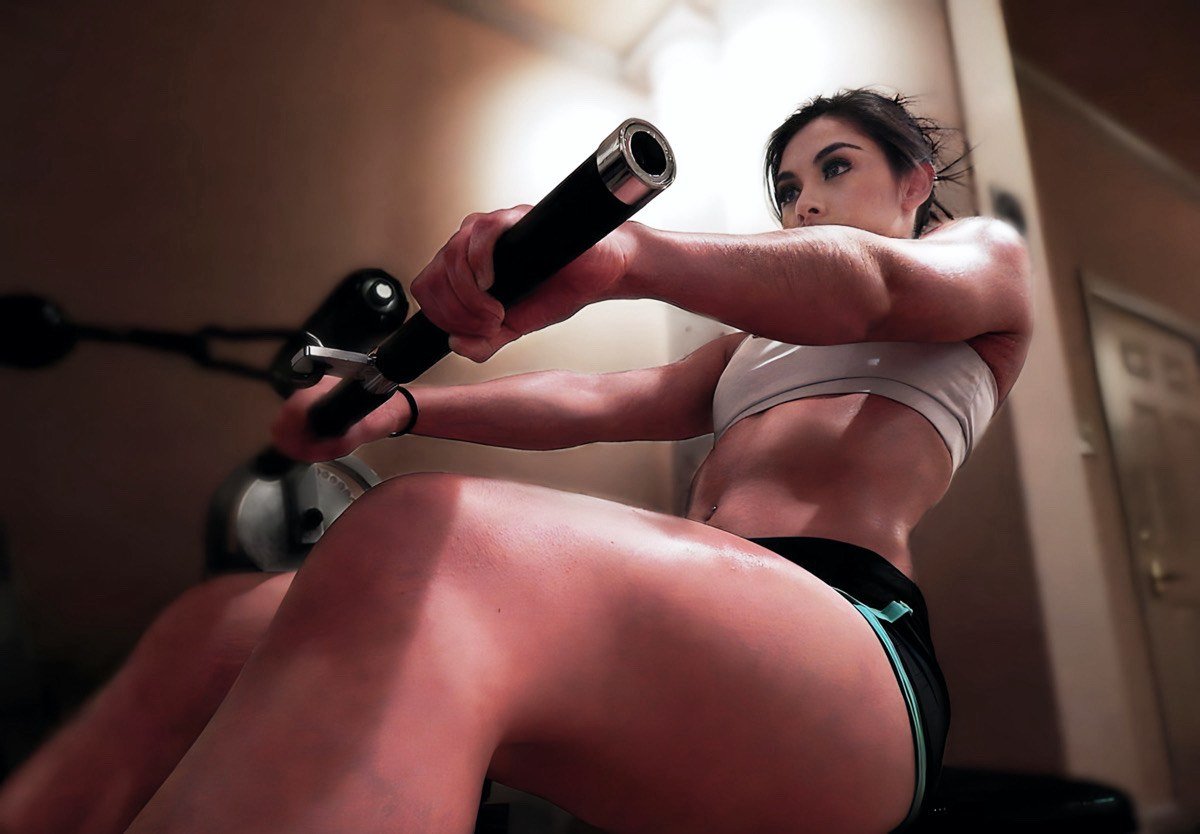
The seated cable row keeps your torso supported, so you can focus on squeezing your shoulder blades together as you pull. ✨
Sit with a straight back, pull the handle toward your stomach, pause briefly, then extend your arms slowly. Avoid rocking your whole body to move the weight.
This is a good partner move to the lat pulldown, since one pulls down and the other pulls toward you.
4. Inverted Row
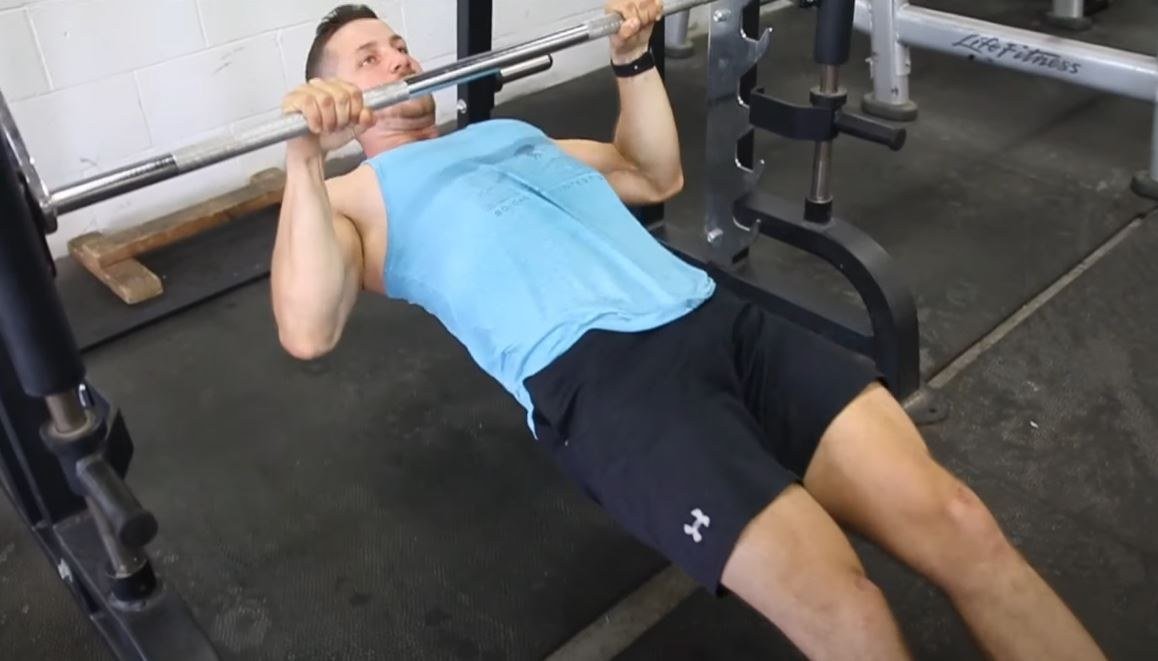
The inverted row is a bodyweight pulling move: you lie under a low bar, keep your body straight, and pull your chest to the bar. 💪
It works the back and biceps together, and it is easy to scale — walk your feet further away to make it harder, or closer to make it easier.
Keep your hips up and your body in one straight line from head to heels, and stop the set before your hips start to sag.
5. Bird Dog
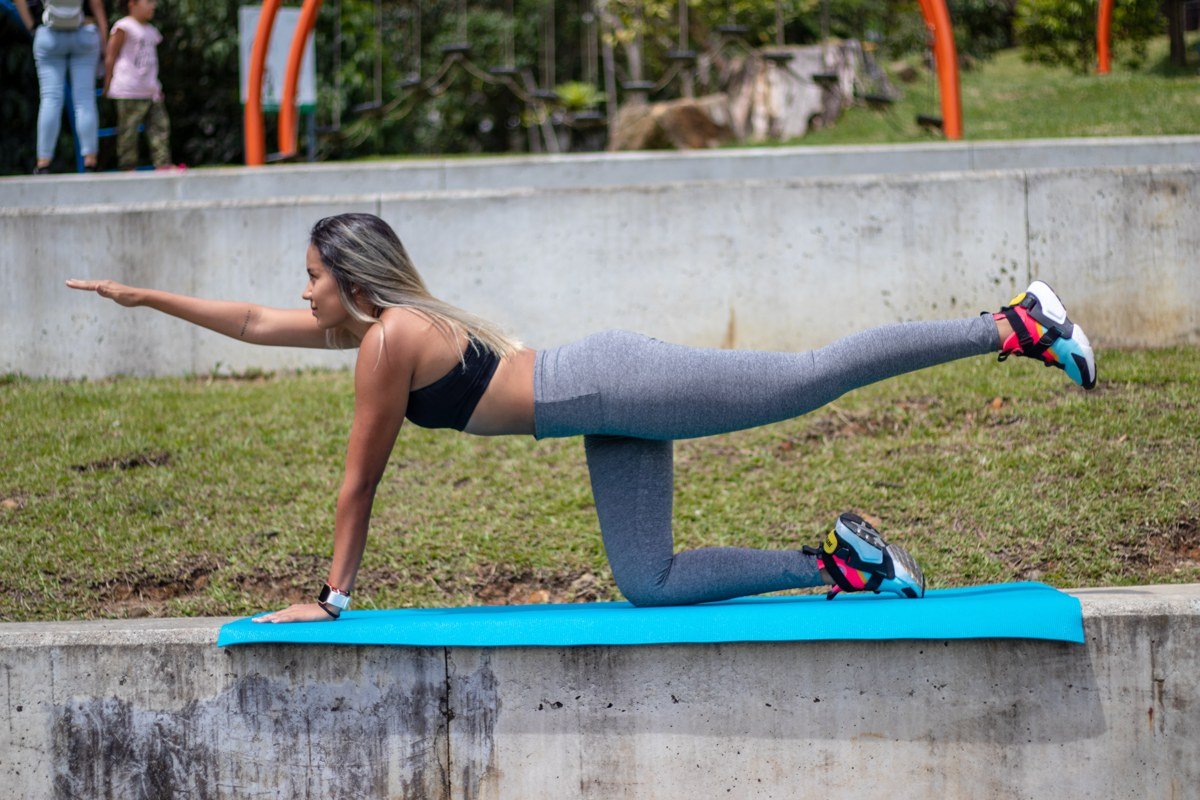
The bird dog trains the muscles around your spine while challenging your balance, all from a stable hands-and-knees position. 🐦
From all fours, extend one arm forward and the opposite leg back until both are roughly level with your body, hold briefly without letting your hips tilt, then return slowly and switch sides.
Keep your back flat and your movements slow. The old “crunch” version is not pictured here, so this entry is the plain bird dog hold shown in the photo — and as with every move here, stop if it hurts.
6. Cat-Cow Pose
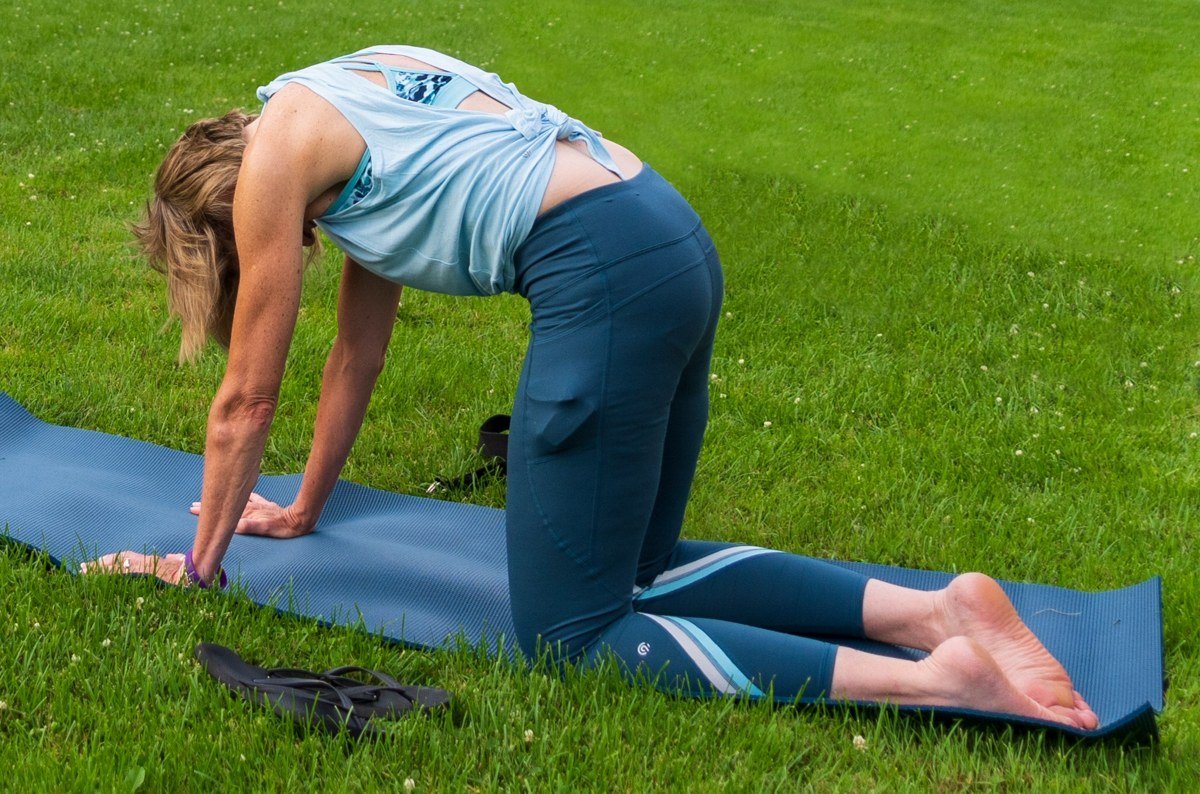
Cat-cow is a gentle hands-and-knees flow that moves your spine through flexion and extension, and it makes a good warm-up or cool-down. 🧘
For the cat phase shown here, round your back upward, tuck your chin slightly and breathe out. Then reverse it: let your belly drop, lift your head gently and breathe in for the cow phase.
Move slowly and stay within a comfortable range. If you have back pain, check with a clinician or physiotherapist first — and if you want more gentle options, see our back pain exercises guide.
What Actually Helps Overall Fat Loss?
Fat loss comes down to using more energy than you take in over time, through a mix of regular activity and balanced eating — not from one “fat-burning” move. 🥗
Strength work like the moves above helps by building muscle and supporting an active life, while walking, cycling, swimming or any activity you enjoy adds up across the week.
For the same honest approach applied to the midsection, read our exercises to reduce belly fat guide, and for upper-body balance, our tone flabby arms exercises guide.
Frequently Asked Questions
Can back exercises remove back fat specifically?
No. They strengthen the back muscles, but fat loss happens across the whole body, not just where you train.
How often should I train my back?
Two or three sessions a week, with rest days in between, is a sensible starting point for most healthy adults. Adjust to your recovery and any professional advice you receive.
Do I need a gym for these exercises?
Not for all of them. Cat-cow and the inverted row (with a sturdy low bar) need little equipment, while the pulldown and cable row need gym machines and the landmine row needs a bar setup.
What if an exercise hurts?
Stop, and do not push through sharp pain. Mild muscle effort is normal; joint or sharp back pain is a signal to rest and seek a clinician or physiotherapist’s advice.