

🍗 Chicken breast is one of the most popular lean proteins around, and for a simple reason: a plain, skinless breast packs a lot of protein into a modest number of calories, with no carbohydrate at all.
But the numbers on a label — or in an old article — only mean something when you know what cut, what portion, and what cooking method they describe. This guide clears that up, using current USDA figures.
What Chicken Breast Actually Contains
The figures below come from the USDA FoodData Central database. Plain chicken breast is naturally low in sodium before anything is added — most of the salt in a finished dish comes from seasoning, sauces, and breading.
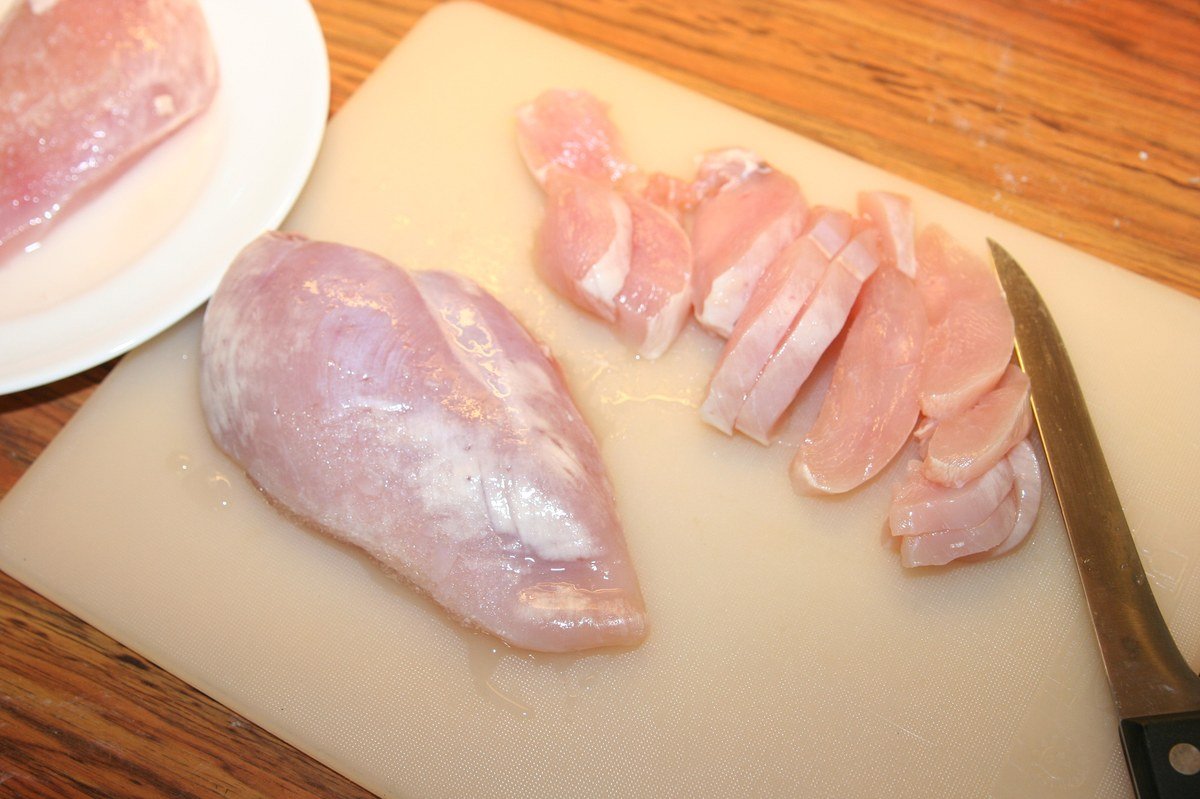
Photo: Dnor / Wikimedia Commons
Per 100 grams of raw, skinless, boneless chicken breast, the USDA lists about 120 calories, 22.5 grams of protein, 2.6 grams of fat, and 0 grams of carbohydrate.
Per 100 grams of cooked, roasted chicken breast (meat only, no skin, no added fat), the USDA lists about 165 calories, 31 grams of protein, 3.6 grams of fat, and 0 grams of carbohydrate.
Why do the cooked numbers look higher? Cooking drives off water, so the same breast weighs less once cooked — and each 100 grams of what is left is more concentrated. That is also why comparing raw and cooked weights directly causes confusion.
A cooked breast also supplies useful micronutrients, including niacin, vitamin B6, selenium, and phosphorus. Amounts vary a little between products, so treat these figures as a solid guide rather than an exact promise for every pack.
How It Fits a Balanced Plate 🥗
Chicken breast works best as one part of a varied plate, not the whole story. Pair it with vegetables, a whole grain or starchy vegetable, and a source of healthy fat, and the meal covers far more nutritional ground than chicken alone.
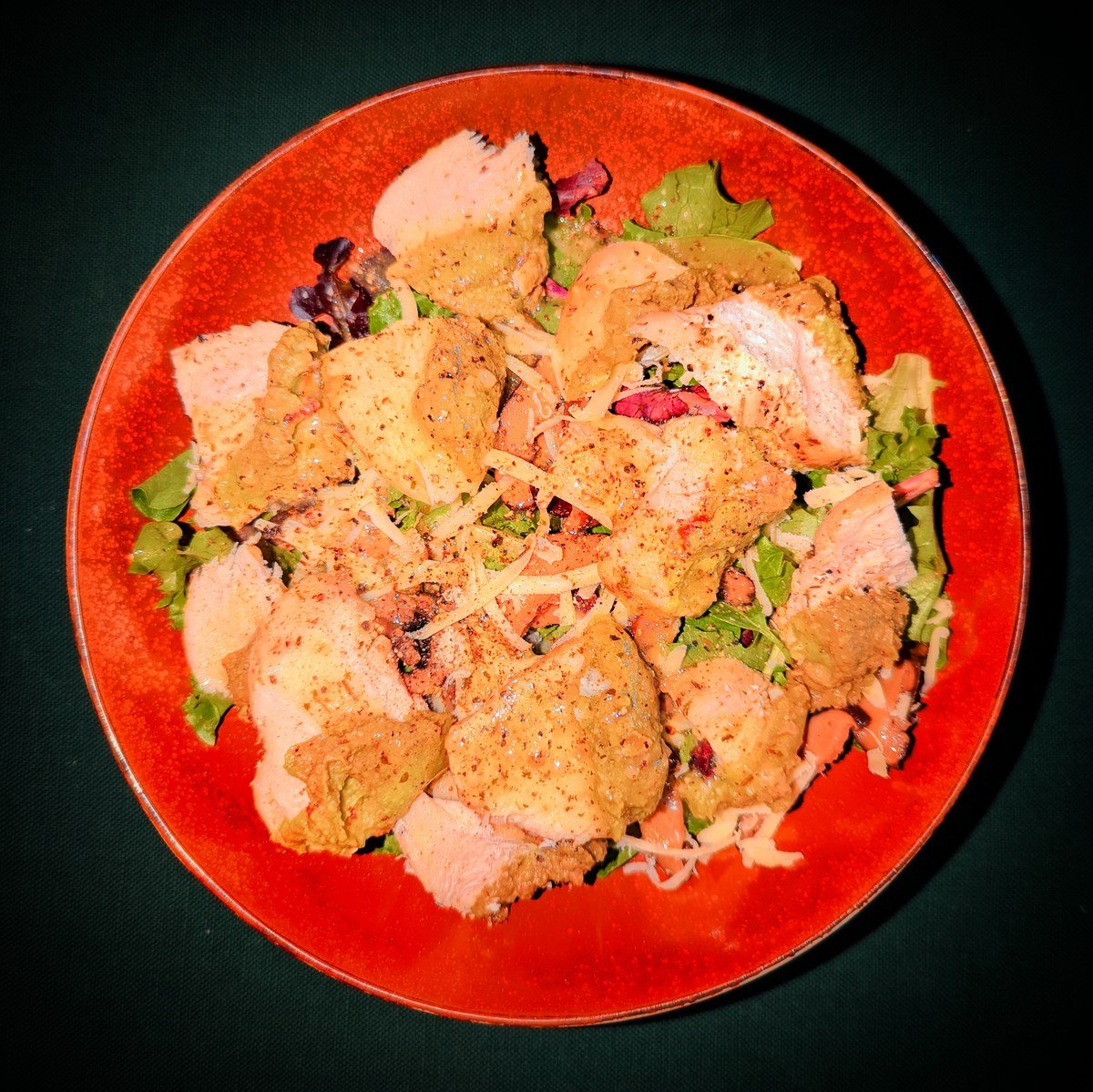
Photo: Daderot / Wikimedia Commons
A simple formula that works for many people: half the plate vegetables or salad, a quarter chicken breast, and a quarter grains, potatoes, or beans. Add a drizzle of olive oil or a handful of nuts if you want more richness.
Variety matters too. Eating chicken at every meal is not a problem in itself, but a diet built on one food misses out on the different nutrients other foods offer. Rotating in fish, beans, lentils, eggs, and dairy keeps things broader.
For more protein ideas beyond chicken, see our guide to the best sources of protein, and for quick midday meals, our healthiest lunch ideas.
Cooking It Well — and Safely 🔥
Grilling, baking, roasting, and sautéing are all good ways to cook chicken breast. The method matters less than two things: the temperature it reaches, and what you add to it.
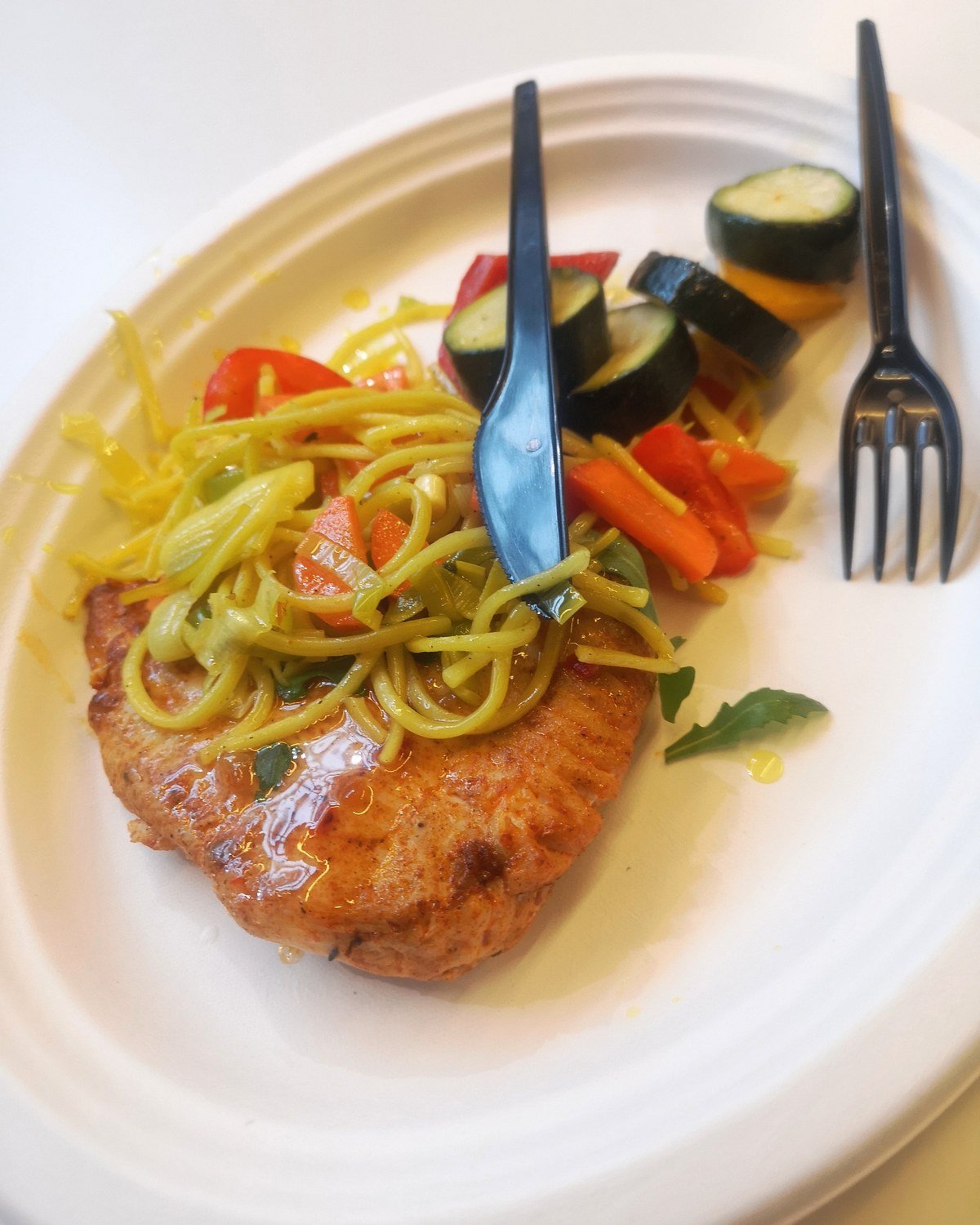
Photo: Silar / Wikimedia Commons
Grilling adds flavour without much fat, especially with a simple marinade of olive oil, lemon, and herbs. Baking is hands-off and easy for a family meal — season lightly and let the breast cook in its own juices.
Roasting takes a little longer and gives a crisped exterior with tender meat inside. Sautéing sliced breast in a pan cooks it fast and evenly, which suits stir-fries and salads.
Frying, heavy sauces, cheese toppings, and bacon all add fat, salt, and calories — sometimes more than the chicken itself. That does not make a dish “bad,” but it does change the nutrition picture, so it is worth knowing.
Cook it to 165°F (74°C). The USDA advises cooking all poultry to an internal temperature of 165°F, measured with a food thermometer in the thickest part. Colour alone is not a reliable guide.
Do not wash raw chicken. Rinsing spreads bacteria in splashed water onto sinks, counters, and nearby foods. Cooking to temperature is what makes it safe, not washing.
Keep raw chicken separate. Use a separate board and knife for raw poultry, and wash hands, boards, and utensils with hot, soapy water after handling it. Prepare salads and other ready-to-eat foods before the raw chicken, not after.
Store leftovers promptly. Refrigerate cooked chicken within 2 hours of cooking — within 1 hour if the temperature is above 90°F. Eat refrigerated leftovers within 3 to 4 days, and reheat them to 165°F. When in doubt, throw it out.
Honest Limits ⚖️
No single food causes weight loss or builds muscle on its own. Chicken breast can support a protein-rich, balanced diet, but results depend on the whole diet, activity, sleep, and other factors — not on one ingredient.
Chicken breast also does not prevent or treat any disease, and this guide is general information, not medical advice. If you have a health condition or specific dietary needs, talk to your doctor or a registered dietitian.
Compared with many red-meat cuts, skinless chicken breast is lower in saturated fat. Keeping the skin on adds fat and calories, so removing it is the simplest way to keep the cut lean.
FAQs
Is chicken breast healthy?
As a food, plain skinless chicken breast is a lean, high-protein choice with no carbohydrate and modest fat. How healthy a meal is overall depends on cooking method, portion, and what is served with it.
Is chicken breast good for weight loss?
Its high protein and low fat can help a meal feel satisfying, which some people find useful when managing their weight. But no food guarantees weight loss — the overall diet and lifestyle matter most.
Can I eat chicken breast every day?
There is nothing about chicken itself that makes daily eating a problem, as long as it is cooked safely and your diet still includes variety — vegetables, grains, fruits, and other protein sources.
Is chicken breast better than beef?
For people aiming for lower saturated fat, skinless chicken breast usually compares favourably with fattier red-meat cuts. Lean beef can still fit a balanced diet; the cut and cooking method matter on both sides.
Does chicken breast raise cholesterol?
Dietary cholesterol in food is only part of the picture, and blood cholesterol is influenced by overall diet, activity, and genetics. Choosing skinless breast and gentler cooking methods keeps added fat lower. Anyone managing cholesterol should discuss their diet with a clinician.
Protein powders are a different route to the same nutrient — our best protein powders for strength athletes guide compares them, but whole foods like chicken remain the everyday baseline.
🥘 In short: chicken breast is a simple, versatile, protein-rich food. Cook it to 165°F, pair it with plenty of vegetables, keep portions sensible, and it earns its place on the plate.