

There is no single trick behind feeling fitter. 💪
Real fitness is usually quiet and ordinary: moving a little most days, getting stronger gradually, eating in a balanced way, and sleeping well enough to recover.
This guide rebuilds an old, overstated list into something honest. It keeps six foundations that most healthy adults can start gently — and drops the miracle promises, detox claims and diet prescriptions.
It will not transform your body in a week, and it should not try to. Small habits, kept for months, are worth far more than a perfect week followed by burnout. 🌱
General information only — not medical advice. If you have pain, an injury, a health condition, or you are pregnant, talk to a clinician or physiotherapist before starting a new exercise routine. Stop if something hurts, and do not push through sharp pain.
1. Walk more every day 🚶
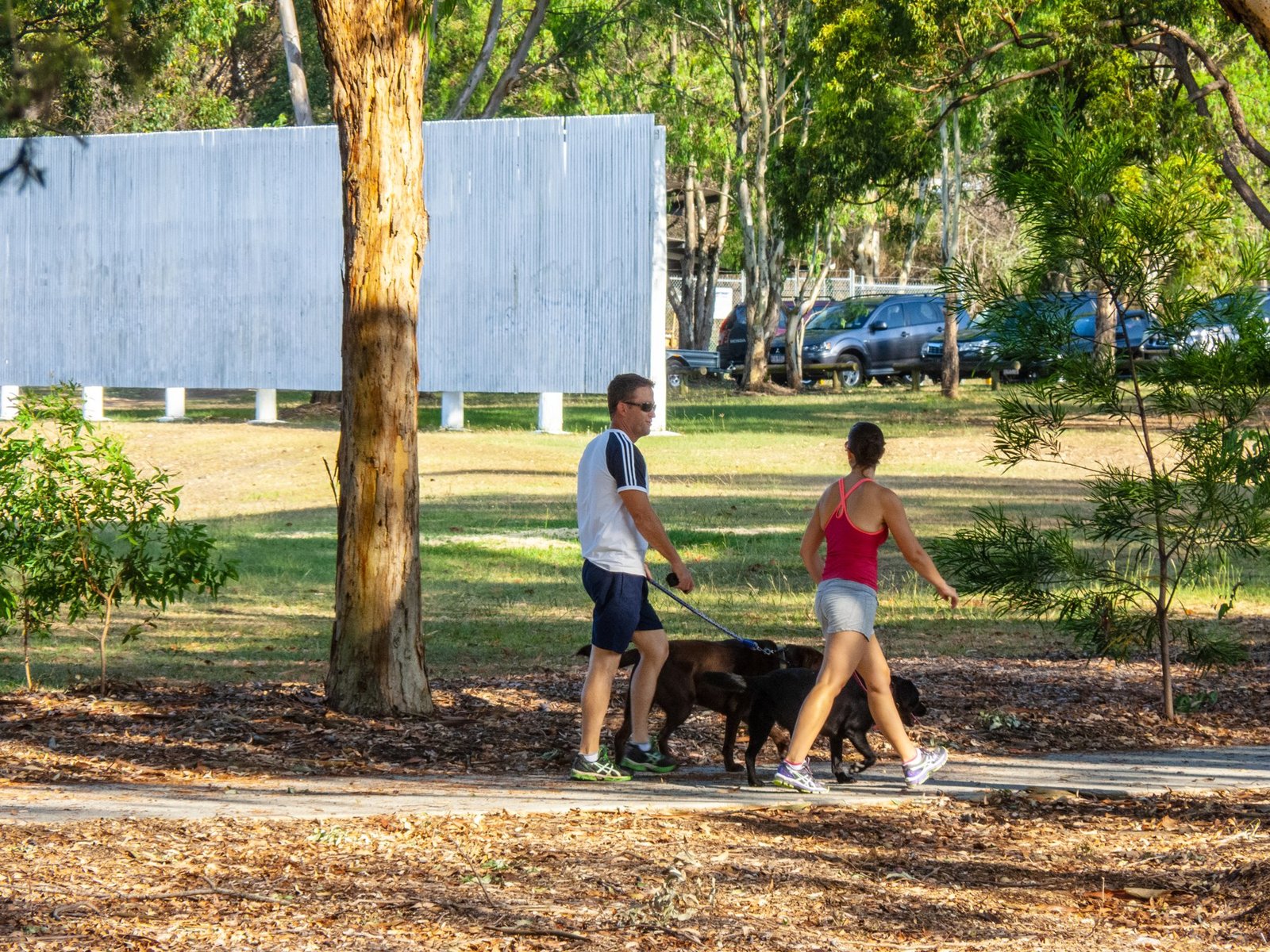
Walking is the easiest foundation to keep, because it fits into a normal day rather than demanding a gym trip.
Walk to the shop, take the stairs when you can, or add a short walk after a meal. A brisk walk — one where you can talk but not sing — already counts as moderate activity.
If walking is your main exercise for now, that is a genuine start, not a failure. You can build from there, one week at a time, and our guide on ways to lose weight without formal exercise covers the same everyday-movement idea.
2. Add cardio you actually enjoy 🏃

Cardio simply means activity that raises your heart rate and breathing — running, cycling, swimming, dancing, or a fast walk all count.
Pick the one you dislike least, because the best cardio is the one you will still do in a month. Start short, warm up gently, and build distance or time gradually rather than jumping to long sessions.
As a broad guide, the World Health Organization suggests adults aim for 150 to 300 minutes of moderate activity a week, or 75 to 150 minutes of vigorous activity, or a mix of the two. Treat that as a direction to work toward, not a pass-or-fail test in week one.
3. Get stronger with your own body weight: the gentle squat 🦵

Strength work helps everyday life — standing up, carrying bags, climbing stairs — and you do not need heavy weights to begin.
The mini-squat pictured here is a gentle starting point: feet about shoulder-width apart, chest up, knees bending only a little, as if you are about to sit. Keep the movement pain-free and controlled.
Go only as deep as feels comfortable, hold something sturdy for balance if you need it, and stop if your knees or back hurt. A physiotherapist can check your form if anything feels wrong.
4. Build a steady core: the high plank 🧘
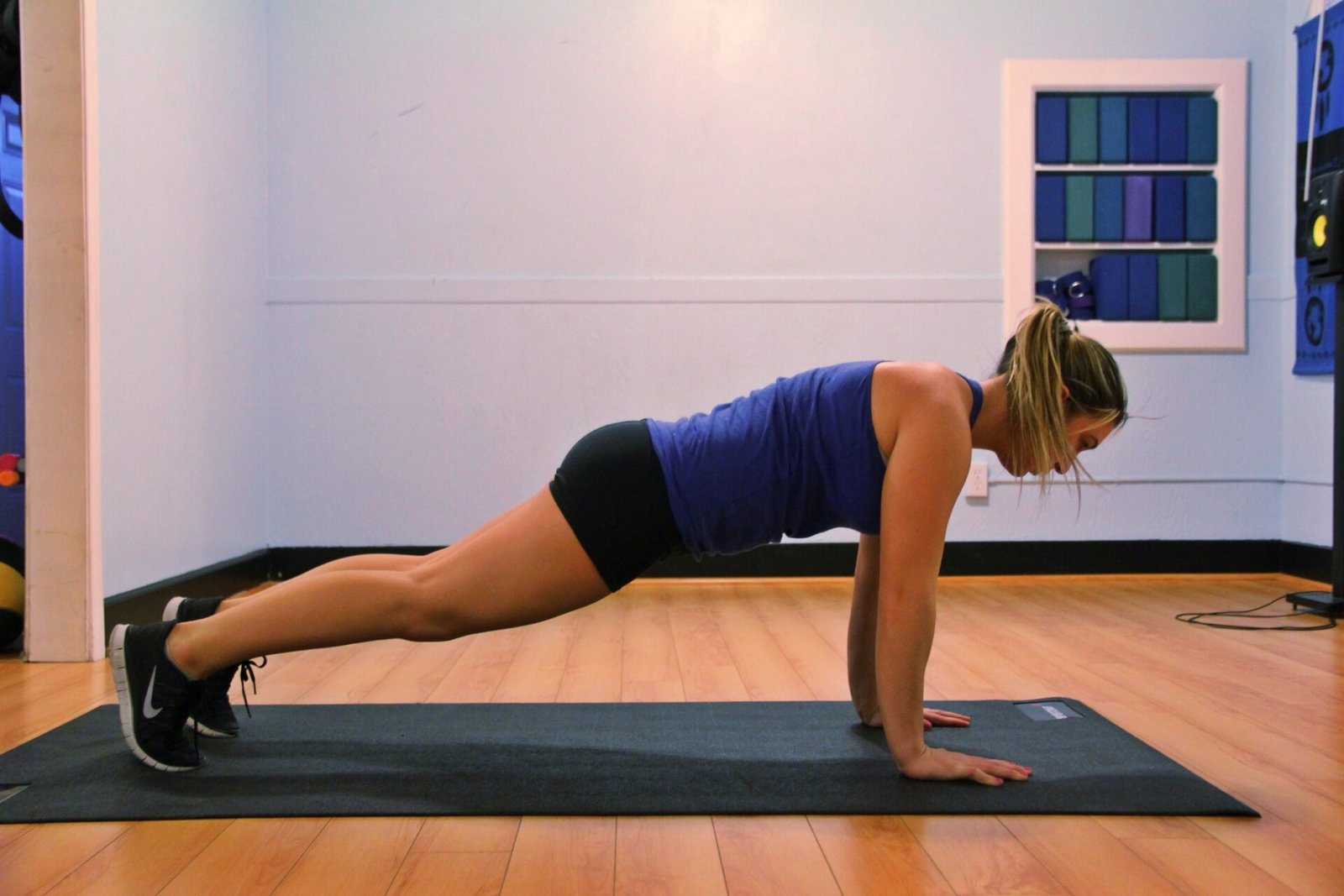
A plank trains the muscles around your middle that help keep your body steady when you move.
For a high plank, place your hands under your shoulders, step your feet back, and keep a straight line from head to heels. Breathe normally, and do not let your hips sag or pike up.
Short, good-quality holds beat long, wobbly ones. If a full plank is too much, try it with your knees on the floor, or try a shorter hold and build up slowly. Our plank workout guide explains the basic positions in more detail.
5. Balance and gentle stretching 🤸

Balance and flexibility are easy to neglect, and they matter more as we get older — for steadiness, coordination and everyday confidence.
Simple practice counts: standing on one leg near a wall or chair for support, gentle stretching after a walk, or a beginner yoga session. Move slowly, breathe, and never force a stretch into pain.
Yoga can combine gentle movement, balance and breathing, but it is not a cure-all and it does not replace strength or cardio work. If you are new to it, our yoga poses guide is a gentle place to start.
6. Eat a balanced plate, not a miracle diet 🥗

No single food makes you fit, and no single food ruins your health. A balanced plate — plenty of vegetables, some protein, whole grains or starchy foods, and a little healthy fat — is a steadier goal than any named diet.
Cook at home when you can, drink water through the day, and keep highly processed snacks as an occasional treat rather than the default. That is less exciting than a “miracle” plan, and far more likely to last.
Be wary of any plan that bans whole food groups, promises fast results, or sells you a “detox”. Your liver and kidneys already handle waste removal — juices and cleanses do not “clean” your body, and restrictive diets can do real harm if followed without guidance.
FAQs ❓
Can I target fat loss from one area, like my belly?
No, not reliably. In a 2011 study, six weeks of abdominal exercise improved endurance but did not reduce abdominal fat, and a 2013 study found a trained leg lost no more fat than the untrained leg.
One small 2023 trial of 16 men did find a slightly larger trunk-fat loss when abdominal work was added to running, but total fat loss was similar in both groups — so treat that as an interesting hint, not a promise. See our exercises to reduce belly fat guide for the honest version.
How much exercise do I need each week?
Work toward the WHO direction of 150 to 300 minutes of moderate activity, or 75 to 150 minutes of vigorous activity, plus strength work on two or more days a week.
If you are starting from very little, any increase helps. Start below that range and build up gradually — consistency matters more than a perfect first week.
Do I need supplements or protein powders to get fit?
No. Most people can meet their needs with ordinary food, and no powder is required for general fitness.
Supplements are not a shortcut, and some can interact with medicines or health conditions, so ask a clinician or dietitian before taking any — especially if you are pregnant, have a health condition, or take regular medication.
What if I have a disability or limited mobility?
Movement still matters, but the right form depends entirely on your body and condition — seated exercises, supported standing work, or adapted activity may all be options.
This guide cannot prescribe a routine for you, so please get personal advice from a clinician or physiotherapist who knows your situation, rather than following a generic list.
The bottom line ✅
Pure fitness, honestly defined, is not a product or a 17-step trick. It is a set of ordinary habits — walk, move, get a little stronger, look after your core and balance, eat a balanced plate, and rest.
Start small, be patient with yourself, and build slowly. If you miss a day, just pick it up again the next day. That, repeated for months, is what actually works. 🌿