

📌 Quick honesty note before the list: no food on this page “burns fat” or works on its own. Weight loss comes from eating fewer calories than you use, over time. What these 15 foods do is make that gap far easier to live with — they fill you up for fewer calories, so the deficit stops feeling like a fight. Every number below comes from USDA FoodData Central data for the food as eaten, checked in October 2026. Most of these foods are ordinary supermarket groceries — buy them wherever is cheapest.
One quick word on scope: this is general nutrition information, not medical advice. 🙂 Medical conditions, food-interacting medication, or pregnancy change the picture — a doctor or dietitian who knows your history always wins over a list on the internet.
Why These Foods Work: The Four Levers of Fullness
Appetite research keeps landing on the same levers — foods that pull several at once keep people full on fewer calories.
Protein. The most filling macronutrient per calorie — and in a deficit it also protects the muscle you want to keep.
Fibre. Fibre adds bulk and slows digestion — beans and berries lead here.
Water and volume. Your stomach responds partly to how much space food takes up. Mostly-water foods — vegetables, fruit, cooked grains — let you eat a large plate for few calories.
Food form. Solid, chewy, minimally processed food beats the same calories drunk or ultra-processed. A whole apple fills you; apple juice never will.
The Protein Anchors
1. Greek Yogurt (Plain, Non-Fat)
Per 100 g: 59 kcal · 10.2 g protein · 0 g fibre. A standard 170 g tub gives you roughly 100 calories and 17 g of protein — numbers no flavoured yogurt gets near, because flavoured ones spend their calories on sugar. Straining concentrates the protein; eat it with berries, or anywhere you’d use sour cream or mayo.
2. Eggs
Per 100 g (hard-boiled): 155 kcal · 12.6 g protein · 0 g fibre. One large egg is about 72 calories and 6 g of protein. Eggs are the classic filling breakfast: in appetite studies, egg breakfasts keep people fuller through the morning than same-calorie bagel-style breakfasts — and two eggs plus vegetables is a complete, cheap meal.
3. Chicken Breast
Per 100 g (cooked, skinless): 165 kcal · 31 g protein · 0 g fibre — the highest protein-per-calorie ratio of any common meat, which is why it anchors so many meal plans. The catch is boredom, not nutrition: rotate seasonings and sauces (watch the sugary ones) and pair it with the high-volume vegetables further down.
4. White Fish (Cod and Similar)
Per 100 g (cod, cooked): 105 kcal · 22.8 g protein · 0 g fibre. In the classic University of Sydney satiety-index research, plain fish scored among the most filling foods tested per calorie — well above beef and eggs. A 150 g fillet is only about 160 calories for roughly 34 g of protein; haddock, hake, pollock and tilapia sit in the same neighbourhood.
5. Canned Tuna in Water
Per 100 g (drained): about 86–116 kcal · 19–26 g protein · 0 g fibre, depending on brand and packing — check your can’s label. Almost no other convenience food touches that protein-per-calorie figure; it needs no cooking, keeps for years, and turns a salad into a meal. 🐟
Because it is a pantry staple people genuinely stock up on, this is one of the few items here we link on Amazon: a canned tuna multipack typically works out cheaper per can than singles. (Vary your fish if you eat tuna often — a few portions a week, not daily.)
6. Cottage Cheese
Per 100 g (1% milkfat): 72 kcal · 12.4 g protein · 0 g fibre. Cottage cheese is mostly casein, the slow-digesting milk protein, which is why a bowl sits comfortably for hours. A 200 g serving is under 150 calories with about 25 g of protein — eat it sweet with berries or savoury with cucumber and black pepper.
7. Tofu (Firm)
Per 100 g: roughly 76–144 kcal · 10–17 g protein · around 1 g fibre. Tofu is the one entry where the range is genuinely wide — water content differs a lot between brands, so your own label is the truth. It absorbs the flavour of whatever it cooks with: press it, cube it, crisp it in a pan or air fryer.
The Plant Fillers
8. Lentils
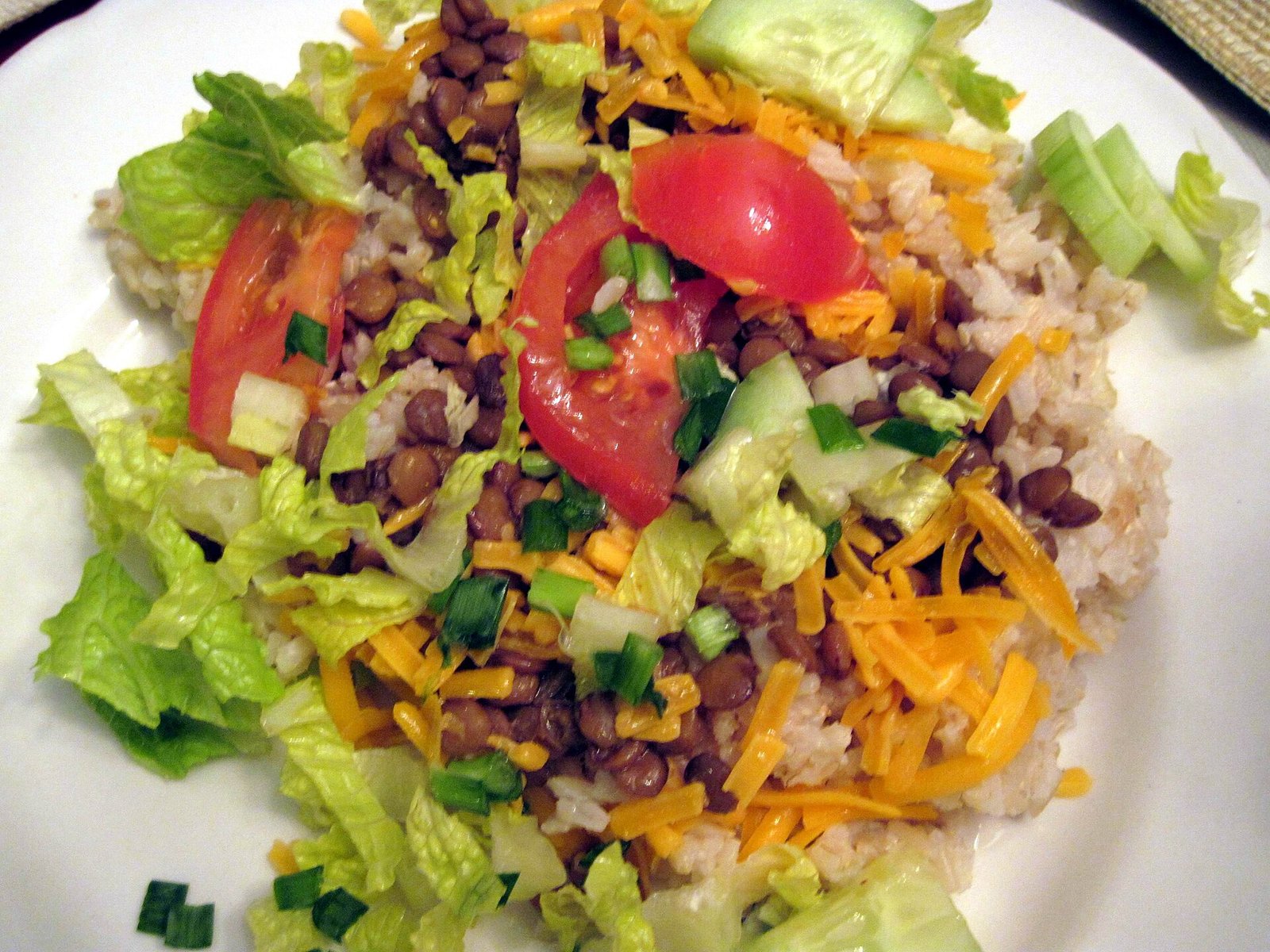
Per 100 g (cooked): 116 kcal · 9.0 g protein · 7.9 g fibre. Few foods combine this much protein and fibre at this calorie level — a cooked cup (198 g) gives about 18 g of protein and 16 g of fibre for roughly 230 calories. Red lentils need no soaking and cook in 15–20 minutes.
9. Black Beans
Per 100 g (cooked): 132 kcal · 8.9 g protein · 8.7 g fibre — among the highest fibre figures of any common bean, and fibre-plus-protein is precisely the combination that flattens hunger for hours. Canned beans (rinsed, to wash off much of the sodium) are nutritionally close to home-cooked and take seconds to open.
10. Oats
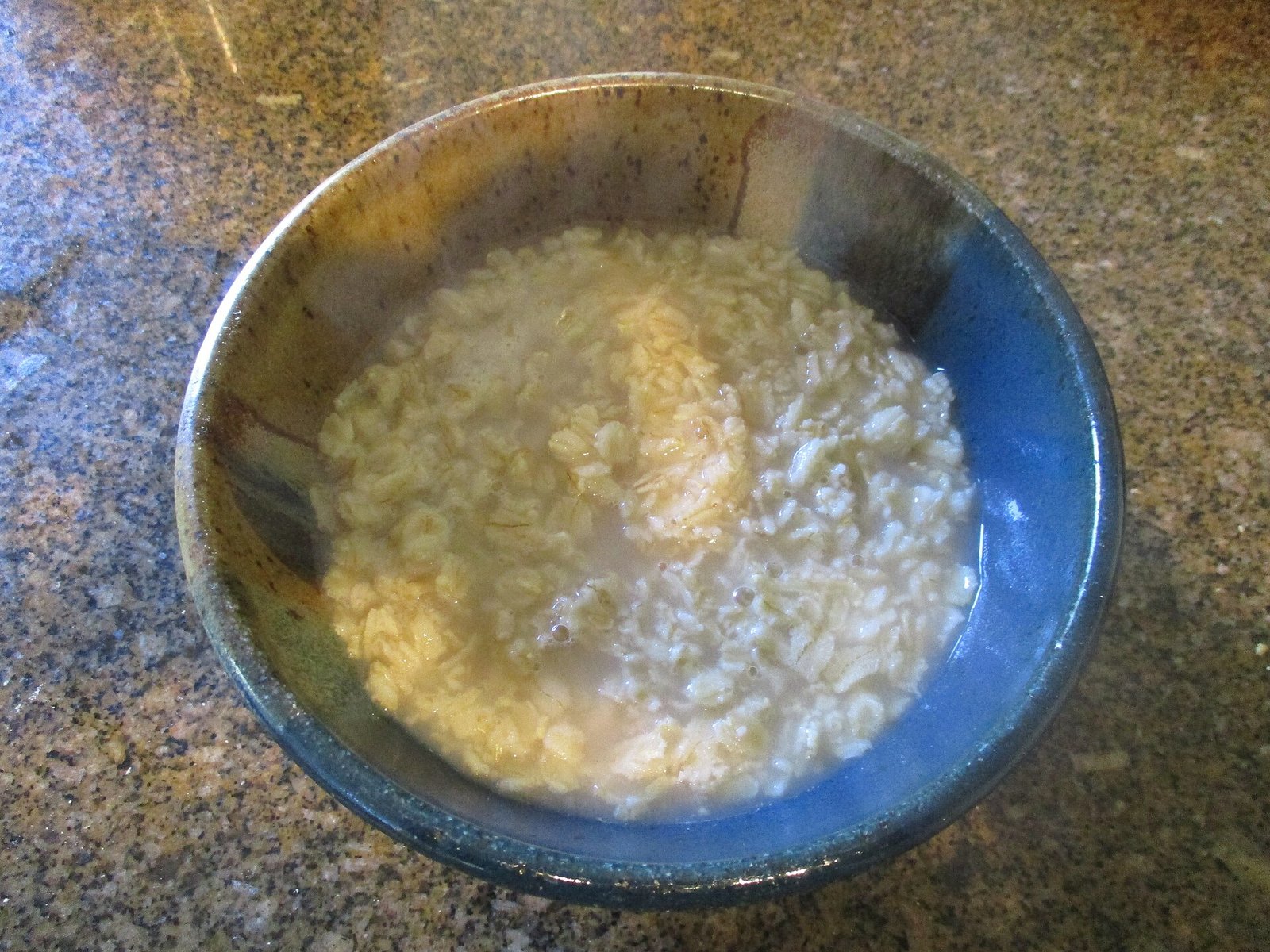
Per 100 g (dry): 389 kcal · 16.9 g protein · 10.6 g fibre — but nobody eats them dry. A normal 40 g serving cooks into a big bowl at about 156 kcal, 6–7 g protein and 4 g fibre, because oats absorb several times their weight in water. Their soluble fibre (beta-glucan) forms a gel in the stomach that slows digestion — the reason porridge at 8 a.m. still counts at noon.
Plain rolled oats are another true pantry staple: a large bag of rolled oats (affiliate link) is one of the cheapest breakfasts per serving that exists. Skip the flavoured instant sachets — the sugar undoes the point.
11. Boiled Potatoes
Per 100 g (boiled, skin on): 87 kcal · 1.9 g protein · 2.0 g fibre. The surprise entry — and the research favourite: in the satiety-index study, boiled potatoes scored higher than every other food tested, more than three times the score of white bread.
Potatoes were never the problem; the fryer and the butter mountain were. Boiled, baked or air-fried with a spray of oil, they give you a large portion of “carbs” for fewer calories than the same weight of rice or pasta.
12. Broccoli and Other Green Vegetables
Per 100 g (broccoli, cooked): 35 kcal · 2.4 g protein · 3.3 g fibre. You could eat half a kilo of broccoli — a mountain — for about 175 calories. That is the whole trick: vegetables make any plate bigger without making it heavier in calories. Green beans, cauliflower, courgette, cabbage and leafy greens all sit in the same 15–35 kcal per 100 g band.
The Smart Snacks and Sweets
13. Apples
Per 100 g (raw, with skin): 52 kcal · 0.3 g protein · 2.4 g fibre. A medium apple is about 95 calories — and unlike most 95-calorie snacks, it takes minutes to eat, crunches, and contains real fibre and water. In the satiety-index research, whole apples scored near the top for fruit. Form matters: whole fruit fills; juice, even 100% juice, mostly does not.
14. Raspberries and Berries
Per 100 g (raspberries): 52 kcal · 1.2 g protein · 6.5 g fibre — a remarkable fibre figure for a fruit. More than half their carbohydrate is fibre, which is why a whole punnet is a reasonable snack instead of a sugar hit. Blueberries (57 kcal, 2.4 g fibre) and strawberries (32 kcal, 2.0 g fibre) per 100 g are in the same friendly territory, fresh or frozen. 🍓
15. Air-Popped Popcorn
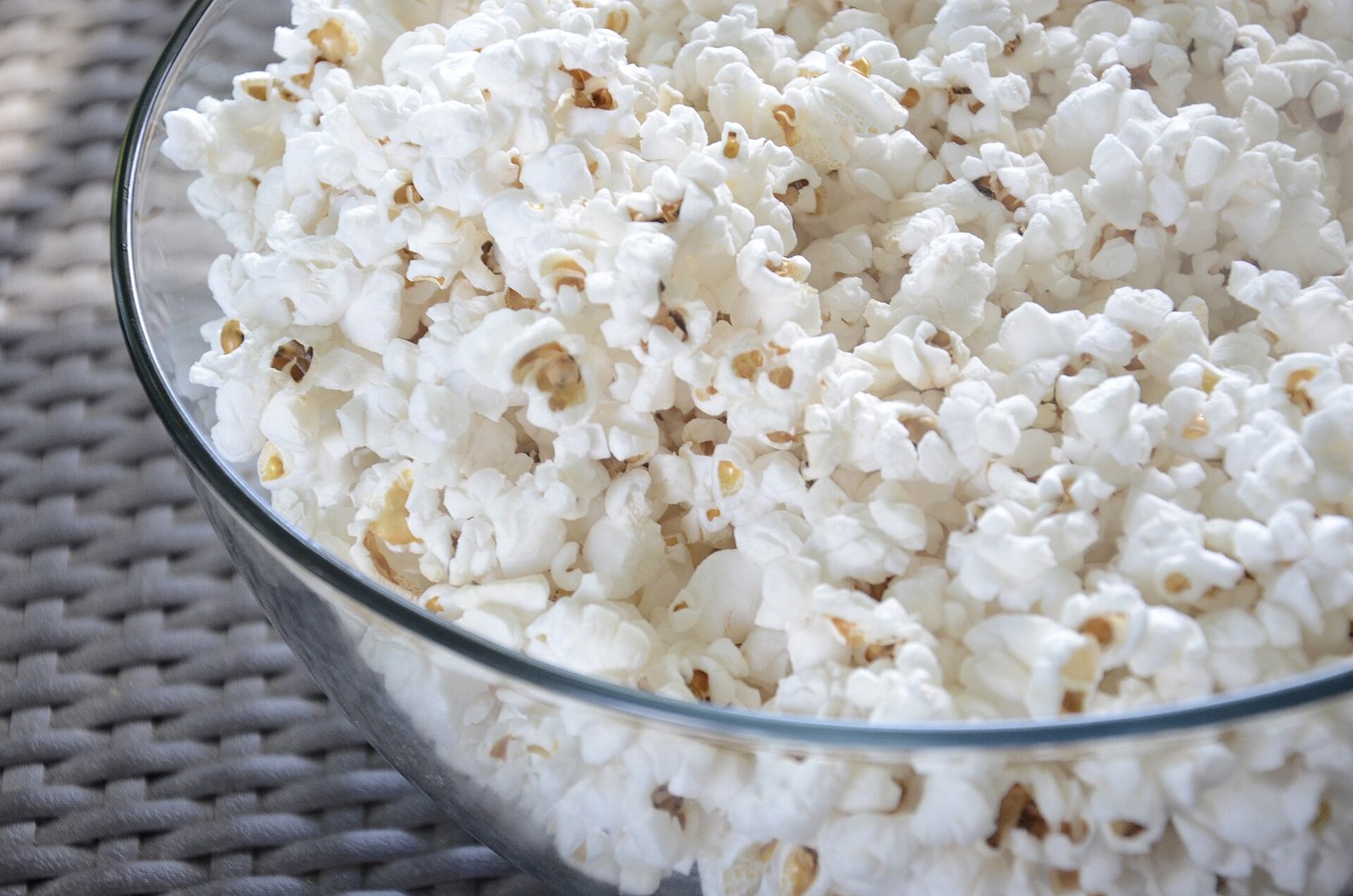
Per 100 g: 387 kcal · 12.9 g protein · 14.5 g fibre — a misleading line, because 100 g of popcorn is a bathtub of the stuff. Per cup (8 g) it is 31 kcal, so a proper 3-cup bowl is about 93 calories with roughly 3.5 g of fibre — maximum handfuls per calorie of almost any crunchy food.
Air-pop it (a bag of plain popcorn kernels, affiliate link, costs very little), season it yourself, and go easy on butter, which can quietly triple the bowl.
Worth a Mention: What You Drink
Drinks rarely fill anyone, so the best drink strategy is removing calories, not adding magic. Swapping a daily sugary soda or sweetened coffee for water or unsweetened tea removes more calories than most “fat-burning” products ever could.
Green tea, honestly: studies of green tea and its extracts show at most a small effect — a pound or three over a few months, mostly attributed to its caffeine and catechins. Enjoy it as a zero-calorie drink; as a weight-loss tool, it’s a rounding error. A box of plain green tea bags (affiliate link) is a cheap cupboard staple — just don’t expect it to do the deficit’s job.
All 15 Foods at a Glance
| Food (as eaten) | Calories / 100 g | Protein / 100 g | Fibre / 100 g | Why it keeps you full |
|---|---|---|---|---|
| Greek yogurt, plain non-fat | 59 | 10.2 g | 0 g | Protein-dense and thick |
| Eggs, hard-boiled | 155 | 12.6 g | 0 g | Proven morning staying power |
| Chicken breast, cooked | 165 | 31 g | 0 g | Most protein per calorie of any meat |
| Cod, cooked | 105 | 22.8 g | 0 g | Top satiety scores, very low calories |
| Canned tuna in water, drained | ~86–116 | ~19–26 g | 0 g | Convenience protein, no cooking |
| Cottage cheese, 1% | 72 | 12.4 g | 0 g | Slow-digesting casein |
| Tofu, firm | ~76–144 | ~10–17 g | ~1 g | Plant protein, takes any flavour |
| Lentils, cooked | 116 | 9.0 g | 7.9 g | Protein + fibre double act |
| Black beans, cooked | 132 | 8.9 g | 8.7 g | Highest-fibre staple food here |
| Oats, dry (40 g serving cooked) | 389 (156/serving) | 16.9 g (~7 g/serving) | 10.6 g (~4 g/serving) | Beta-glucan gel slows digestion |
| Potatoes, boiled in skin | 87 | 1.9 g | 2.0 g | Highest satiety-index score recorded |
| Broccoli, cooked | 35 | 2.4 g | 3.3 g | Pure plate volume |
| Apples, raw with skin | 52 | 0.3 g | 2.4 g | Water + fibre + chewing time |
| Raspberries, raw | 52 | 1.2 g | 6.5 g | Most fibre per calorie of any fruit here |
| Popcorn, air-popped | 387 (31/cup) | 12.9 g (1 g/cup) | 14.5 g (1.2 g/cup) | Biggest snack volume per calorie |
Figures: USDA FoodData Central, foods as eaten, checked October 2026. Tuna and tofu vary by brand — your label wins.
Foods That Wear a Health Halo (But Quietly Stall People)
None of these are “bad foods” — they are foods whose healthy reputation is bigger than their calorie count suggests, which is exactly how they stall people.
Granola. Marketed like a hiker’s health food; typically 450–480 kcal per 100 g with plenty of oil and sugar. A “small handful” can out-calorie a full bowl of oats.
Fruit juice and big smoothies. Juice removes the fibre and keeps the sugar: a glass of orange juice carries the sugar of 4–5 oranges with almost none of the fullness of one.
Nuts and nut butters, eaten freely. Genuinely nutritious — and around 580–600 kcal per 100 g. Two unmeasured handfuls can be 350 calories. Weigh them once; you’ll never eyeball them the same way again.
“Protein” bars. Many are chocolate bars wearing gym clothes: 200–250 kcal and 15–20 g of sugar for 10–20 g of protein. Greek yogurt beats most of them on protein, fullness and price.
The dressed-up salad. Leaves and chicken are innocent; a ladle of creamy dressing (150–200 kcal), cheese and croutons can carry a salad past burger territory. Measure the dressing — don’t abandon the salad.
A Sample Day Built From This List
Here is one realistic day — roughly 1,400 kcal and about 115 g of protein, before drinks and cooking oils (count those honestly too):
- Breakfast (~370 kcal): 50 g oats cooked into porridge with milk, topped with 100 g raspberries and a spoonful of Greek yogurt.
- Lunch (~580 kcal): 150 g chicken breast, 300 g boiled potatoes, and a generous pile of broccoli.
- Snack (~95 kcal): a medium apple, or 3 cups of air-popped popcorn if the evening is your danger zone.
- Dinner (~330 kcal): a 120 g can of tuna over 100 g of black beans, salad leaves, cucumber and tomato, with a teaspoon of olive oil and lemon.
Frequently Asked Questions
Do any foods actually burn fat?
No. Some foods and drinks (caffeine, green tea, chilli) raise energy expenditure by a tiny amount for a short time — far too little to matter on the scale. Fat loss comes from a sustained calorie deficit; these foods help by making that deficit easier to stick to.
How many of these foods should I eat every day?
There is no quota. A practical pattern: a protein anchor at every meal (items 1–7), at least one legume or oat serving a day (8–10), vegetables filling half the plate (11–12), and fruit or popcorn as default snacks (13–15). Beyond that, eat the wider diet you enjoy.
Are potatoes really okay when losing weight?
Yes — boiled or baked, they are one of the most filling foods per calorie ever measured, at 87 kcal per 100 g. What made potatoes famous as “fattening” is the company they keep: frying oil, butter, sour cream. Change the cooking method and the potato is on your side.
Is fruit sugar a problem for weight loss?
For whole fruit, generally no. The sugar arrives packaged with water and fibre, so it is eaten slowly and fills you up — raspberries have 6.5 g of fibre per 100 g against only about 4.4 g of sugar. Juice is the different case: fibre removed, sugar concentrated, fullness gone. Eat fruit; be careful with drinking it.
Can I lose weight eating only these 15 foods?
You could lose weight, but you shouldn’t try to live on any 15 foods. This list is a toolkit of high-satiety staples, not a complete diet — you still need dietary fats, other vegetables, and variety for nutrition and sanity alike.
What if I have diabetes, kidney disease, or another condition?
Then this list is a starting point for a conversation, not an instruction. Protein targets, potassium (potatoes, beans), carbohydrate timing and more genuinely change with medical conditions and medication. Your clinician’s or dietitian’s guidance always overrides general articles like this one.
The Bottom Line
The honest summary is short: the deficit does the work; the food just makes it livable. Build meals around protein anchors, fibre-rich plants and high-volume foods you enjoy, and the “diet” mostly takes care of itself.
Two companion guides go deeper. If protein is your weak spot, our guide to the best protein powder for fat loss (and our ranking of the best sources of protein) covers the numbers food-by-food. And if you’re wondering whether a pill or powder can shortcut all this, our honest guide to weight loss supplements gives the evidence — including the parts marketing leaves out.
This page contains a few Amazon affiliate links (marked where they appear); buying through them may earn us a small commission at no extra cost.