

Getting leaner is a slow project, not a quick event. 💪
This guide replaces the old quick-fix version of this article with an honest one.
It covers a realistic pace, strength training, balanced eating, daily movement, sleep and consistency.
Visible leanness takes months, not weeks, and how it shows up depends on your starting point and your genetics.
1. Start With a Realistic Pace 🐢
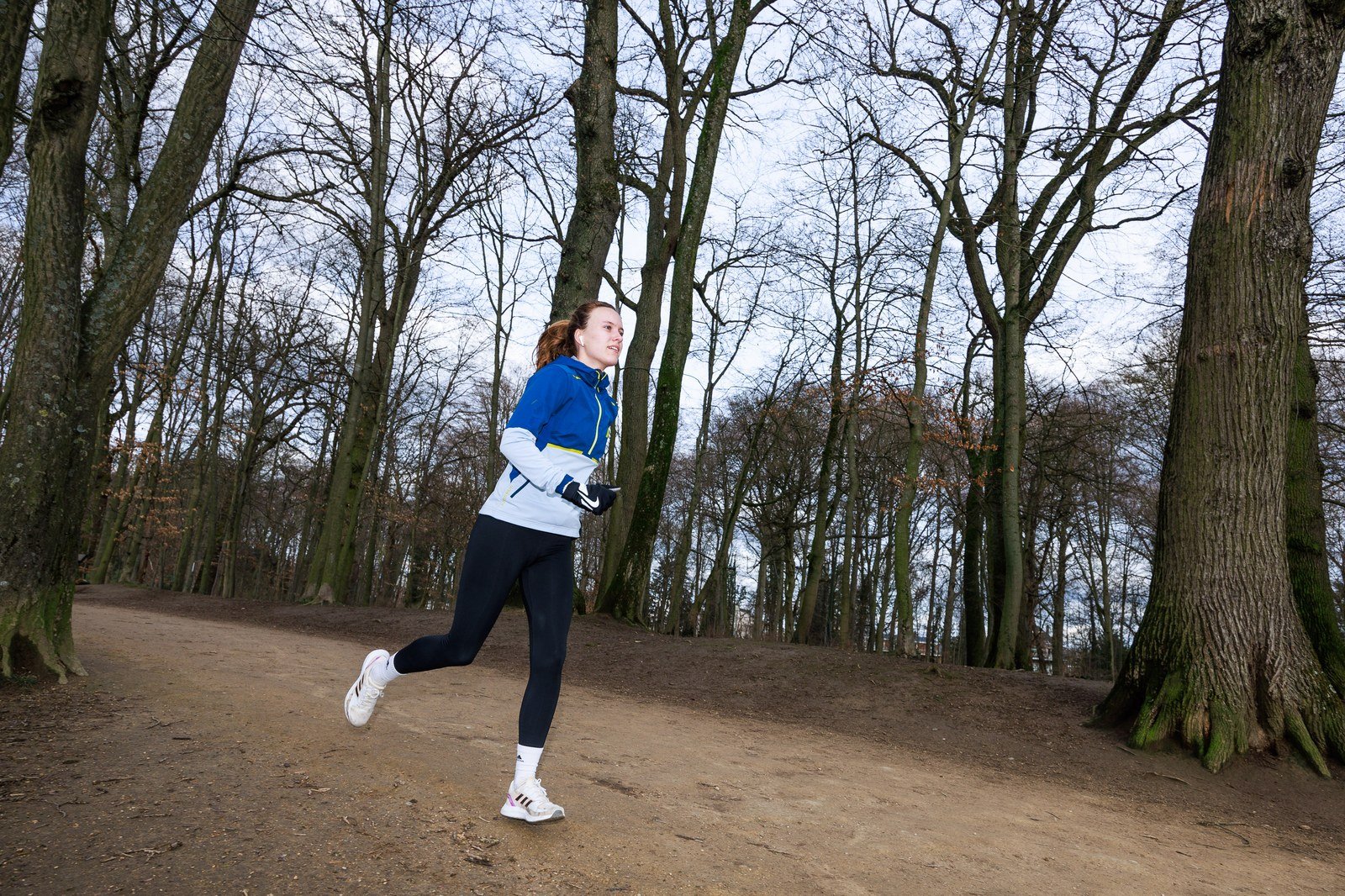
Photo: European Commission / Wikimedia Commons
Public health guidance in both the UK and the US points to the same steady pace.
The NHS suggests aiming for around 0.5 to 1 kg (1 to 2 lb) a week, and the CDC describes gradual loss of about 1 to 2 pounds a week as more likely to stay off.
That pace is a guide for most healthy adults, not a promise for any one person.
Early weeks can look faster, often because of water shifts, and progress usually slows over time.
Judging yourself by weekly averages over a few weeks is fairer than reacting to a single weigh-in.
If the scales barely move but your training is improving and your clothes fit better, that still counts as progress.
2. Train for Strength, Not Just Sweat 🏋️
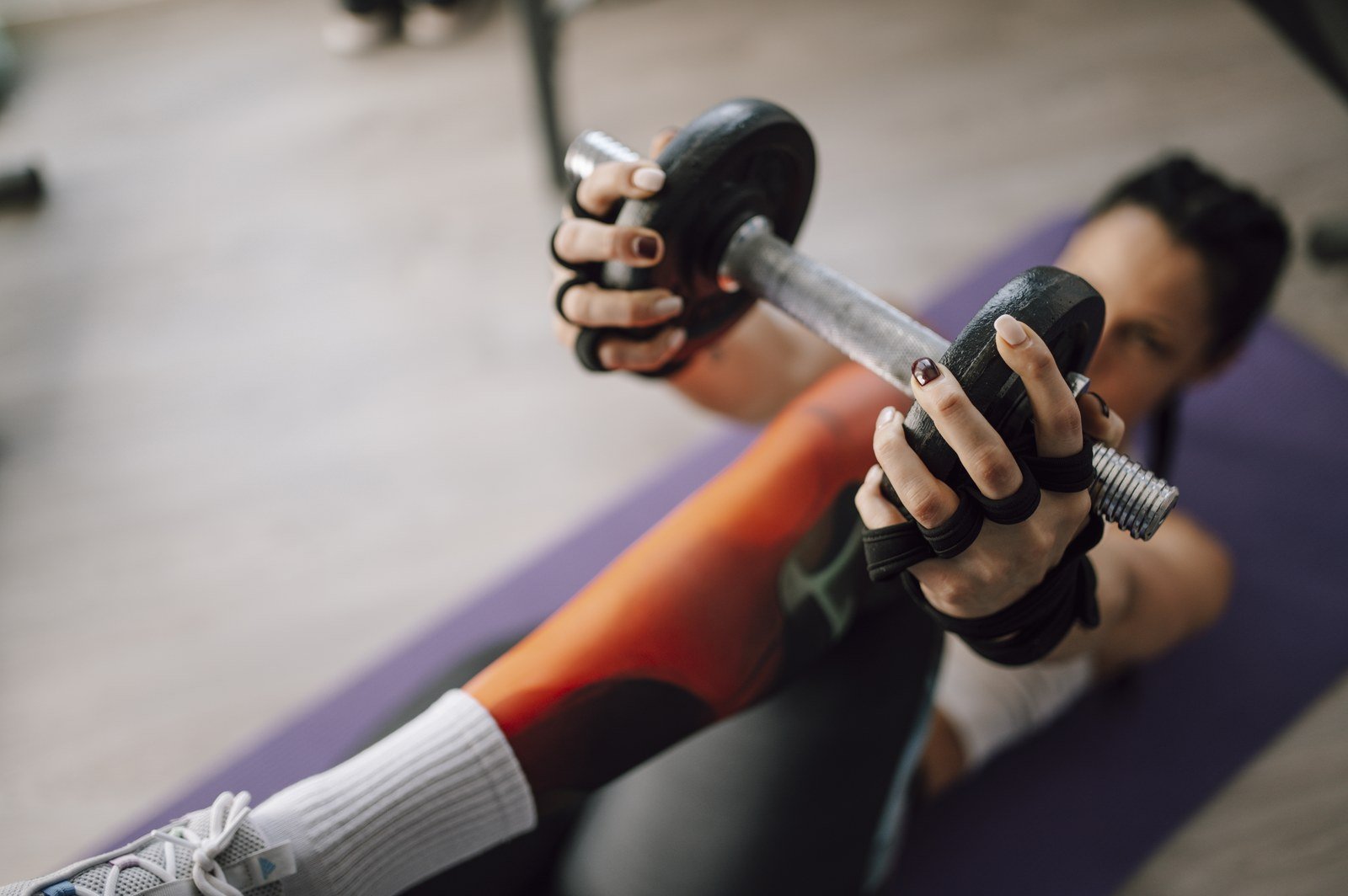
Photo: Shixart1985 / Wikimedia Commons
Strength training is what protects your muscle while you lose fat.
Without it, a good share of what you lose can be muscle as well as fat, which is the opposite of a lean, strong look.
UK activity guidance for adults recommends strengthening activities that work all the major muscle groups on at least two days a week.
That can mean weights, resistance bands, or bodyweight moves such as squats, push-ups and rows.
Start with good form and lighter loads, then add weight or repetitions gradually as you get stronger.
A short warm-up first — a few minutes of easy movement and gentle mobility — helps you train better and lowers injury risk.
You do not need to train every day. Two to four solid sessions a week, done consistently, beats a heroic week followed by a month off.
3. Eat to Keep Your Muscle 🥗
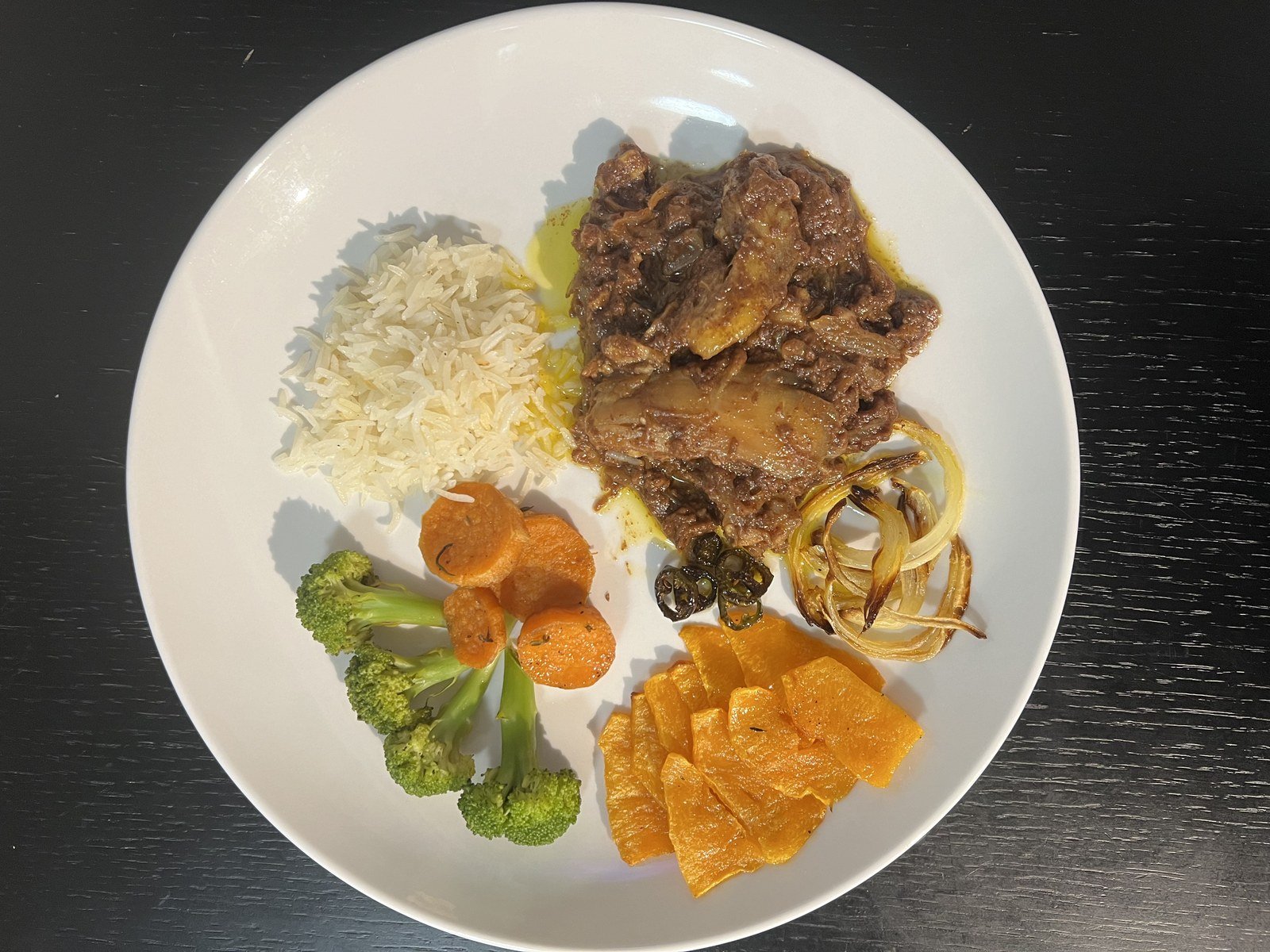
Photo: HaJunkiyada / Wikimedia Commons
Fat loss comes from eating a little less energy than you use, over time.
But eating too little, or cutting whole food groups out, usually backfires through hunger, fatigue and muscle loss.
A steadier approach is a balanced plate: a protein-rich food at most meals, plenty of vegetables, and wholegrains or starchy foods for energy.
Protein-rich foods include chicken, fish, eggs, dairy, beans, lentils and tofu — pick the ones you enjoy and can afford.
Protein helps you feel full and supports muscle repair after training, but no single food burns fat on its own.
Drink water through the day, and keep an eye on sugary drinks and alcohol, which add energy without filling you up.
This is general information, not a personal meal plan. If you have diabetes, take regular medication, or have a history of disordered eating, talk to a clinician or dietitian first.
4. Move More Every Day 🚶

Photo: KeepActive Australia / Wikimedia Commons
Gym sessions matter, but the rest of your day matters too.
Walking, cycling, swimming, gardening and taking the stairs all add up across a week.
Adults are advised to aim for at least 150 minutes of moderate activity a week, such as brisk walking, or 75 minutes of vigorous activity.
If you are starting from very little activity, any increase is a win — you do not have to hit the full target in week one.
Pick movement you actually like. The best cardio for fat loss is the kind you will still be doing in three months.
For more on the eating side of this without formal workouts, see 8 Ways to Lose Weight Without Exercise.
5. You Cannot Crunch Fat Off One Spot 🎯
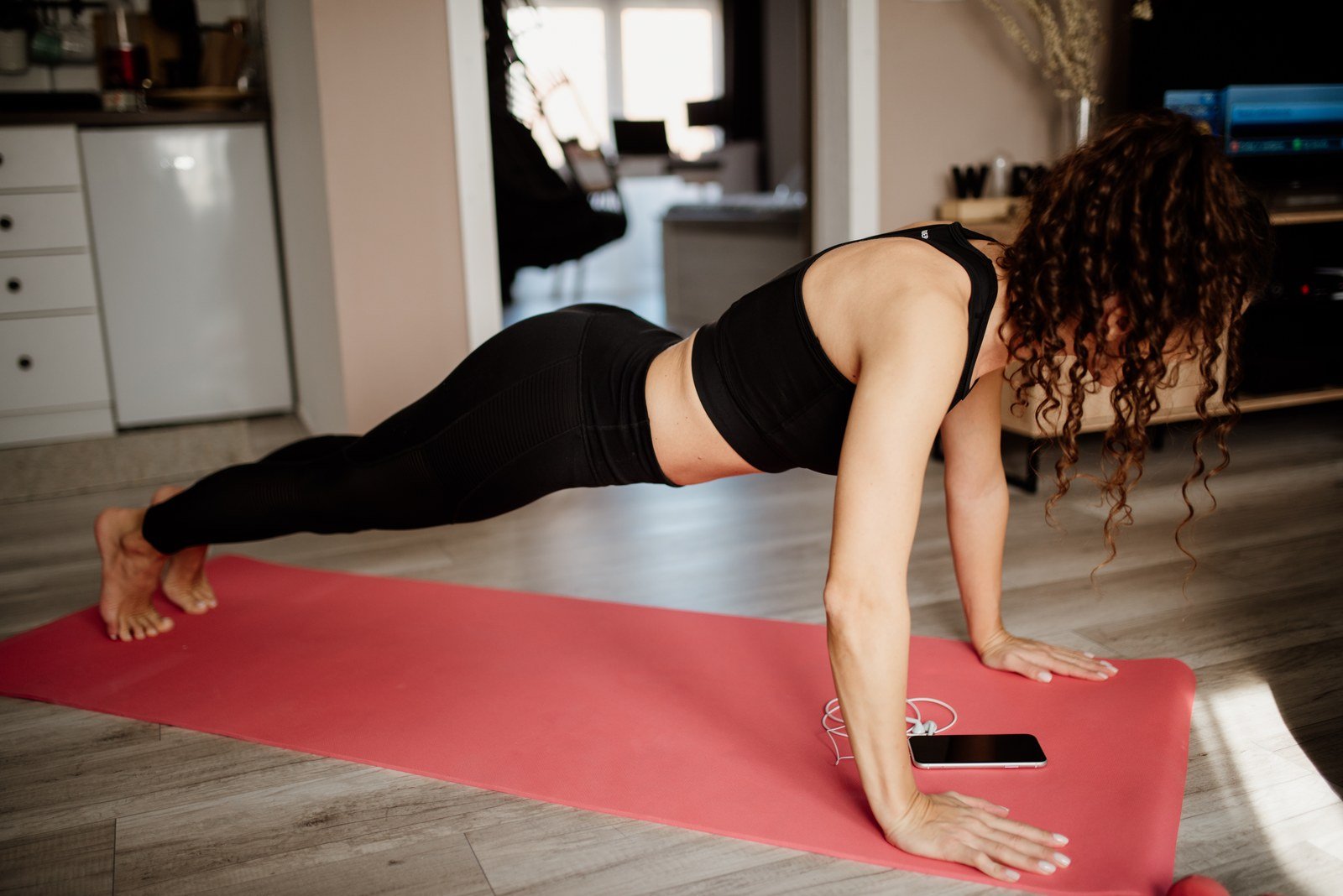
Photo: Shixart1985 / Wikimedia Commons
Ab workouts strengthen your core, but they do not melt the fat sitting over it.
A six-week study of abdominal exercise (Vispute and colleagues, 2011) found improved muscular endurance but no reduction in abdominal fat compared with a control group.
A 12-week study that trained only one leg (Ramírez-Campillo and colleagues, 2013) found fat loss across the body, not extra fat loss from the trained leg.
Where fat comes off first is largely set by genetics, hormones and age — not by which muscle you worked that day.
That is frustrating news if belly fat is your main concern, but it is also freeing: you can stop chasing spot-fix workouts.
Train your whole body, eat steadily, and let overall fat loss do the work over months.
Read more in our steady guide: How to Lose Belly Fat Steadily.
6. Sleep, Recovery and Staying Consistent 😴
Photo: Nenad Stojkovic / Wikimedia Commons
Sleep is part of the plan, not a break from it.
Short, broken sleep makes hunger harder to manage and training harder to recover from, so a regular wind-down and a dark, cool room are worth the effort.
Rest days are also part of training. Muscles recover between sessions, so back-to-back hard days on the same muscles are not a badge of honour.
Consistency beats perfection. A missed workout or a big meal does not undo weeks of steady habits.
Keep a simple training log — what you did, and how it felt — so you can see progress even when the mirror is slow to show it.
And be patient with the timeline. Months of steady habits are normal here, and anyone selling a shortcut is selling something else.
If visible abs are your goal, our companion guide covers the training side: How to Build Six Pack Abs for Men & Women.
FAQs ❓
How long does it take to get lean?
It depends on your starting point, but think in months rather than weeks.
A steady pace with strength training gives your body time to lose fat while keeping muscle.
Do I need supplements to get shredded?
No. No supplement replaces training, balanced eating and sleep.
Ordinary protein-rich foods cover what most people need, and anything marketed as a fat-burner should be treated with scepticism.
Can I get lean without a gym?
Yes. Bodyweight training, resistance bands, running, cycling and swimming can all work.
The principles are the same: train your muscles, move daily, eat steadily and sleep well.
Should I try an extreme diet to speed things up?
No. Very restrictive diets are hard to sustain and raise the risk of muscle loss, fatigue and regain.
If you have diabetes, an eating-disorder history, are pregnant, or take regular medication, get clinician or dietitian advice before changing your diet or training.
This article is general health information only and is not medical advice. For personal guidance, speak to a qualified clinician or dietitian.