

Your shoulders have three heads, and the one at the back often gets the least attention. 💪
That back head is called the rear delt, or posterior deltoid. It sits on the back of the shoulder, over the shoulder blade.
Most pressing work trains the front of the shoulder hard. Rows and pulling work involve the rear delts, but a little direct work helps round out a shoulder session.
This guide covers six rear delt exercises you can do with dumbbells, cables, a barbell, or a machine. Each one comes with simple form cues and a starting set and rep range.
Everything here is general fitness information, not a personal programme and not medical advice. If you have shoulder pain, a shoulder injury, or a health condition, check with a clinician or physiotherapist before trying a new exercise.
What the Rear Delts Actually Do
The rear delt moves your arm backward and outward. When your arm is raised to shoulder height, it pulls the arm back behind you — that is horizontal abduction.
It also helps extend the shoulder (moving the arm backward from in front of you) and assists with turning the arm outward, known as external rotation.
That is why rear delt exercises look like a reverse fly: the arms sweep out to the sides, away from the body, rather than pressing upward or forward.
Neighbouring upper-back muscles help out in most of these moves, including the middle traps and rhomboids. That is normal — few exercises work one muscle alone.
Before You Start: Weight, Tempo, and Pain
Rear delts are a small muscle group, so light weights and control beat heavy swinging. 🏋️
Pick a weight you can lift through the full range without shrugging your shoulders up to your ears or rocking your torso for momentum.
Raise the weight over about one second, pause briefly at the top, and lower it slowly over about two seconds. If you cannot control the lowering phase, the weight is too heavy.
Stop if a movement causes sharp pain, clicking with pain, or numbness. Mild muscle effort is expected; sharp pain is a signal to stop and, if it keeps happening, to get it checked by a clinician or physio.
1. Bent-Over Dumbbell Rear Delt Raise
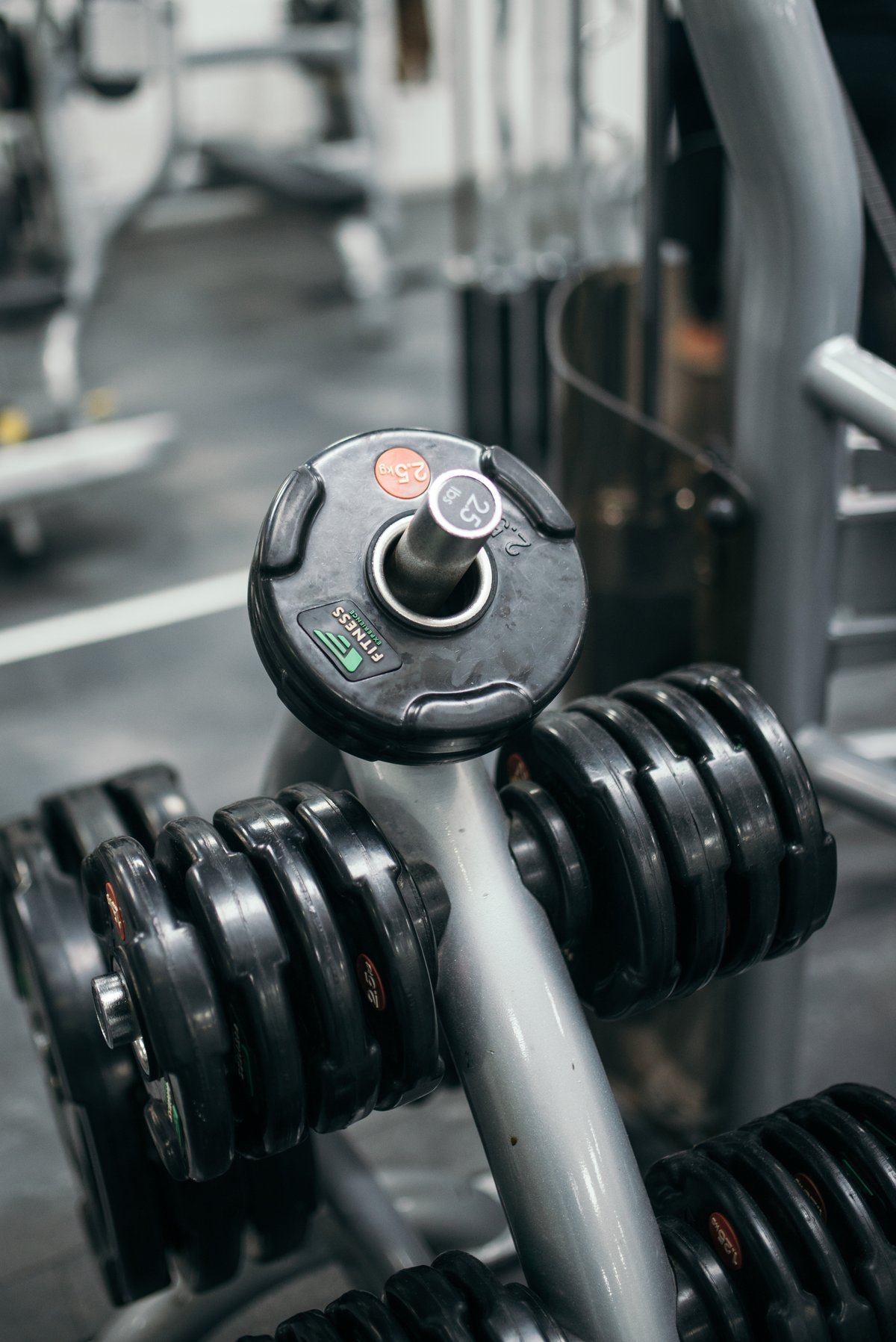
This is the classic rear delt move, and a good place to start. Stand with your feet shoulder-width apart, a light dumbbell in each hand.
Hinge forward at the hips until your torso is close to parallel with the floor, with a slight bend in your knees and a flat back. Let the dumbbells hang below you, palms facing each other.
Raise both arms out to the sides with a soft bend in the elbows, leading with the elbows, until your arms are roughly level with the floor. Pause, then lower slowly.
Keep your chin tucked and your neck in line with your spine. Do not lift the weights above shoulder height or bounce at the bottom.
Starting range: 2 to 3 sets of 12 to 15 reps. If you cannot hold the top position for a second, go lighter.
Variations: doing the same move seated at the end of a bench, leaning forward, cuts out lower-back involvement and makes cheating harder — a useful option if standing feels wobbly. A single-arm version, one side at a time with the free hand braced, works the same pattern.
2. Chest-Supported Rear Delt Raise
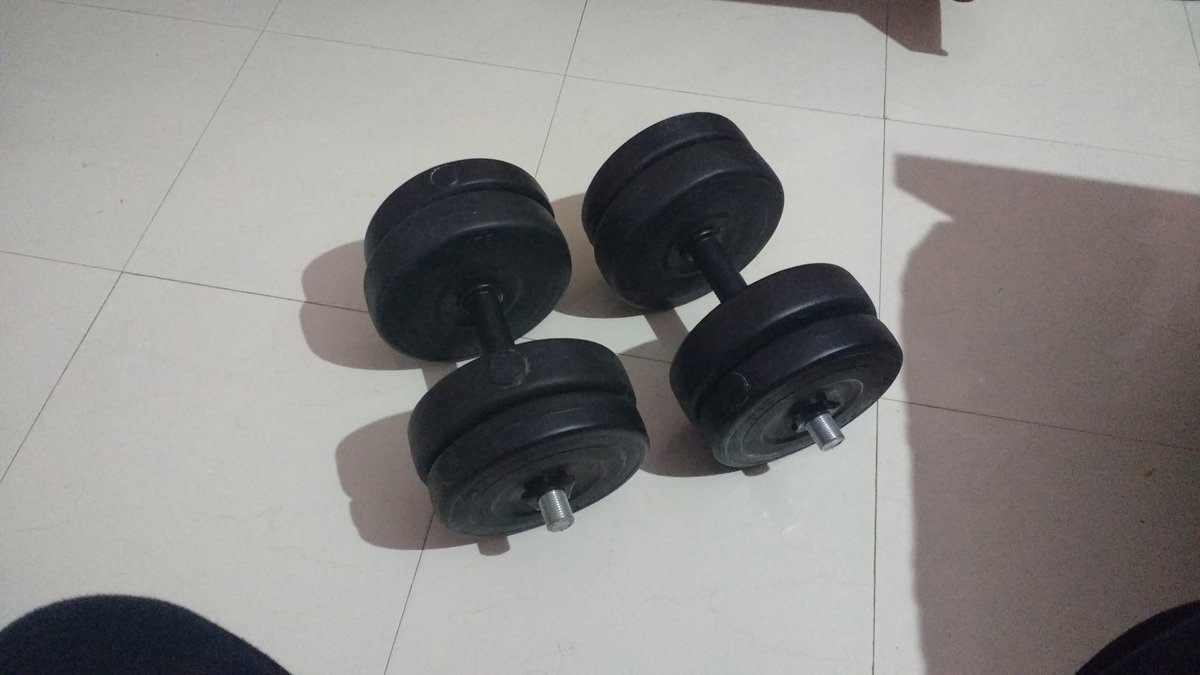
Lying face down on an incline bench takes momentum out of the movement. Your chest stays on the pad, so your torso cannot swing to help lift the weights.
Set the bench to a low incline and lie face down with a light dumbbell in each hand, arms hanging toward the floor. Keep your feet planted for stability.
Raise your arms out to the sides with a soft bend in the elbows, just as in the standing version, until they are roughly level with the floor. Lower under control.
Because you cannot cheat, you will probably need lighter weights than standing — that is expected, not a weakness. ✅
Starting range: 2 to 3 sets of 12 to 15 reps.
3. Reverse Pec Deck Fly
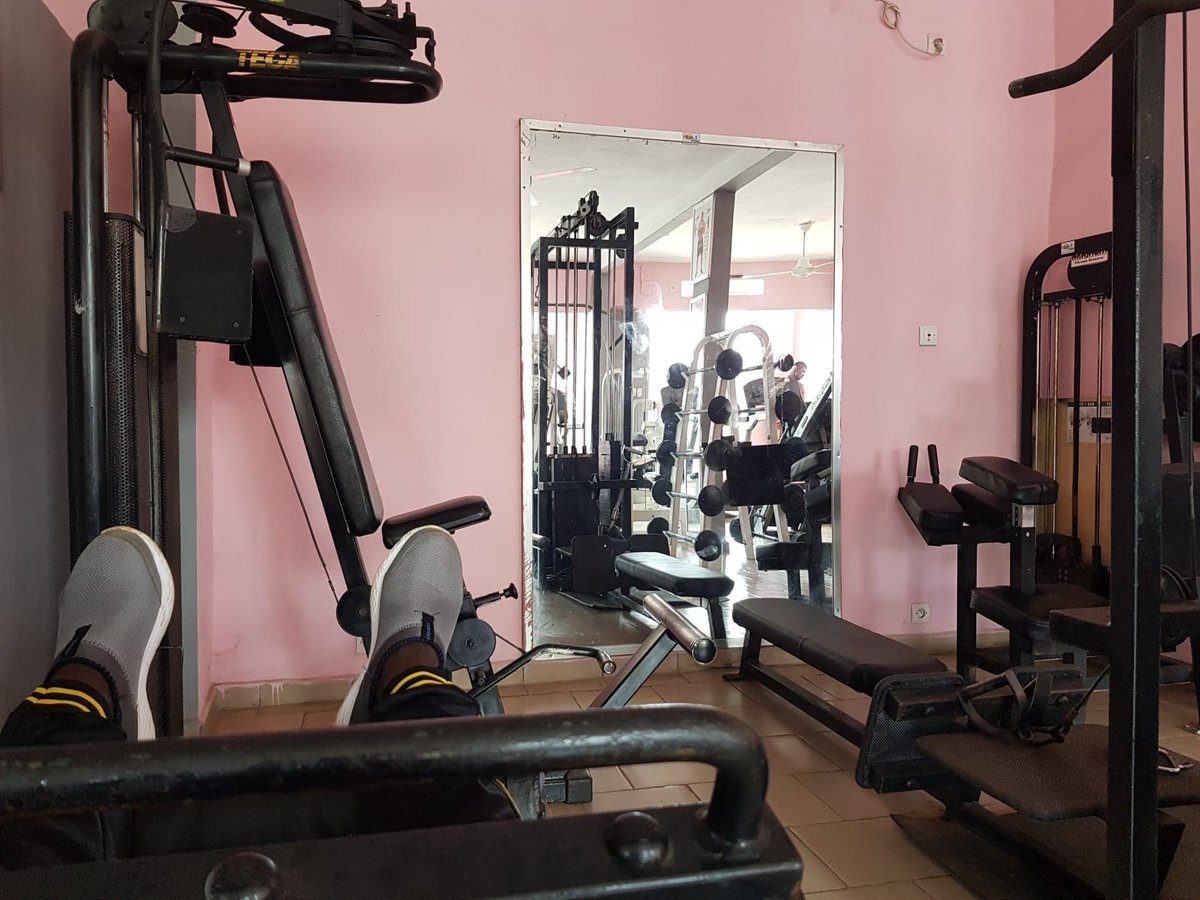
The reverse pec deck is the machine version of the same fly pattern. The fixed path makes it one of the easiest rear delt moves to learn.
Set the machine arms for a reverse-fly path, not a chest-fly path. Adjust the seat so the handles sit about shoulder height when you grip them.
Sit facing the pad with your chest supported and your feet flat on the floor. Hold the handles with a slight, fixed bend in the elbows.
Open your arms out and back in a wide arc until they are roughly in line with your torso. Pause briefly, then return slowly without letting the weight stack crash.
Keep your shoulders down and away from your ears. If you catch yourself shrugging, the weight is too heavy.
Starting range: 2 to 3 sets of 12 to 15 reps with a light to moderate weight.
4. Cable Reverse Fly (Two Arms)
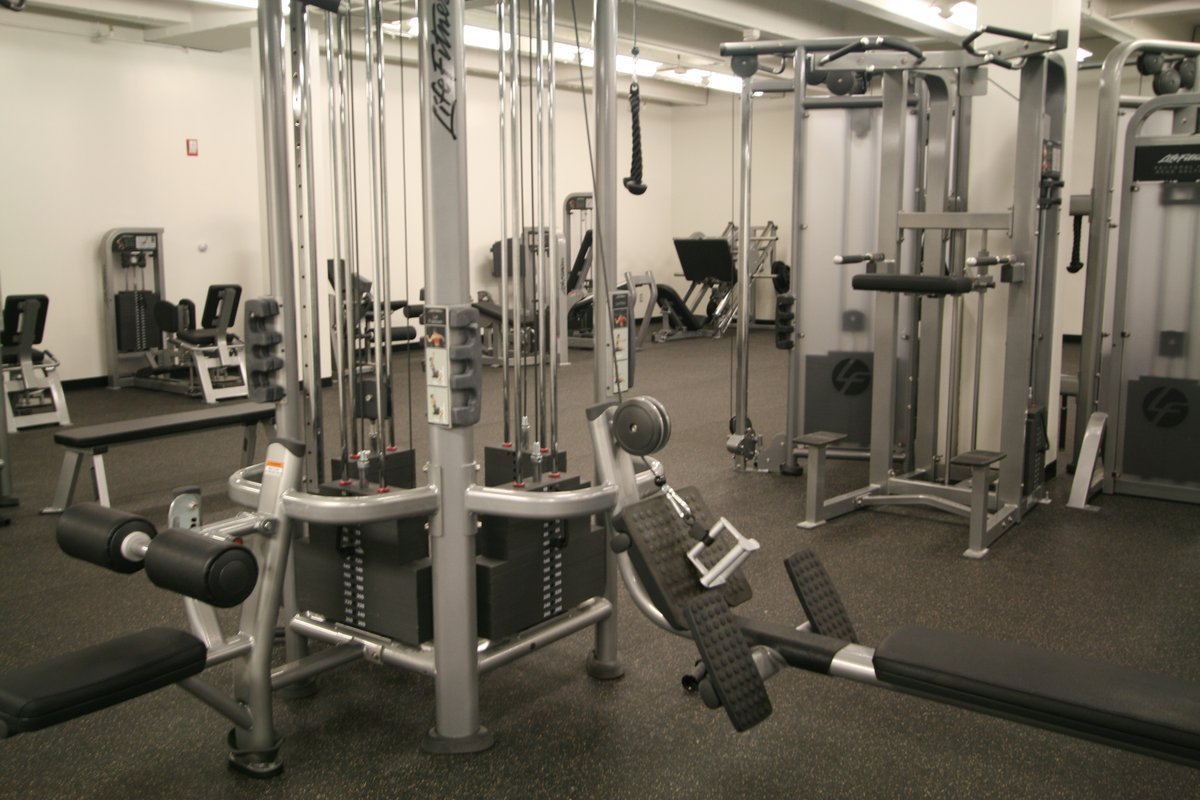
Cables keep gentle tension on the muscles through the whole arc, including at the start of the rep where dumbbells feel lightest.
Stand between two cable pulleys set around shoulder height. Take the left handle in your right hand and the right handle in your left hand, so the cables cross in front of you.
Stand tall with a slight bend in the knees. Pull the handles out and back in a wide arc until your arms are roughly in line with your body.
Keep a soft bend in the elbows and your shoulders down. Return slowly to the start, letting the cables cross again, and do not let the weight stacks slam.
Starting range: 2 to 3 sets of 12 to 15 reps with a light weight.
5. Single-Arm Low-Cable Raise
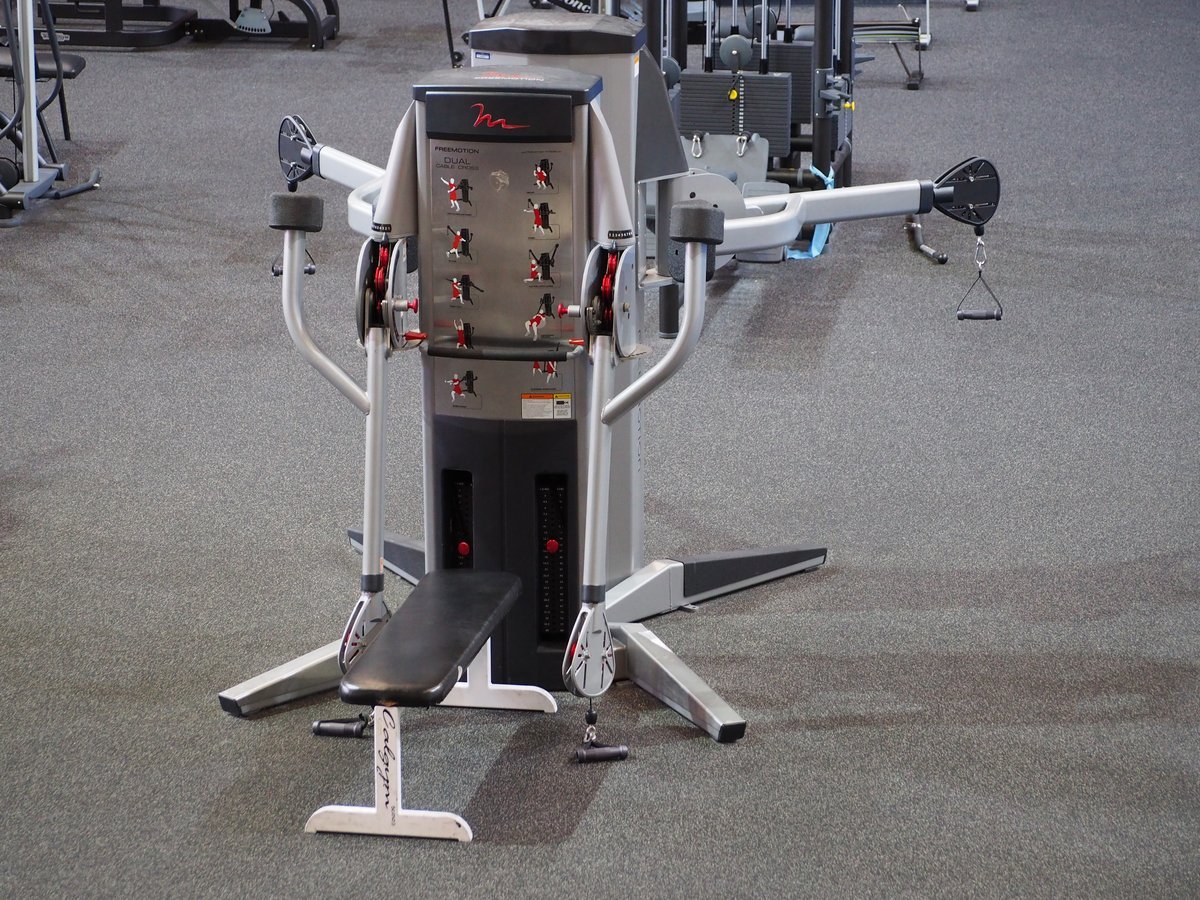
This one-arm version uses a low pulley and a bent-over stance, so the pull comes from across the body rather than straight down.
Stand beside a low pulley with the handle in the far hand. Hinge forward slightly at the hips, keep your back flat, and brace your free hand on a bench or your thigh if that helps balance.
Raise the handle out to the side and slightly back with a soft bend in the elbow, until your arm is roughly level with the floor. Lower slowly, then finish all reps on one side before switching.
Because each side works alone, this version makes left-right differences easy to notice. Use the same weight on both sides and let the weaker side set the load.
Starting range: 2 sets of 12 to 15 reps per side.
6. Barbell Rear Delt Row (Wide Grip)
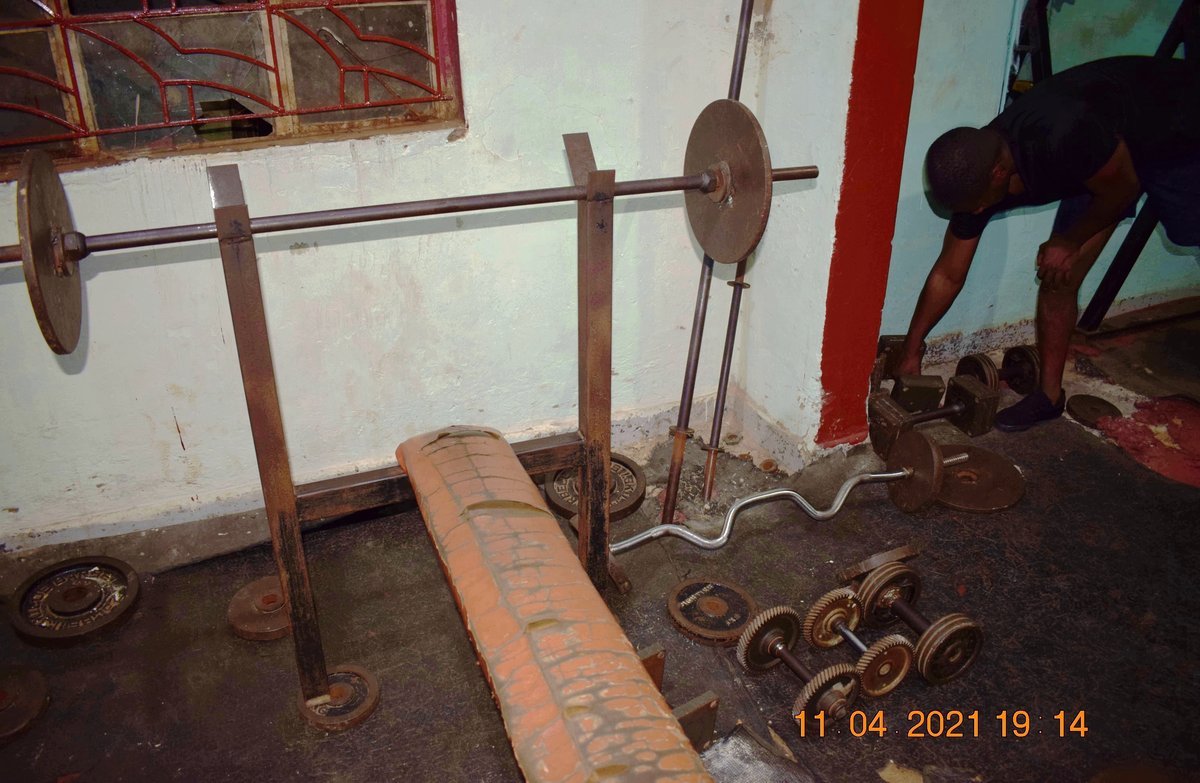
This is a rowing move rather than a fly, and it works the rear delts together with the upper back. A wide grip and elbows kept out to the sides shift more of the work toward the back of the shoulders.
Stand in front of a barbell and hinge forward with a flat back and a slight bend in the knees. Grip the bar wide, with both hands evenly spaced.
Pull the bar toward your upper chest, keeping your elbows wide and out to the sides. Pause briefly, then lower it under control to the start.
Keep the movement smooth and your torso still. If your hips start driving the bar up, the weight is too heavy.
Starting range: 2 to 3 sets of 10 to 12 reps. A related dumbbell option is the one-arm row: one knee and hand braced on a flat bench, rowing a dumbbell with the elbow kept slightly out — the same rowing pattern, one side at a time.
Two Form Mistakes to Avoid
First, turning the fly into an upper-back squeeze. ❌
If you pinch your shoulder blades hard together at the top of every rep, the middle traps and rhomboids take over and the rear delts do less. Think about moving your upper arms out to the sides, and let the shoulder blades move naturally rather than forcing them together.
Second, going too heavy. A weight that forces you to swing, shrug, or shorten the range turns a small isolation move into a momentum exercise.
Drop the weight until you can pause at the top and lower slowly on every rep. The rear delts respond to clean reps, not to the number on the dumbbell.
How to Fit Rear Delt Work Into Your Week
You do not need all six exercises in one session. Pick one or two per workout — for example, a dumbbell raise plus the reverse pec deck — and rotate the others in over the following weeks. 🔄
A simple starting point is two sessions a week, with at least a day of rest between them. Add reps first, and only add weight when you can finish every set with good form.
Rear delt work pairs naturally with a pulling session or at the end of a shoulder session. If you train arms on the same day, our triceps workout guide covers the other side of the upper arm.
For core work on a different day, see our best abs workout guide.
Frequently Asked Questions
How many rear delt exercises should I do per workout?
One or two is plenty for most people. Rear delts are small, and two clean exercises with 2 to 3 sets each give enough work without turning the session into a marathon.
Do rear delt exercises fix posture or shoulder pain?
No — this guide makes no such claim. These exercises strengthen the back of the shoulder, but posture and pain have many causes. If pain persists, talk to a clinician or physiotherapist rather than training through it.
Can beginners do these exercises?
Yes, with light weights. Start with the chest-supported raise or the reverse pec deck, where the bench or machine keeps your position steady, and practise the movement before adding weight.
Should I feel rear delt exercises in my upper back too?
A little, yes. The traps and rhomboids assist in flyes and rows. If your upper back or neck does most of the work, though, lower the weight and refocus on moving your upper arms.
How long until I notice a difference?
That depends on your training history, consistency, diet, and recovery, so no honest timeline can be promised here. What you can track week to week is simple: the same weight for more clean reps, or the same reps with a slightly heavier weight and the same form.