

Search for one “ideal” body fat percentage, and you will find a dozen different answers. 📏
That disagreement is not a mistake in your search. It is the honest truth about this number.
Body fat percentage is a useful general marker, but there is no single figure that suits everyone. Ranges shift with sex, age, activity level, and even the method used to measure them.
Important: this article is general information only, not medical advice. If you are thinking about changing your diet, training, or body composition in a big way, talk to a doctor or a registered dietitian first — especially if you have a health condition, are pregnant, or are under 18.
1. Why One “Ideal” Number Is Misleading
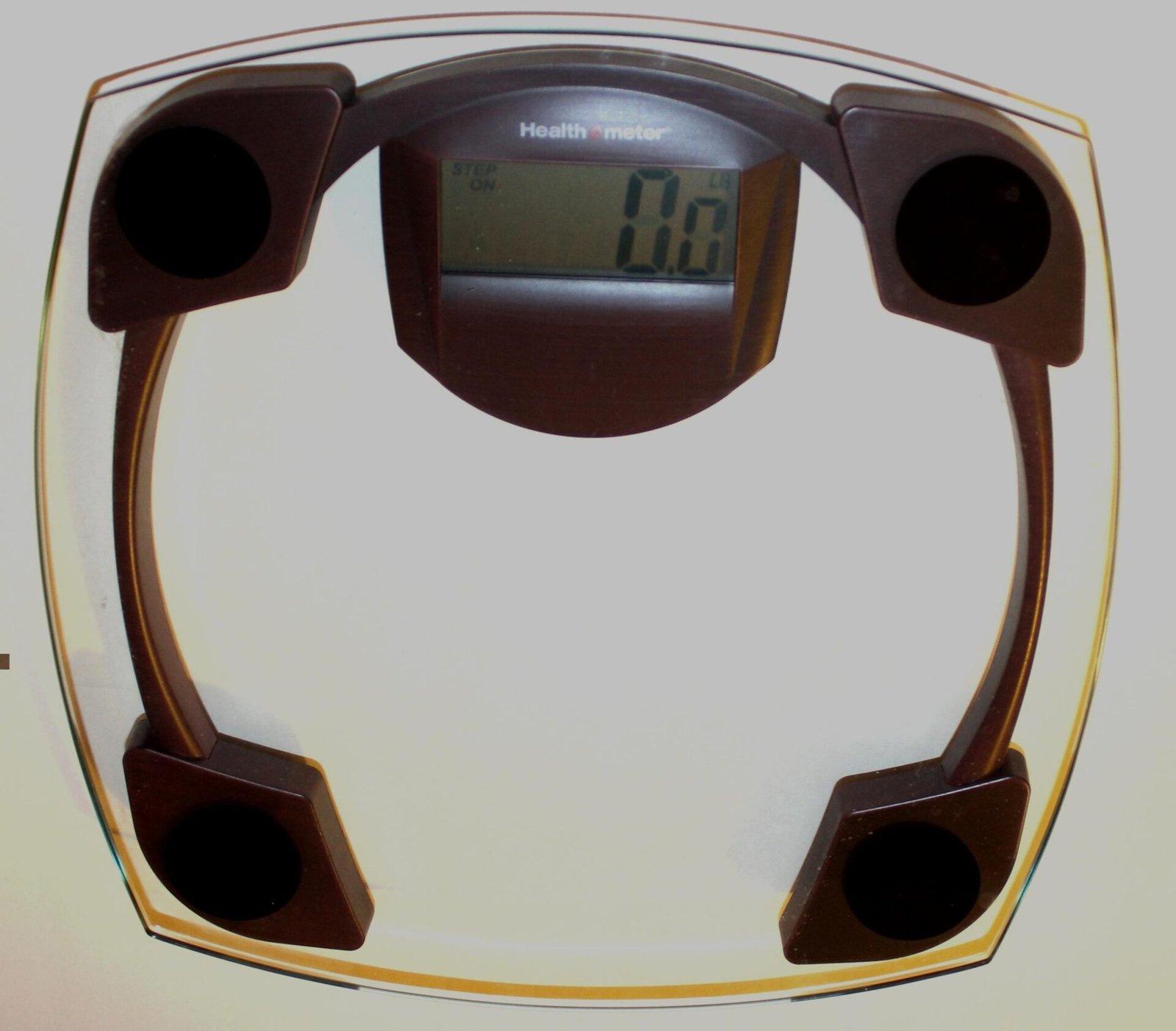
A single number sounds reassuring. Step on a scale, read a figure, and you supposedly know where you stand.
But body fat percentage is not like a shoe size. Two people at the same percentage can look different, feel different, and perform very differently. 🏋️
Muscle mass, bone structure, age, and sex all change what a number means. A figure that is normal for one person may be unusually low — or high — for another.
Photos and social media make this worse. A physique you admire online may reflect lighting, posing, and a short-term peak, not a level that person holds all year.
So instead of asking “what is the ideal number?”, a better question is: “what range is generally typical for someone like me, and does my current level support my health?”
2. What the Common Ranges Actually Look Like
The most widely quoted reference comes from the American Council on Exercise (ACE). It splits body fat into broad bands, not one target. 📊
| ACE category | Men | Women |
|---|---|---|
| Essential fat | 2–5% | 10–13% |
| Athletes | 6–13% | 14–20% |
| Fitness | 14–17% | 21–24% |
| Average | 18–24% | 25–31% |
| Obese range | 25%+ | 32%+ |
Notice two things right away. First, women carry more essential fat than men — that is normal biology, not a flaw.
Second, “athlete” here is a wide band, not a single number. A sprinter, a rugby player, and a gymnast may all sit in it at very different points.
Other reputable sources disagree on the edges. The American College of Sports Medicine (ACSM) figures quoted elsewhere, for example, put women’s athlete and fitness bands a little lower than ACE does.
That disagreement is exactly the point: these are population guideposts, not personal prescriptions. Age also nudges the picture, with typical percentages tending to rise slightly as people get older.
If you want context for training in general, our Pure Fitness guide covers the basics of building a balanced routine.
3. How Measurement Methods Differ — and Why Your Number Moves
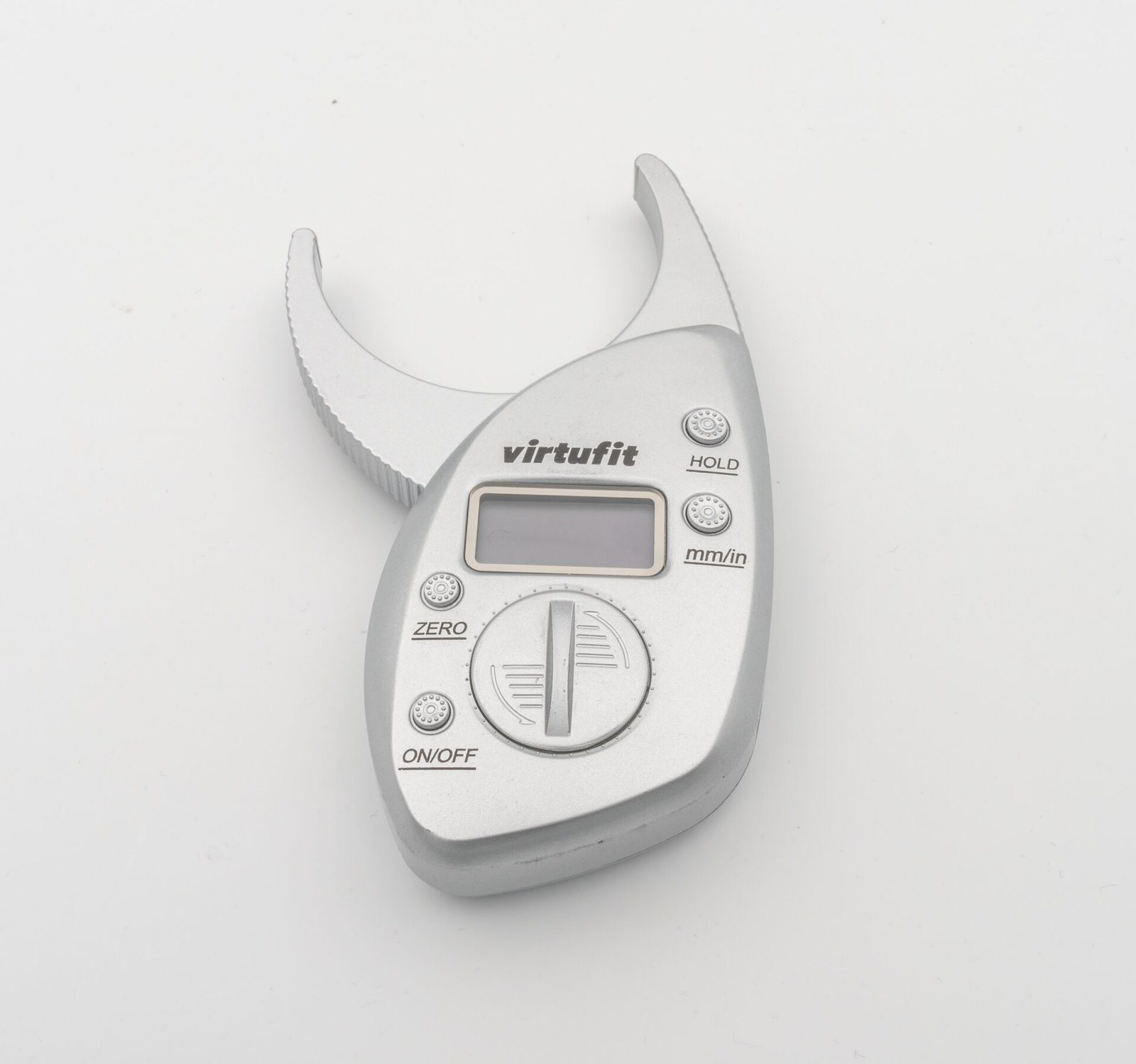
Here is a secret the fitness world does not advertise enough: your result depends heavily on how it was measured. 🔬
DEXA scans and hydrostatic (underwater) weighing are often described as the most accurate options, with error margins often cited around 1–2%. They need specialist facilities, though, and they still are not exact.
Skinfold calipers are cheap and portable, but the result depends a lot on the skill of the person measuring. Error margins often cited are roughly 3–5%, and they only measure fat under the skin, not fat around the organs.
Smart scales using bioelectrical impedance (BIA) are the most convenient option, but also the most easily swayed. Hydration, a recent meal, or a hard workout can shift the reading by several points.
So if your scale says 19% on Monday and 22% on Friday, you probably did not gain that much fat in four days. You likely measured under different conditions.
The practical takeaway: pick one method, measure under similar conditions, and watch the trend over weeks — not a single reading.
4. Why Chasing Very Low Body Fat Can Backfire
Leaner is not always healthier. Below a certain point, the body starts treating low energy availability as a problem to solve. ⚠️
Fat tissue helps produce and regulate hormones. Very low body fat has been linked with lower testosterone in men and missed or irregular periods in women.
Energy, recovery, and immune function can suffer too. People pushing to extreme leanness often report constant fatigue, poor sleep, frequent colds, and workouts that stop improving.
Bone health is another quiet risk, since hormones and nutrition both feed into bone density over time.
Competitive bodybuilders sometimes reach very low levels for a short peak — but that is a brief, planned stage, usually with coaching, and not a year-round lifestyle.
If you notice fatigue, lost periods, constant illness, or a troubled relationship with food while chasing a number, that is a strong reason to stop and speak to a clinician or dietitian rather than push further.
5. Body Composition Is One Marker Among Many
A body fat reading tells you one thing about your body. It does not tell you everything. 🏃
Strength, stamina, sleep quality, blood pressure, blood sugar, mood, and how you actually feel day to day all matter — and none of them appear in a single percentage.
Two people can share the same number while one sleeps well, trains happily, and eats a balanced diet, and the other is exhausted and under-fuelling.
A healthier way to use the number is as a background check, not a verdict. Pair it with habits you can sustain: regular movement you enjoy, enough protein and vegetables, good sleep, and rest days.
For a gentler form of movement, see our guide to yoga for flexibility and balance, and for a training-and-nutrition example, the Jeff Seid diet plan and workout routine shows how one athlete structured his approach.
And if a number is causing you stress, that stress itself is useful information. Health is the whole picture, not one digit on a screen.
Frequently Asked Questions
Is there one ideal body fat percentage for everyone?
No. Ranges vary by sex, age, and activity level, and sources such as ACE and ACSM do not agree on every band. Treat published ranges as broad guideposts, not personal targets.
What is essential body fat?
It is the minimum fat the body needs for basic functions such as hormone production and temperature regulation. ACE puts it at roughly 2–5% for men and 10–13% for women. Going near or below it is not a health goal for the general public.
Why does my smart scale give different readings?
Bioelectrical impedance readings shift with hydration, food, and recent exercise. Measure at a similar time of day, under similar conditions, and follow the trend rather than one reading.
Is a lower body fat percentage always healthier?
No. Very low levels have been linked with hormone disruption, fatigue, weaker immunity, and bone-health risks. A sustainable level that supports your energy and health matters more than the lowest number you can reach.
Should I get my body fat measured professionally?
It can be useful for a baseline, especially if you are an athlete or working with a coach. For most people, though, no single measurement replaces a conversation with a doctor or dietitian about overall health.
Bottom line: there is no magic number waiting to be discovered. 💡
There are ranges, there are trade-offs, and there is your own health, energy, and sustainability — which no chart can measure for you.
This article is general information only and is not medical advice. For personal guidance, speak to a doctor or a registered dietitian.