

This article shares general information only. It is not medical advice, and it cannot diagnose or treat any condition. If you are worried about your symptoms, speak to a clinician or pharmacist for advice about your own situation. 🙂
Constipation usually means going to the toilet less often than is usual for you, or passing stools that are hard, dry or difficult to pass.
What counts as “normal” varies a lot from person to person, so a change from your own usual pattern matters more than hitting one fixed number.
For many adults, everyday habits play a part — too little fibre, too little fluid, long periods sitting, and ignoring the urge to go can all make stools harder to pass.
Sometimes there is no obvious reason, and sometimes a medicine or another health condition is involved, which is why persistent symptoms deserve proper advice rather than guesswork.
⚠️ Get medical advice promptly if you notice red flags
Do not try to manage the following symptoms on your own — seek medical advice promptly, and urgently if they are severe:
- Blood in your stool, or bleeding from your back passage
- Black or tarry-looking stools
- Unintentional weight loss, or feeling tired all the time
- Severe or persistent tummy pain
- Constipation lasting several weeks, or not improving with everyday changes
- A sudden change in your usual bowel habit
These signs can have many causes, and only a clinician who can assess you properly can tell what is going on.
Never stop a prescribed medicine because you think it may be contributing — speak to your clinician or pharmacist first.
Children, pregnant readers, older adults, and anyone taking regular medication should also get personal advice before changing their diet or routine.
🥦 1. Add fibre gradually
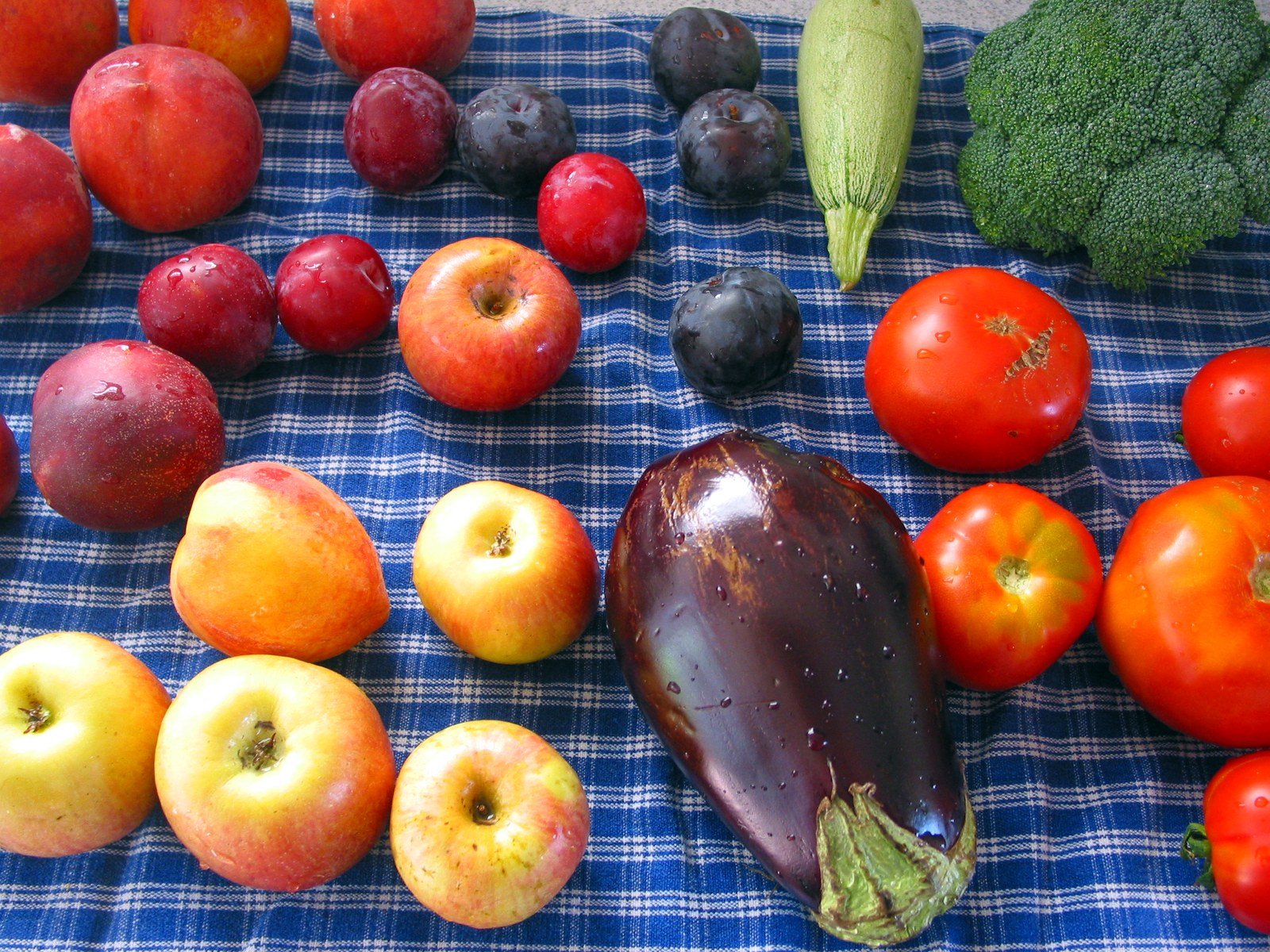
Fibre adds bulk to stools and helps them move along, so a diet rich in fruit, vegetables and whole grains is a sensible everyday starting point.
Build up gradually rather than all at once, as a sudden jump in fibre can leave you bloated and uncomfortable.
Simple swaps can help: add an extra portion of vegetables to a meal, choose wholemeal bread, or add oats or beans to dishes you already enjoy.
If you are unsure what suits you — especially with a sensitive stomach or another health condition — ask a clinician or dietitian before making big changes.
💧 2. Drink fluids through the day

Fluid helps keep stools softer and easier to pass, so try to drink regularly through the day rather than saving it all for one go.
Water and other plain fluids count, and keeping alcohol low is a sensible step, since alcohol does not help hydration.
There is no single amount that suits everyone, so let thirst, the weather and how active you are guide you — and ask a clinician if you have a condition that limits your fluid intake.
🚶 3. Move a little, often
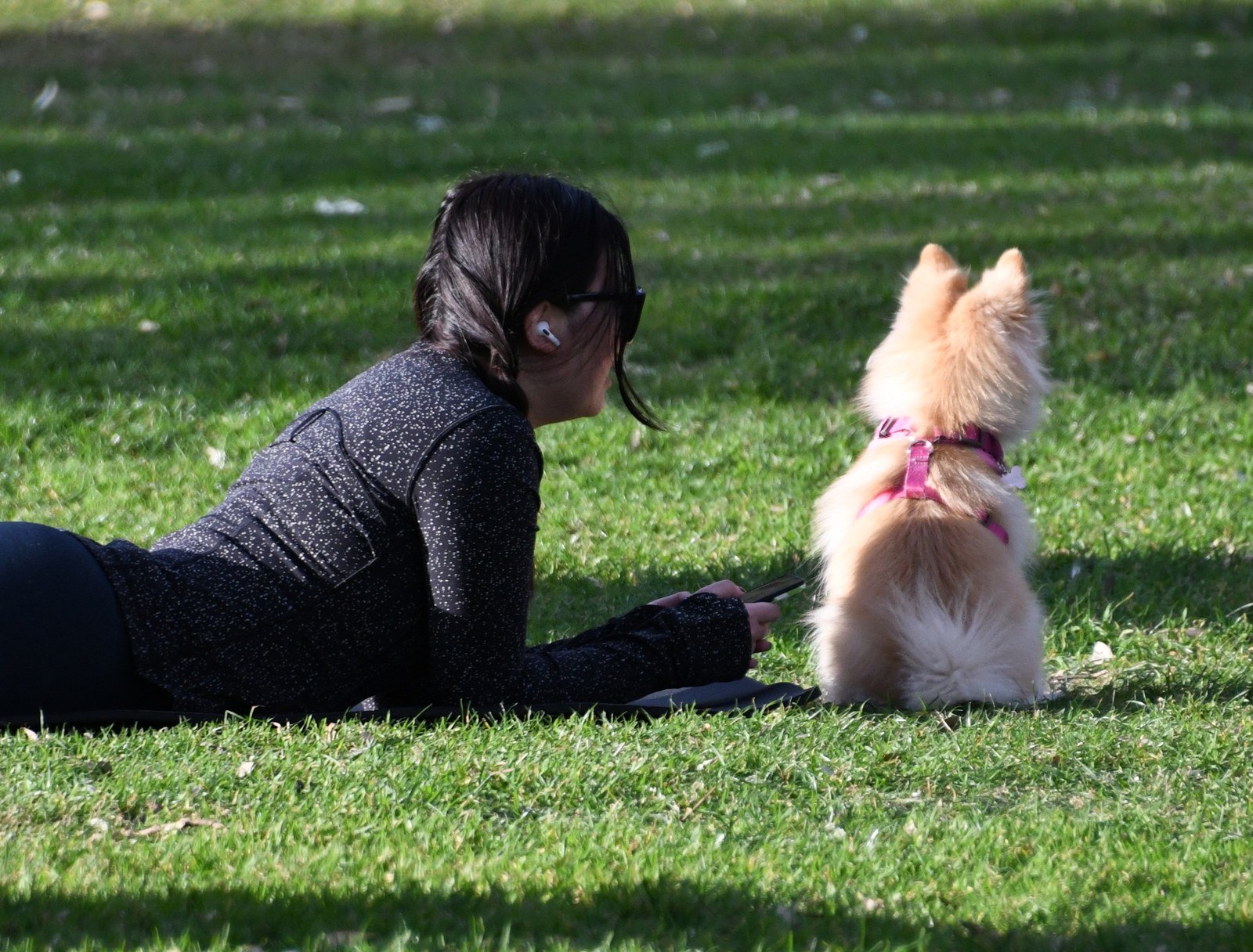
Regular movement supports general gut health, and a daily walk is a realistic place to start for most people.
Breaking up long sitting spells matters too — a short stroll, a stretch, or simply moving around the house all count.
Choose movement you enjoy and can keep up, and build up gently if you are new to exercise or returning after illness.
Gentle stretching can feel good as part of a routine, but skip any pose or exercise that causes pain, and get advice if you have a back, pelvic or joint problem.
🍽️ 4. Keep meals balanced, most days

A varied, balanced diet beats a list of “forbidden” foods, and most people do better by adding fibre-rich foods than by cutting whole food groups out.
Very low-fibre meals — such as large portions of fried or highly processed food, with little fruit or vegetables — can make constipation more likely when they become the everyday pattern.
That does not mean one meal causes a problem, or that any single food must be banned; it is the overall pattern that counts.
If a particular food seems to trouble you, note the pattern and discuss it with a clinician rather than cutting out a whole food group on your own — especially for children.
A regular routine can help as well: try to respond to the urge to go when it comes, and give yourself unhurried time rather than rushing.
❓ Frequently asked questions
Does drinking more water alone fix constipation?
Not on its own. Fluids help, but they work best alongside fibre, movement and a regular routine — and they do not replace medical advice for persistent symptoms.
Can exercise cause constipation?
Exercise itself is generally helpful, but if you sweat a lot and do not replace fluids, you may feel worse, so drink regularly around activity.
How long should I wait before seeking advice?
If everyday changes are not helping, symptoms keep coming back, or you notice any red flag above, seek advice rather than waiting it out.
Are there foods I should avoid completely?
No single food needs a blanket ban for most people. Focus on the overall balance of your diet, and get personal advice before removing a food group.
🌿 A calmer way forward
Small, steady habits — more fibre, regular fluids, daily movement and a balanced plate — are the everyday steps most people can try safely.
They are not a cure, and they are not a substitute for care when something feels wrong.
If symptoms persist, change suddenly, or come with any red flag, talk to a clinician — that conversation is the most important step of all.
General information only — not medical advice. If you are a parent, are pregnant, are an older adult, or take regular medication, please seek personal clinical advice.
Related reading on this site: our guide to diabetes signs, symptoms and types explains why unexplained weight loss and tiredness always deserve attention; our article on the causes of obesity looks at how diet, activity and everyday habits interact; and our best breakfast foods guide offers fibre-friendly morning ideas.