

What Is an Elliptical Machine? 🏃
An elliptical machine is a stationary cardio trainer with two foot pedals that move in a smooth, oval path.
Your feet stay on the pedals, so there is no landing impact like running. That gliding motion is why many people choose it for steady, joint-friendly cardio.
Most full-size models also have moving handles, so your arms join in and the workout feels like a whole-body session.
Why People Pick an Elliptical for Cardio ❤️
An elliptical gives you a straightforward way to raise your heart rate indoors, whatever the weather outside.
You control the effort with resistance, and on many models with incline or stride settings too. A gentle session and a hard session can come from the same machine.
For general fitness, the American Heart Association recommends at least 150 minutes of moderate aerobic activity per week for adults, or 75 minutes of vigorous activity, or a mix of both.
That is a general guideline, not a personal prescription. If you have a health condition, pain, or you are starting exercise after a long break, talk to a clinician first.
6 Elliptical Machine Types for Cardio in 2026
The old 2020 list mixed real ellipticals with bikes and treadmills, and named models that are no longer sold.
This refresh fixes that. It groups machines by type, because type decides how a machine feels, how much room it takes, and who it suits.
No machine here is presented as tested, ranked, or best. Use the types to narrow your shortlist, then try a machine in person if you can.
1. Front-Drive Ellipticals
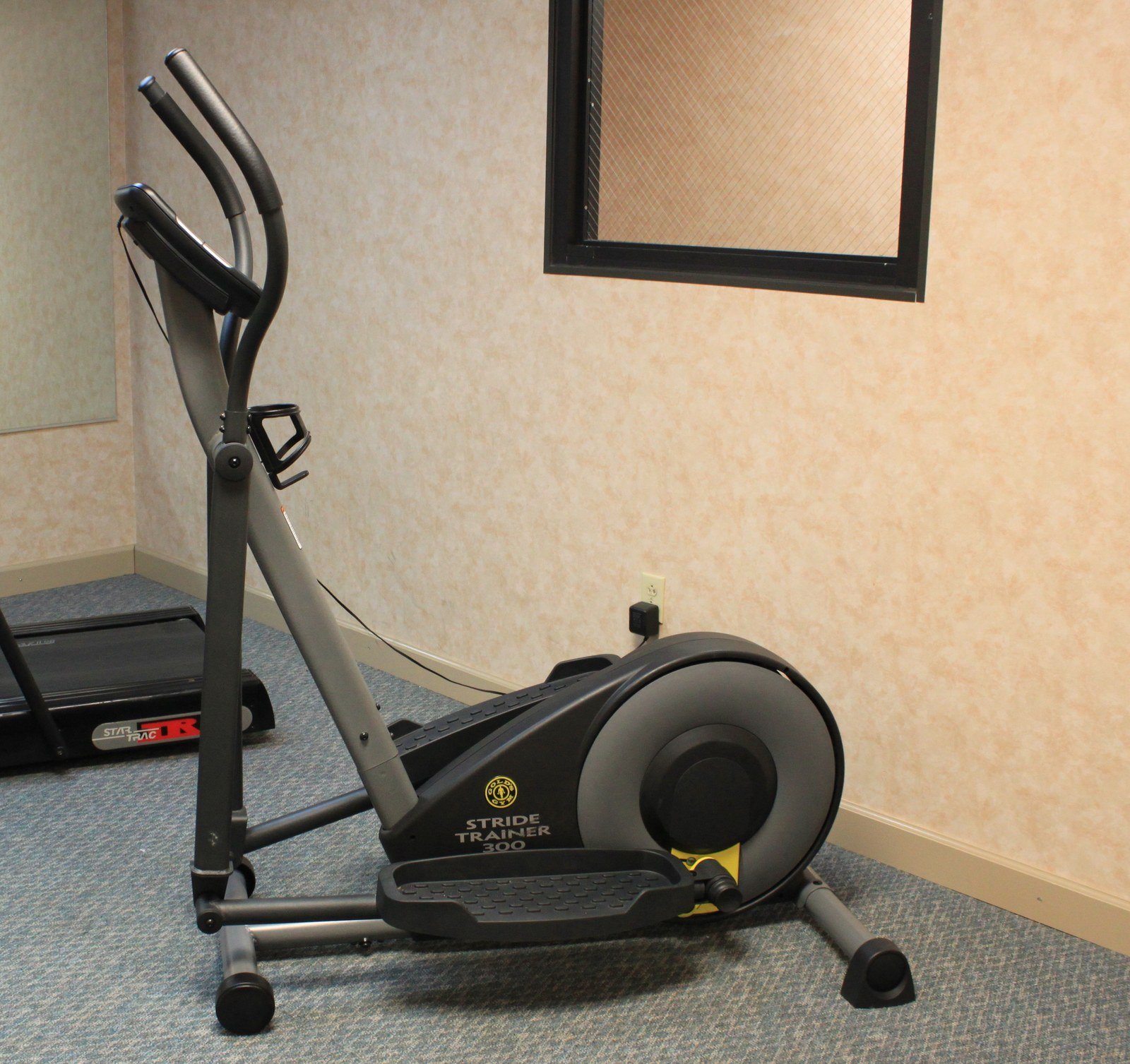
Generic photo of an elliptical trainer. It is not a photo of a named front-drive model. Photo: Dwight Burdette / Wikimedia Commons
In a front-drive elliptical, the flywheel sits at the front of the machine.
The stride often feels a little like climbing stairs, and these models are common in home gyms. They can be a practical pick when floor space is tight.
Check the stride length against your height before buying. A stride that feels cramped on a short test will feel worse in week six.
2. Rear-Drive Ellipticals
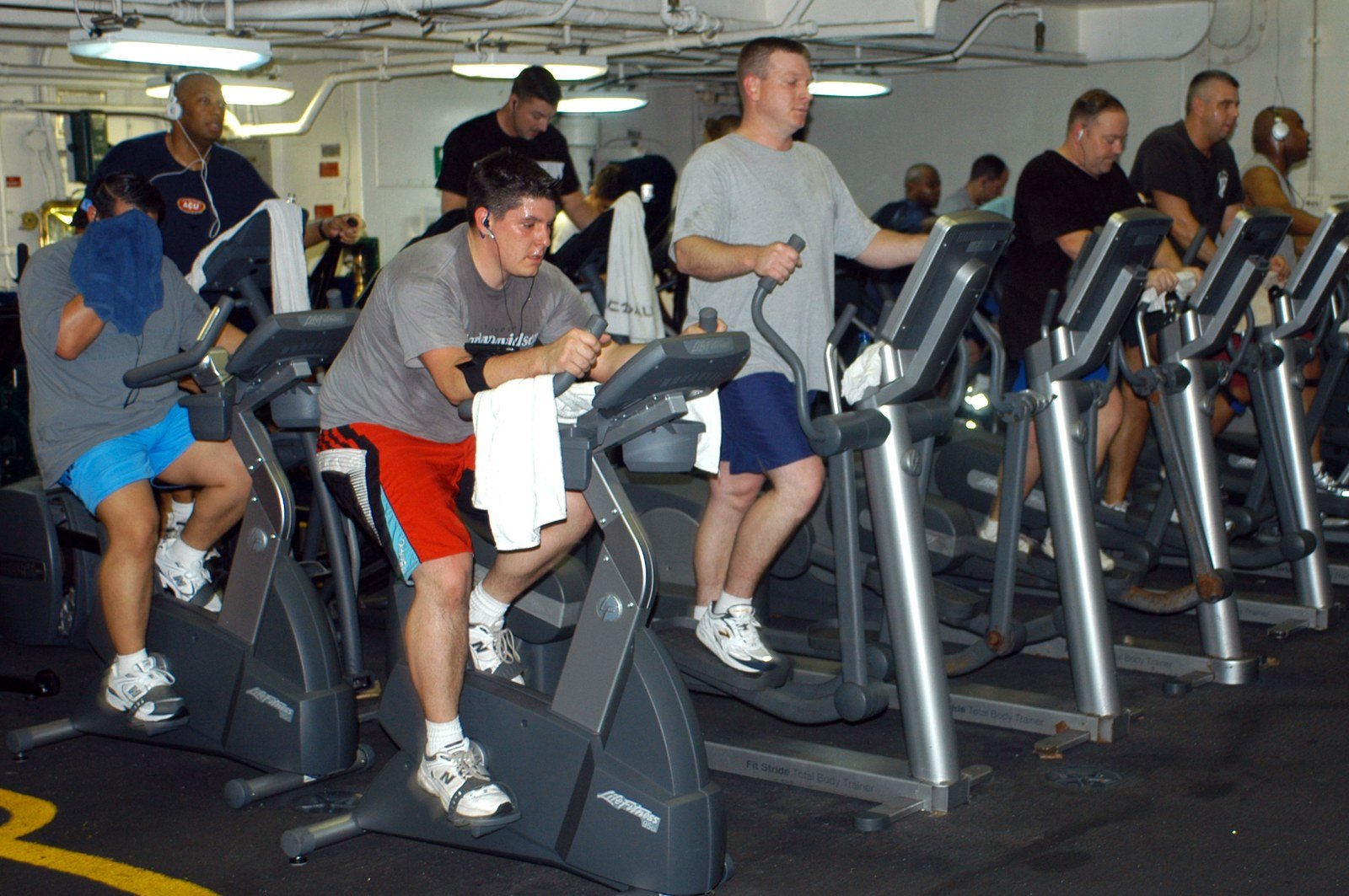
Generic photo of people using elliptical trainers. It is not a photo of a named rear-drive model. Photo: U.S. Navy / Wikimedia Commons
In a rear-drive elliptical, the flywheel sits behind you.
The motion is often described as smoother and closer to walking, and longer strides are common on this layout. That can suit taller users.
The trade-off is size. Rear-drive frames tend to run longer, so measure your room, including the space the pedals travel through.
3. Centre-Drive Ellipticals
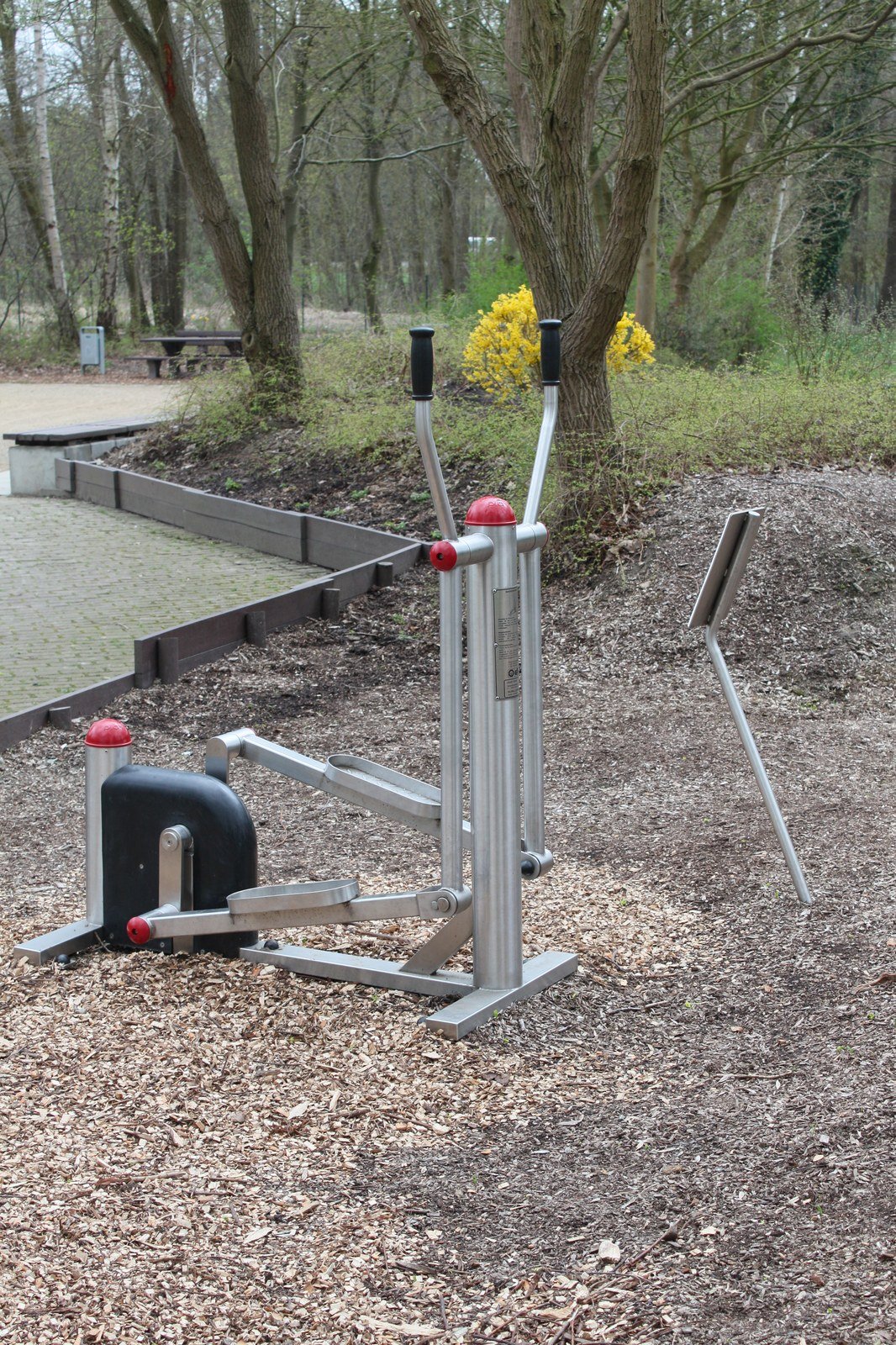
Generic photo of a cross trainer. It is not a photo of a named centre-drive model. Photo: Flohsand / Wikimedia Commons
Centre-drive machines place the drive close to the middle of the machine, often with wheels on either side.
The result is usually a compact, upright machine that takes up less floor space than a long rear-drive frame.
Because the design is newer and less common, compare stride feel carefully. Compact should never mean uncomfortable.
4. Compact, Folding and Seated Ellipticals 🏠
Generic photo of a home workout space. It is not a photo of a named compact or seated model. Photo: Shixart1985 / Wikimedia Commons
Small-space ellipticals come in two very different shapes, so do not confuse them.
Folding and compact standing ellipticals are full-size trainers made to store more easily. They still give you a standing, full-body workout.
Seated under-desk ellipticals are a separate idea. You pedal while sitting at a desk, which adds gentle movement to a workday, but it is not a replacement for a standing workout.
Seated units are still listed by makers such as Cubii in 2026 guides, so the category is current. Just judge it on what it is: light, seated movement.
5. Smart and Connected Ellipticals 📱
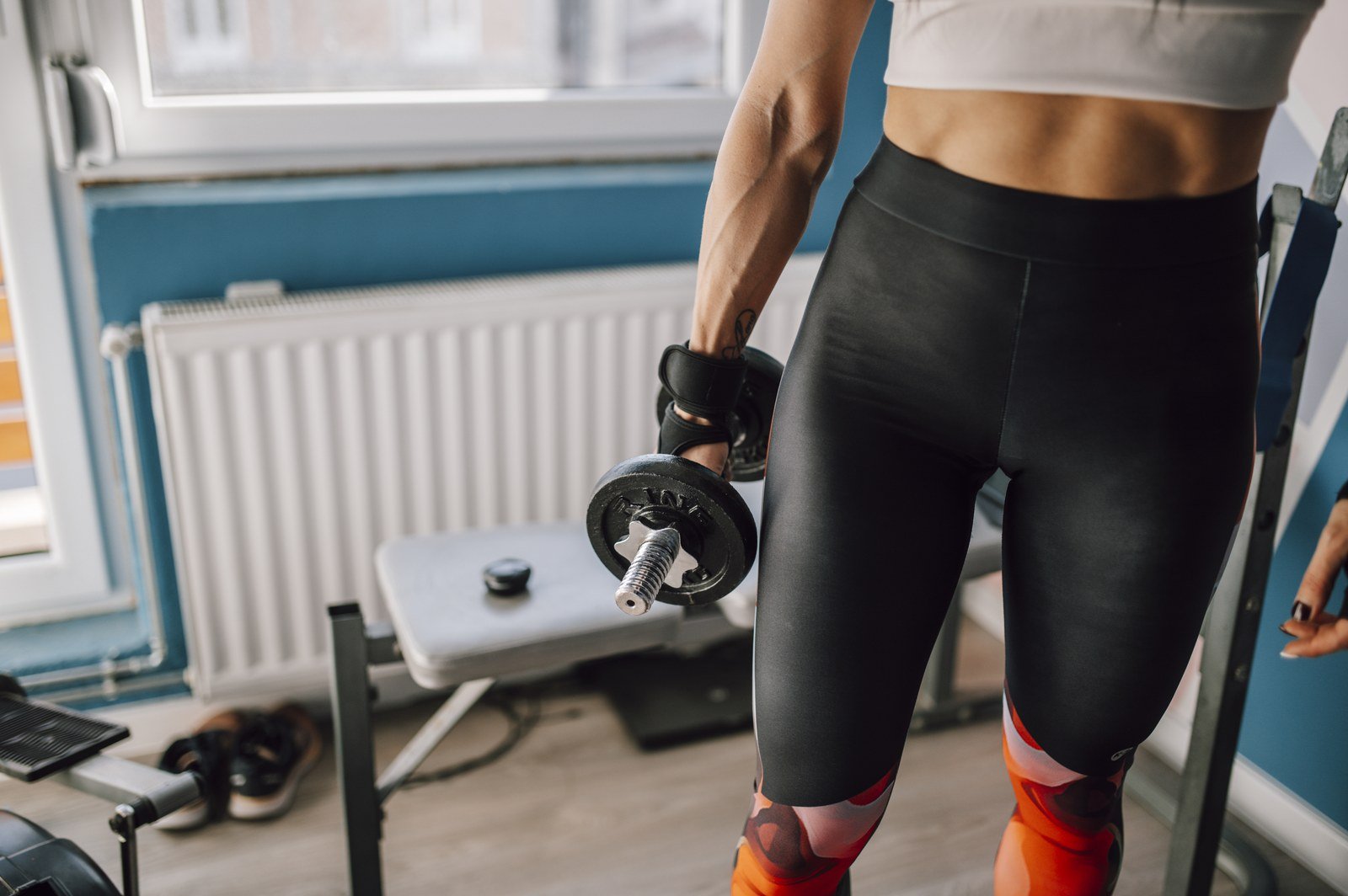
Generic photo of a home gym workout. It is not a photo of a named smart model. Photo: Shixart1985 / Wikimedia Commons
Smart ellipticals add a screen, an app, or both, with guided workouts and tracking built in.
That guidance helps some people stay consistent, which is the real battle with home cardio. A screen you never use, though, is just cost and complexity.
Before choosing one, check whether the workouts need an ongoing subscription, and whether the machine still works well in manual mode without it.
6. Commercial and Club Ellipticals 🏋️
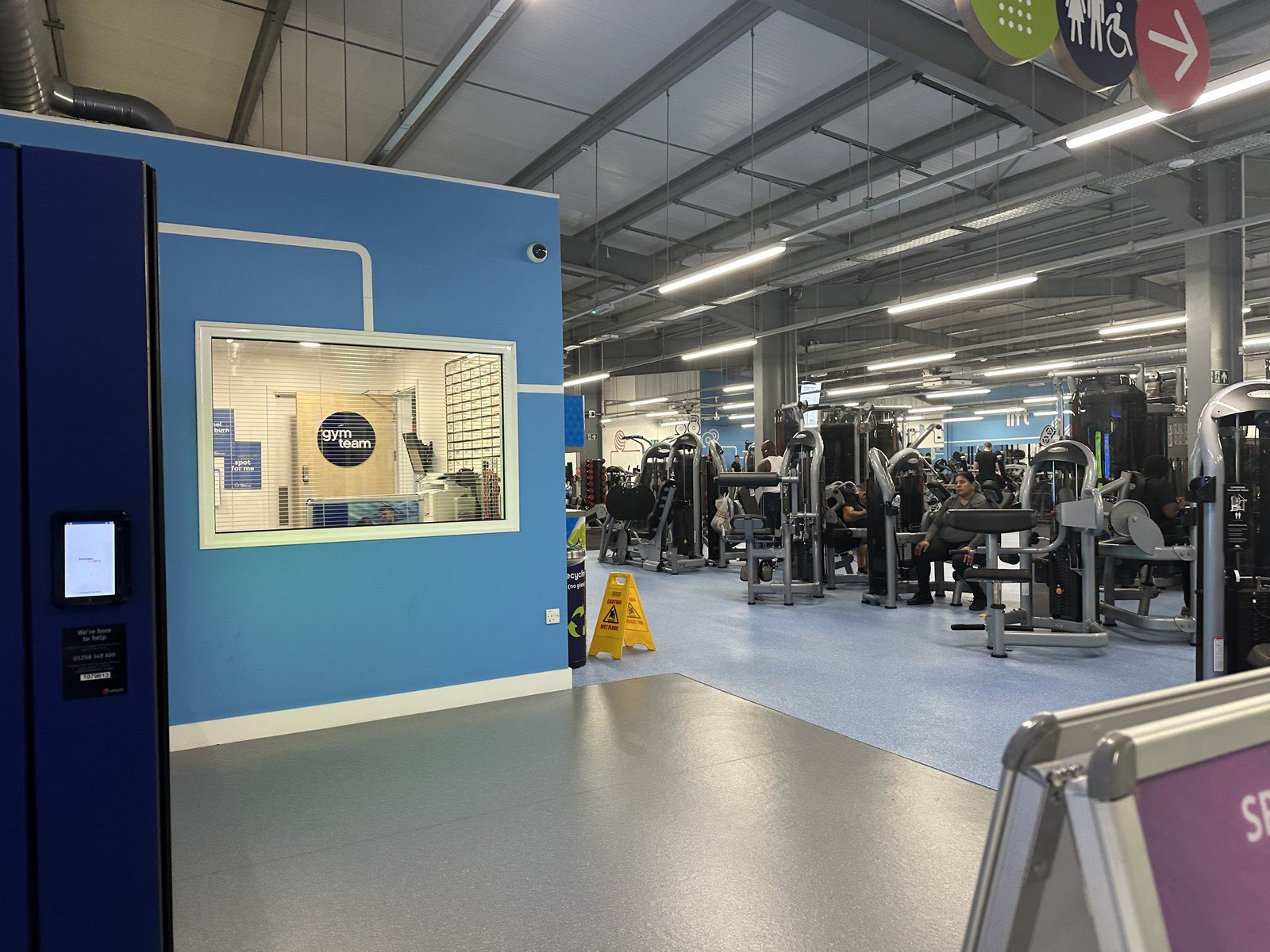
Generic photo of a gym floor. It is not a photo of a named commercial model. Photo: OathOn / Wikimedia Commons
Commercial ellipticals are the heavy-duty machines built for gyms, where they run all day, every day.
They are usually larger, heavier, and sturdier than home models, and they are the type most gym members already know.
Some home buyers choose a light-commercial build for durability. If you do, check the weight, the doorway width for delivery, and whether your floor can take it.
How to Choose the Right Type 🤔
Start with your space, then your stride. Measure the room, and try to test a similar stride length before you commit.
Next, be honest about how you will actually use it. A machine that fits your routine beats a fancier one that becomes a clothes rack.
Also check the weight limit, the warranty, and how noisy the drive is, especially in a flat or a shared house.
For the wider picture, see our guides to best exercise machines for home and best home exercise equipment for weight loss.
Elliptical Workouts: A Simple Starting Point ▶️
Begin with a short, easy session and build up slowly over weeks, not days.
Warm up at low resistance, settle into a pace where you can still talk, then cool down the same way.
Mixing steady sessions with shorter, harder efforts keeps things interesting. Our fat-burning cardio workouts guide has more session ideas.
One honest note: no cardio machine burns fat from one chosen body area. An elliptical supports overall activity and fitness; spot reduction is not how fat loss works.
Frequently Asked Questions ❓
Are ellipticals good for cardio?
Yes, in general terms. They raise your heart rate, work your legs and, with moving handles, your upper body too, all with low impact.
How much benefit you get depends on effort and consistency, not on the badge on the machine.
Is an elliptical easier on the knees than running?
Usually, yes, because your feet never leave the pedals and there is no landing force. That does not make it right for every knee problem.
If you have knee pain or a diagnosed condition, get advice from a clinician before starting.
Front-drive or rear-drive: which is better?
Neither is better for everyone. Front-drive models are often more compact, while rear-drive models often feel smoother with a longer stride.
Try both styles if you can, and let comfort decide.
Can an elliptical help with weight management?
It can support it, as part of an active routine and a balanced diet. No machine on its own guarantees weight loss, and no timeline is promised here.
Consistency over months matters far more than any single workout.
Disclosure
This article is general information only, not medical advice and not a product review. No machine in this article was presented as personally tested, ranked, or rated.
There are no affiliate links and no buy links in this article. No seller was paid to be mentioned, and no price is quoted, because prices change and cannot be kept honest in a static article.