

So, you want to become a professional bodybuilder? 🏋️
It is a fair dream, but it helps to know what the road really looks like before you start walking it.
Turning pro is not a single big moment. It is a long ladder of amateur shows, placings, and qualifiers, and most people who climb it never reach the top rung.
This guide explains that ladder honestly, step by step, using the path that runs through the NPC and the IFBB Pro League in 2026.
1. What “professional” really means 💪
In bodybuilding, “professional” has a specific meaning. It means you hold a pro card and compete in the IFBB Pro League.
That league runs the sport’s biggest pro contests, including the Mr. Olympia and the Arnold Classic.
The amateur side is the NPC in the United States and NPC Worldwide elsewhere. Think of it as the feeder system for the pro league.
A pro card is not a trophy you keep on a shelf. It is a membership, renewed each year, that lets you enter pro shows.
And here is the honest part: earning one takes years of consistent training, and most competitors never earn one at all.
2. Step 1: Start as an amateur 🏋️
Every pro starts here, at a local amateur show. You join the NPC (or NPC Worldwide outside the US) and enter a regional contest.
Pick a division that fits your physique. Men’s Open bodybuilding is only one option among many, and other divisions suit different builds.
Your first shows are about learning, not winning. You learn how judging works, how posing is scored, and what stage condition really demands.
Good coaching helps at this stage, and so does patience. One show rarely tells you everything about where you stand.
For the training side of getting stage-ready, see our guide on how to get shredded — but remember, a guide is general information, not a personal plan.
3. Step 2: Earn your way to a pro qualifier 🎯
Regional shows do not hand out pro cards. They hand out qualifications for the next level up.
In the US system, a strong placing in an open class at a qualifying contest — typically a top-five finish — can qualify you for national-level events.
A top-two finish at a national-level qualifying contest can then open the door to pro qualifiers themselves.
The exact placing you need varies by show and division, so always check the official rules for the contest you plan to enter.
Some athletes reach this stage in a few seasons. Many take much longer, and some never get past it — that is normal, not failure.
4. Step 3: Win a pro card 🏆
A pro qualifier is where pro cards are actually awarded. These are the biggest amateur events of the year, such as the NPC USA Championships and NPC National Championships.
How many cards are given out depends on the show and the division. At a standard NPC Worldwide pro qualifier, for example, one card per division overall is the norm, with a minimum number of competitors required in that division.
Other major qualifiers award more, sometimes one per class. Again, the show’s own published rules are the final word.
Winning a card means you have beaten a deep, experienced field on the day. There is no shortcut around that, and no fast track worth trusting.
If anyone promises you a quick route to pro status, treat it as a warning sign, not an opportunity.
5. Step 4: Life as a pro — and the road to the Olympia 🌟
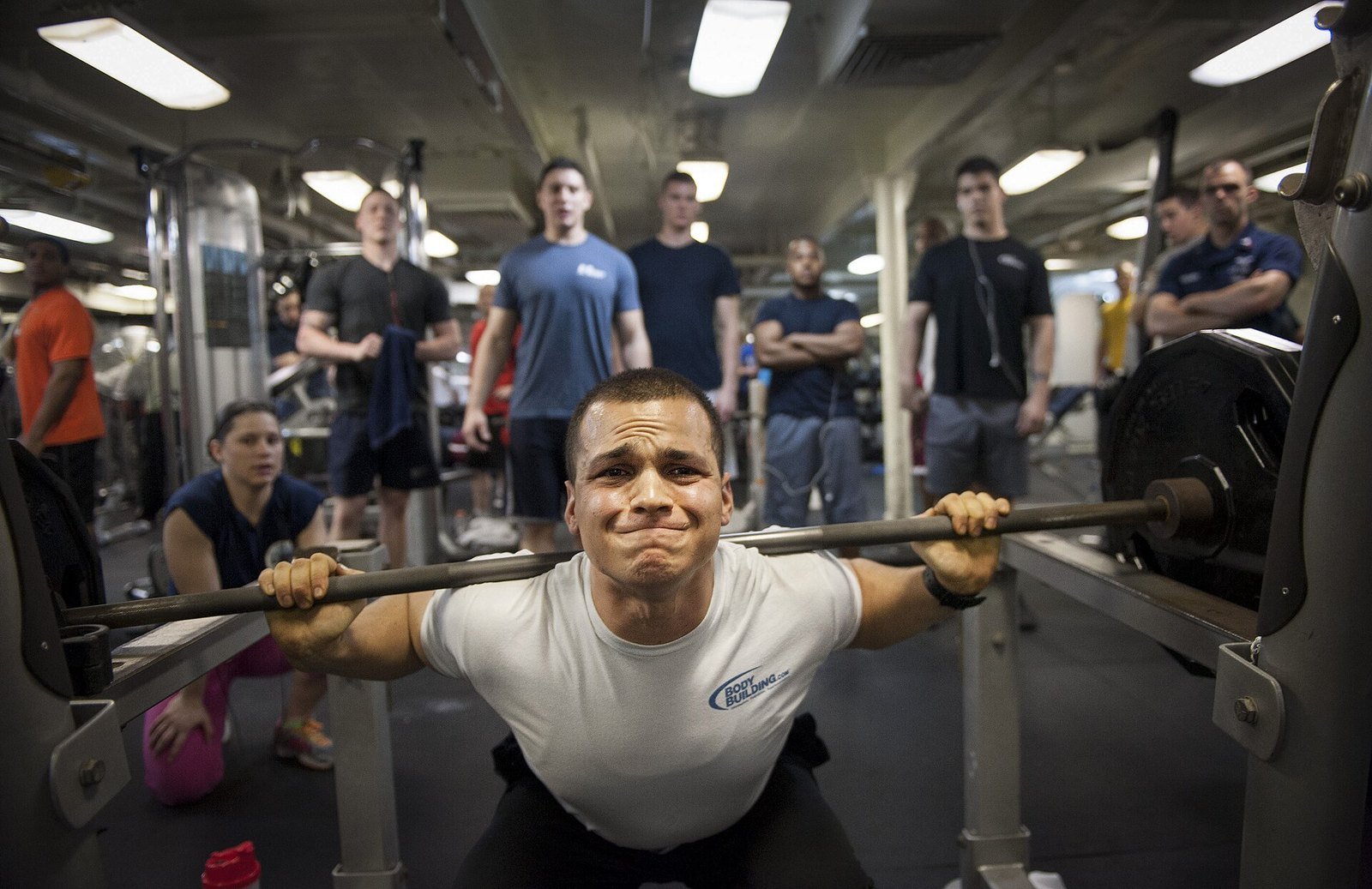
Turning pro does not end the journey. In many ways, it restarts it against much tougher opposition.
Pros enter pro shows through the show promoter, and winning a pro show generally qualifies you for the Mr. Olympia in your division.
The Arnold Classic works differently. It is invitation-only: athletes apply, and the organisers choose the lineup.
Recent Arnold Classic history shows how high that bar sits. In Columbus, Ohio, Derek Lunsford won the Men’s Open in 2025, and Andrew Jacked won it in 2026.
The UK edition is a separate contest in Birmingham, not a repeat of the Ohio show. Hadi Choopan won it in 2024, there was no UK edition in 2025, and Andrew Jacked won it in 2026.
At the Olympia itself, Derek Lunsford regained the Men’s Open title in 2025. The road from a first local show to that stage is measured in years, not months.
Two recent pro journeys show the range of paths: Andrew Jacked’s biography follows an Arnold Classic champion, while Mike Sommerfeld’s biography follows a Classic Physique star who won Arnold titles on both sides of the Atlantic.
6. The honest reality: time, cost, and health ⚠️
Most of a bodybuilder’s life is unglamorous. It is early sessions, planned meals, travel to shows, entry fees, and posing practice when nobody is watching.
Costs add up across a season, and only a small number of pros earn a living from prize money alone. Do not plan your finances around a payout that may never come.
Extreme dieting and extreme training carry real risks. This article is general information only, not medical advice.
Talk to a qualified clinician before making major changes to your diet or training, especially if you have any health condition.
If the sport stops being enjoyable, or starts harming your health, stepping back is a sensible choice — not a defeat.
7. Questions people ask ❓
How long does it take to turn pro?
There is no set timeline. For most, it takes several years of steady competing, and many never get there despite years of effort.
Do I need to win every show?
No. You need the right placings at the right level of show, and those placings build on each other over seasons.
Is the Arnold Classic the same as the Olympia?
No. They are separate contests. The Arnold Classic is invitation-only, while the Olympia is the season-ending championship that pro-show winners qualify for.
Can I build a good physique without competing?
Absolutely. Most people who train hard never compete, and that is a perfectly good outcome in its own right.
Our abs workout guide is a useful starting point for general core training, whatever your competitive goals.
What is the single best first step?
Train consistently, learn the rules of your local federation, and enter a regional show when you are ready to learn on stage.