

Yoga has been practised for thousands of years, but the question most beginners ask is a practical one: what will it actually do for me? 🧘
The honest 2026 answer is encouraging, but smaller than the old hype. Yoga can help many people move more easily, feel steadier on their feet, and feel calmer day to day.
It is not a cure, and it will not transform your body overnight. What it offers is a gentle, repeatable practice that fits into real life.
This guide looks at what the evidence supports, where it is mixed, and how to start safely — even if you have never set foot in a class.
1. 🧎 Flexibility and strength you can actually feel
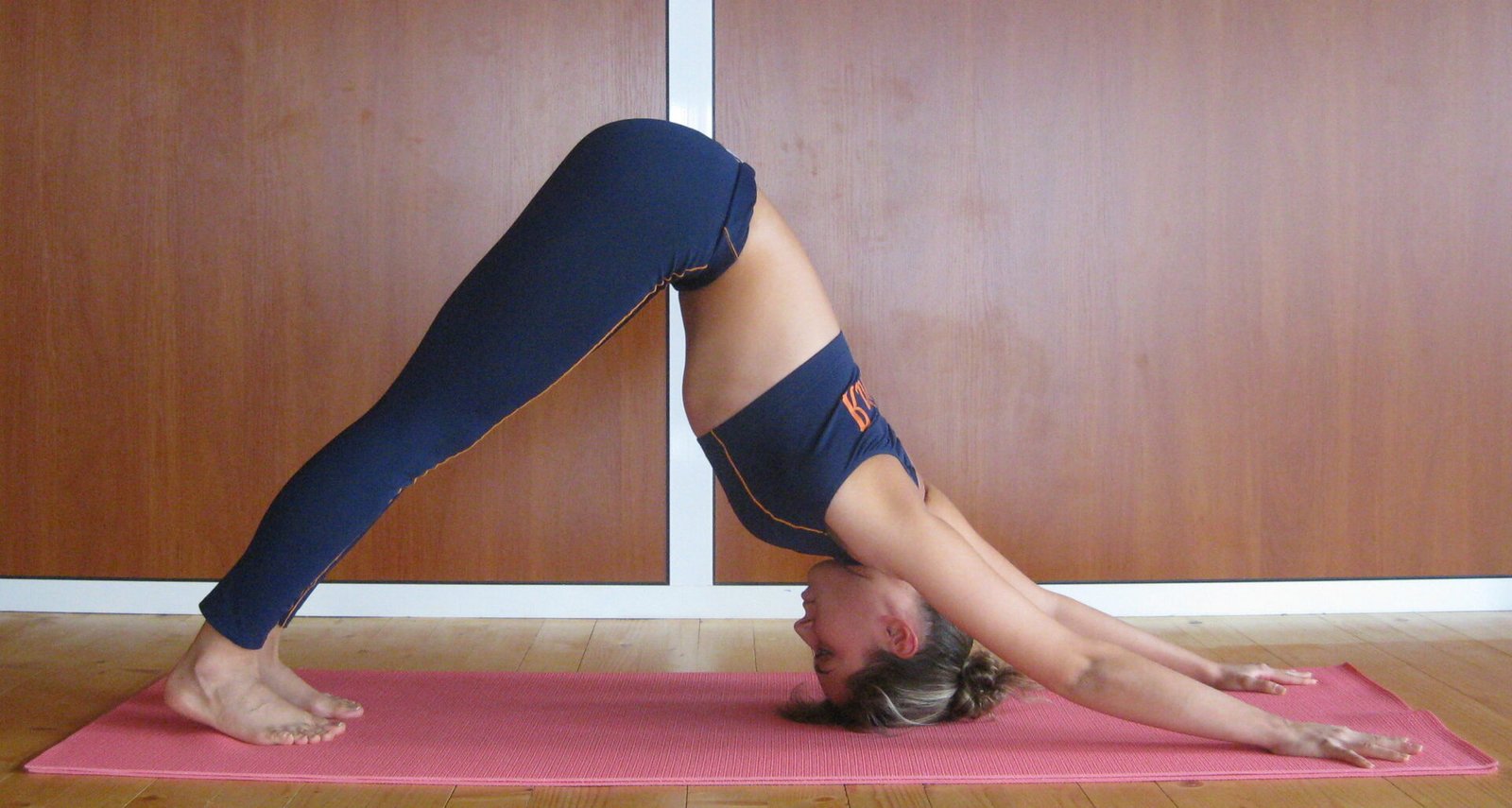
Photo: Iveto / Wikimedia Commons
Regular stretching through yoga poses tends to improve flexibility and range of motion over weeks of steady practice.
That matters beyond touching your toes. Looser hips, shoulders and hamstrings can make everyday movement — bending, reaching, getting up from the floor — feel easier.
Yoga also builds strength, quietly. Holding poses works your legs, core, arms and back without weights or jumping.
It will not replace heavy strength training if your goal is maximum muscle. But for general strength and mobility, it is a solid, low-impact option.
For a deeper look at flexibility work, see our guide to yoga for flexibility and balance.
2. ⚖️ Balance that carries into daily life
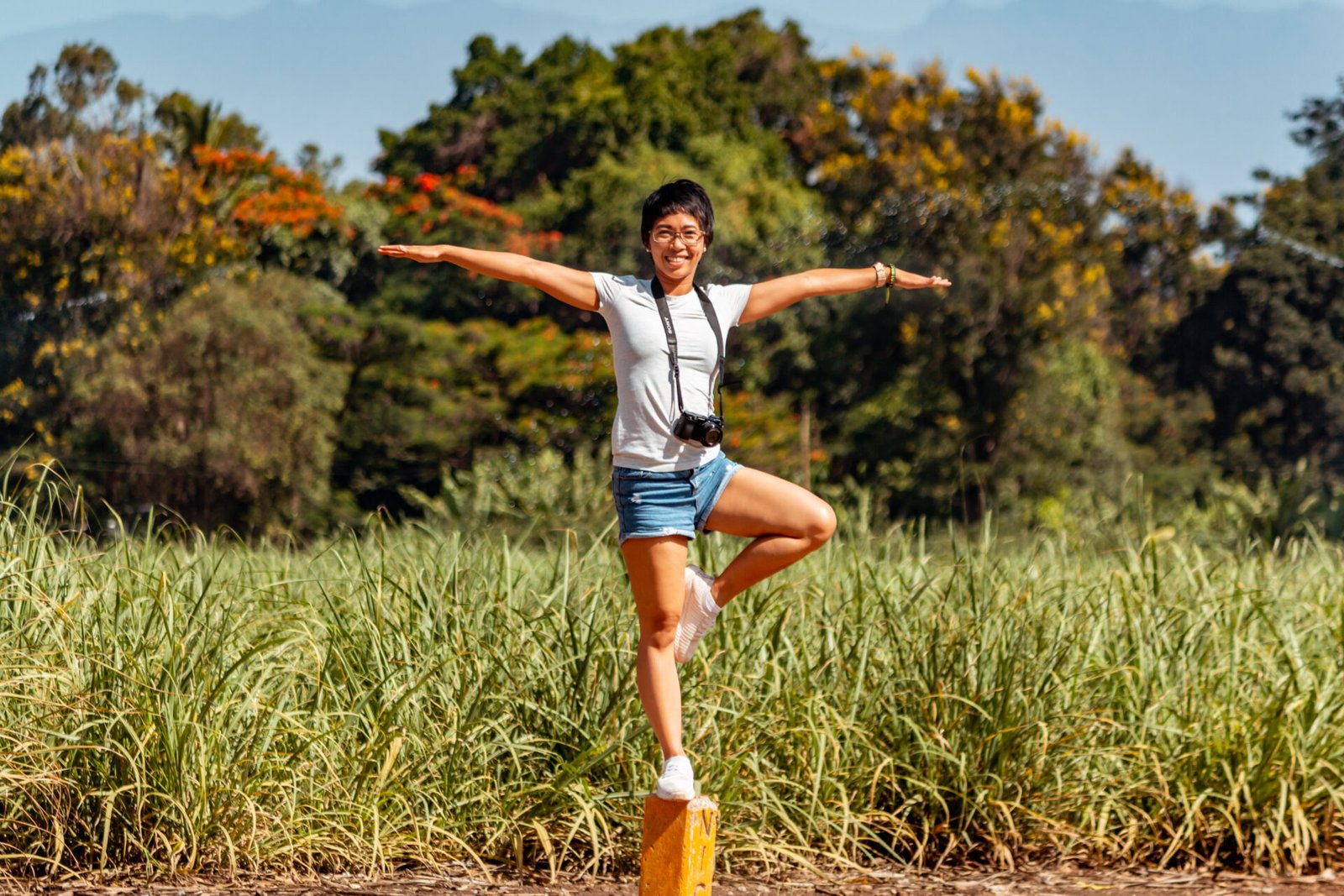
Photo: Ronyyz / Wikimedia Commons
Balance poses train your body to stay steady on one foot, and that skill shows up far from the mat.
Reviews of trials in healthy adults have found that yoga improves balance, including static balance, compared with doing nothing.
That does not mean yoga on its own prevents falls. Reviews of fall outcomes are mixed, and one 2025 review focused on older women found no definitive fall-prevention effect.
So say it plainly: yoga may help your balance, and better balance is one part of staying steady — but it is not a guaranteed fall-prevention plan.
Older adults, or anyone who feels unsteady, should start with support nearby, such as a wall or sturdy chair, and a qualified teacher.
3. 😌 A calmer mind — and possibly better sleep
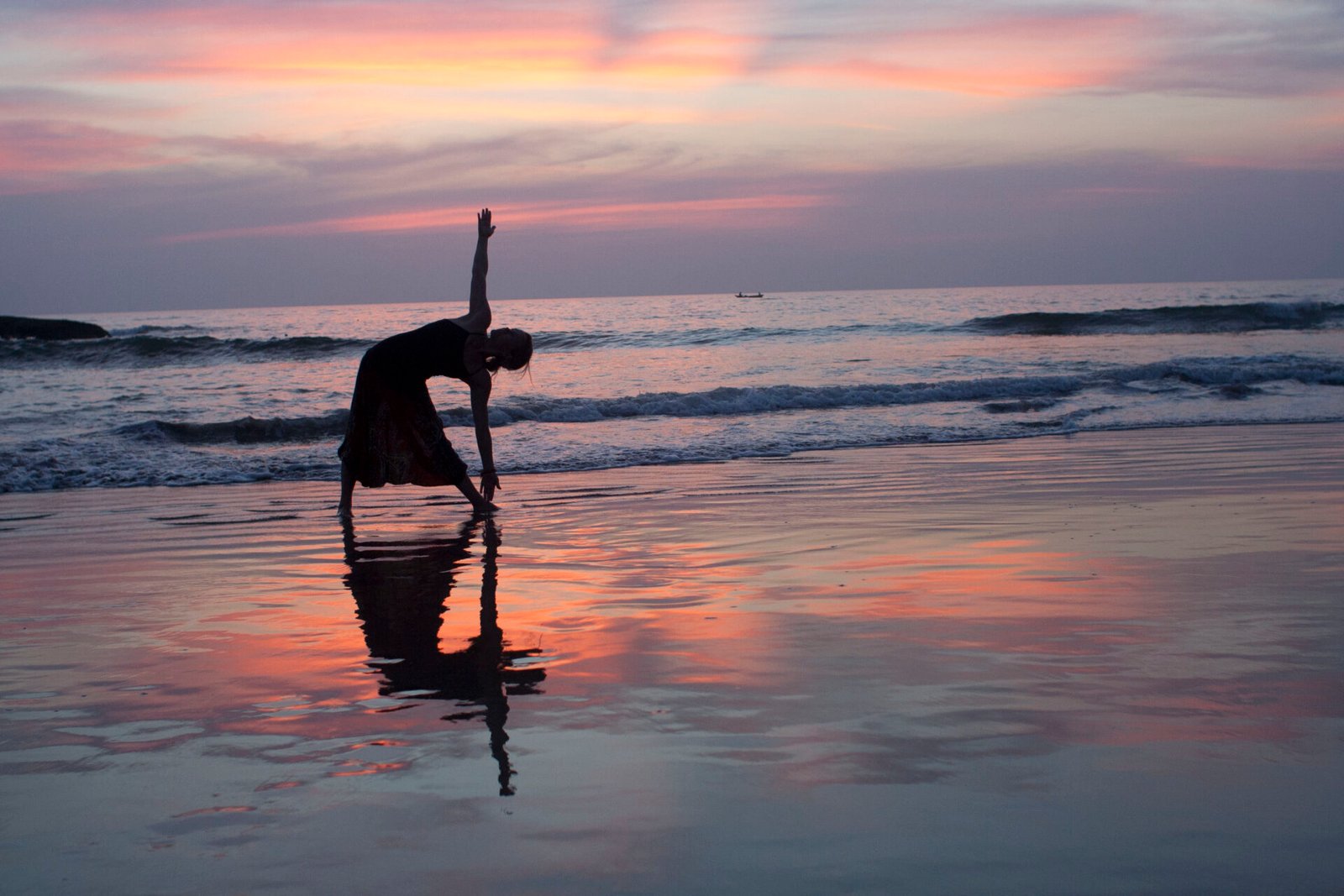
Photo: Dennis Yang / Wikimedia Commons
This is where many people notice a change first. Slow breathing, held poses and a few quiet minutes at the end can leave you feeling calmer than when you started.
Research points the same way, with a caveat. Studies link yoga with improvements in stress and in aspects of mental well-being, though results are not consistent in every study.
Sleep shows a similar pattern. Trials and reviews report better sleep quality in several groups, including women with sleep problems, but yoga is not a treatment for insomnia.
If poor sleep or low mood is persistent, or getting worse, speak to a clinician rather than relying on yoga alone.
A short evening session — gentle poses, slow breathing, no screens — is a sensible wind-down habit for many people, and it costs nothing.
4. 👵 Yoga as you get older
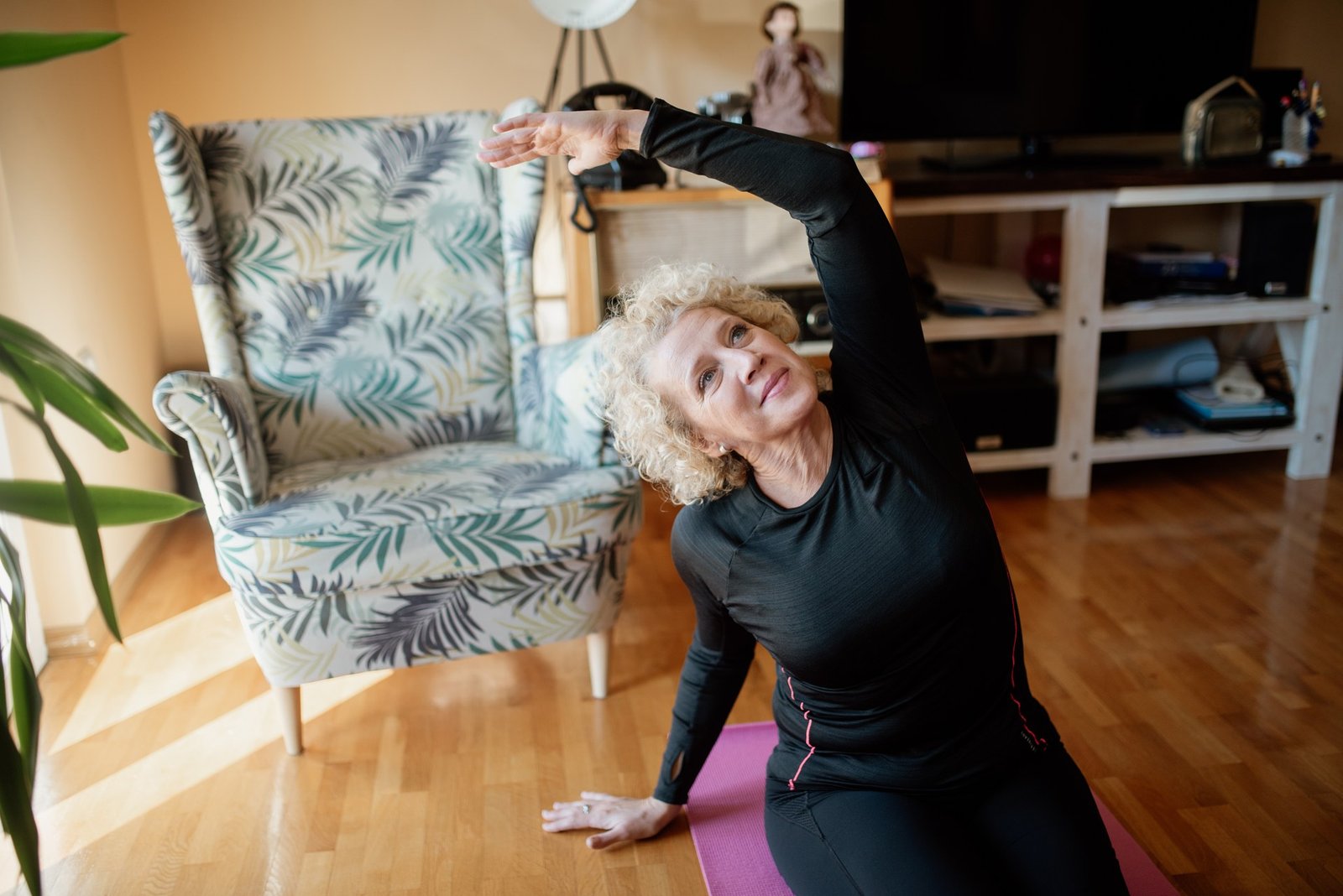
Photo: Shixart1985 / Wikimedia Commons
Yoga adapts well to older bodies, because most poses can be softened. A chair, a block or a wall can turn a hard pose into a doable one.
The old article suggested yoga might mean fewer hospital visits from falls. That claim is dropped in this refresh: the evidence supports better balance, but it does not prove fewer falls or hospital visits.
What older adults can reasonably expect is steadier movement, more flexibility, and a practice that respects stiff joints rather than forcing them.
The World Health Organization recommends adults get 150 to 300 minutes of moderate activity a week, plus muscle-strengthening on two or more days.
Gentle yoga alone may not cover all of that, especially the aerobic part. Pairing it with walking is a simple way to cover both.
5. 🌱 Starting safely in 2026
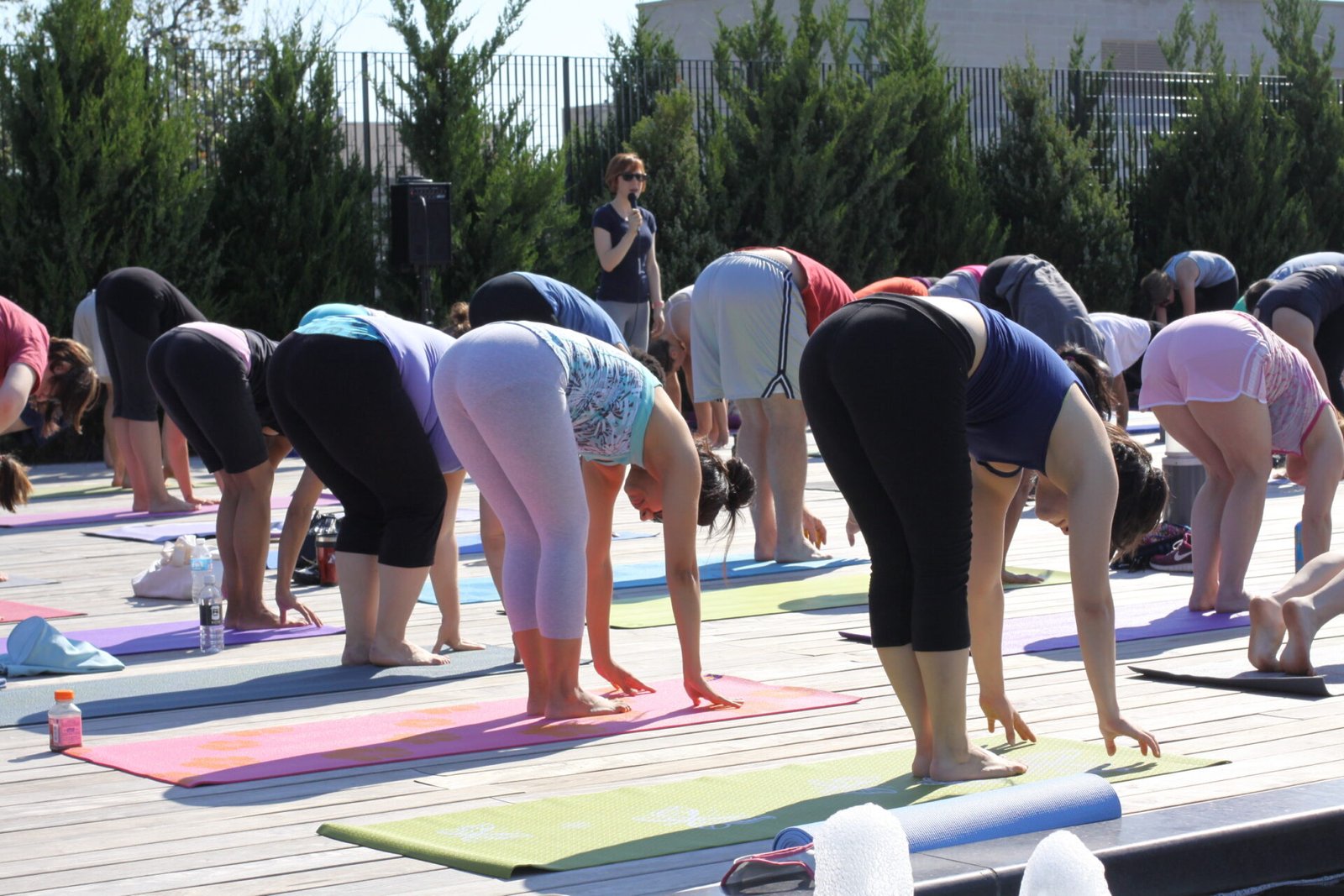
Photo: Eli Christman / Wikimedia Commons
You do not need special clothes, and you certainly do not need to look a certain way. Comfortable clothes you can move in are enough.
Start slowly, learn the basics, and choose a class that matches your level. A qualified teacher is worth it at the beginning, even if you later practise at home.
Twenty minutes a day is a realistic starting point for many people. It is not a magic number — consistency matters more than any single session length.
Skip advanced poses as a beginner, especially headstands, deep lotus positions and forceful breathing. The most common yoga injuries are sprains and strains, and serious injuries are rare when practice is sensible.
Talk to a clinician first if you have glaucoma, a heart condition, unstable blood pressure, a recent injury, or you are pregnant. People with glaucoma, for example, are generally advised to avoid inversions such as headstand.
If you are new to poses, our yoga poses guide is a gentle place to start, and our yoga shoes guide covers grip and comfort if you practise on smooth floors.
What about back pain?
Yoga may help relieve chronic low-back pain and neck pain, according to the US National Center for Complementary and Integrative Health.
A 2026 systematic review and meta-analysis of seven trials compared yoga with other exercise for chronic low-back pain. It found no clear advantage for pain itself, but better physical function and emotional well-being with yoga.
The authors themselves called that a preliminary observation, not a definitive conclusion, because the evidence base was small and varied.
The fair reading: yoga is a reasonable option for chronic low-back pain for many people, roughly comparable to other exercise for pain, with a possible extra benefit for mood and function.
It is not a treatment for a specific spine condition. New, severe or worsening back pain, numbness, or leg symptoms need a clinician, not a new routine.
Can yoga burn belly fat?
Here the old hype needs correcting. Yoga can support weight control as part of an active lifestyle, but no exercise reliably burns fat from one chosen spot.
In a 2011 study, six weeks of abdominal exercise improved abdominal endurance but did not reduce abdominal fat compared with a control group.
A 2013 study that trained only one leg for twelve weeks found fat loss across the body, not preferentially in the trained leg.
One small 2023 trial in 16 men with overweight did find about 697 grams more trunk-fat loss in the abdominal-exercise group than in a running-only group, with similar total fat loss in both groups.
That single, small, men-only result is interesting, but it is far too thin to build a fat-loss plan on. Do not buy a programme that promises a flat stomach from core poses alone.
For the wider picture, see our guide on core and cardio moves for a stronger midsection, and remember that overall fat loss comes from a sustained calorie deficit, with protein and resistance training helping to preserve muscle — see our best sources of protein.
Frequently asked questions
Is yoga for everyone?
Almost anyone can try a gentle form, with poses adapted to their body. The stereotype that yoga is only for young, fit women is wrong, and it puts many people off for no reason.
Men, older adults, larger bodies and complete beginners all practise yoga. A good teacher adapts the class; a good class never asks you to force a pose.
How often should I practise?
A few short sessions a week beat one heroic session followed by a month off. Start with two or three sessions a week, then build up if you enjoy it.
Short daily practice works for some people too. The best schedule is the one you will actually keep.
Is yoga enough exercise on its own?
It depends on the style. Vigorous styles raise your heart rate more; gentle and restorative styles raise it less.
For general health, many people do well combining yoga with walking, cycling or other aerobic activity, plus some resistance work.
Do I need to be flexible to start?
No — that is like saying you need to be clean before you take a shower. Flexibility is something yoga builds, not something you need before you begin.
Start where you are, bend your knees when you need to, and use props without embarrassment.
The bottom line
Yoga’s real benefits are modest, practical and worth having: more flexibility, some strength, steadier balance, and a calmer mind for many people.
It may help with chronic low-back pain and with sleep, and it can be adapted for almost any age or body — but it treats no disease and guarantees no result.
Start gently, practise regularly, and let a clinician guide you if you have a health condition. That is the honest version of the old promise — and it is still a good one. 🌿
This article is general health information only and is not medical advice. If you have a health condition, are pregnant, or are recovering from an injury, talk to a clinician before starting a new exercise routine.