

Exercise is a great way to get fitter, but it is not the only lever you have. 🍽️
How you eat, drink, sleep and handle stress can quietly change how much you eat each day. That is what this guide is about.
One honest note first: “without exercise” here means the focus is on eating, sleep and habit strategies. It is not a claim that exercise is useless. Moving more still helps your health, mood and long-term weight control, and adding a daily walk later is a fine next step if you want one.
Weight gain often builds slowly, through small daily surpluses rather than one big mistake. That is also why small, steady changes tend to work better than a dramatic overhaul you abandon in two weeks. If you want background on why weight creeps up, see obesity and its causes.
1. Eat slowly and chew properly 🐢
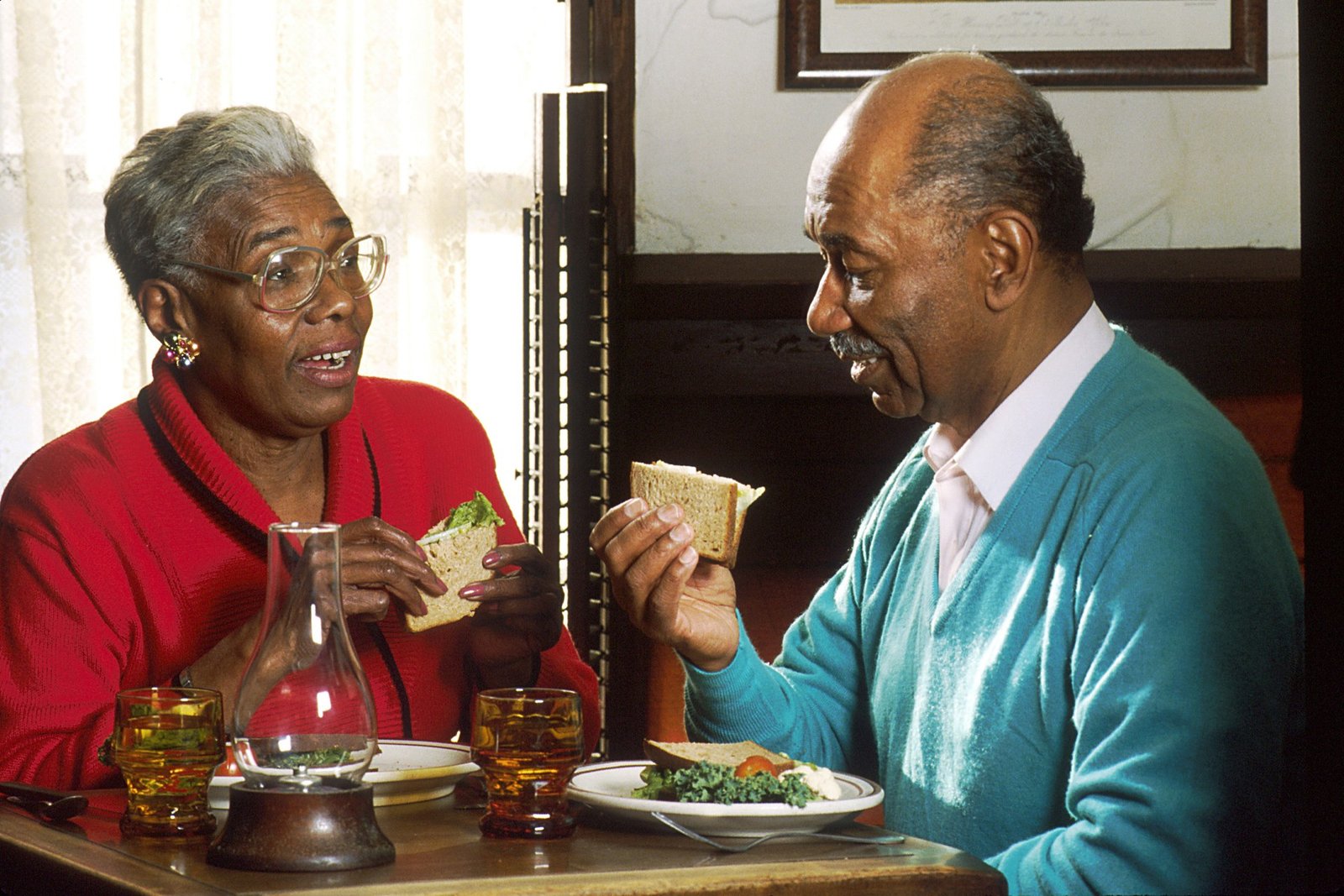
It takes time for your brain to register fullness, so fast eaters often finish a second helping before the first one has even registered.
Try putting your fork down between bites, chewing each mouthful well, and giving yourself at least 20 minutes for a main meal. It sounds small, but slower meals often end with less food eaten and more satisfaction.
2. Use a smaller plate for richer foods 🍽️

A modest serving can look lost on a huge plate, which makes it tempting to add more. The same serving on a smaller plate looks like a proper meal.
Use this trick in your favour: fill half the plate with vegetables or salad, a quarter with protein, and a quarter with a starchy food. You are not banning anything — you are just making the portion you actually want easier to see.
3. Put protein on the plate at most meals 🥚
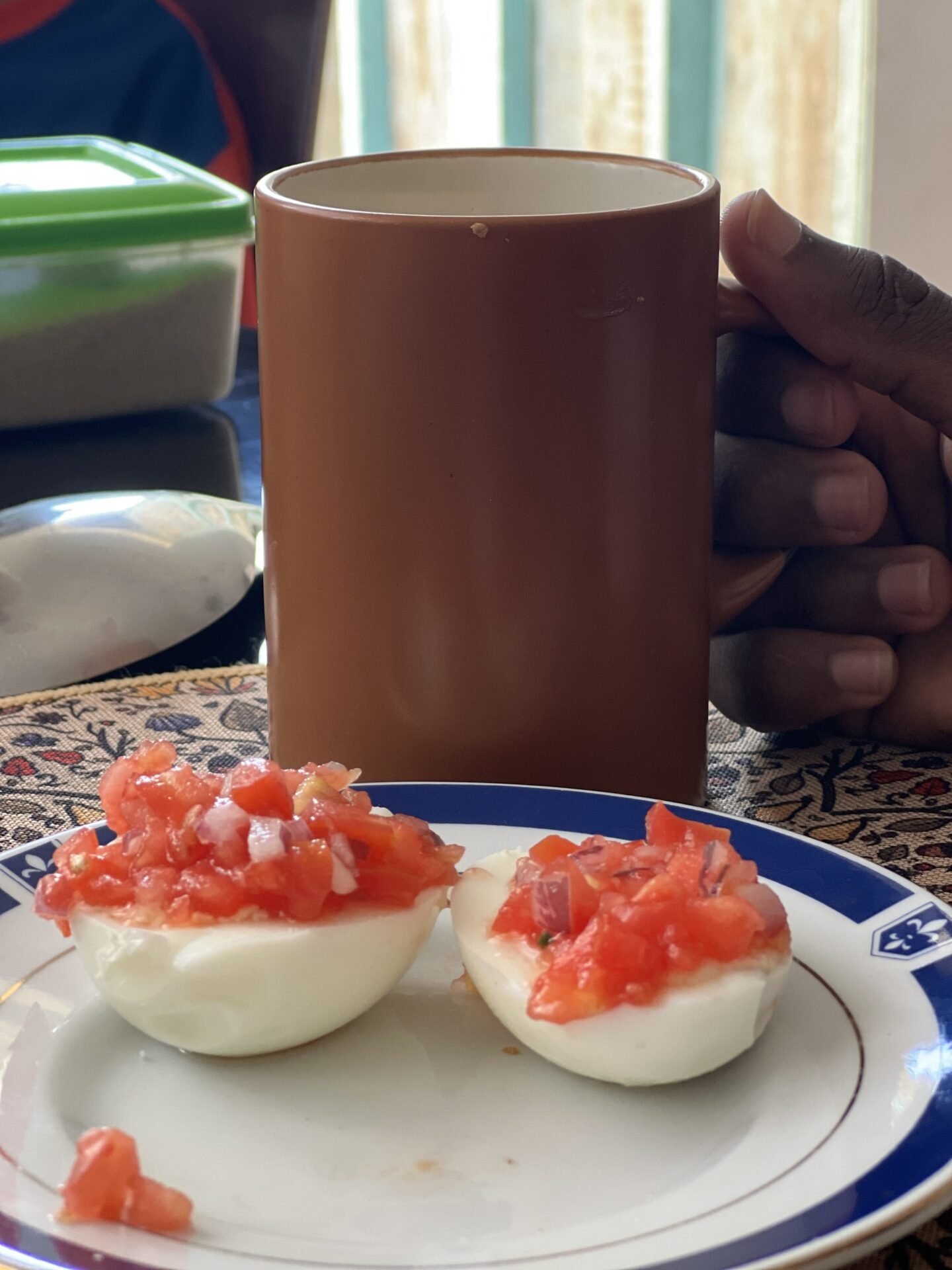
Protein tends to keep you full for longer than a meal built mostly on refined starch. That fullness is useful, because hunger is what usually breaks a plan.
Eggs, beans, lentils, fish, chicken, yoghurt and tofu are all everyday options. A protein-rich breakfast, for example eggs instead of a purely grain-based one, often means fewer snacks before lunch.
4. Fill up on fibre-rich foods 🌾
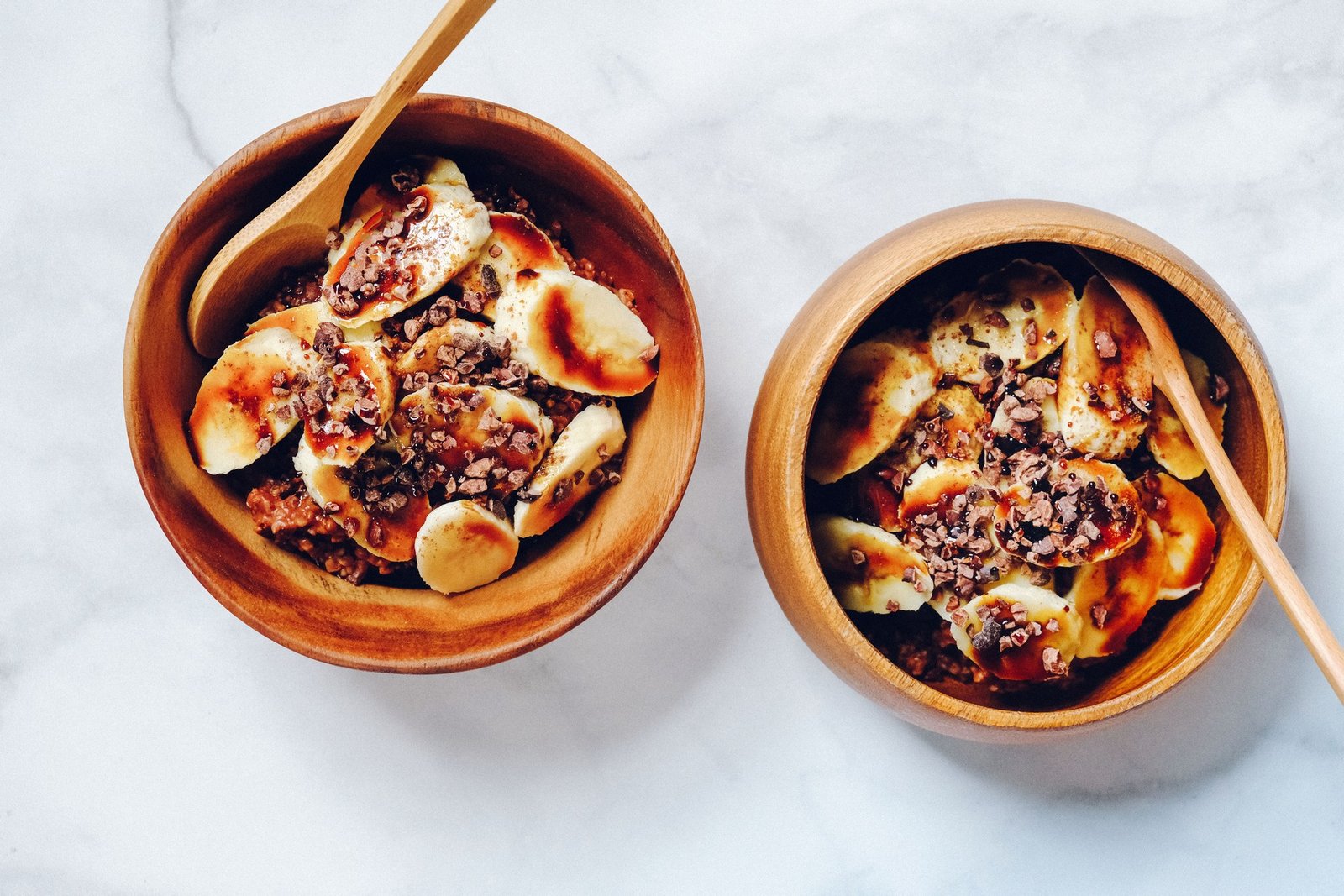
Fibre adds bulk without adding many calories, and it slows digestion so fullness lasts longer. Oats, beans, lentils, vegetables, fruit with the skin on, and wholegrains are all good sources.
One practical swap is to start the day with oats or add beans to a soup or salad. Add fibre gradually and drink enough water, so your digestion stays comfortable as the amount rises.
5. Drink water, and cut back on sugary drinks 💧

A glass of water before a meal may help some people eat a little less, simply because they arrive at the table less thirsty and more aware of what they are eating.
The bigger win is what water replaces. Sugary drinks, including soda and sweetened juices, can add a large number of calories without making you feel full. Swapping even one sugary drink a day for water saves calories every single day, and that adds up over months.
6. Eat without screens 📵
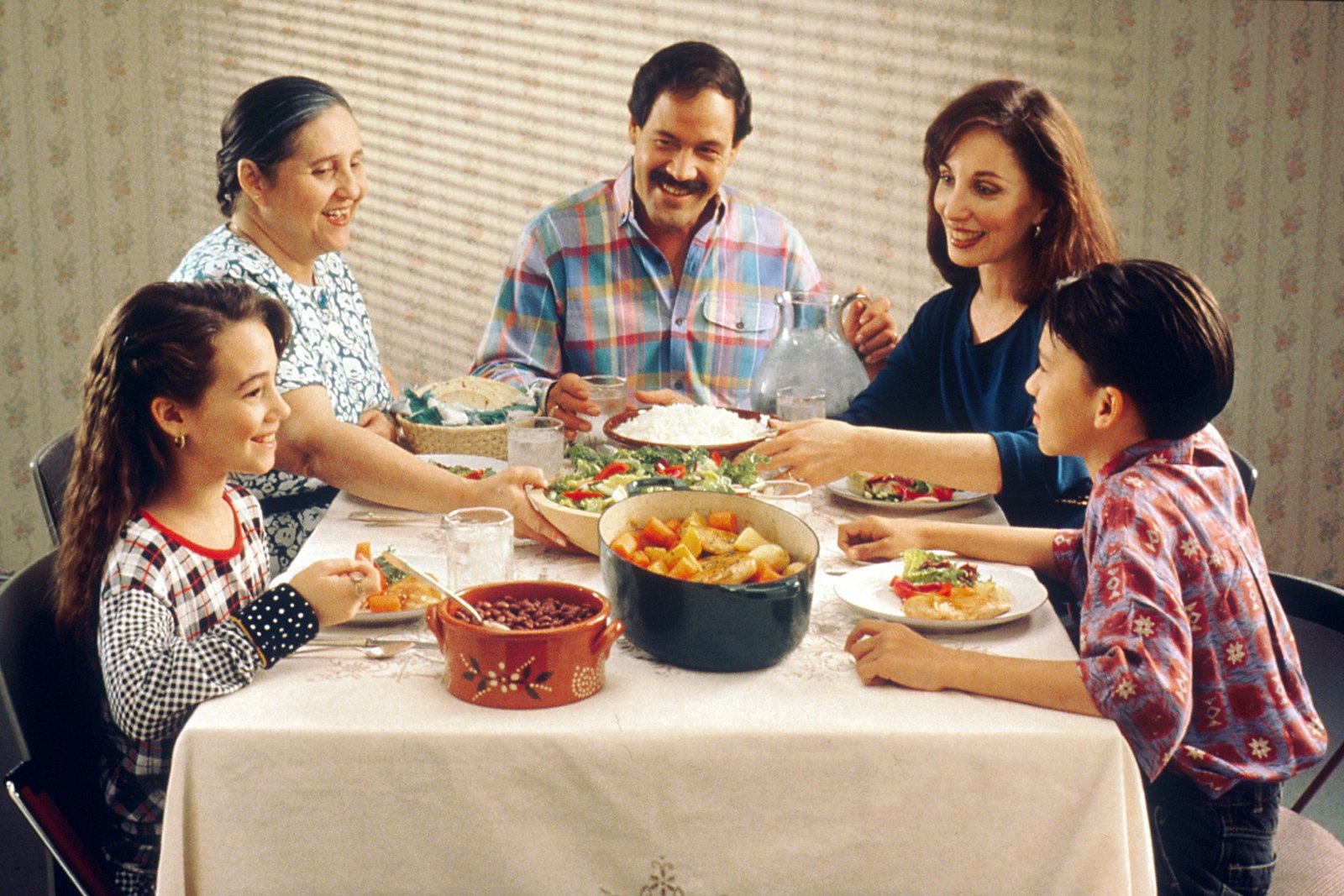
Meals eaten in front of a film, a game or a phone feed are easy to overeat. When your attention is elsewhere, you barely notice how much has gone.
Try one screen-free meal a day to start. Sit at a table, taste the food, and notice when you feel comfortably full rather than stuffed. Many people find this single habit changes their portions more than any new rule does.
7. Protect your sleep 😴

Most healthy adults need around 7 to 9 hours of sleep a night, though the exact amount varies from person to person. Short, broken sleep is linked with stronger hunger and more cravings the next day, especially for sweet and salty snacks.
A regular bedtime, a dark room, and no heavy meals or bright screens right before bed all help. If poor sleep is a regular problem, talk to a clinician rather than trying to push through it.
8. Have a non-food plan for stress 🌿

Stress does not just feel bad — it often ends in the kitchen. When the day has been hard, food becomes the quickest comfort available.
Decide your alternative in advance: a short walk outside, a phone call to a friend, a shower, or ten quiet minutes away from screens. You are not trying to remove stress from life. You are just giving yourself one other option before reaching for food.
What pace should you expect? ⚖️
Forget any promise of fast, dramatic loss. Health guidance from both the NHS and the CDC points to roughly the same steady pace: about 0.5 to 1 kg (1 to 2 lb) per week for most adults.
That pace is not slow in the way it sounds. At that rate, a few months of steady habits can add up to a real change, and steady loss is more likely to stay off than a crash diet. If you want a broader look at faster approaches, read how to lose weight fast — and judge any fast method against that steady benchmark.
The scale will not move every week, and that is normal. Water, meals, sleep and stress all shift daily weight, so judge progress over several weeks, not a single morning.
Frequently asked questions ❓
Can I lose weight without exercising at all?
Yes, weight change comes mainly from the balance between what you eat and drink and what your body uses. Eating, drinking, sleep and stress habits can shift that balance on their own.
That said, activity still matters for fitness, strength, mood and keeping weight off, so think of this guide as a starting point, not a reason to avoid movement for good.
Is rapid weight loss a good idea?
Usually not. Very fast loss is often mostly water at first, not body fat, and it can leave you tired, hungry and more likely to regain the weight.
If you are considering a very low-calorie plan, or you have diabetes, a history of disordered eating, are pregnant, or take regular medication, get direction from a clinician or registered dietitian first. This article is general information only and is not medical advice.
Are there foods that burn belly fat on their own?
No. No single food melts fat from one part of the body. Overall eating patterns, portion sizes and steady habits matter far more than any one “miracle” item.
If belly fat is your main concern, see best ways to lose your belly fat — but read its promises with the same steady-pace benchmark in mind.
The bottom line ✅
You do not need a perfect diet or a gym membership to start. Eat a little slower, serve sensible portions, include protein and fibre, drink water instead of sugary drinks, eat without screens, sleep properly, and plan for stressful days.
Pick two habits from this list and practise them for a month. Small changes you can actually keep will beat a perfect plan you drop by next weekend. 🌟