

Your obliques are the muscles down the sides of your waist, from your ribs toward your hips. 🌀
They do three jobs that matter every day: they turn your torso, they bend you sideways, and they stop you from collapsing sideways when you carry, reach, or change direction.
That is why this guide stays narrow. It is about side-core training only — rotation, side bending, and resisting rotation and side bending.
It is not a general abs guide. For front-core work, see our best abs workout and our plank variations guide.
What oblique training can — and cannot — do
Oblique training can make your side core stronger and steadier. It can help you twist and carry with more control.
It cannot, on its own, slim your waist. Waist size follows overall body composition, not the muscle worked underneath the fat.
That is not a guess. In a six-week study, people doing abdominal exercises improved their abdominal endurance, but showed no significant reduction in abdominal fat compared with a control group (Vispute et al., 2011).
A twelve-week study training only one leg found the same pattern in reverse: fat loss happened, but not preferentially in the trained segment (Ramírez-Campillo et al., 2013).
One small 2023 trial, in men only, reported a small extra trunk-fat change when abdominal endurance work was added to running. That result is hedged here on purpose — small, men-only, and no basis for a “slim your waist” promise.
So judge these moves by strength and control, not by the mirror in week one. 💪
1. Side Plank
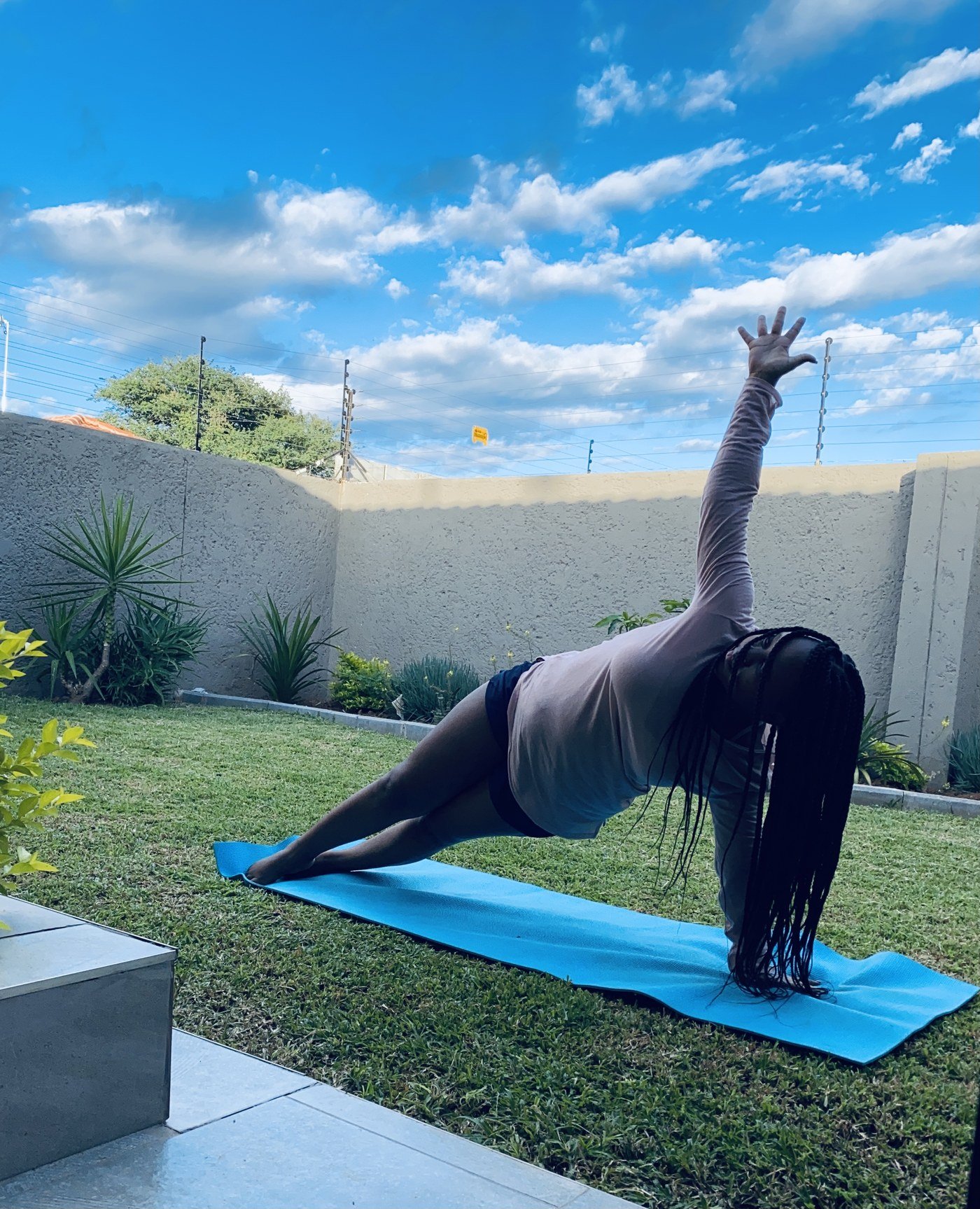
The side plank is the simplest honest test of side-core stability. You hold your body in a straight line on one side, and your obliques work to stop your hips from sinking.
Lie on your side and prop yourself on your forearm, elbow under your shoulder. Stack your feet, or stagger them if that feels steadier.
Lift your hips until your body forms one long line from head to feet. Keep breathing normally, and do not let your top shoulder roll forward.
When the hold gets easy, the honest next step is the side plank dip — folded into this section on purpose, not listed as a separate move.
From the same side plank, lower your hips a short way toward the floor, then lift them back up. Keep the movement small and controlled, and stop if your shoulder or lower back complains.
Switch sides and repeat. If one side feels much weaker, that is useful information — train both sides, and do not chase symmetry by forcing the weak side.
For more plank ideas, see our top plank exercises guide — but note this article keeps the side plank here because it is the core anti-side-bending move for obliques.
2. Twist Sit-Up
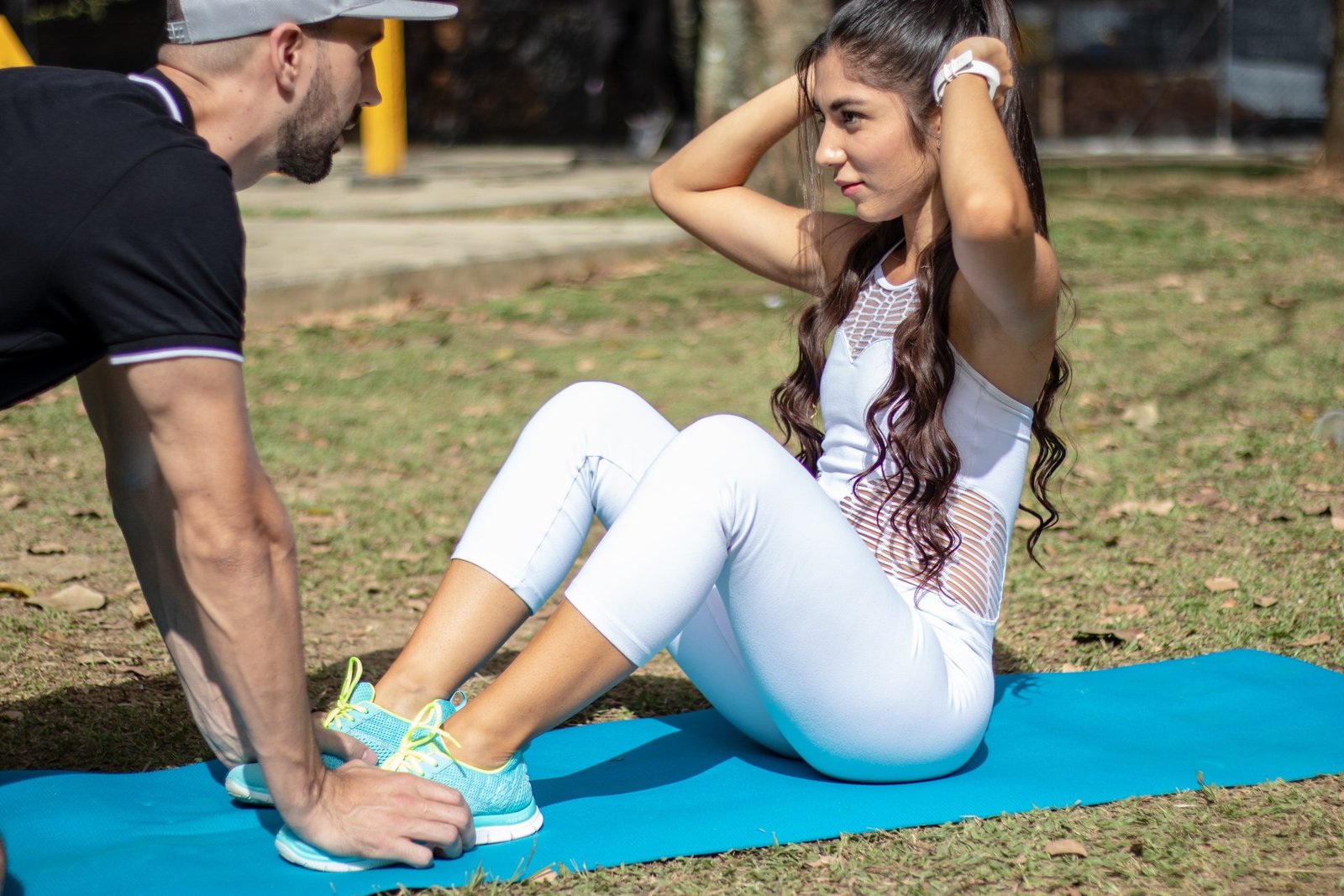
The twist sit-up adds rotation to a familiar sit-up. Your obliques do the turning work; your front abs hold you up through the sit-up itself.
Lie on your back with knees bent and feet flat. Place your hands lightly behind your head, without pulling on your neck.
Sit up slowly, then turn your torso gently toward one side as you reach the top. Think “chest turns, hips stay still” — the twist should come from your torso, not from yanking your arms.
Lower back down with control, then repeat on the other side. Keep the range comfortable; a small, controlled twist done well beats a big, rushed one.
If full sit-ups bother your back or neck, skip this move. A shorter crunch with the same gentle twist is a fair alternative — and asking a coach or physio for a personal check is always reasonable.
A note on back pain and safety ⚠️
This article is general health information only, not medical advice. Stop any move that causes sharp, shooting, or worsening pain.
Mild muscle effort is normal. Pain that changes how you move, numbness, or pain after a recent injury is a reason to get clinician or physio direction before continuing.
Warm up first, move slowly, and never force a twist through a stiff or painful back to “finish the set.”
How to use these two moves
Pick the side plank when you want stability — the ability to hold your trunk steady under load.
Pick the twist sit-up when you want controlled rotation — the ability to turn without losing your posture.
Use both across the week, on both sides, and keep the quality high. When your form slips, the set is done, however many rounds that took.
FAQs
What are the obliques?
They are two layered muscles on each side of your abdomen — the external oblique on the surface and the internal oblique beneath it. Together they rotate your torso, bend it sideways, and help steady your trunk.
Will oblique exercises give me a smaller waist?
Not on their own. They strengthen the muscles at your waist, but where your body loses fat depends on overall body composition, not on which muscle you trained.
Is the side plank enough for obliques?
It is an excellent start for stability, but it does not train rotation on its own. That is why this guide pairs it with a twist move, and why rotation moves remain on the photo-wanted list in the prep notes.
Should I train obliques every day?
They recover like other muscles. Train them as part of a balanced routine, keep the effort controlled, and give sore muscles a day to recover.
What if twisting hurts my back?
Stop, and do not push through it. Get clinician or physio advice, and use only pain-free ranges until you have that guidance.