

💪 If you are looking for exercises for a belly pooch, you deserve an honest starting point: no single move can melt fat from one spot alone.
What these seven moves can do is real and useful — build a stronger, more stable midsection, improve posture, and support overall fat loss when paired with everyday activity and balanced eating.
This guide sticks to moves with a verified picture of that exact exercise, so you can see what you are supposed to do. That is why it is seven moves, not twenty. ✨
Why spot reduction does not work 🎯
Fat loss is mostly whole-body. When you lose fat, your body decides where it comes from, and that pattern varies with genetics and muscle size.
A six-week abdominal programme in 2011 found no meaningful change in belly fat despite stronger abs, and a 2013 study training one leg found fat came off all over, not just from the trained leg.
One small 2023 trial in men did report a small extra trunk-fat loss from abdominal endurance work — but it was only a small group of men, and total fat loss was similar in both groups. Treat that as an interesting hint, not a rule. 🔍
So these exercises build the muscle underneath; the overall pattern of activity and eating does most of the revealing.
A note on diastasis recti: after pregnancy, the abdominal muscles can separate along the midline. This guide does not prescribe exercises for that condition — if you think it applies to you, talk to a clinician or physiotherapist first, who can assess you properly. 🩺
Back pain, pregnancy, recent birth, or any health condition — same advice: clinician or physio first, then train.
1. Plank
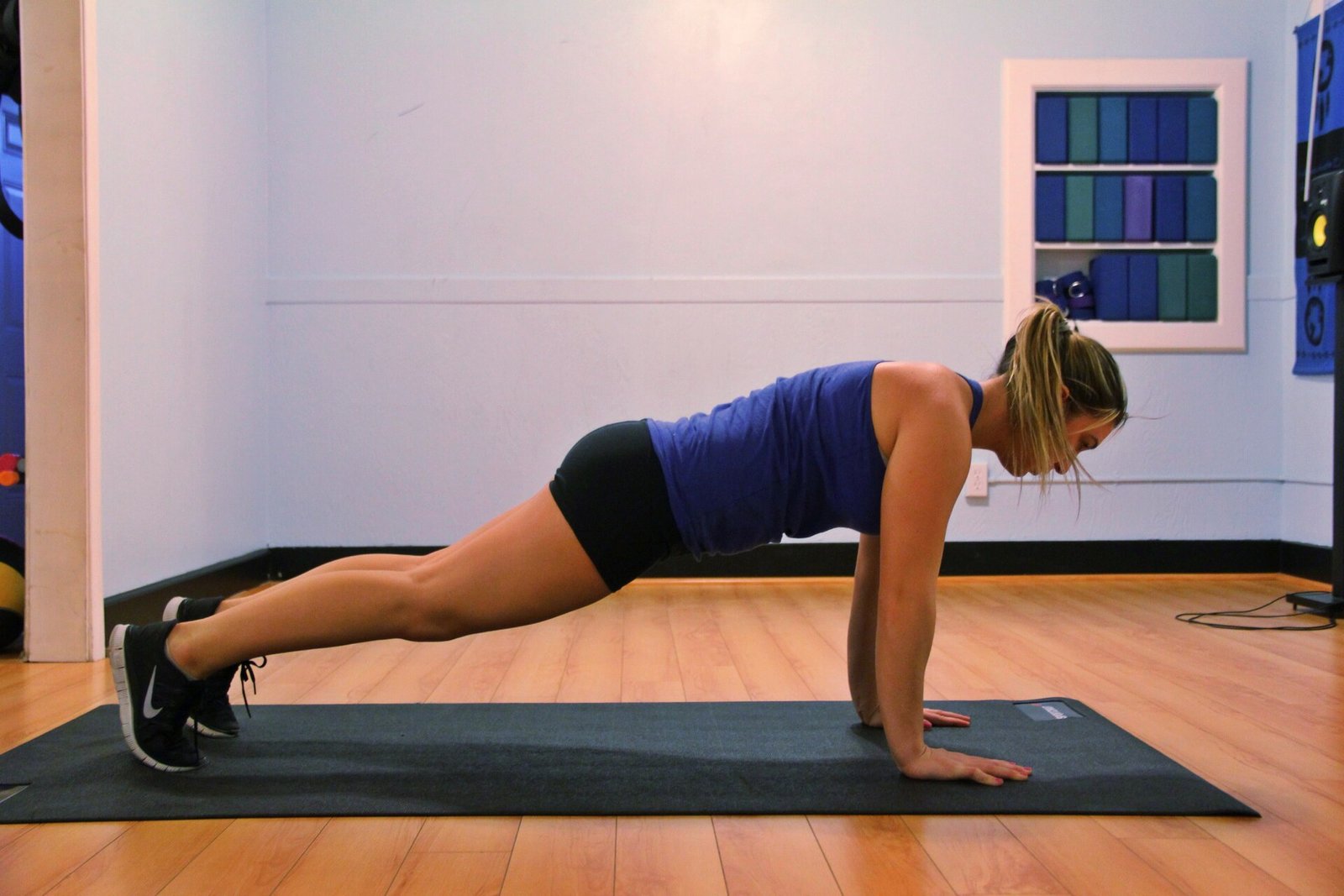
Rest on your forearms and toes, elbows under your shoulders, body in one long line from head to heels. Squeeze your glutes gently and keep your hips from sagging or piking up.
Start with short holds you can do with good form, and add time slowly over weeks. If your lower back aches, drop to your knees and rebuild from there. 👍
2. Side plank
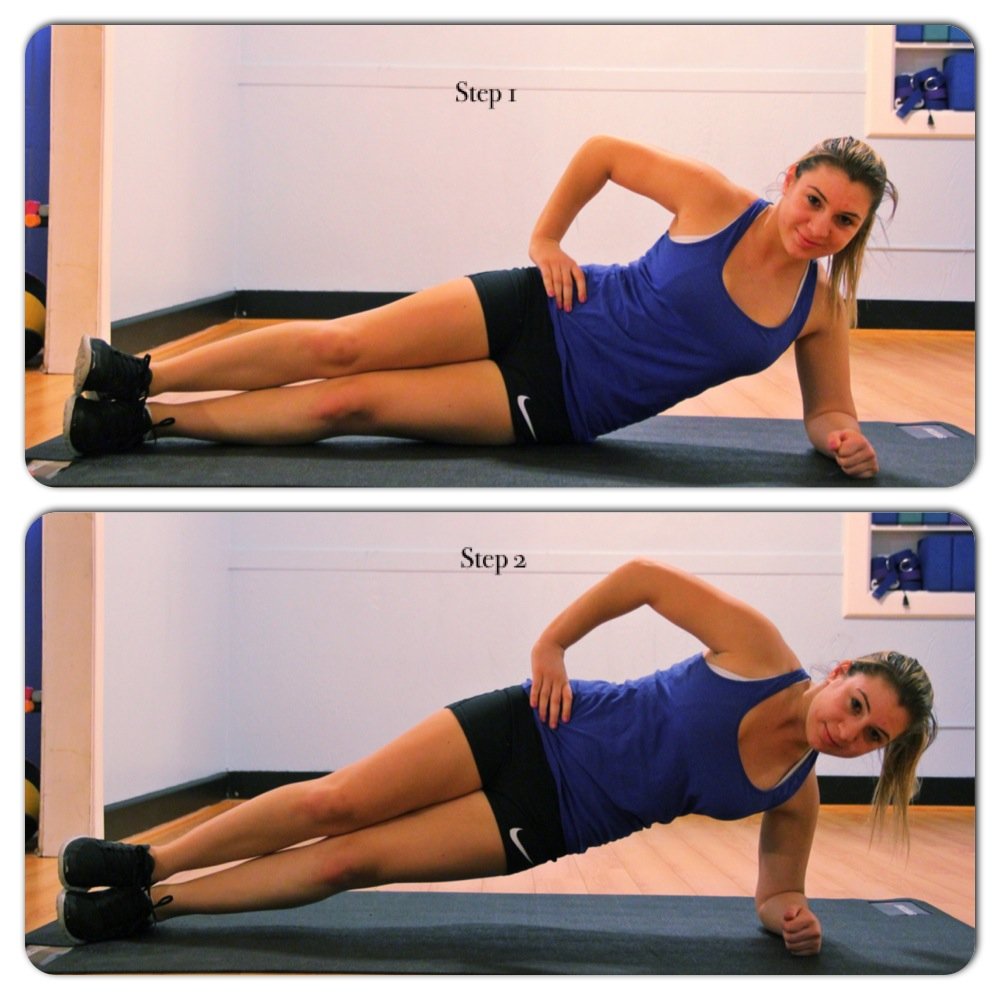
Lie on your side, elbow under your shoulder, and lift your hips so your body forms a straight line. Hold, breathe normally, then switch sides.
Beginners can bend the lower knee for support. Stop if your shoulder pinches, and try the easier version instead. ⚖️
3. Crunch
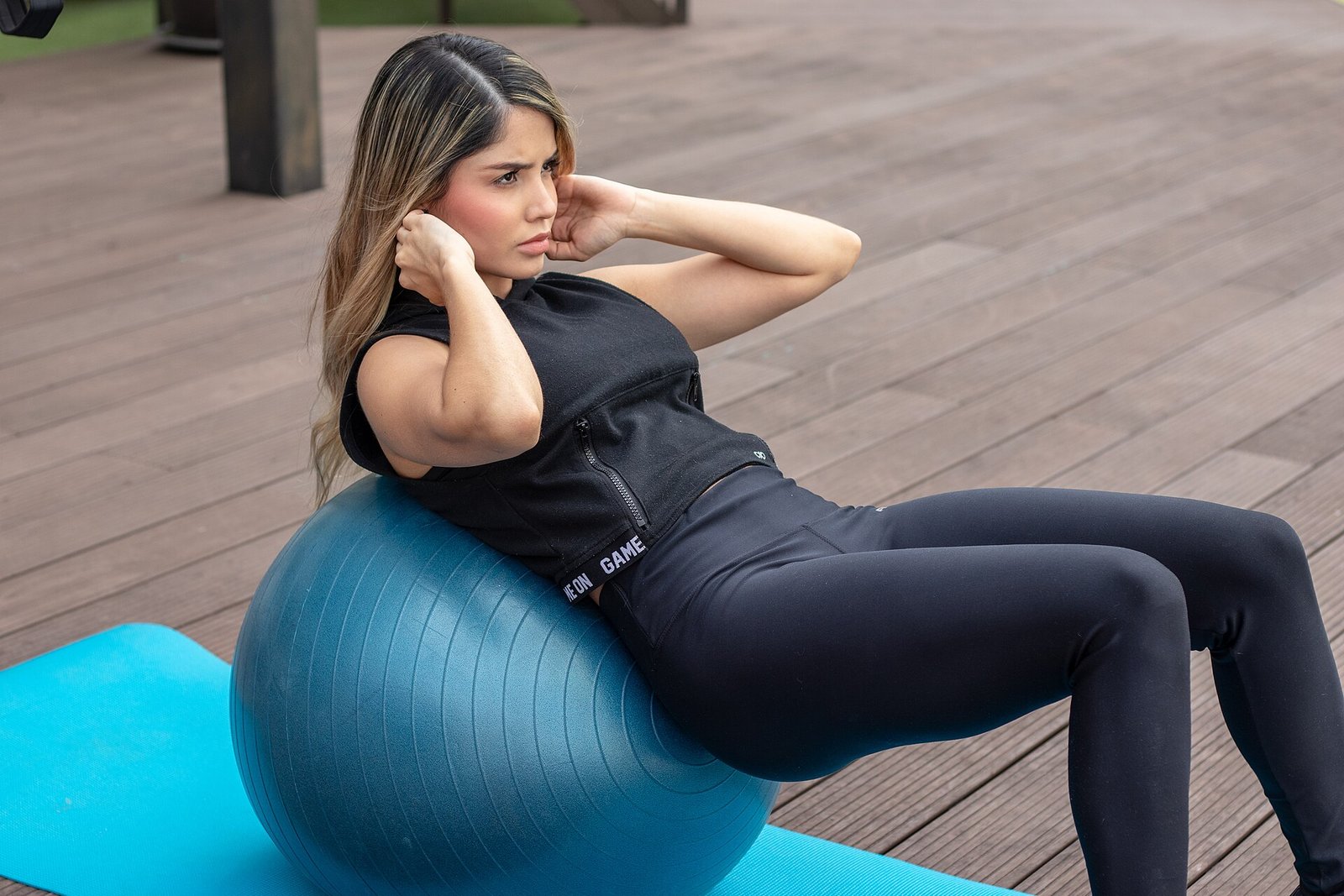
Lie on your back, knees bent, hands lightly supporting your head — not pulling your neck. Lift your shoulder blades off the floor, pause, then lower slowly.
Think “ribs toward hips” rather than sitting all the way up. Small, controlled lifts work the abs better than fast, jerky ones. 🎯
4. Lying leg raise
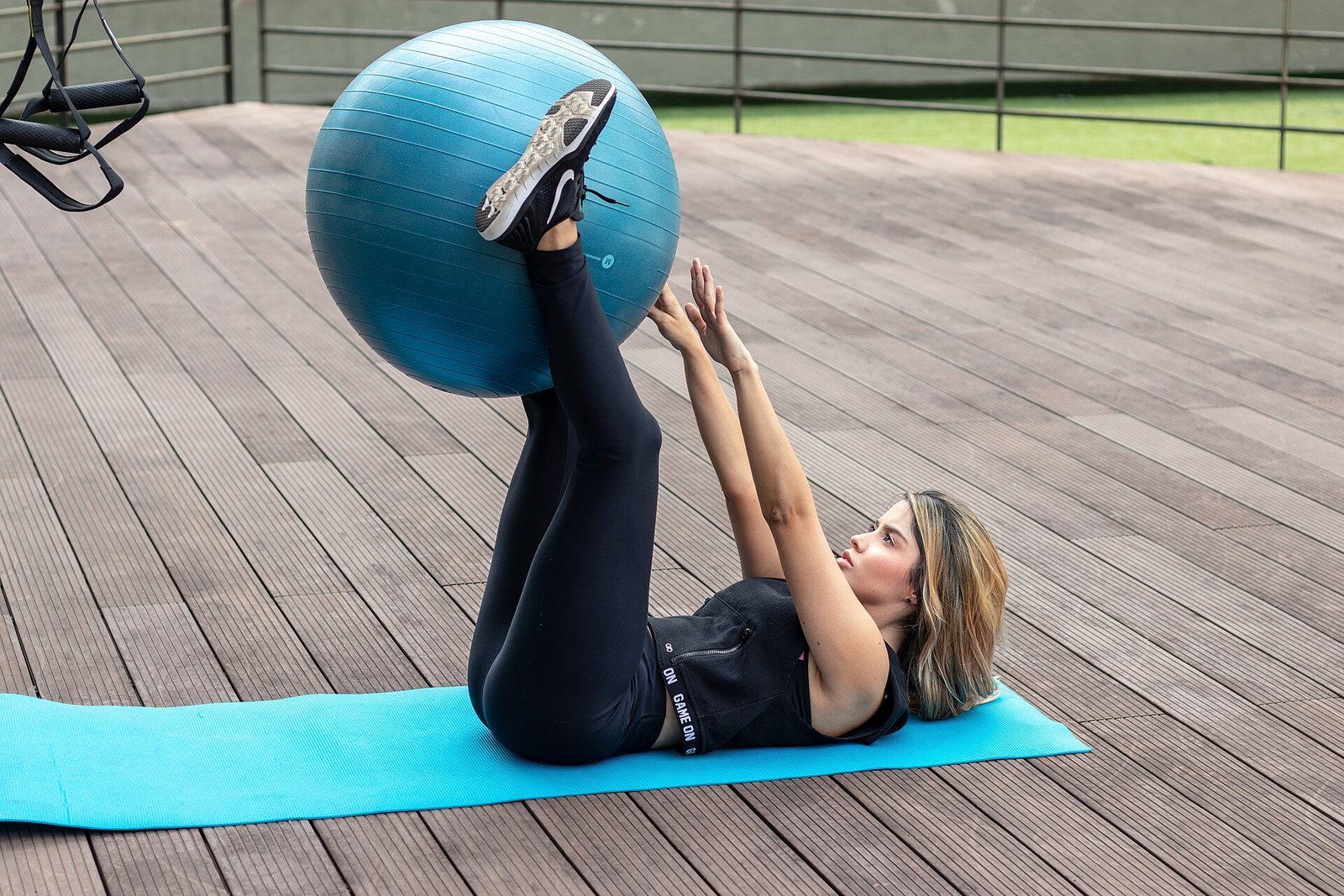
Lie flat, press your lower back gently into the floor, and raise your legs slowly until they point upward. Lower them just as slowly, stopping before your back arches.
Keep the range smaller if your back starts to arch — a shorter, well-controlled raise beats a big, sloppy one. A ball between the feet, as pictured, is optional. 🧘
5. Bird dog
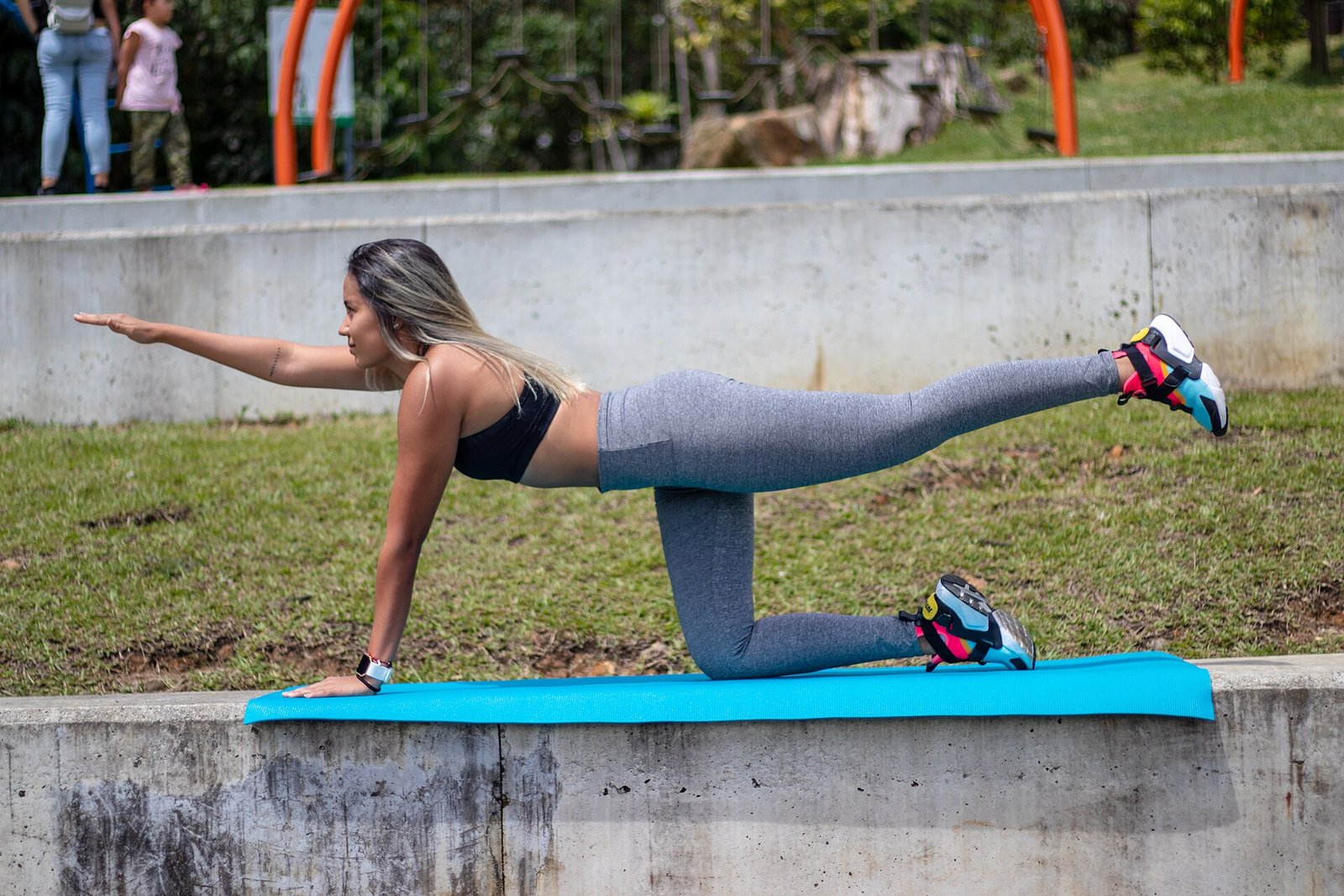
Start on hands and knees, wrists under shoulders and knees under hips. Extend one arm and the opposite leg slowly, keeping your hips level and your back flat, then return and switch sides.
Move slowly enough that you can stay steady. Wobbling a little is normal at first — that balance work is part of the point. 🐦
6. Squat
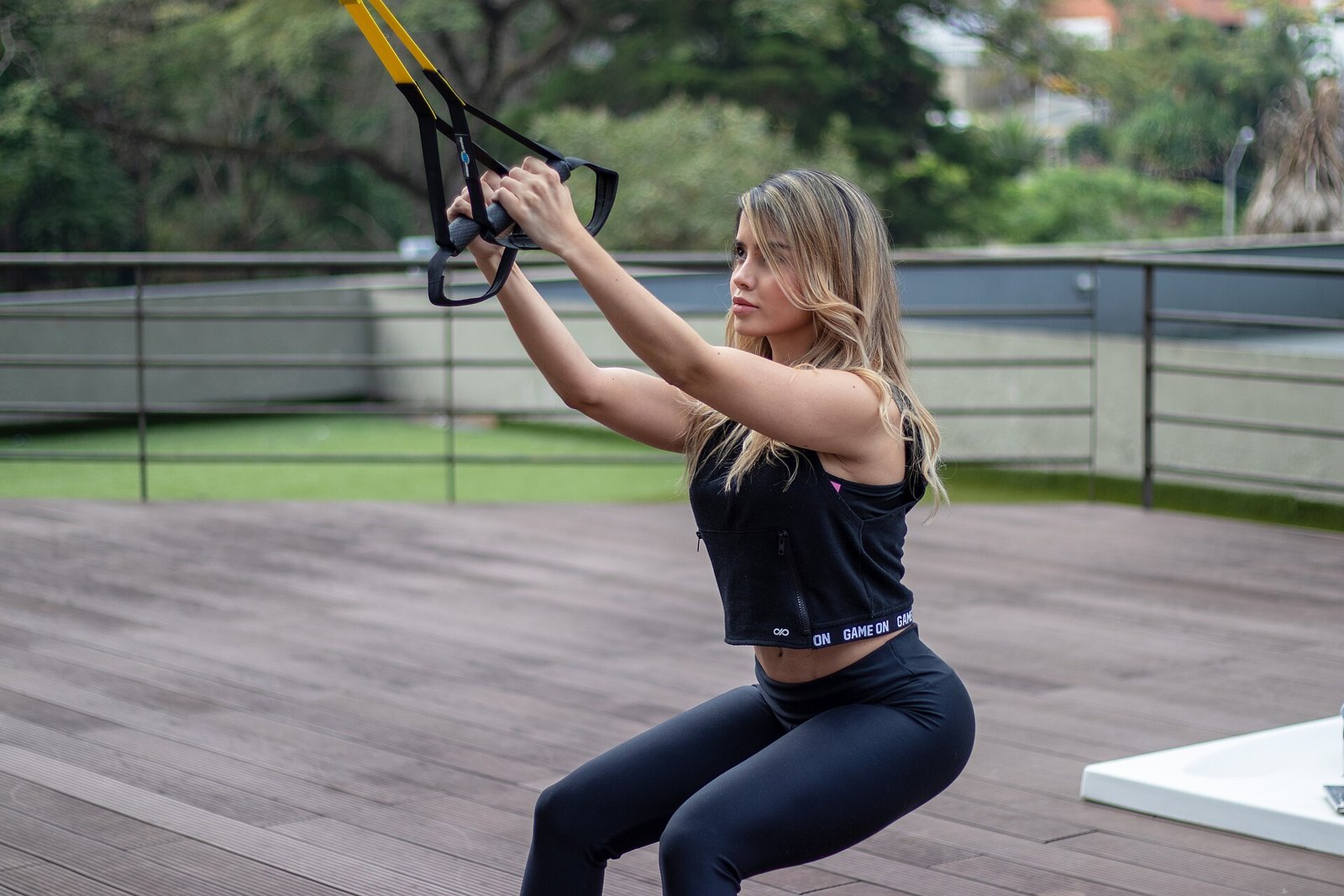
Stand with feet about hip-width apart, chest tall, and sit your hips back and down as if into a chair, then drive up through your heels. Keep your knees tracking over your toes.
Squats are a whole-body strength move, and your core works hard to keep you stable through every rep. Dumbbells, as pictured, are optional — bodyweight squats count. 🏋️
7. Walking and cardio
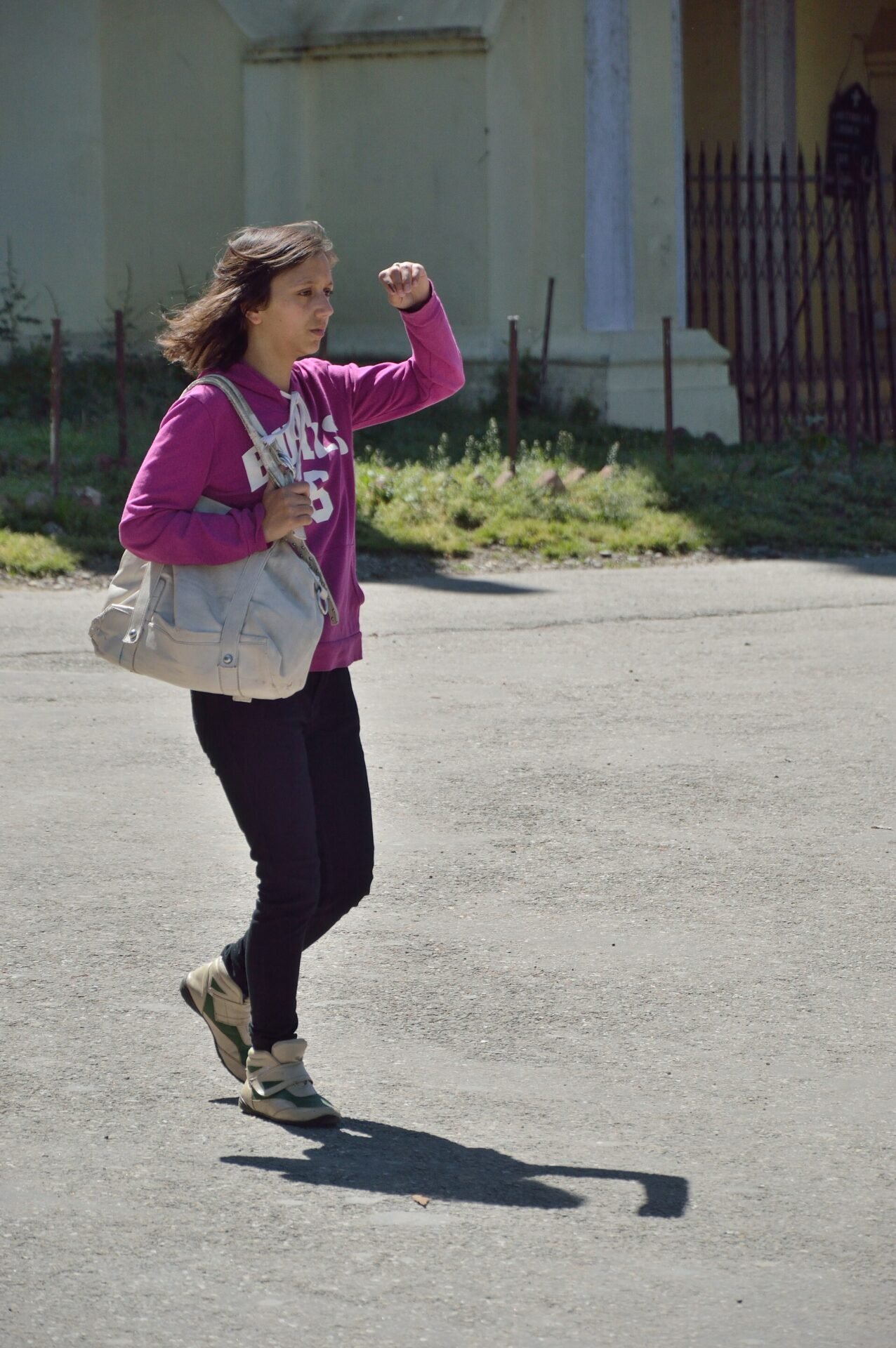
🚶 The most underrated fat-loss tool is also the simplest: regular walking. It costs nothing, needs no gym, and you can do it every day.
Brisk walks, cycling, swimming or dancing all count. Pick the activity you will actually keep doing — consistency beats intensity you abandon after two weeks.
For more moves that pair well with this routine, see our guide to exercises to reduce belly fat and how to burn belly fat, plus our best abs workout for bodybuilding for a core-focused companion.
Putting it together 🗓️
A simple weekly shape: 2–3 short core sessions from moves 1–5 above, a couple of full-body strength sessions including squats, and regular walking or another cardio activity you enjoy.
Rest a day between hard core sessions so the muscles recover. Sleep and balanced eating matter as much as the training itself.
How long will it take? Nobody can honestly promise a date. Think in months of steady habits, and judge progress by strength, posture, energy and how your clothes fit — not by daily scale checks.
Do I need supplements? No. No supplement is required for a stronger core, and none can replace training and balanced eating.
What if it hurts? Stop any move that causes sharp pain. Soreness after a new workout is normal; sharp, sudden or worsening pain is a reason to stop and get advice.
This article is general information only, not medical advice. Steady, honest training beats any quick fix — and it lasts. 💛