

🥥 Coconut oil gets a lot of big claims. The honest version is smaller — and more useful.
It does a few everyday jobs well: cooking, baking, hair and skin care, and wooden boards. Here are six pictured uses, plus what it cannot do.
Think of it as a handy household and kitchen fat, not a medicine and not a miracle. ✨
What coconut oil actually is 🧴
Coconut oil is pressed from the flesh of mature coconuts. At room temperature it is solid; it melts in your hand or in a warm pan.
It is about 80–90% saturated fat, with roughly 12 grams of saturated fat per tablespoon. That is why it stays solid and why it should be used in moderation as part of a balanced diet — not by the spoonful.
Smoke points matter in the kitchen: virgin coconut oil smokes around 177°C, while refined coconut oil, which is more neutral in flavour, handles around 204°C. Neither figure makes it a health food; they just tell you which pan jobs suit it.
There is no heart-health or weight-loss promise here. Coconut oil is a fat, and like any fat it is energy-dense. Use it for jobs it does well, in sensible amounts. ⚖️
1. Cooking in a pan
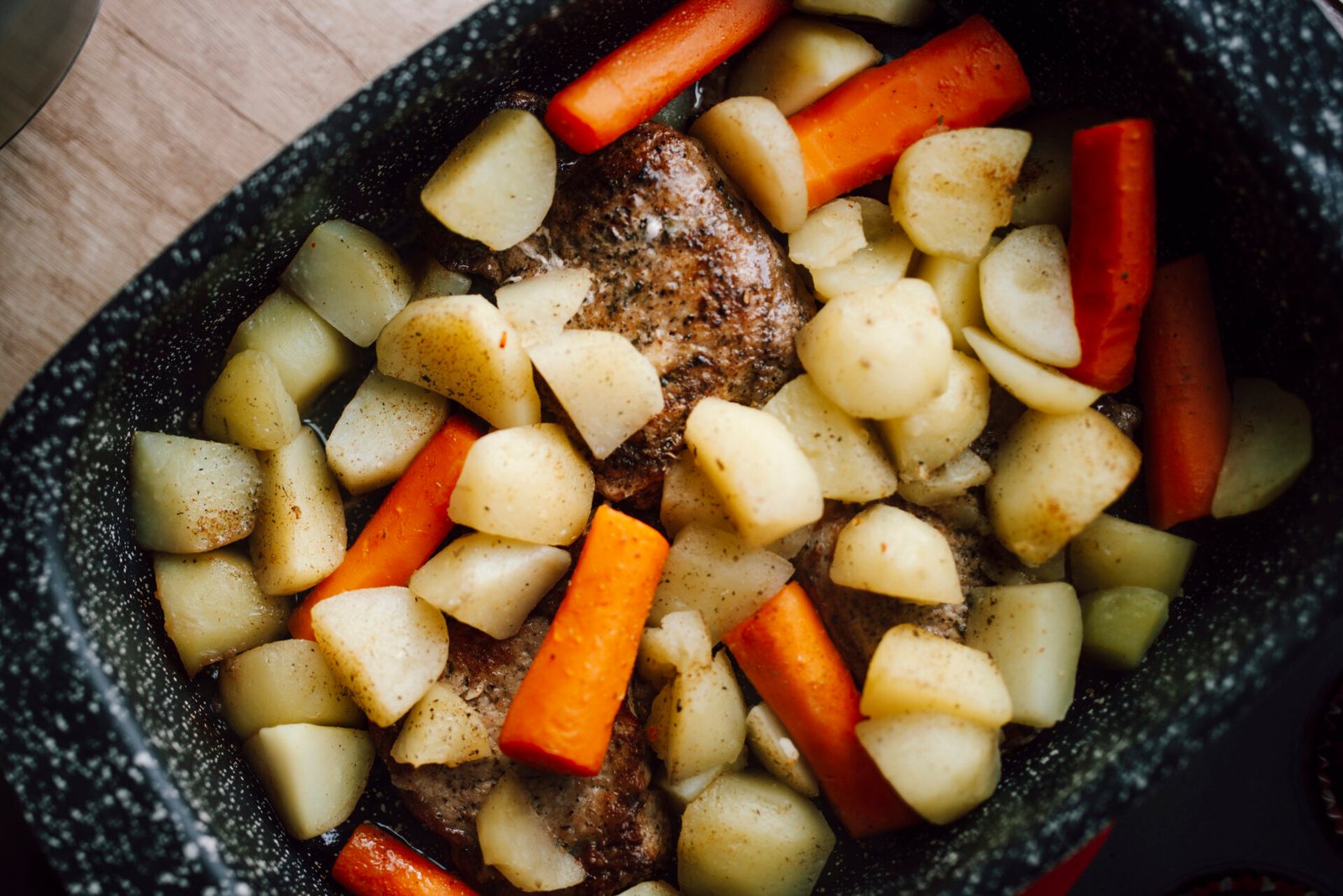
A spoonful of refined coconut oil works well for frying eggs, searing vegetables or cooking a stir-fry, thanks to its higher smoke point.
Keep the heat moderate, add the oil after the pan is warm, and use just enough to coat the surface. Because it is high in saturated fat, it suits occasional pan cooking rather than every meal.
For everyday cooking, oils higher in unsaturated fat — such as olive oil — are the more usual recommendation. Coconut oil is a flavour and texture choice, not a health upgrade. 🍳
2. Baking
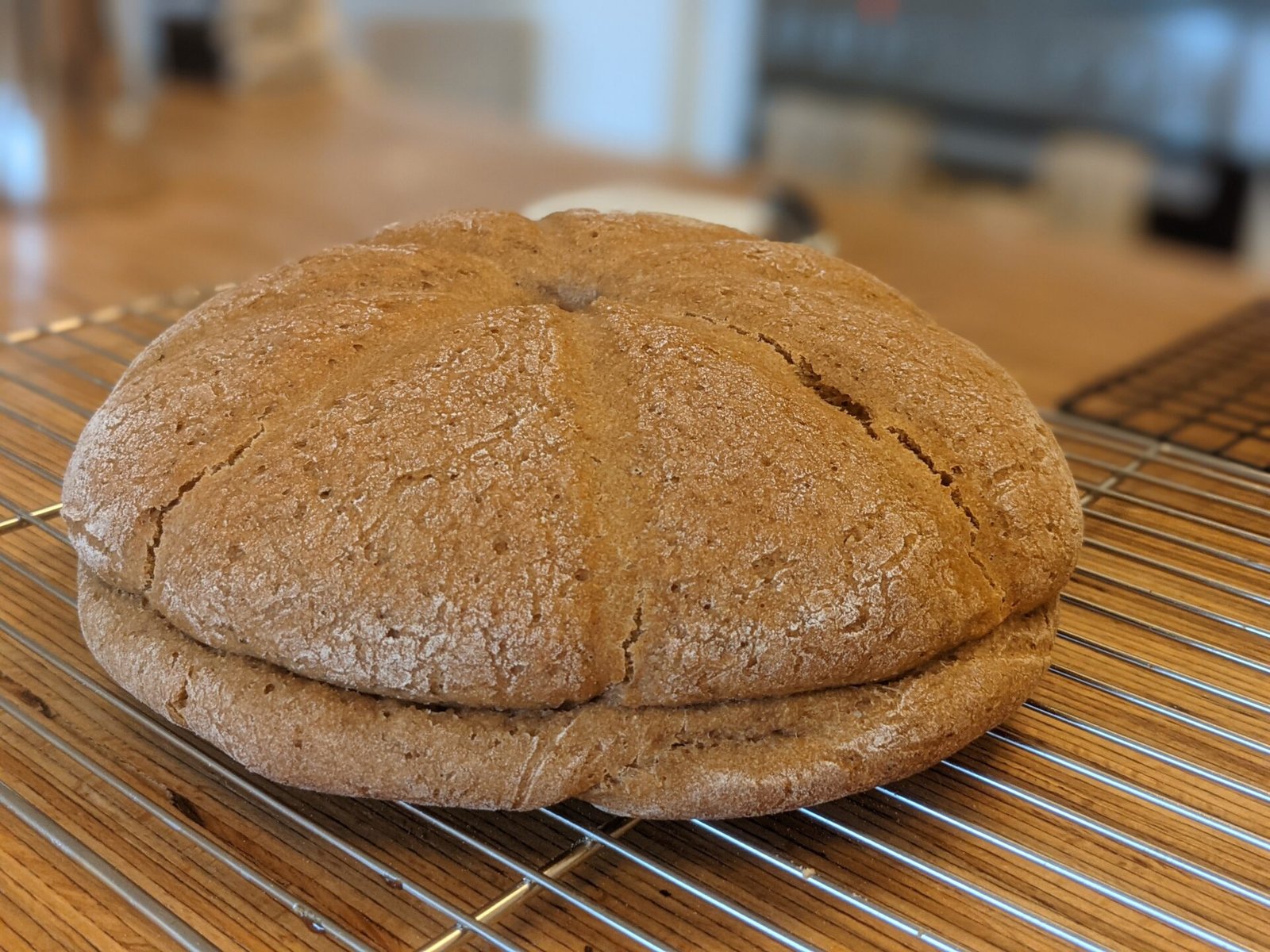
Melted coconut oil can replace butter or other fats in many baking recipes, giving cakes and biscuits a light coconut note.
Use it measured, not estimated — swapping fats one-for-one by weight works best. The finished bake keeps well, and the flavour suits banana bread, muffins and coconut-flavoured cakes especially.
It does not make a bake healthier. A cake made with coconut oil is still a cake, enjoyed in moderation. 🍰
3. Popcorn

Coconut oil is the classic cinema-style popcorn fat: it pops corn evenly and adds a rich, buttery flavour without butter.
Heat a spoonful in a lidded pot, add the kernels, and shake gently as they pop. Salt lightly once popped, and enjoy it as an occasional snack — popcorn is a whole grain, but the oil still adds energy. 🍿
4. Hair lengths

As a cosmetic treatment, a small amount of coconut oil worked through the lengths of hair can leave it feeling softer and looking shinier.
Apply to mid-lengths and ends, leave for an hour or overnight, then wash out thoroughly. Start with a little — too much leaves hair looking greasy.
⚠️ This is cosmetic only. Coconut oil is not a treatment for hair loss, dandruff or scalp conditions, and it cannot regrow hair. If you have a scalp problem, a clinician or dermatologist is the right person to ask.
5. Skin and body moisturising
Rubbed between the palms, coconut oil melts into a simple body moisturiser for dry hands, feet and elbows.
It also works as a makeup remover in a pinch: massage a little over makeup, then wash off with a gentle cleanser. The same jar can double as a plain lip balm.
Safety first: patch test on a small area for 24 hours before wider use. Do not use it on broken or infected skin without clinician advice, and remember it is NOT sun protection — it offers no reliable SPF. ☀️
It is not medicine for eczema, acne or any skin condition. If a skin problem persists or worsens, see a clinician rather than trying more oil.
6. Wooden boards

A thin coat of coconut oil, rubbed into a clean, dry wooden chopping board or serving board, helps keep the wood from drying and cracking.
Apply a small amount, let it soak in overnight, and wipe off the excess in the morning. Reapply every few weeks or when the wood looks dry.
Use food-grade oil for boards that touch food, and keep the board clean and dry between uses. A well-oiled board lasts longer and looks better. 🪵
What coconut oil can’t do 🚫
It cannot cure or treat any disease, kill bacteria or viruses, whiten teeth, detox your body, boost your metabolism or burn fat.
It cannot replace sunscreen, medicine or a clinician’s advice for any condition. Claims to the contrary are marketing, not evidence.
Our guide to how to lose weight fast and breakfast foods for weight loss cover the wider picture honestly — no single fat, oil or food does the work on its own.
Frequently asked questions ❓
Is coconut oil healthy?
It is a fat, about 80–90% saturated, best used in moderation as part of a balanced diet. It is not a health food and not a poison — it is a cooking and household fat with a few good uses.
What about oil pulling?
Oil pulling — swishing oil in the mouth — is a traditional folk practice. This article makes no claim that it whitens teeth, detoxifies or treats gum disease. If you have dental concerns, see a dentist.
Virgin or refined?
Virgin coconut oil has more coconut flavour and a lower smoke point (around 177°C), suiting baking and low-heat cooking. Refined coconut oil is neutral-tasting and handles higher heat (around 204°C), suiting pan cooking.
Can I use it every day on my skin?
Many people do, but patch test first and watch for breakouts — coconut oil can clog pores for some skin types. Stop if irritation appears.
General information only. Coconut oil is a household and kitchen fat with a few honest uses — not a medicine, not a cure, and not a substitute for clinician advice.