

Back in late 2023, long before he ever stepped on a competition stage, Sam Sulek named the 10 exercises he would keep if he could only ever use 10. 🏋️
The list spread fast, because it was so simple. No exotic machines, no marathon routine — just a handful of familiar moves covering chest, shoulders, back, legs, arms and a little cardio.
This refresh keeps that original list intact, but brings the story up to date. Sulek is no longer just an online lifter. He is now an IFBB Pro League Classic Physique competitor, and his first pro season is on the record.
One thing to be clear about from the start: this is a look back at what Sulek said he liked, not a programme to copy and not a promise of results. Bodies, schedules and experience levels differ, and what suited one lifter in 2023 is not a prescription for anyone else.
Sam Sulek in 2026: the quick update
Sulek was born on 7 February 2002, which makes him 24 in 2026. He competes in Classic Physique — not Men’s Open — and that distinction matters for everything that follows.
He won his amateur debut at the NPC Legends Classic in February 2025, then earned his IFBB pro card by winning the Classic Physique overall at the Arnold Amateur on 27 February 2025.
His pro debut came at the Arnold Classic in Columbus, Ohio, on 6 March 2026, where he placed eighth in Classic Physique. Three weeks later he improved one place, finishing seventh at the Arnold Classic UK in Birmingham on 27 March 2026. He is still chasing his first pro win.
For his full background, see his biography on this site — this article sticks to the exercise list itself, rather than re-telling his life story.
A note on the photos in this article
The pictures here are stock gym photos showing each exercise in action. None of them shows Sam Sulek, and none is captioned as him.
One exercise is handled differently on purpose. No honestly verified photo of a reverse lateral raise (rear-delt fly) could be found for this refresh, so reverse lateral raises are covered in words inside the shoulder section below, with no separate heading and no borrowed photo standing in for them. Every other exercise in the list has its own pictured section.
The 10 exercises, as Sulek named them in 2023
In order, the list was: incline bench press, lateral raises, reverse lateral raises, pull-downs, cable rows, seated hamstring curl, leg extensions, dumbbell curls, straight bar pushdowns, and the cardio bike.
Read that way, the shape of it is easy to see. One press for the chest, two raises for the shoulders, two pulls for the back, two machines for the legs, two moves for the arms, and a bike for conditioning.
Incline Bench Press
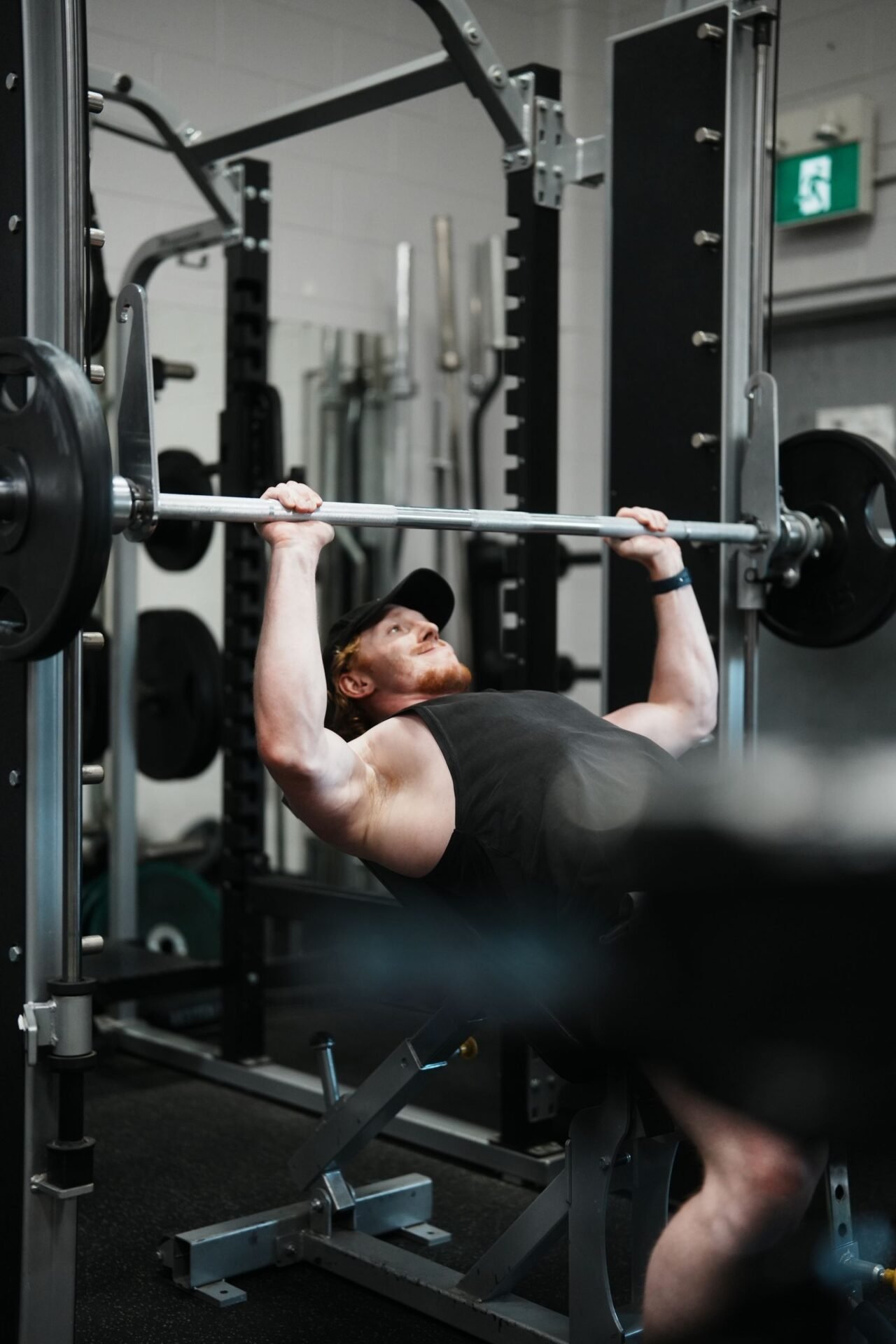
For the chest, Sulek’s pick was the incline bench press. The raised bench shifts the emphasis toward the upper chest, which was the area he most wanted to build.
It also suited his training style. A press he could load heavy, control slowly and take close to failure was exactly the kind of staple he kept coming back to. 💪
Lateral Raises — plus Reverse Lateral Raises
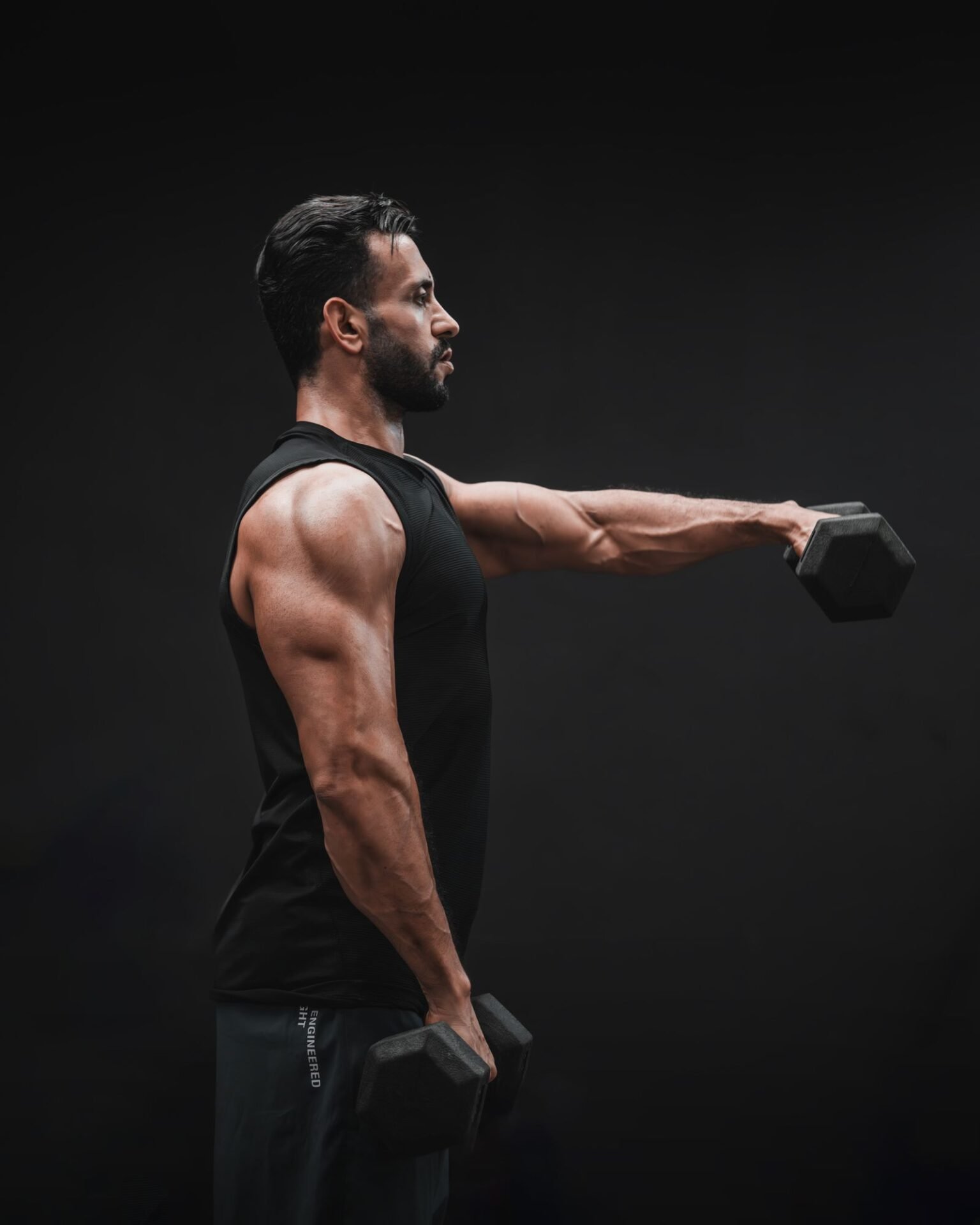
For shoulders, Sulek picked two moves, not one. Lateral raises were his side-delt pick, the move he linked most with shoulder width and the capped-shoulder look.
Reverse lateral raises were the partner move, aimed at the rear delts. Together, the pair was his way of covering the shoulders from the side and from behind, rather than pressing alone.
That balance is the point worth keeping. A shoulder plan built only on pressing can leave the rear of the shoulder quiet, and Sulek’s list deliberately gave the rear delts their own slot.
Pull-Downs
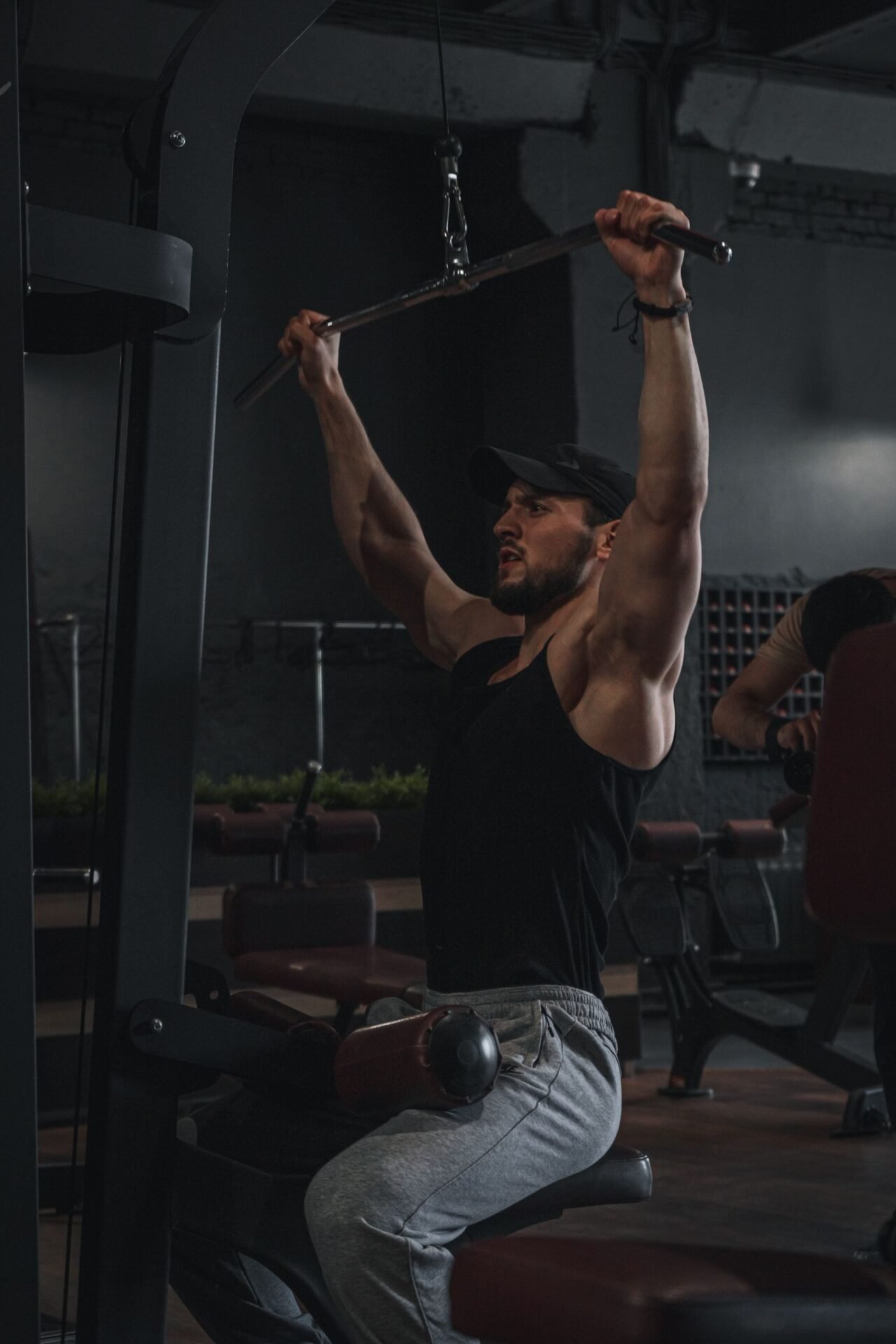
For the back, the first pick was the pull-down. Sulek framed it as the straightforward way to train the lats, the broad muscles that give the back its width.
It is also one of the most adjustable back moves around. Grip, posture and tempo can all change the feel of it, which may be why it survived his cut to just 10. 🔽
Cable Rows
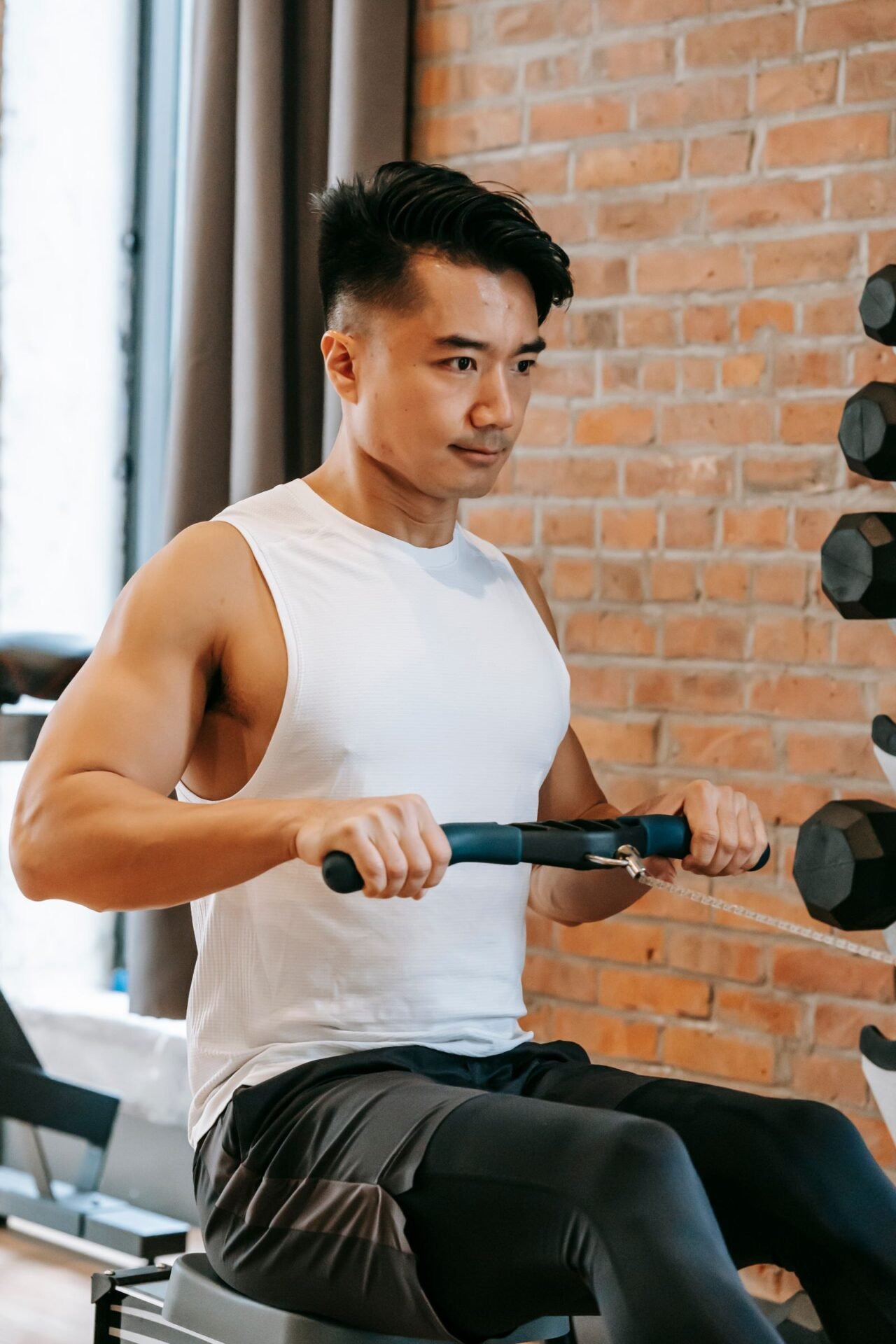
Pull-downs were paired with cable rows, giving the back a second angle. Where the pull-down works from above, the row pulls from the front, reaching the middle and upper back.
Sulek’s reasoning, in his own framing, was that two back moves were enough for a complete session. A vertical pull plus a horizontal pull covered the territory without needing a third or fourth.
Seated Hamstring Curl
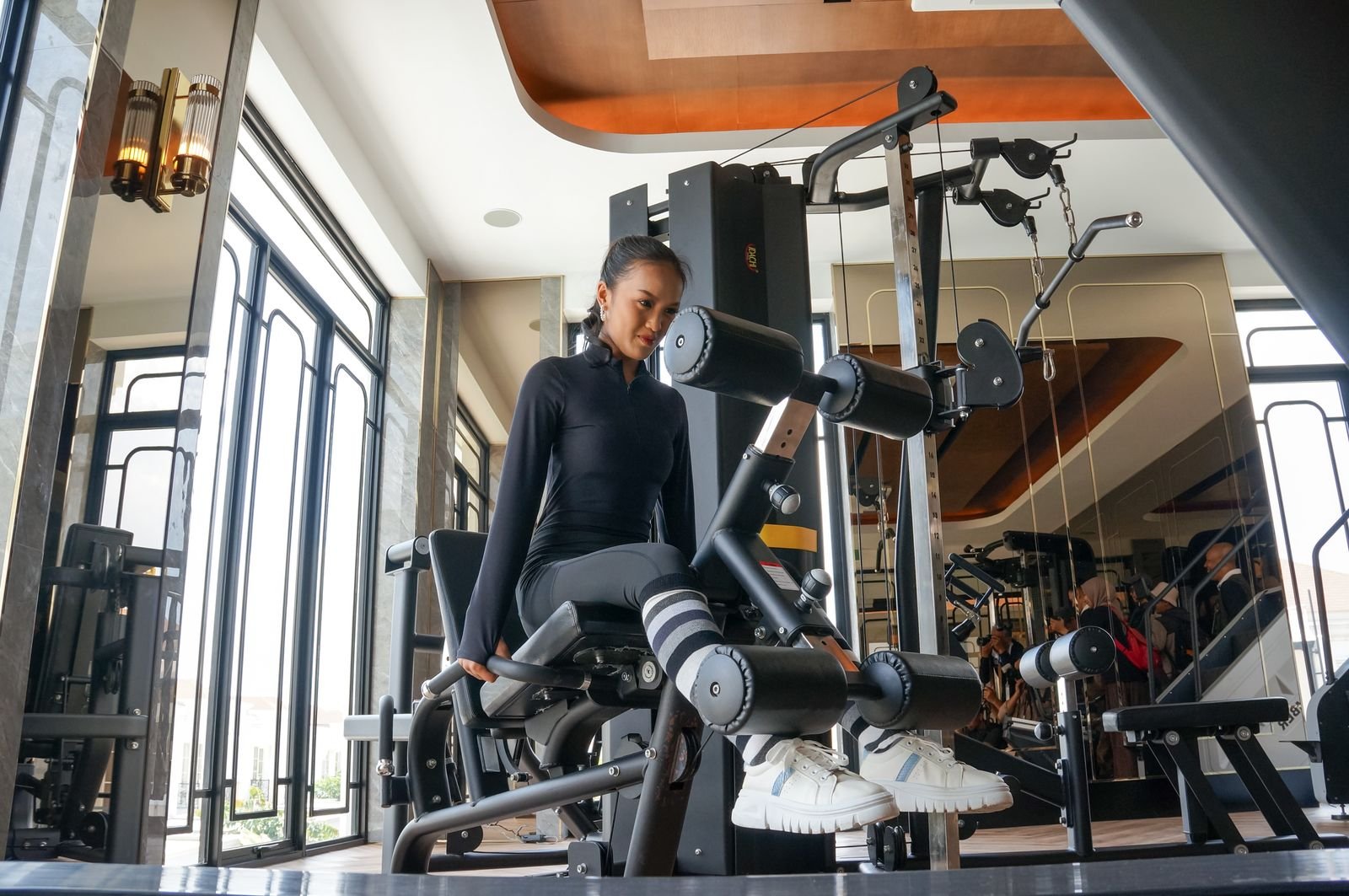
Moving to legs, the first pick was the seated hamstring curl. It isolates the hamstrings at the back of the thigh, a group that compound leg work alone can leave undertrained.
Sulek’s choice here was telling. He did not reach for a heavy hip hinge or a second squat pattern — he chose a quiet, single-joint machine move for the back of the leg. 🦵
Leg Extensions
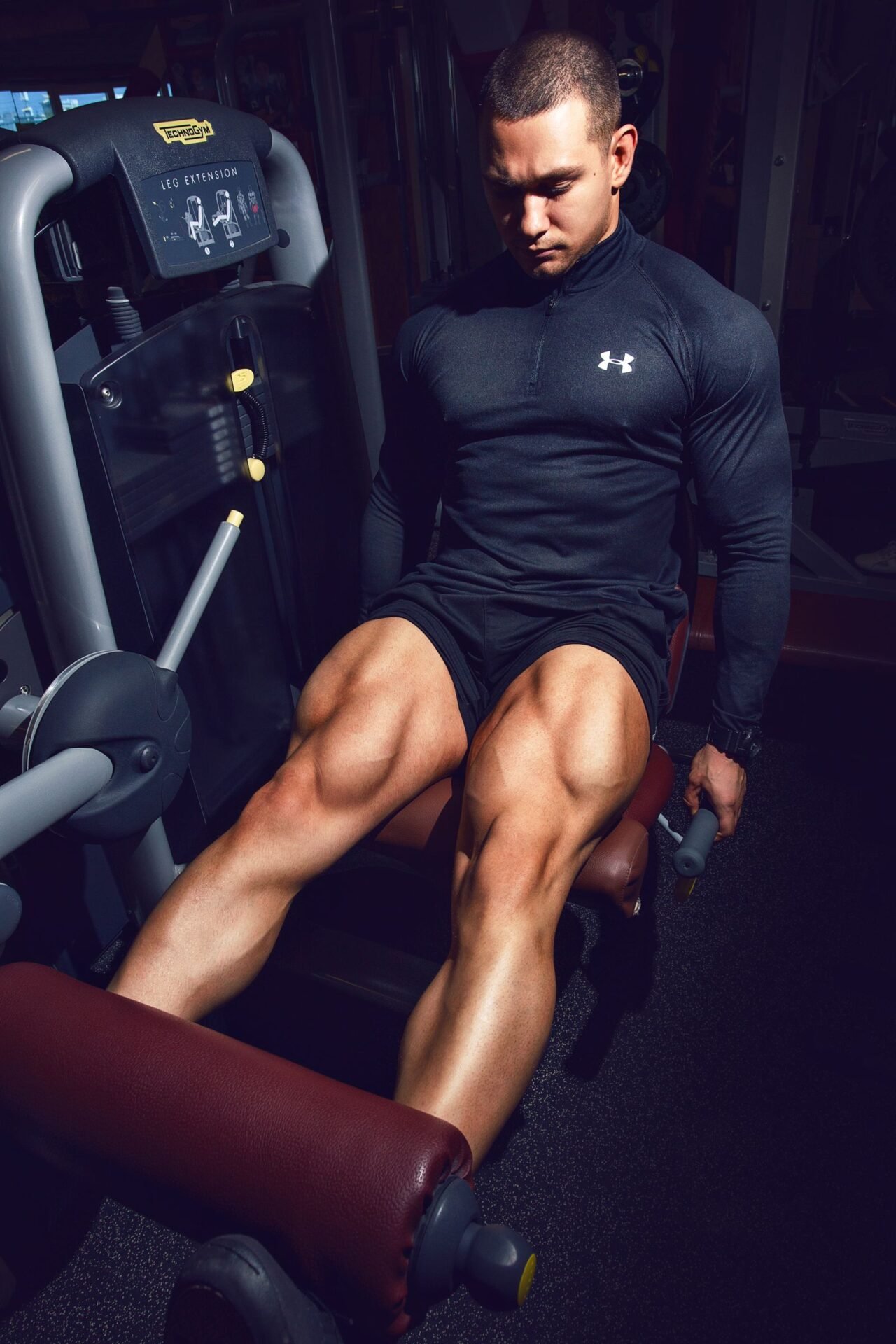
The second leg pick was the leg extension, the mirror image of the curl. It isolates the quadriceps at the front of the thigh, letting the lifter push the muscle hard without balancing a bar.
That pairing — curl for the back of the leg, extension for the front — is the neat logic of the lower-body half of the list. Two machines, two sides of the thigh, nothing else required.
Dumbbell Curls
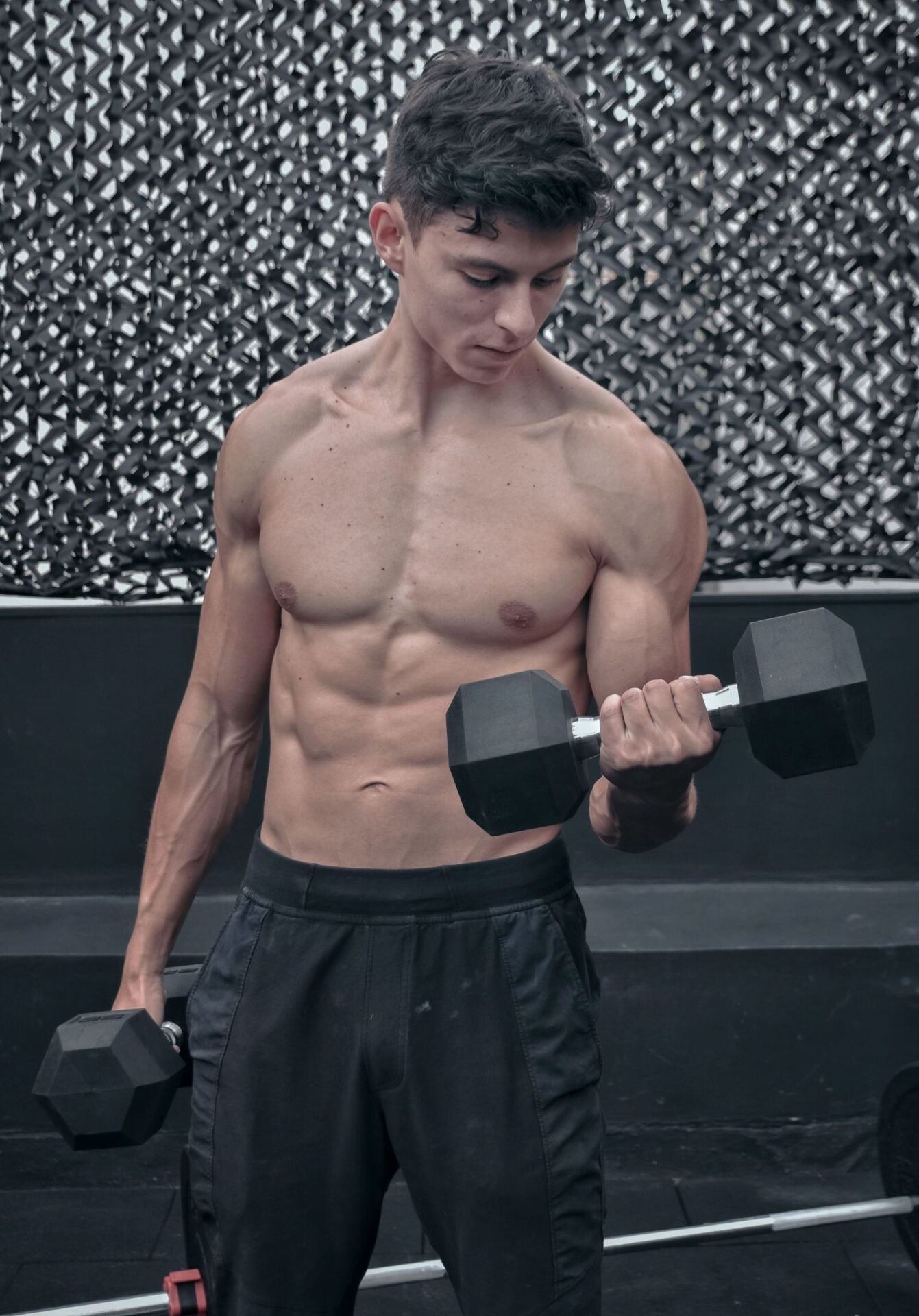
For arms, the bicep pick was the plain dumbbell curl. No cables, no machines, no twist — just a dumbbell in each hand and a controlled curl.
Its appeal is its simplicity. Each arm works on its own, so a stronger side cannot quietly carry the weaker one, and the move needs almost no setup. 💪
Straight Bar Pushdowns
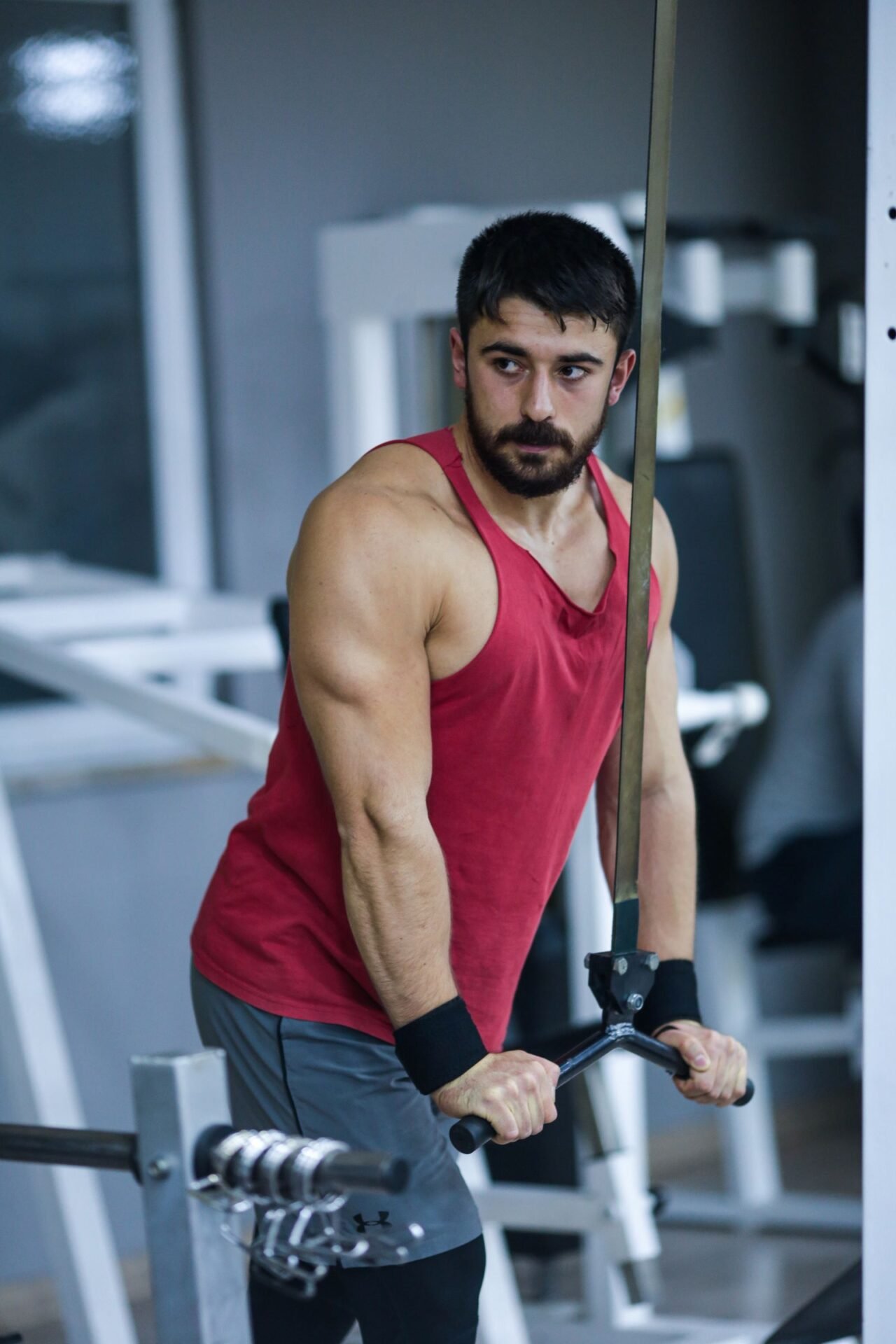
The tricep pick was the straight bar pushdown. It finished the arm pairing: curls for the front of the arm, pushdowns for the back.
Done on a cable, the pushdown keeps steady tension through the whole rep. That constant pull was part of its charm for Sulek, who liked moves he could squeeze hard at the end of a session.
Cardio Bike
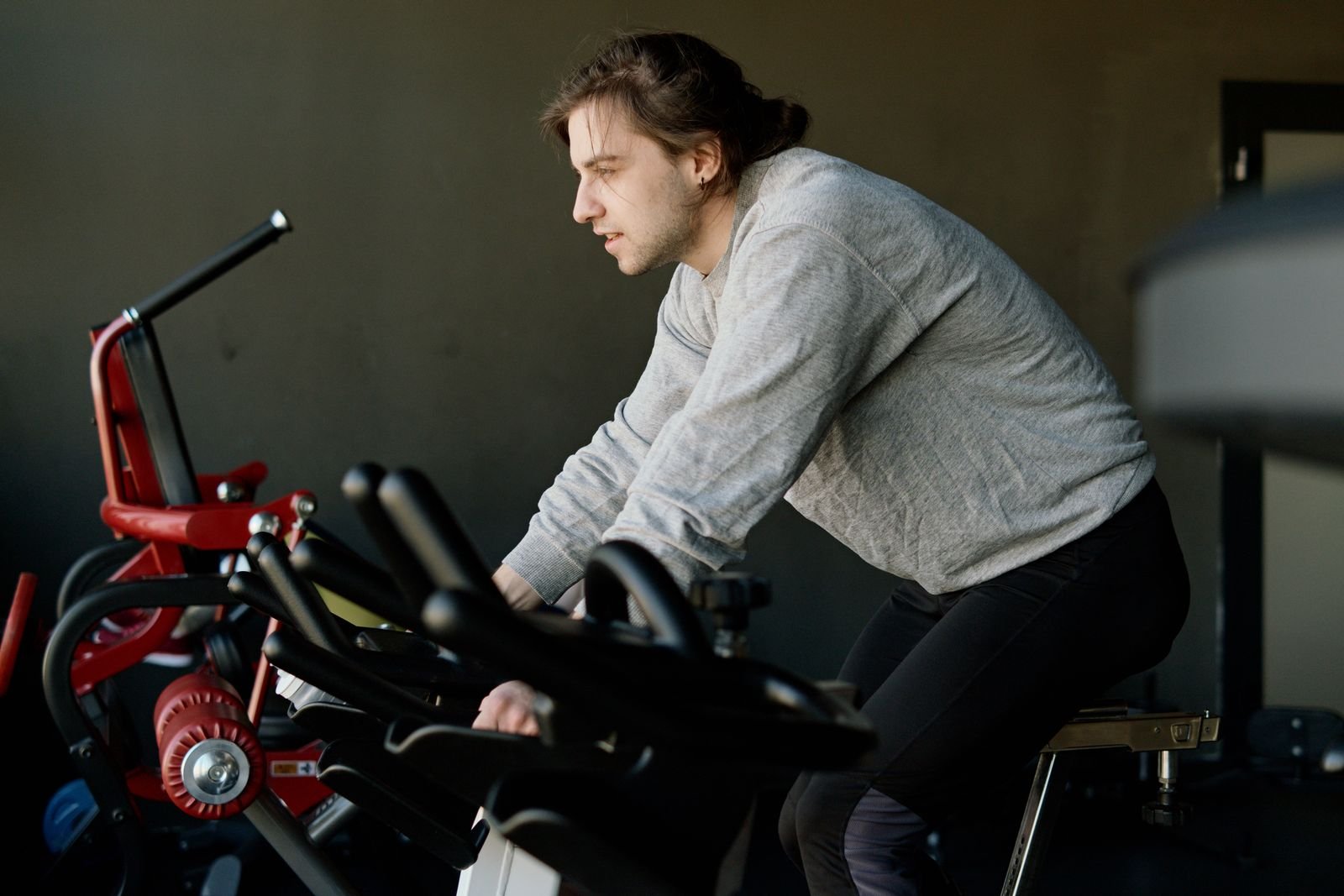
The surprise entry was the last one. After nine lifting moves, Sulek added the cardio bike — the only non-lifting pick on the list. 🚲
His point was about general fitness, not fat loss or any single goal. A bike session keeps the heart and lungs in the picture, even inside a list built around building muscle.
It also changed the tone of the whole list. This was not a “lift only” top 10 — it left room for conditioning, and that room was deliberate.
What the list leaves out — and why that is interesting
Two omissions stood out at the time. There is no direct abdominal exercise, and there is no squat or leg press — the heavy lower-body staples many lifters would pick first.
Sulek’s own framing was that abs were not a priority for him, and that leg extensions did the quad job he wanted. Whether readers agree is another matter, and it is worth saying plainly: leaving a muscle group out of one person’s list is not a reason for anyone else to leave it out.
If you are new to any of these movements, get your form checked by a qualified coach, and check with a clinician before starting a new training routine. General fitness information is not a substitute for personal advice.
Frequently asked questions
Is this Sulek’s current programme?
No. This is the list he named in late 2023, before he competed. It describes his preferences at that time; it is not a programme he published as a plan to follow, and no sets, reps or weekly split are claimed here.
Which division does Sam Sulek compete in?
Classic Physique, in the IFBB Pro League. He has not competed in Men’s Open, and no Men’s Open debut or result is claimed for him anywhere in this article.
How did he do at the 2026 Arnold Classic?
He placed eighth in Classic Physique at the Arnold Classic in Columbus, Ohio, on 6 March 2026, on his pro debut. He then placed seventh at the Arnold Classic UK in Birmingham on 27 March 2026.
Why is there no separate photo for reverse lateral raises?
No honestly verified photo of that exact movement was found for this refresh. Rather than use a photo of a different exercise, the move is covered in words in the shoulder section, and the gap is stated openly above.
The bottom line
Three years on, Sulek’s list still works best as what it always was: a snapshot of one lifter’s taste, not a rulebook. 🏋️
The chest press, the shoulder raises, the two back pulls, the two leg machines, the two arm moves and the bike add up to a balanced, uncomplicated way of thinking about training.
And the update around it is the real story. The online lifter who named 10 exercises in 2023 is now a Classic Physique pro with two Arnold scorecards behind him — still early in his competitive career, and still worth watching.
For more on Sulek’s background, see his biography and his diet and workout routine on this site. Fans of the division may also enjoy the Chris Bumstead biography and the guide to best V-shape exercises.