

Staying fit is rarely about one clever trick. 💪
It is mostly about small habits you can repeat on ordinary days, even when life gets busy.
This guide rebuilds an older list into ten honest habits for 2026. No miracle promises, no detox drinks, and no fixed timelines.
This article shares general health information only. It is not medical advice. If you have a health condition, an injury, or you are starting a new exercise routine, talk to a clinician first.
1. Train When the Gym Is Quiet 🏋️
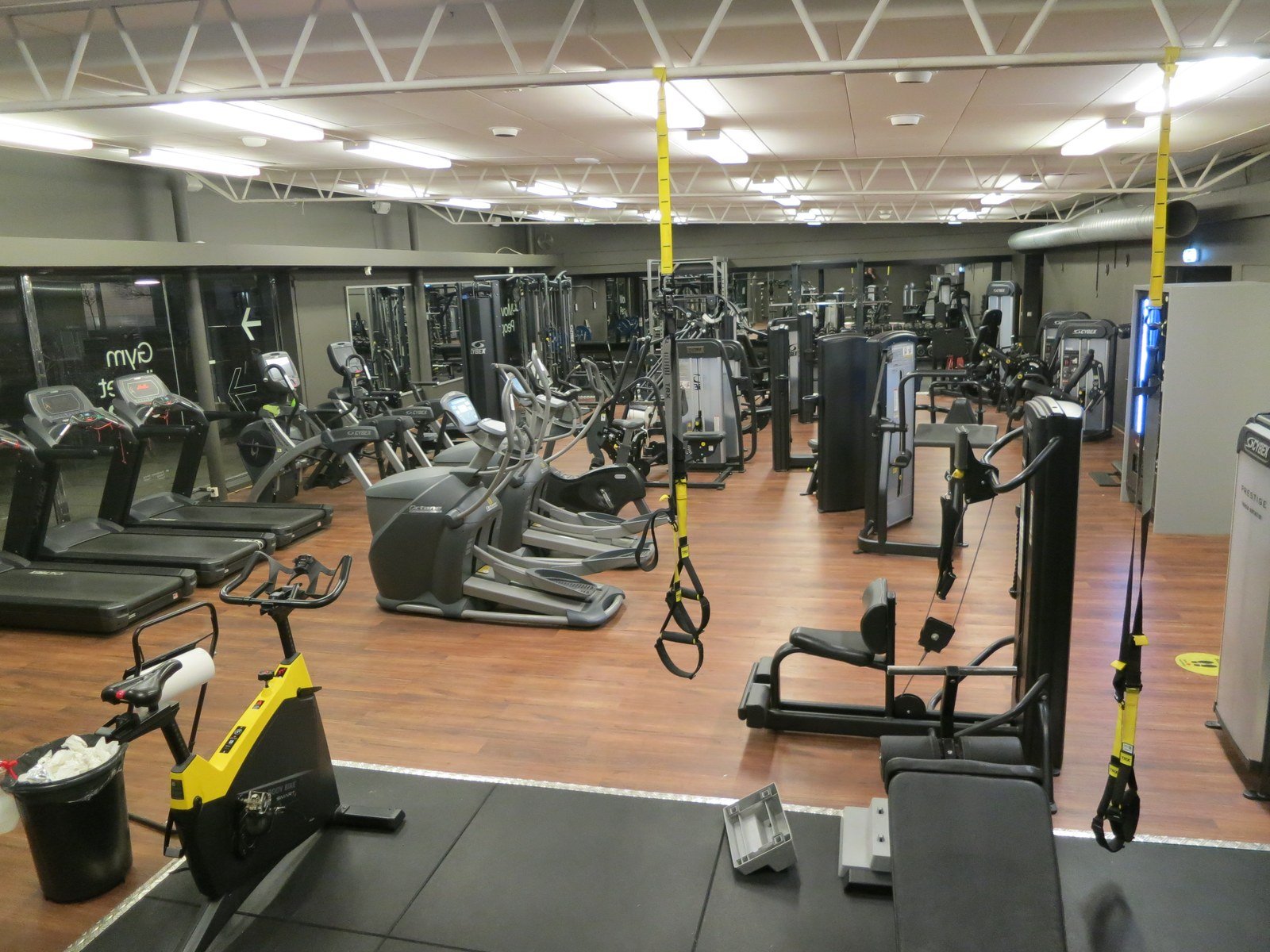
Photo: R. Henrik Nilsson / Wikimedia Commons
A quieter gym can make training feel calmer and easier to fit in.
You spend less time waiting for equipment, and you can move through your session without rushing.
If your gym has quiet hours, try one of them. If not, a home session or an outdoor workout can work just as well — see our guide to best exercise machines for home.
Pick the time you are most likely to stick with, not the time that sounds the most impressive.
2. Wind Down With a Short Meditation Before Bed 🧘
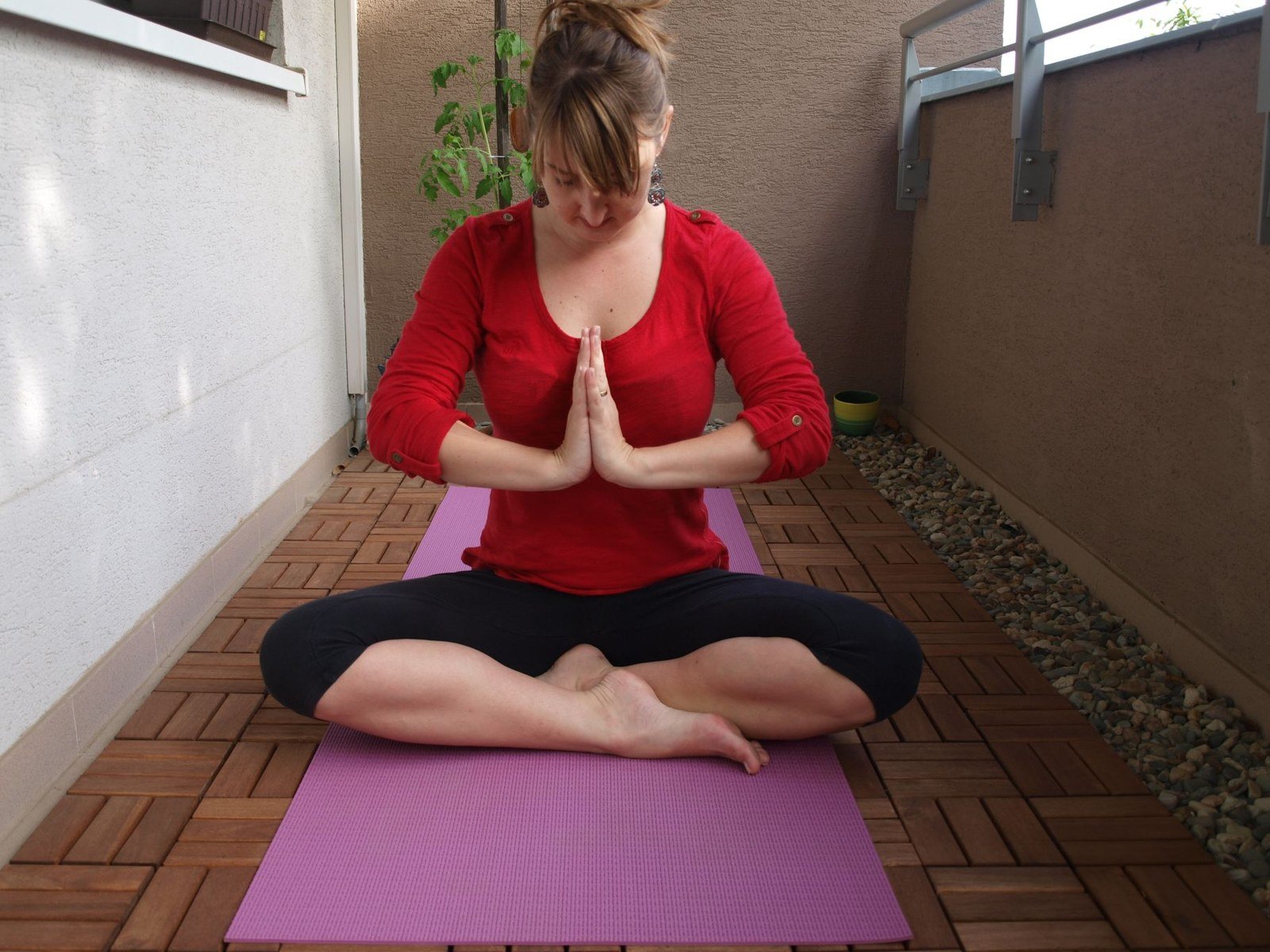
Photo: Sonia Belviso / Wikimedia Commons
A short wind-down can help you leave the day behind before sleep.
Try five to ten minutes of slow breathing or quiet sitting, in a comfortable spot.
There is no perfect technique to chase here. The point is a calmer end to the day, not a perfect performance.
Many people find a regular bedtime routine helps them feel more rested, which makes training the next day feel easier too.
3. Build a Workout Playlist You Actually Like 🎧
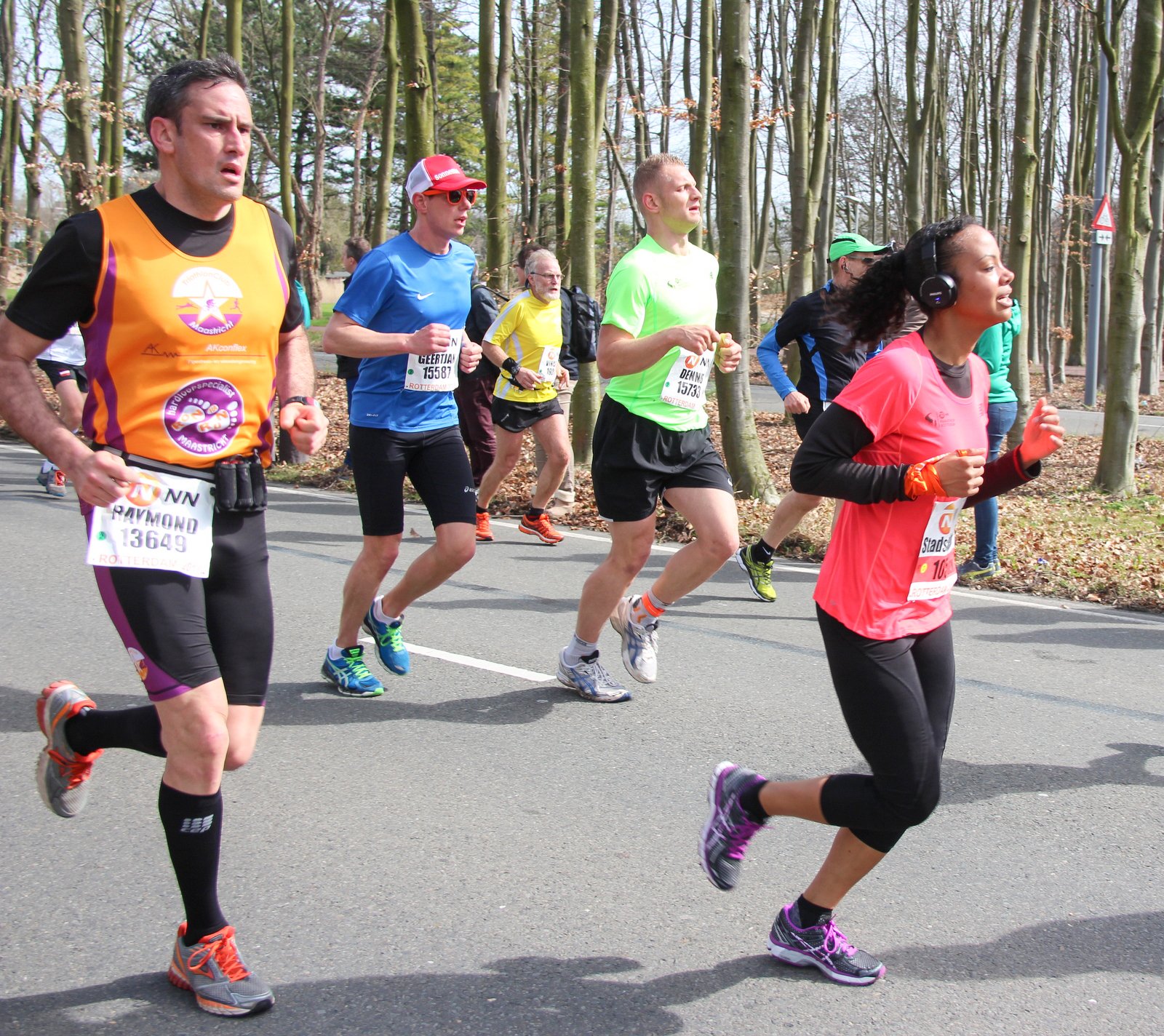
Photo: Peter van der Sluijs / Wikimedia Commons
Music will not do the workout for you, but the right playlist can make it more enjoyable.
Research on music and exercise is mixed, and results vary from person to person. Music people personally like tends to help motivation and how hard a session feels.
So choose songs you enjoy, at a pace that suits your session, rather than chasing one magic beats-per-minute number.
Keep the volume at a level where you can still hear traffic and people around you, especially outdoors.
4. Cut Back on Sugary Drinks 🥤
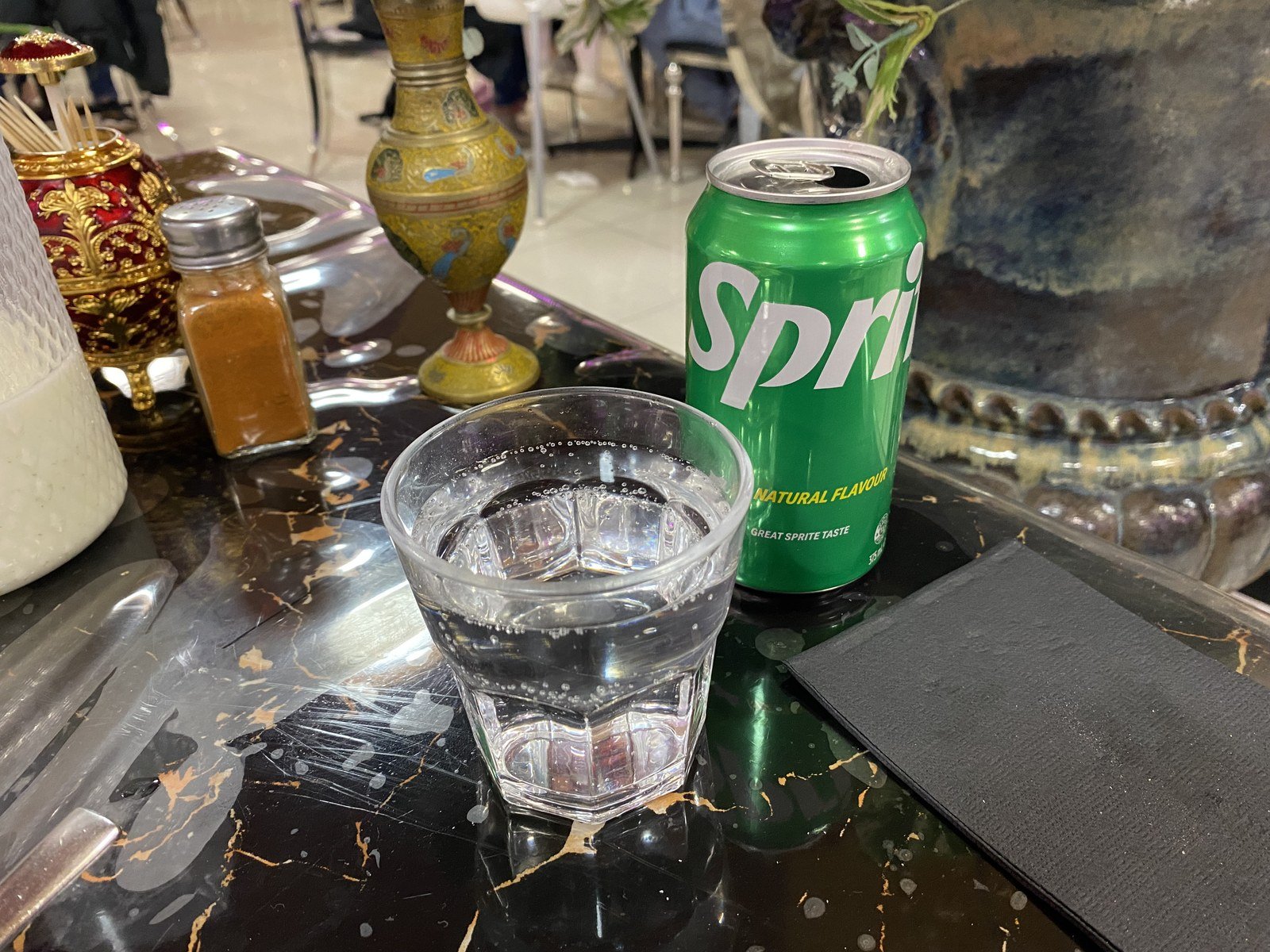
Photo: GuesanLoyalist / Wikimedia Commons
Sugary drinks can add a lot of sugar without making you feel full.
Cutting back is a simple change, and it does not need to be all or nothing.
Water is an easy everyday swap. Unsweetened tea or coffee can also count toward your daily fluid intake.
One useful caution: fruit juice is also high in sugar, so health guidance suggests limiting juice and smoothies to a small glass a day, rather than treating fresh juice as a free healthy drink.
5. Plan Tomorrow Tonight 📝

Photo: Shixart1985 / Wikimedia Commons
Planning the night before takes a small decision out of the morning.
Write down your workout, your meals in broad terms, and anything else that matters for the next day.
Ticking items off can feel satisfying, and it keeps the plan visible instead of vague.
Keep the list short. A plan with three honest items beats a long list you abandon by lunchtime.
6. Swap Dessert for Fruit Sometimes 🍓
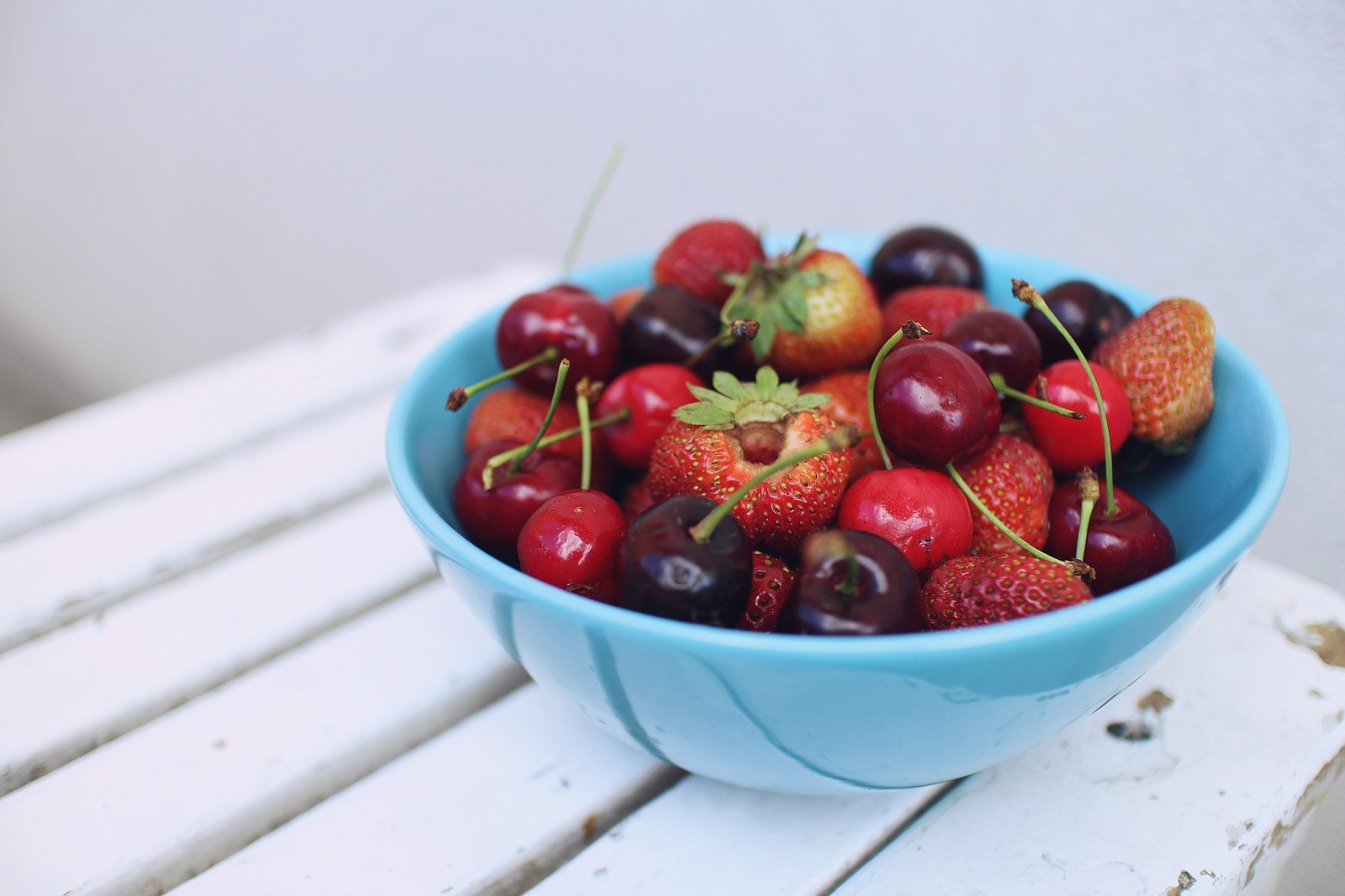
Photo: Iwona Łach / Wikimedia Commons
You do not have to give up desserts forever to eat a little better.
On some days, fresh fruit can satisfy a sweet craving with fibre and nutrients, and usually fewer calories than cake or chocolate.
Enjoy the richer dessert when you really want it, and keep the swap as an easy everyday option.
That balance is easier to keep than a strict rule you break and then abandon.
7. Drink Water Through the Day 💧
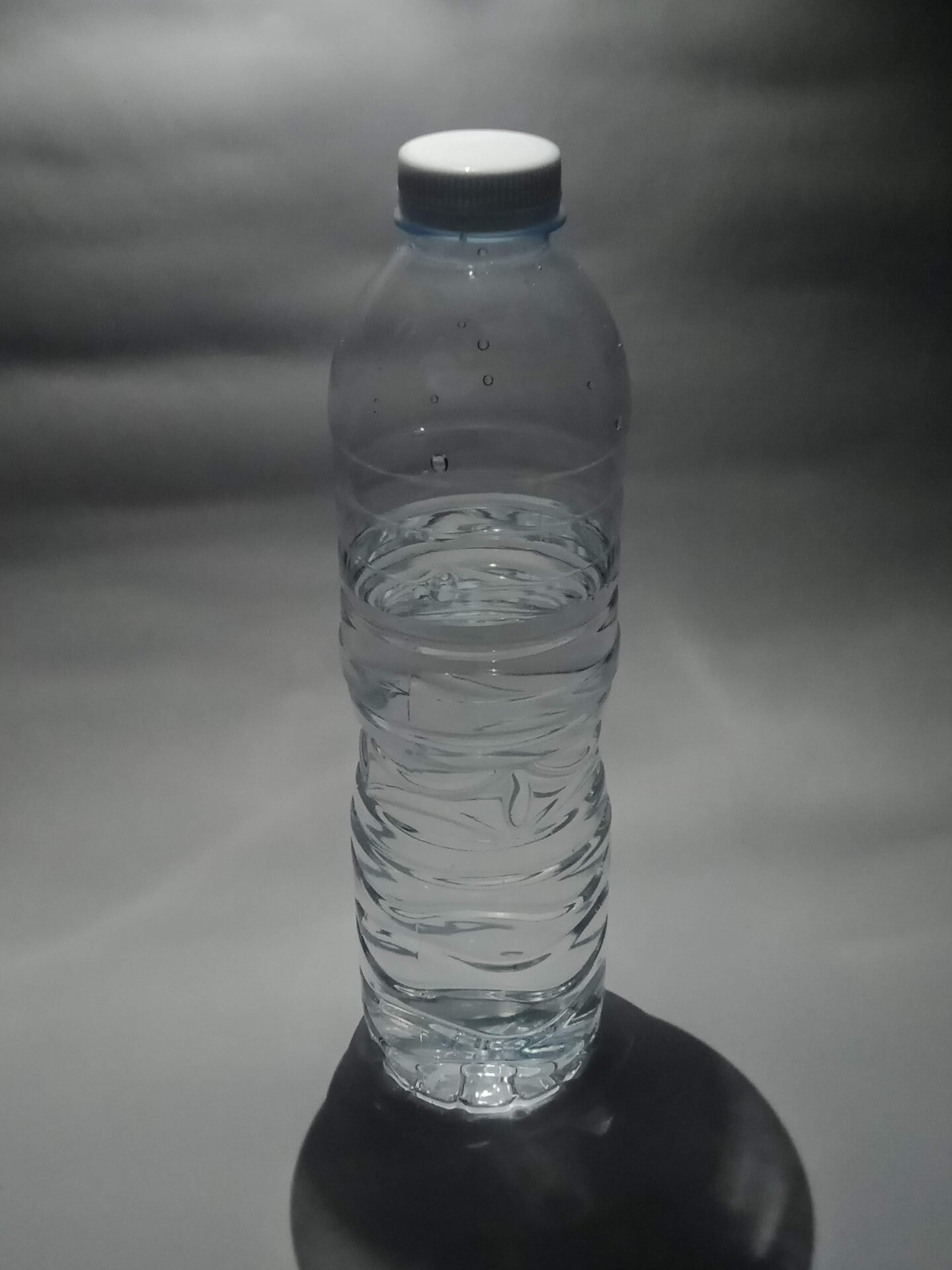
Photo: Jiafei Slay Queen / Wikimedia Commons
Regular sips through the day are a simpler habit than any strict hourly rule.
Keep a bottle nearby, and drink a little extra when you train, sweat, or spend time in the heat.
Health guidance in the UK suggests around 6 to 8 cups or glasses of fluid a day for most people, with water, lower-fat milk and lower-sugar drinks all counting.
Thirst, urine colour and how you feel are rough guides, not precise tests. If a clinician has given you a fluid limit, follow that advice instead.
8. Add Strength Training Twice a Week 💪
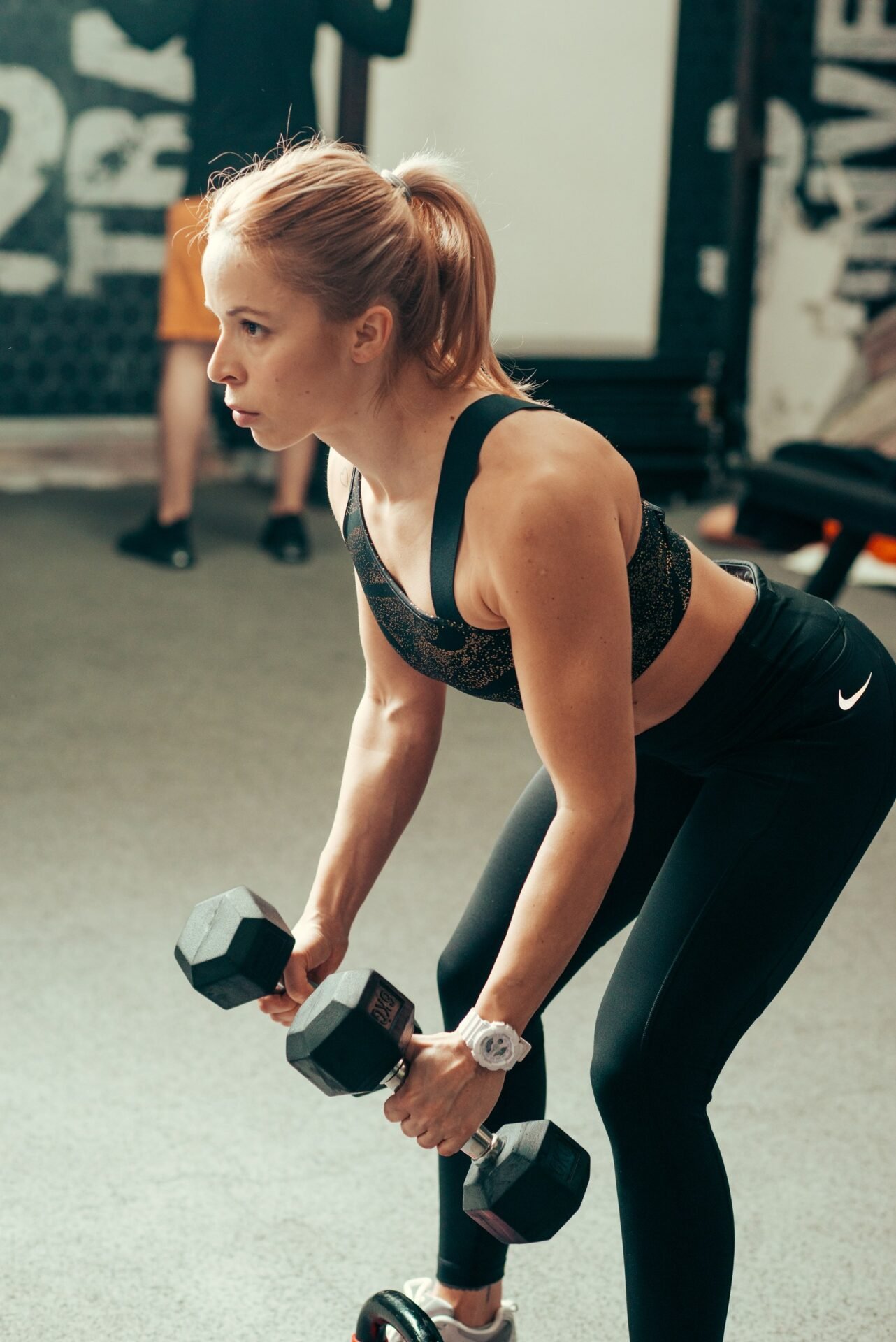
Photo: Shixart1985 / Wikimedia Commons
Strength work supports the muscles you use every day, from carrying shopping to climbing stairs.
World Health Organization guidance for adults recommends muscle-strengthening activities involving the major muscle groups on 2 or more days a week.
That can mean dumbbells, machines, resistance bands, or bodyweight moves like squats and push-ups.
Start light, learn good form, and build up gradually. For training and nutrition ideas, see our guide to protein powders for muscle gain.
9. Spend Time Outside in Nature 🌳

Photo: Orderinchaos / Wikimedia Commons
A walk outside can be both movement and a mental break in one.
Many people find time in green spaces calming, and a regular walk is an easy way to add gentle activity.
You do not need a long hike. A short daily walk in a park or along a tree-lined street still counts.
Pair it with daylight in the morning if you can — it can also help set a steadier sleep rhythm.
10. Dim the Screens Before Bed 🌙

Photo: BasilAce / Wikimedia Commons
Bright screens late at night can make it harder to fall asleep.
UK sleep guidance suggests avoiding phones, tablets and computers for about an hour before bed, since screen light can interfere with sleep.
Try charging your phone outside the bedroom and switching to a book, a bath, or quiet music instead.
Good sleep supports recovery after training, and it makes the next day’s habits easier to keep.
Frequently Asked Questions ❓
Do I need to follow all ten habits at once?
No. Pick one or two, keep them for a few weeks, and then add another if you want to.
Are detox drinks part of this plan?
No. Your liver and kidneys handle waste removal on their own, and there is no good evidence that detox drinks speed that up.
How much exercise should adults aim for?
World Health Organization guidance suggests at least 150 minutes of moderate activity a week, or 75 minutes of vigorous activity, plus strength work on 2 or more days.
Bottom Line ✅
Fitness in 2026 is not about finding a secret shortcut.
It is about training regularly, sleeping well, eating and drinking a little more mindfully, and repeating habits you can actually live with.
Start small, stay consistent, and adjust the plan to your own life — that is the habit that matters most. 🌿