

🏋️ Ronnie Coleman and Big Ramy are two of the biggest names bodybuilding has ever produced — but here is the twist fans sometimes forget.
They never shared a stage. Coleman stepped away from the Mr. Olympia stage in 2007, and Ramy’s professional debut came six years later, in 2013.
So this is not a contest result. It is a cross-era comparison: two reigns, two physiques and two legacies, set side by side — with no winner declared. 🤝
Two Eras That Never Met
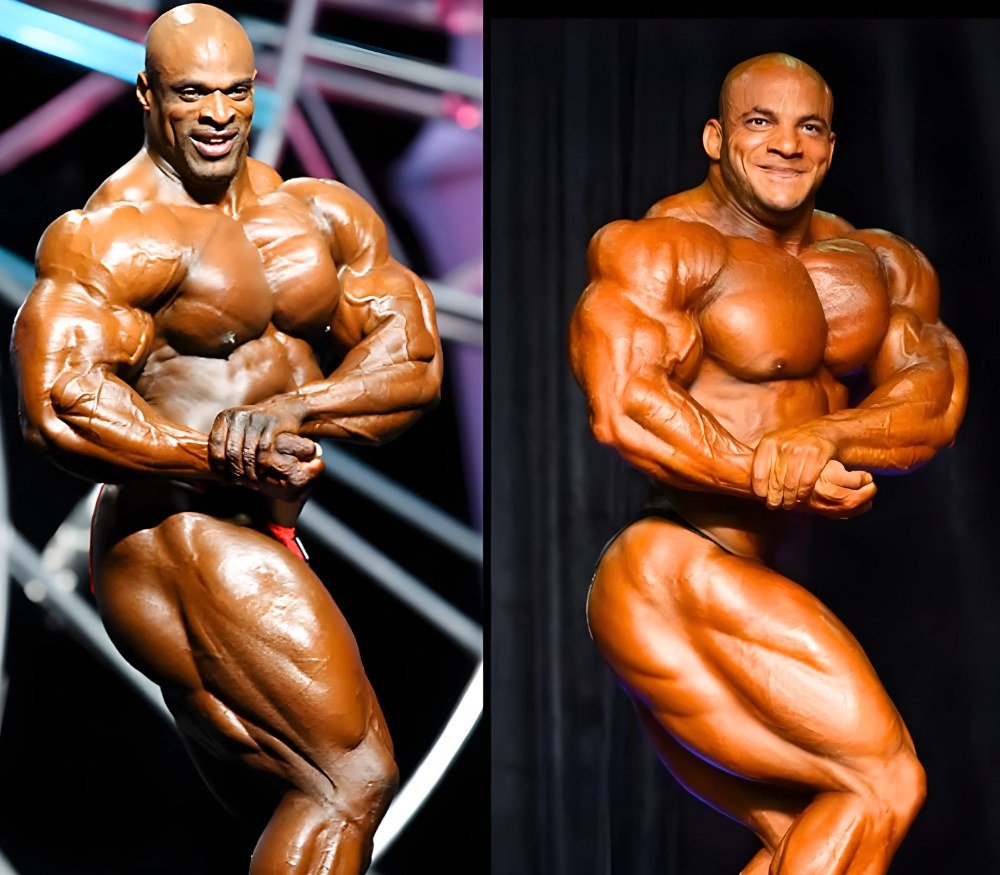
Coleman ruled the late 1990s and early 2000s, when the Olympia stage belonged to one man for eight straight years.
Ramy rose in the 2010s and reached the top in 2020, in a deeper, more international field than Coleman ever faced.
The gap between them is the whole story. Coleman retired from Olympia competition before Ramy turned professional, so any head-to-head is a fan debate, not history.
What we can compare fairly is what each man did in his own era — and what each era demanded of its champion. 💪
Ronnie Coleman: The Eight-Year Reign 👑
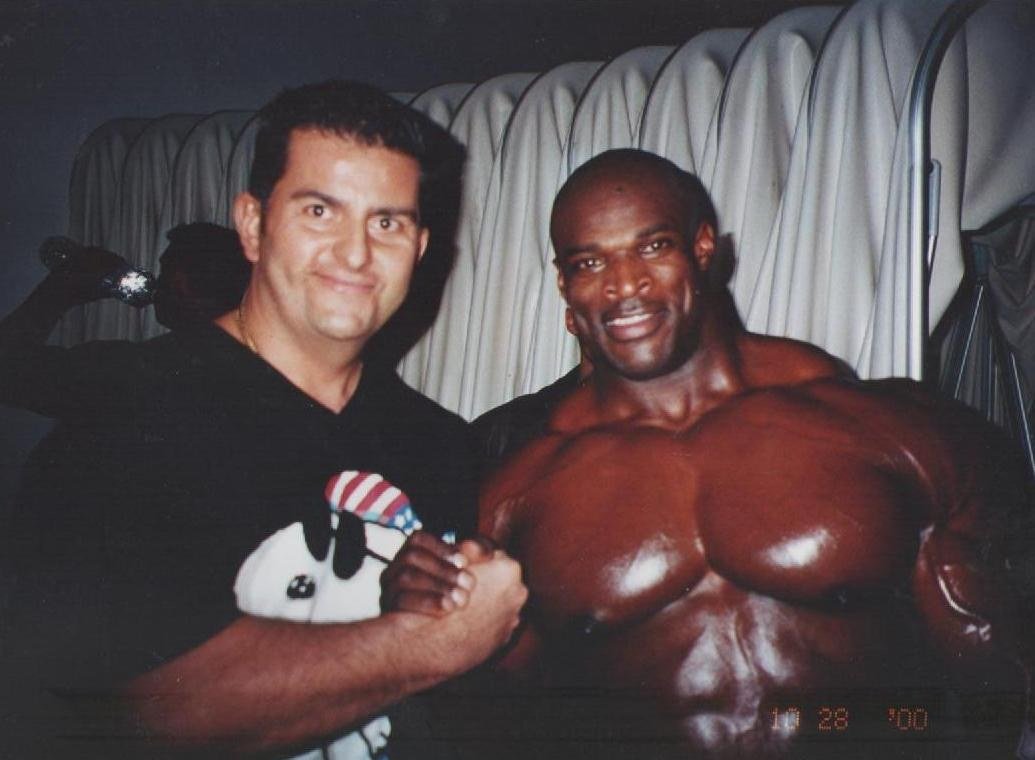
Ronald Dean Coleman was born on 13 May 1964 in Monroe, Louisiana, and worked as a police officer while building his bodybuilding career.
His rise was slow at first. He entered his first Mr. Olympia in 1992 without placing, then climbed year by year until everything changed in 1998.
That year he won his first Mr. Olympia — and then he simply did not stop, winning eight straight titles from 1998 to 2005.
The run tied Lee Haney’s all-time record of eight Olympia titles, a mark no one has beaten since.
Coleman also collected 26 professional wins in total, a tally that stood as the sport’s record until Dexter Jackson passed it.
The reign ended in 2006, when Jay Cutler finally beat him for the title after years as runner-up.
Coleman returned once more in 2007, finished fourth at the Mr. Olympia, and that was his final Olympia appearance.
For the full story of his life after competition, see Ronnie Coleman Now (2026): Life, Health and Business at 62.
Big Ramy: The Egyptian Breakthrough 🇪🇬
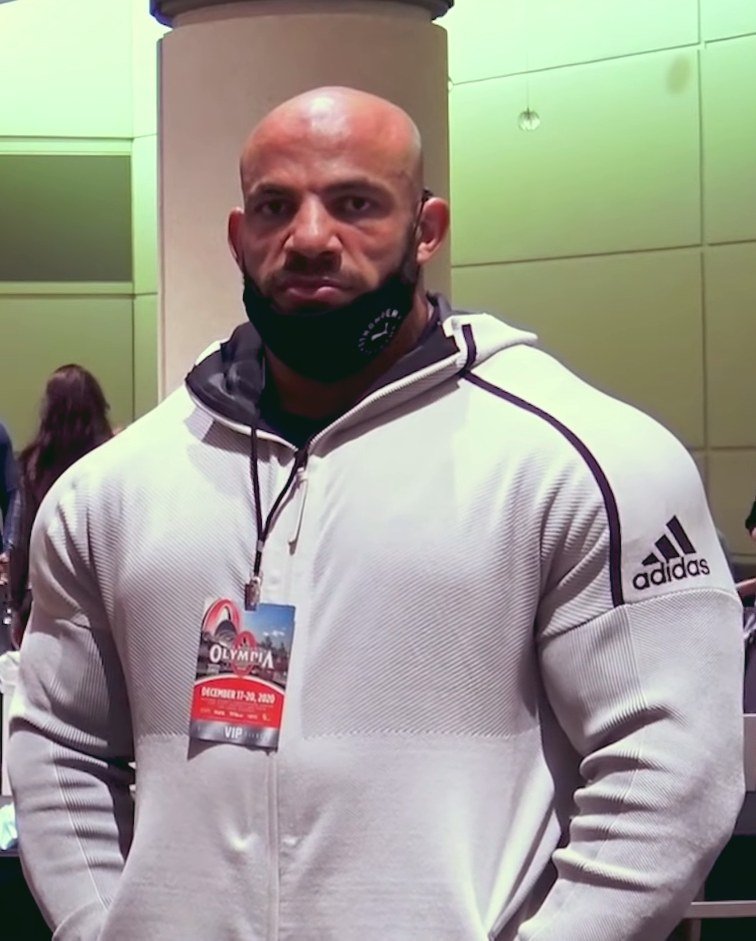
Mamdouh “Big Ramy” Elssbiay was born on 16 September 1984 in Egypt, and his rise was anything but slow.
He won his professional debut at the 2013 New York Pro, then placed eighth at his first Mr. Olympia later that same year.
Year by year he climbed: seventh in 2014, into the top five in 2015, and second at the Olympia in 2017 behind Phil Heath.
Then came the breakthrough. In December 2020, in Orlando, Ramy won his first Mr. Olympia — the first Egyptian ever to hold the title.
He defended it successfully in 2021, becoming a back-to-back champion and only the second Middle Eastern winner after Samir Bannout.
His reign ended in 2022, when he finished fifth at the Olympia, and his last contest came at the Arnold Classic in March 2023.
A decade-apart look at Ramy against another modern mass star is covered in Big Ramy vs Rubiel Mosquera — A Decade Apart (2026).
Physiques Side by Side 💪
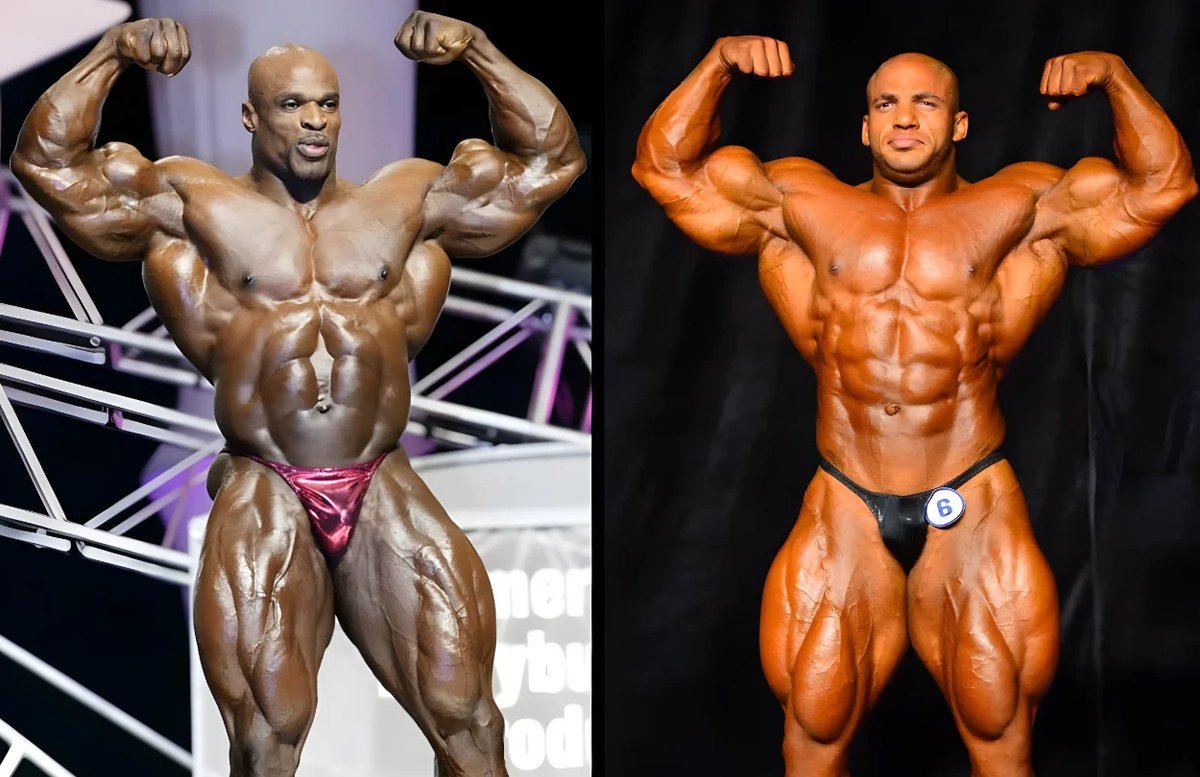
Coleman’s calling card was complete, dense muscle with sharp conditioning — a back that looked three-dimensional from behind and arms that set the standard of his era.
His most famous quality was balance at huge size: mass that still showed striations, detail and a tight midsection on his best days.
Ramy’s calling card was sheer scale. His legs, chest and overall width gave him a presence few rivals could match, even in a field full of giants.
On his best days, Ramy paired that size with a full, round look that made him stand out the moment he walked on stage.
Put the two side by side and the contrast is clear: Coleman’s era rewarded dense, conditioned mass, while Ramy’s era rewarded maximum size held together with shape.
Neither style is “better” in the abstract — each was built to win under the judging and competition of its own time. ⚖️
Reigns, Records and What Came After 📜
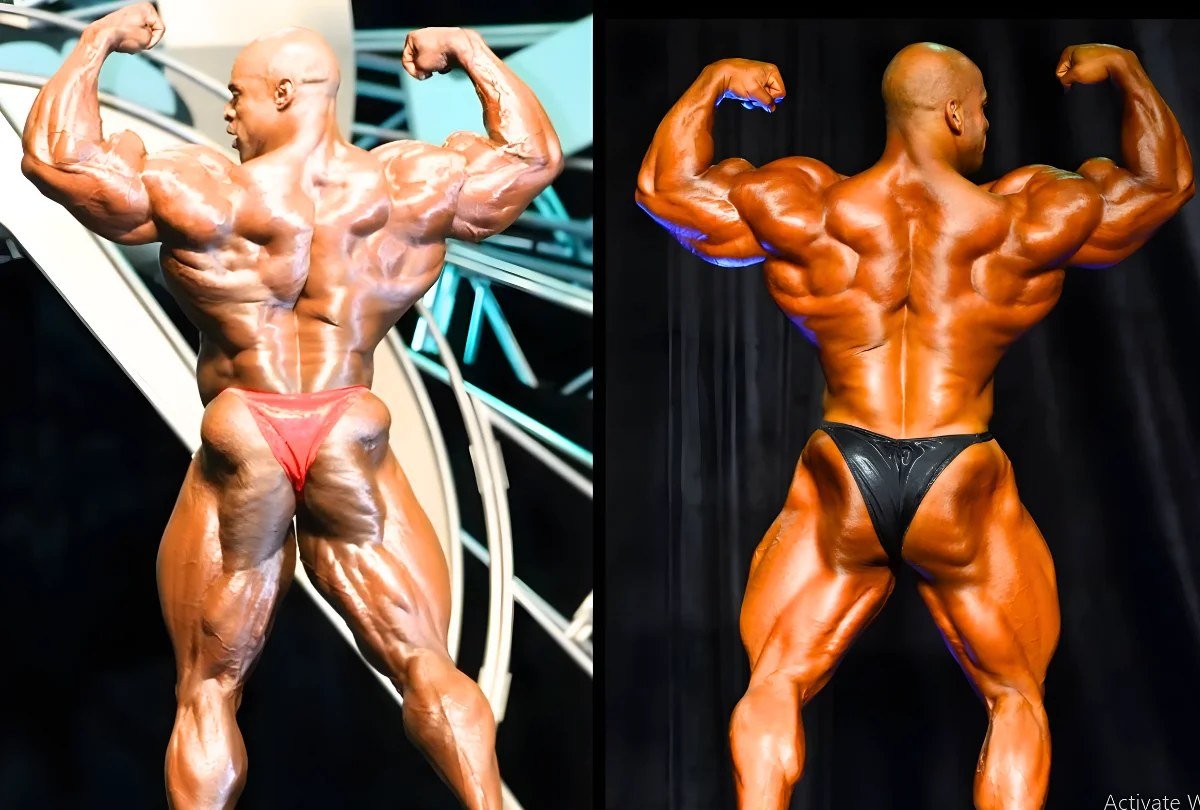
The numbers tell the era gap plainly. Coleman held the Olympia title for eight straight years; Ramy held it for two.
Coleman’s 26 professional wins also dwarf Ramy’s shorter win list — but Ramy reached the summit far faster, winning on his pro debut.
Their endings differ too. Coleman’s reign ended on stage, beaten by Cutler in 2006 and fourth in his farewell Olympia in 2007.
Ramy’s time at the top faded more gradually: fifth in 2022, a final contest in March 2023, and then years of comeback talk that never became a return.
Coleman himself has put his total at 13 surgeries since his career, and his present-day life is covered in the Now article linked above rather than repeated here.
For Coleman’s own journey from his early years to the top, see Ronnie Coleman’s Transformation Journey (2026).
Legacies and the 2026 Picture 🌟
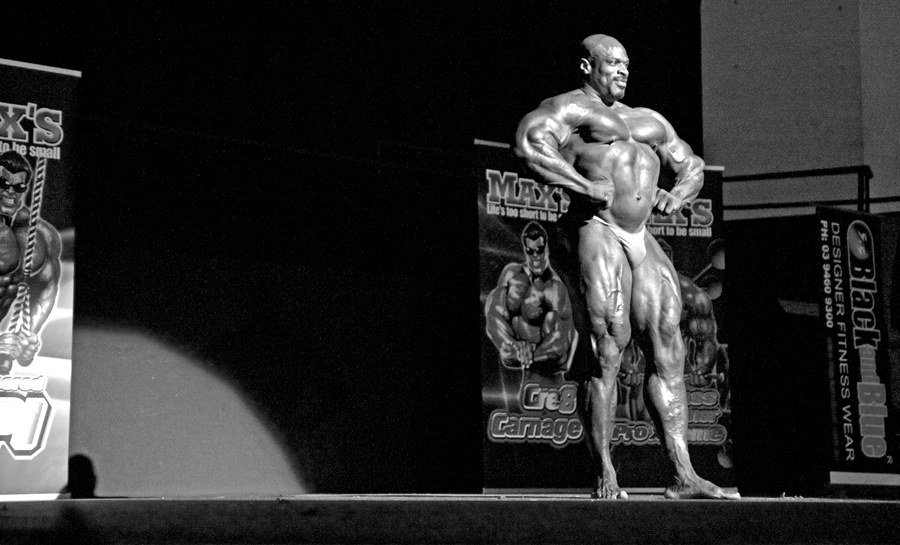
Coleman’s legacy is the record itself: eight straight Olympia titles, tied for the most ever, and a standard of mass plus conditioning that later champions are still measured against.
At 62 in 2026, he remains one of the sport’s most recognisable figures, and his famous “Yeah Buddy!” spirit still echoes through gyms worldwide. 😄
Ramy’s legacy is the breakthrough: the first Egyptian Mr. Olympia, a two-time champion, and proof that the sport’s summit was open to a new part of the world.
His story also shows how quickly eras turn — from debut winner in 2013 to champion in 2020, and then, within a few years, to a former champion watching from the sidelines.
Neither legacy needs a winner between them. They belong to different decades, and each changed what fans expected from the biggest man on stage.
Frequently Asked Questions ❓
Did Ronnie Coleman and Big Ramy ever compete against each other?
No. Coleman left the Olympia stage in 2007 and Ramy turned professional in 2013, so their careers never overlapped on stage.
Who won more Mr. Olympia titles?
Coleman won eight, from 1998 to 2005. Ramy won two, in 2020 and 2021.
Is Big Ramy retired?
He has not formally announced a retirement, but in an April 2026 interview he effectively ruled out a return, saying: “I don’t think I’ll be back. I think it’s enough and I’m looking to my business.”
When did each man last compete?
Coleman’s final Olympia was in 2007, when he placed fourth. Ramy’s last contest was the Arnold Classic in March 2023.
Why compare them at all, then?
Because fans love the question — and because comparing eras, rather than picking a winner, shows how the sport itself changed between Coleman’s reign and Ramy’s. 🏆