

Victor Richards and Ronnie Coleman are often talked about in the same breath. 🏋️
That is where the similarity ends, because their careers could hardly be more different.
One man built a record that can be checked, contest by contest. 📋
The other built a legend mostly out of size, guest posing and stories told in gyms.
This article separates what is verified from what is only claimed. It declares no winner, because the two men never met on an Olympia stage.
Two Men, Two Very Different Careers
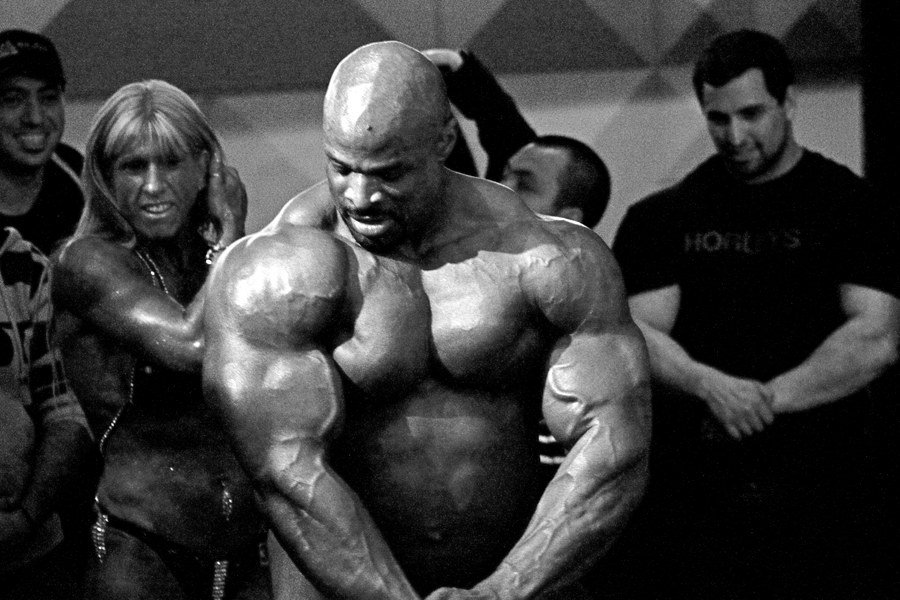
Ronnie Coleman is one of the most decorated bodybuilders in history. 🏆
Victor Richards is one of the most talked-about bodybuilders who never became a professional star.
That contrast is the whole story, and it is worth stating plainly before any comparison begins.
Coleman turned professional, won shows around the world and held the sport’s biggest title for eight straight years.
Richards won amateur titles, earned a professional card and then never entered a professional contest.
Fans still argue about what might have happened if he had. That argument is fun, but it is not a result.
Ronnie Coleman: A Record You Can Check
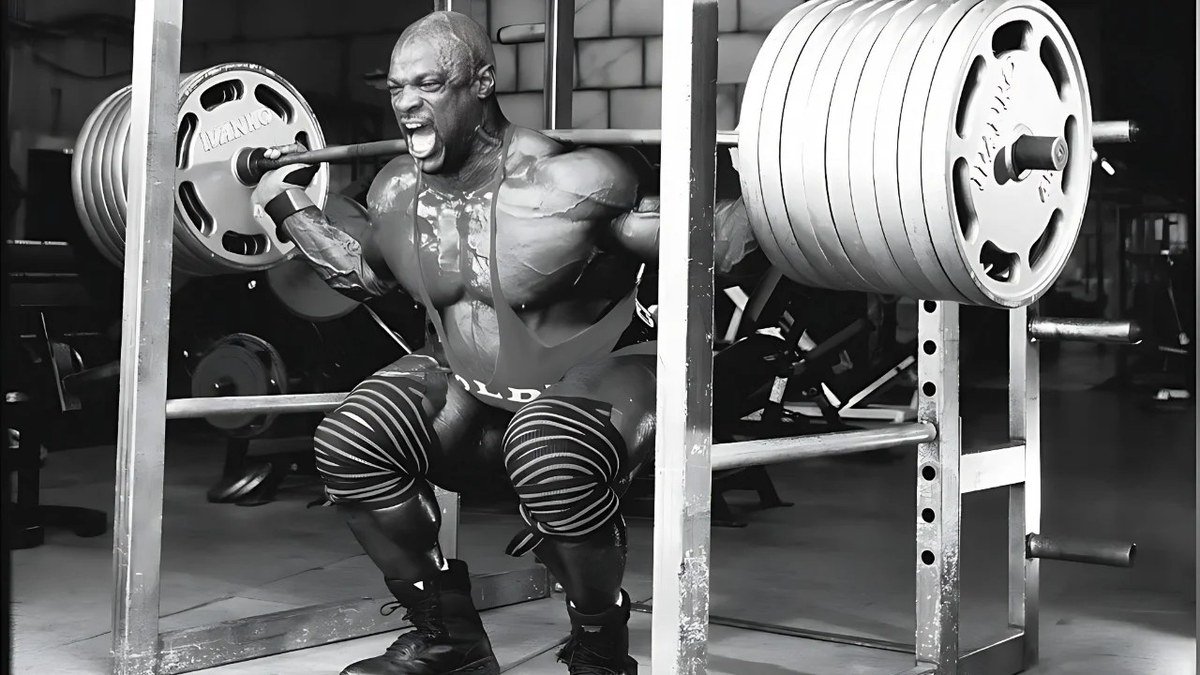
Coleman won the Mr. Olympia eight times in a row, from 1998 to 2005. 🥇
That run ties Lee Haney’s all-time record of eight Olympia titles.
He also won 26 professional titles in total, a record later passed by Dexter Jackson.
His reign ended in 2006, when Jay Cutler beat him for the title.
Coleman returned for one last Olympia in 2007 and finished fourth. That was his final Olympia appearance.
Before the Olympia run, he had already made history in Columbus, Ohio. 🇺🇸
In March 2001 he won the Arnold Classic in Columbus, becoming the first reigning Mr. Olympia to win that show.
The Arnold Classic in the United Kingdom is a separate event, and this article makes no claim about Coleman there.
The price of that career is also on the record. Since retiring, Coleman has said he has undergone 13 surgeries in total.
Those operations covered his back, neck and hips, and he now moves with crutches and a wheelchair for longer distances.
For his full story, see our Ronnie Coleman biography.
Victor Richards: A Record You Can Also Check
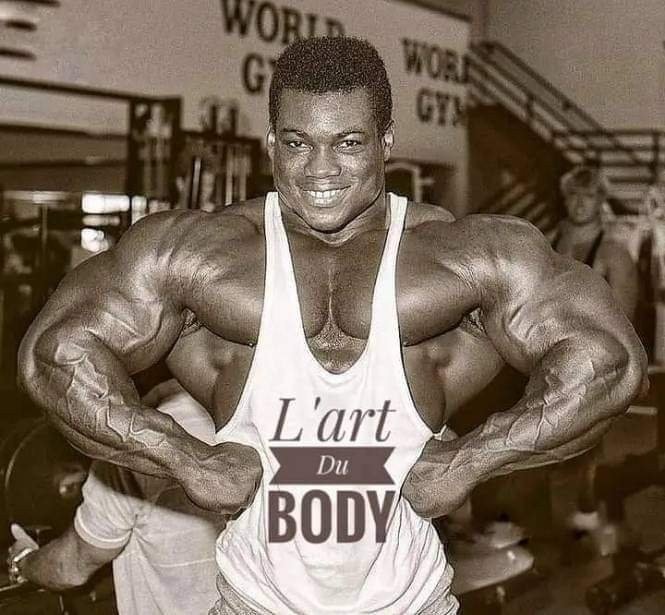
Richards never competed at the Mr. Olympia. That single fact clears up most of the myth. ❌
He never entered a professional show at all, despite holding a professional card.
His documented contest record is short, and it is all amateur. It runs from 1982 to 1992.
He finished second at the 1982 American Cup, then won the 1983 Teen Los Angeles title.
He won the 1984 California Gold Cup Classic, then returned to win Mr. Barbados in 1989.
His last contest win was the 1992 Nigerian Championships, which earned him his professional card.
After that, he did not compete again. He became famous instead through magazine features and guest posing.
In 1987, Muscle & Fitness featured him as the world’s largest bodybuilder, at over 300 pounds.
Writer Bill Dobbins later put his size at over 310 pounds, at 5 feet 10 inches tall.
Those are reported figures from magazine coverage, not official contest measurements.
Richards himself explained his choice in words often quoted since: “My goal is not to win trophies or the Mr. Olympia.”
For his background, see our Victor Richards diet and workout profile and Victor Richards, the massive antihero.
The Gym Lifts: Filmed Feats vs Unverified Claims
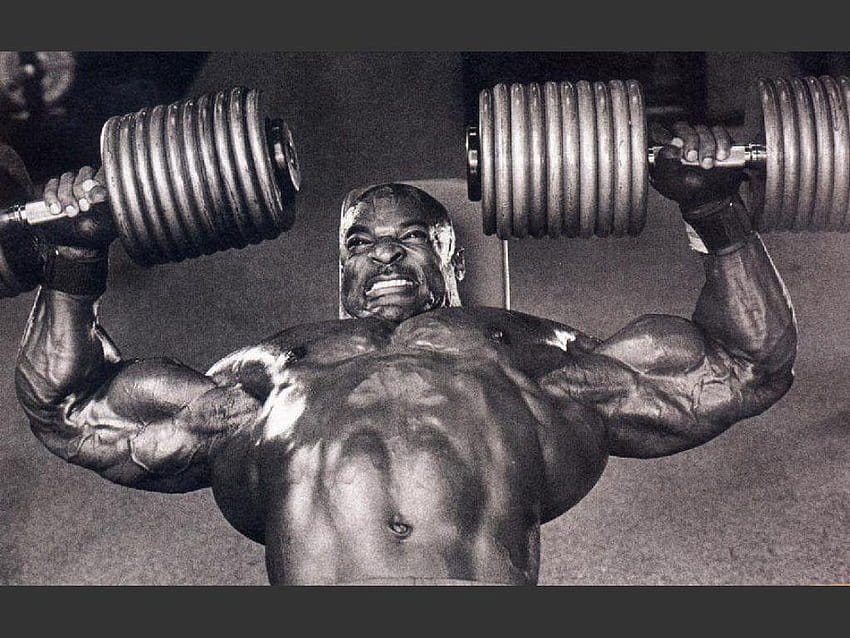
This is where the two stories split most sharply. One set of lifts was filmed. The other was only talked about. 🎥
Coleman’s famous training footage shows an 800-pound squat for two reps, filmed before the 2003 Olympia.
That squat was done in a squat suit and knee wraps, a detail the old article left out.
The same era of footage shows an 800-pound deadlift for two reps and a bench press of around 500 pounds for five reps.
He also pressed 200-pound dumbbells for 12 reps on the flat bench, and 200-pound dumbbells for five reps on the incline.
His heaviest-lifts list also includes a 315-pound military press and a 160-pound dumbbell shoulder press.
None of that makes him a competitive powerlifter. He never built his fame on a powerlifting platform.
It does mean his gym strength, unlike Richards’, can be watched rather than just repeated.
Richards’ claimed lifts, by contrast, have no such footage and no contest verification behind them.
The old article repeated a 650-pound bench press for five reps, a 900-pound squat for two reps without wraps, a 450-pound overhead press and 250-pound incline flies.
None of those numbers could be verified from a reliable source for this refresh, so none of them are repeated here as fact.
They survive only as gym-floor stories, and this article labels them exactly that: unverified claims, not records.
Comparing a filmed lift with an unverified claim is not a fair contest, and pretending otherwise would mislead readers.
Why They Never Met — and the Honest Verdict
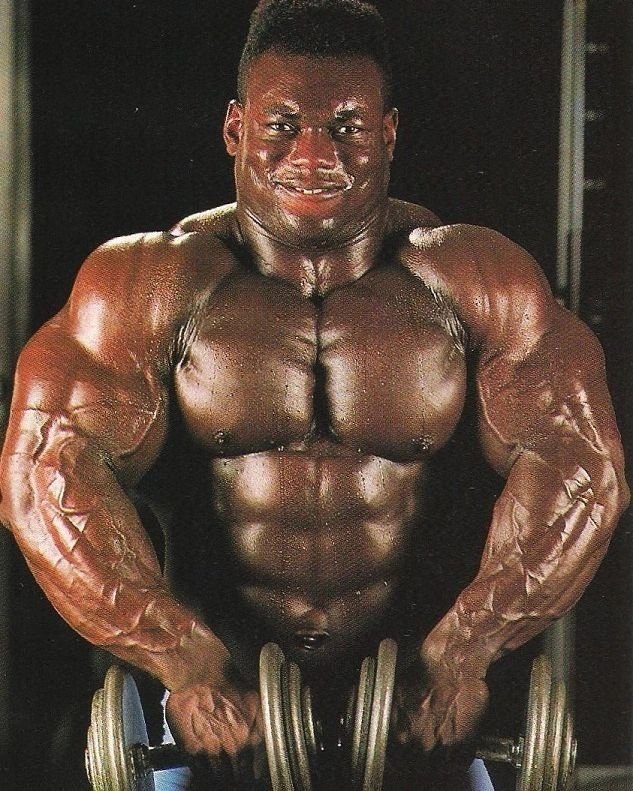
Richards and Coleman never stood on an Olympia stage together. There was no contest to judge. ⚖️
Richards had already stopped competing by the time Coleman won his first Olympia in 1998.
His last contest was in 1992, six years before Coleman’s reign even began.
So there is no scorecard, no head-to-head result and no winner to declare in this article.
What can be said is simpler, and it is enough. Coleman proved himself where it counts most in this sport: on stage, year after year.
Richards proved something different: that size and presence alone can make a bodybuilder unforgettable.
He is remembered because he looked extraordinary and walked away from the system that judges physiques.
That is a fascinating story, but it is not the same as beating an eight-time Mr. Olympia.
Enjoy the legend, by all means. Just do not mistake it for a result. 🏆
Quick questions
Did Victor Richards ever compete at the Mr. Olympia? No. He never entered a professional show, let alone the Olympia.
Did Richards ever beat Coleman? No. They never competed against each other, so no such result exists.
How many Mr. Olympias did Coleman win? Eight in a row, from 1998 to 2005, plus 26 professional wins in total.
Why is Richards still famous? Because of his extraordinary size in the 1980s and 1990s, his magazine fame and his decision to stay out of professional competition.
For another era-versus-era comparison, see Arnold vs Coleman: two eras, two legends.