

In December 2023, four-time Mr. Olympia Jay Cutler sat down and named one favourite exercise for each body part. 💪
It was a simple idea, and that is why it stuck. No long routine, no complicated split — just the single movement he would pick first for calves, legs, back, shoulders, chest, arms and abs.
This refresh keeps that list intact, restores the back pick the old article left out, and corrects the record where the old version went stale. It describes what Cutler picked and why, in his own framing — it is not a programme to follow, and it promises no physique result.
General information only: anyone trying these movements for the first time should get form guidance from a qualified coach, and check with a clinician before changing a training routine.
The Champion Behind the List 🏆
Cutler won the Mr. Olympia title four times, in 2006, 2007, 2009 and 2010. His first win ended Ronnie Coleman’s eight-year reign, and his 2009 win made history.
He had lost the title to Dexter Jackson in 2008, then beat the reigning champion to take it back in 2009. Cutler was the first man ever to regain the Mr. Olympia title after losing it.
That first is now shared history, not a solo record. Derek Lunsford became the second man to win the title back after losing it, in 2025 — so this article never calls Cutler the only man to do it. His full life story is covered in Jay Cutler’s biography.
He also won the Arnold Classic three years running, in 2002, 2003 and 2004, at the Columbus, Ohio event. No Arnold Classic UK result is claimed here, since his wins came at the Ohio contest.
By the time he recorded the video in late 2023, Cutler had been retired from competition for a decade. His last Olympia appearance had come in 2013, when he placed sixth.
Cutler’s 10 Picks at a Glance 📋
Calves: standing calf raise. Quads: squats. Hamstrings: stiff-legged deadlifts. Back: pull-ups. Shoulders: shoulder press.
Chest: bench press. Biceps: barbell curl. Triceps: dips. Forearms: wrist curls. Abs: hanging leg raises.
1. Calves: Standing Calf Raise 🦵
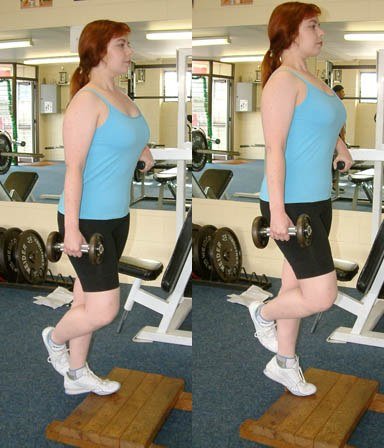
Cutler started at the bottom and worked up. For calves, his pick was the basic standing calf raise, done with a straight leg.
It was an easy call for him, since calves had always been one of his strongest body parts. The standing version was his single choice for the lower leg, full stop.
2. Quads: Squats 🏋️
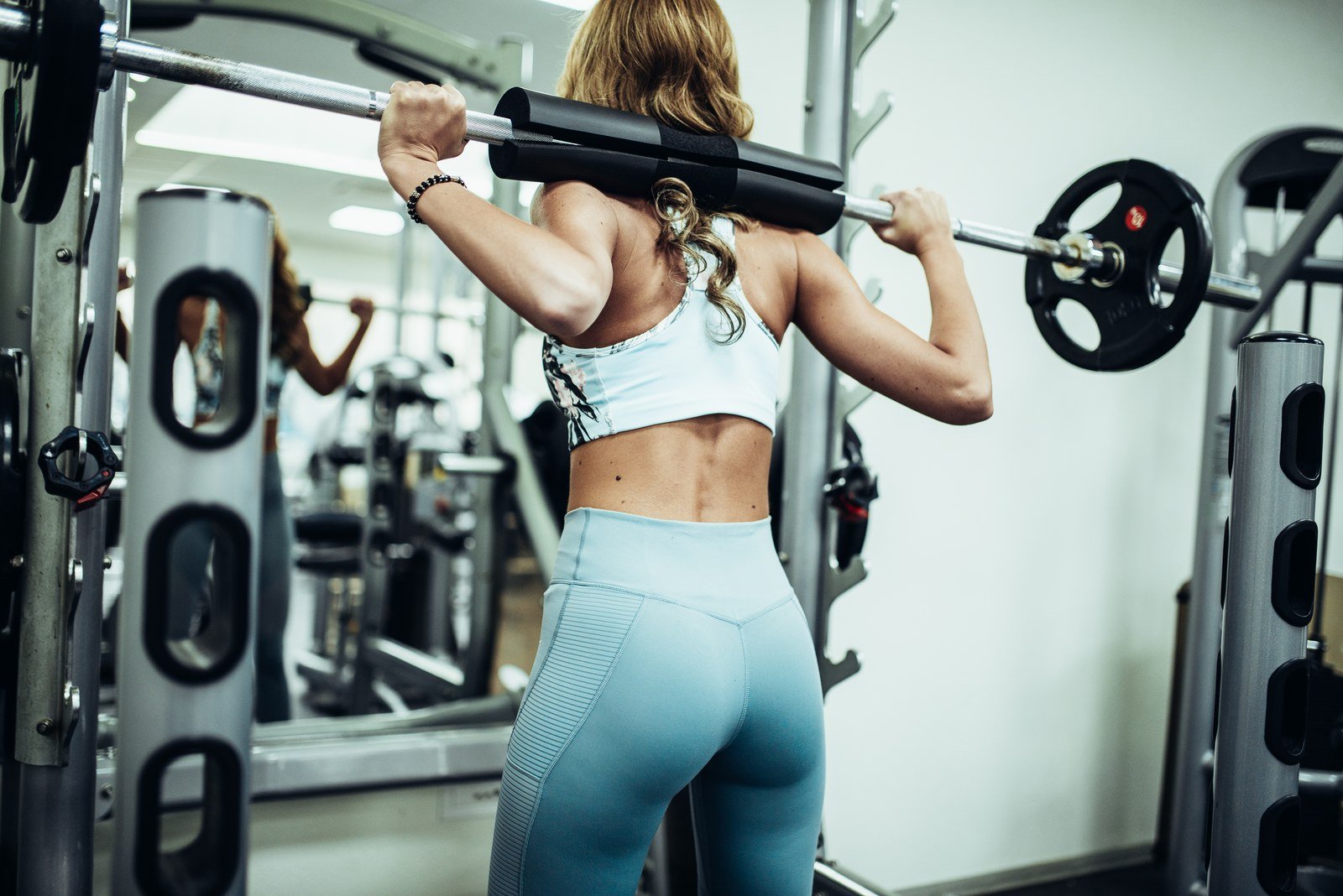
Moving up to quads, Cutler picked the squat — and he described going very heavy on it. It was the old standard, and he treated it that way.
For a man famous for his quad development, including the celebrated quad stomp pose from 2009, the choice surprised nobody. His deeper leg work is covered in Jay Cutler’s leg workout guide.
3. Hamstrings: Stiff-Legged Deadlifts 🏋️
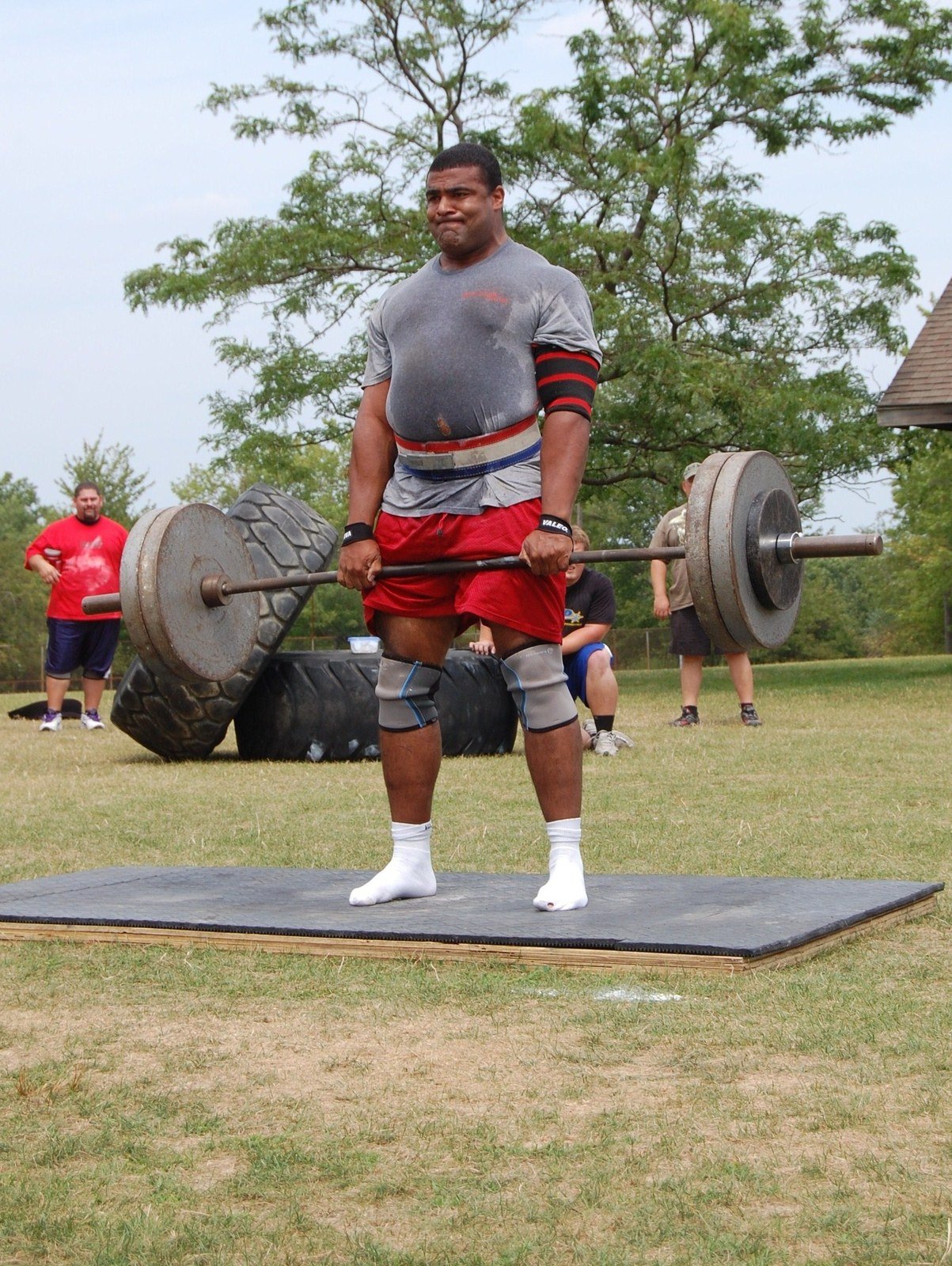
For hamstrings, Cutler picked stiff-legged deadlifts, with either a barbell or dumbbells. The photo above shows a barbell deadlift at lockout; his pick is the stiff-legged version, where the legs stay straighter than in a conventional pull.
The appeal, in his framing, was simplicity. One hinge movement, done with a straight-ish leg, covered the back of the thigh without needing a machine.
4. Back: Pull-Ups 🦅
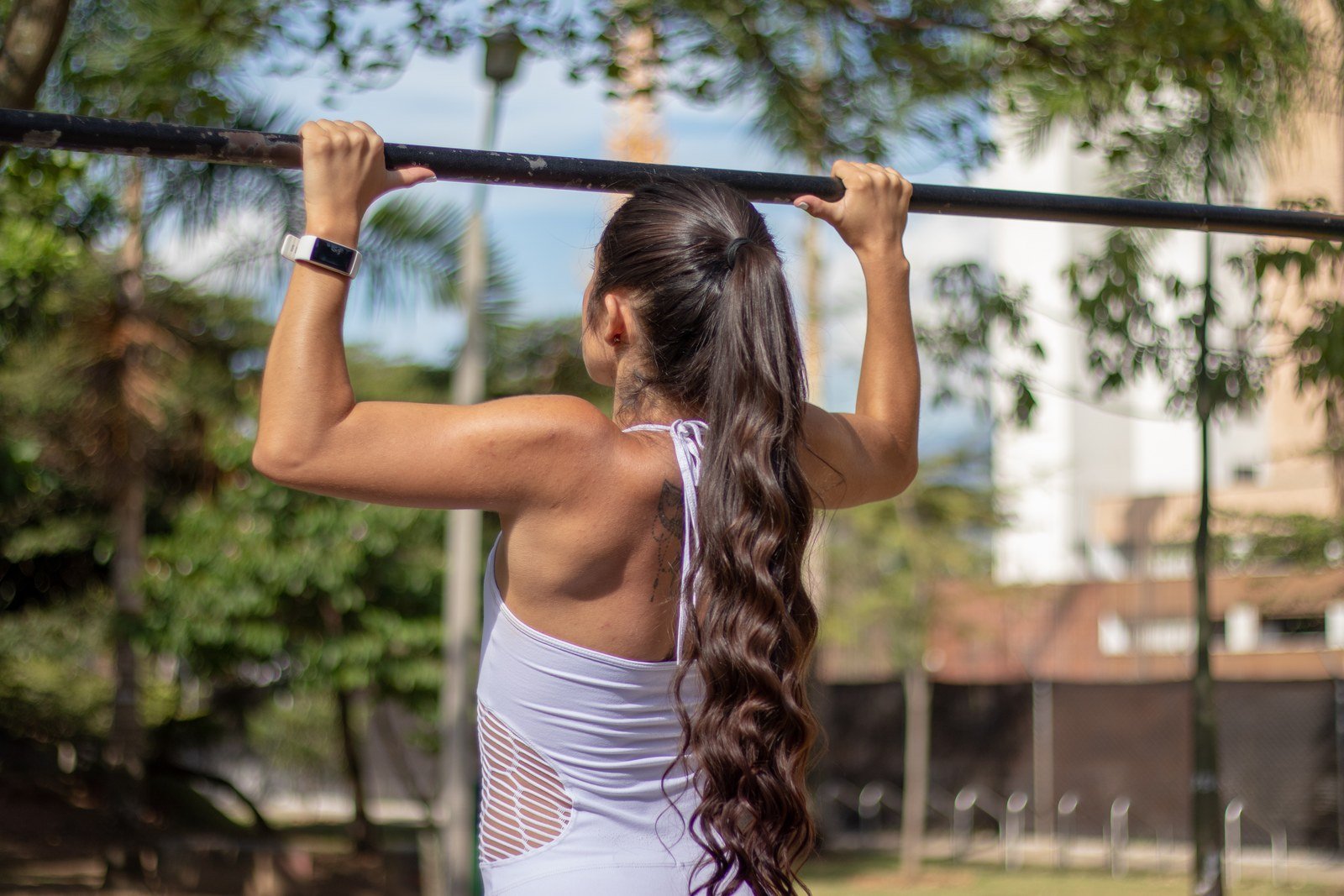
Cutler’s back pick was the pull-up, which he linked to the wide V-taper look he was known for. This is the pick the old article dropped entirely — it is restored here.
This section deliberately stays short on back detail. His dedicated lat work is covered in full in Jay Cutler’s top 3 exercises for sculpting monumental lats, and this post does not repeat that guide’s three exercises.
Two further Cutler back pieces stand on their own and are not duplicated here either: his 7 exercises for a thick, muscular back and his incline-rows back guide.
5. Shoulders: Shoulder Press 💪
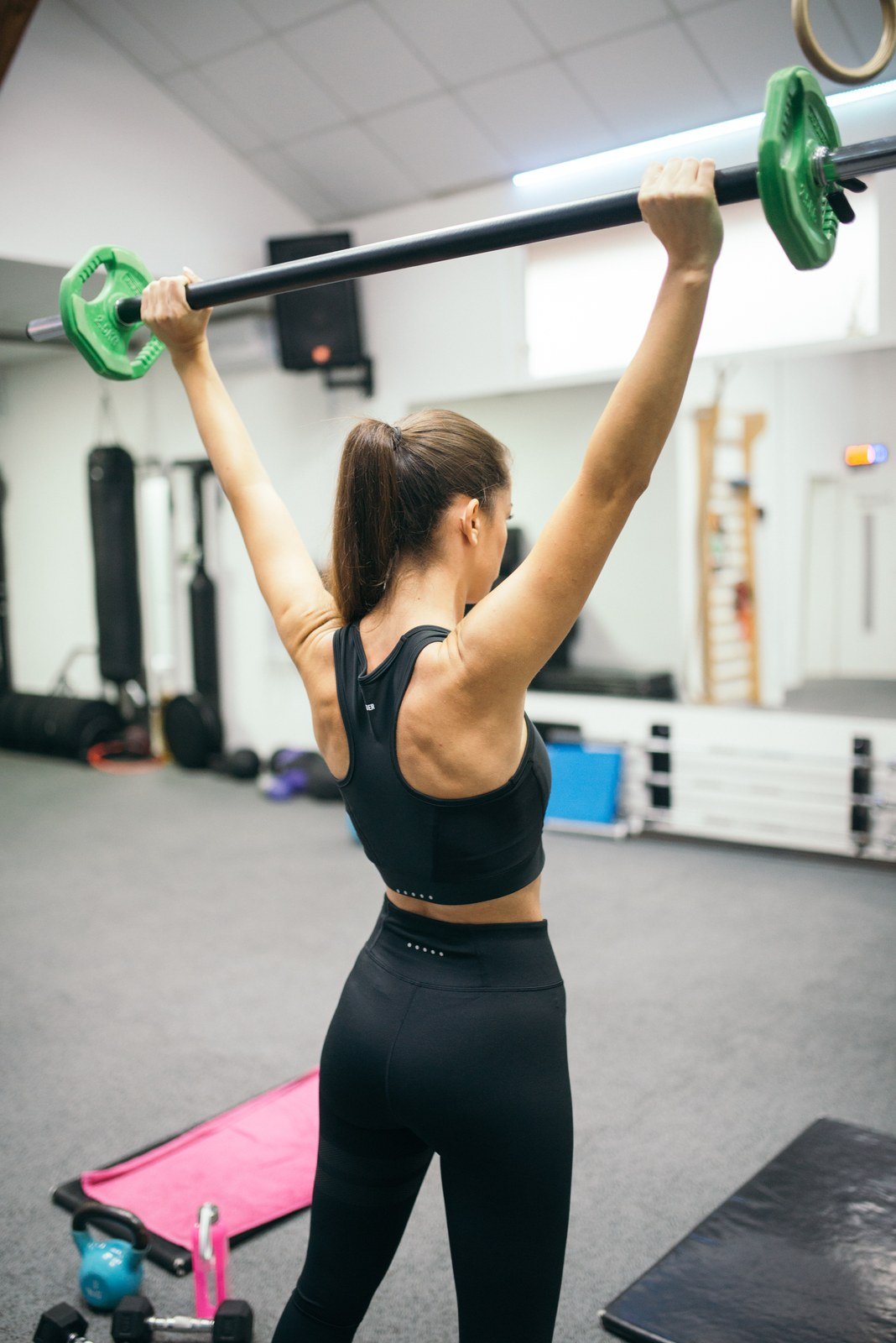
For shoulders, Cutler picked the shoulder press in any of its forms — barbell, dumbbell, machine or Smith machine. The tool mattered less to him than the movement itself.
That flexibility was the point. Whether he pressed with free weights or a machine, the overhead press was the shoulder movement he would not drop. His fuller shoulder work is covered in Jay Cutler’s shoulder-building workout.
6. Chest: Bench Press 🏋️
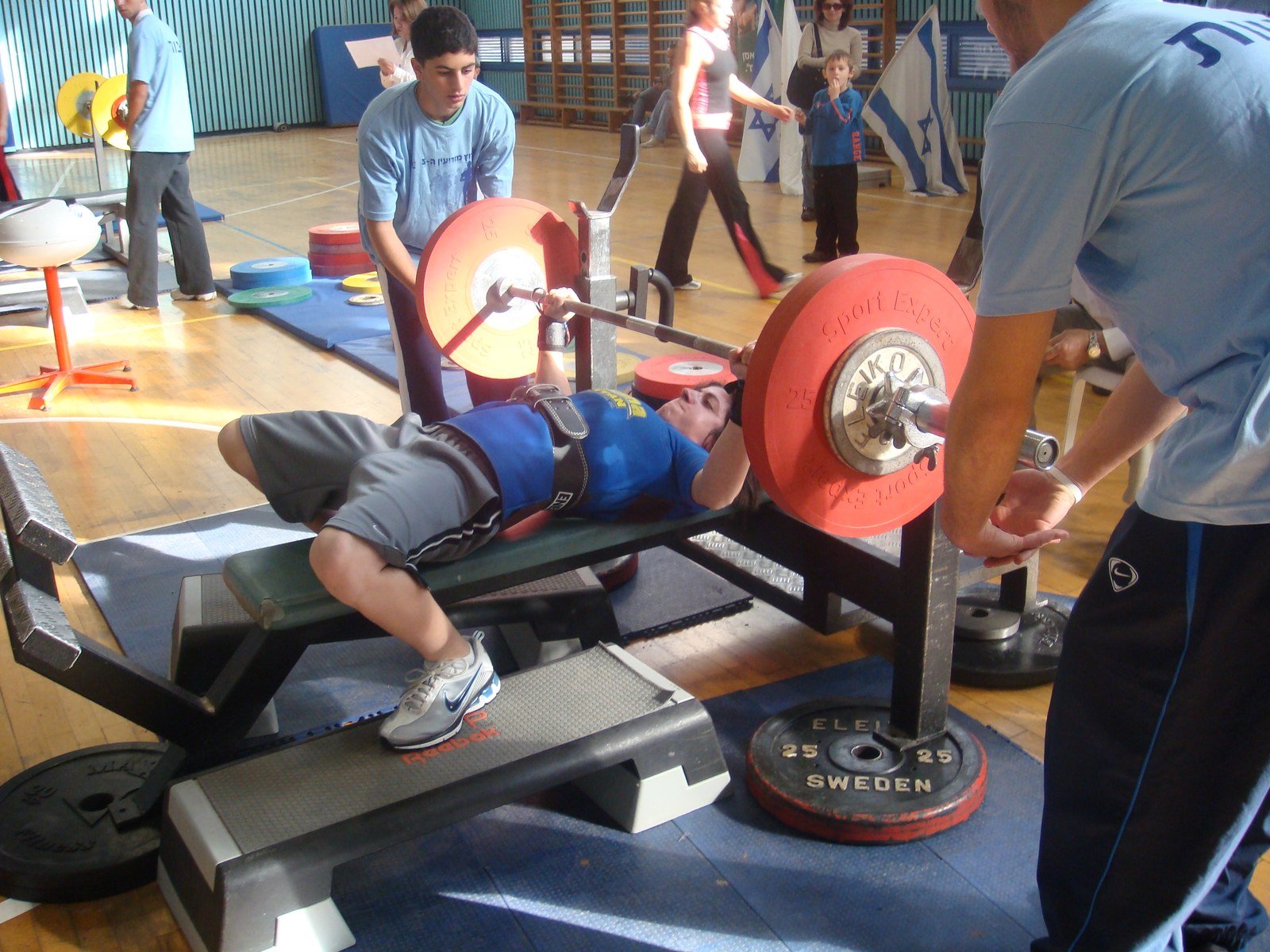
For chest, Cutler picked the basic bench press — then added a twist. He said he did not focus much on barbell work, and leaned more toward dumbbell movements for chest.
So the pick is the bench press pattern itself, with dumbbells as his preferred way of doing it. The photo above shows the barbell version of that same pressing pattern.
7. Biceps: Barbell Curl 💪
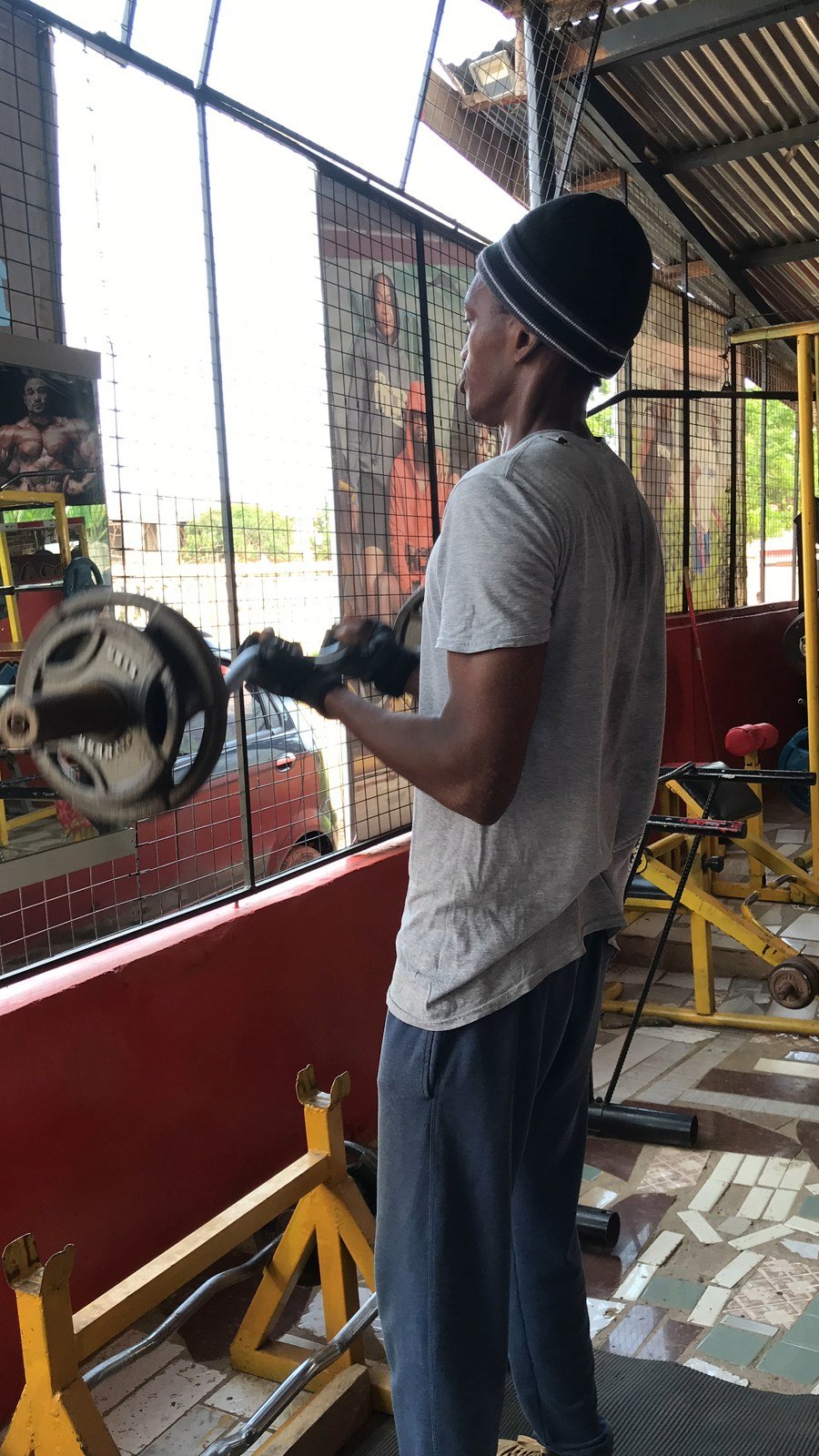
For biceps, Cutler kept it classic: the standard barbell curl, whether with a straight bar or a cambered bar. In his view, that one exercise built the arms more than anything else.
There was no complicated biceps menu in his list. One curl, done well, was the whole pick — a fitting choice for a man whose arms measured among the biggest of his era.
8. Triceps: Dips 🙌
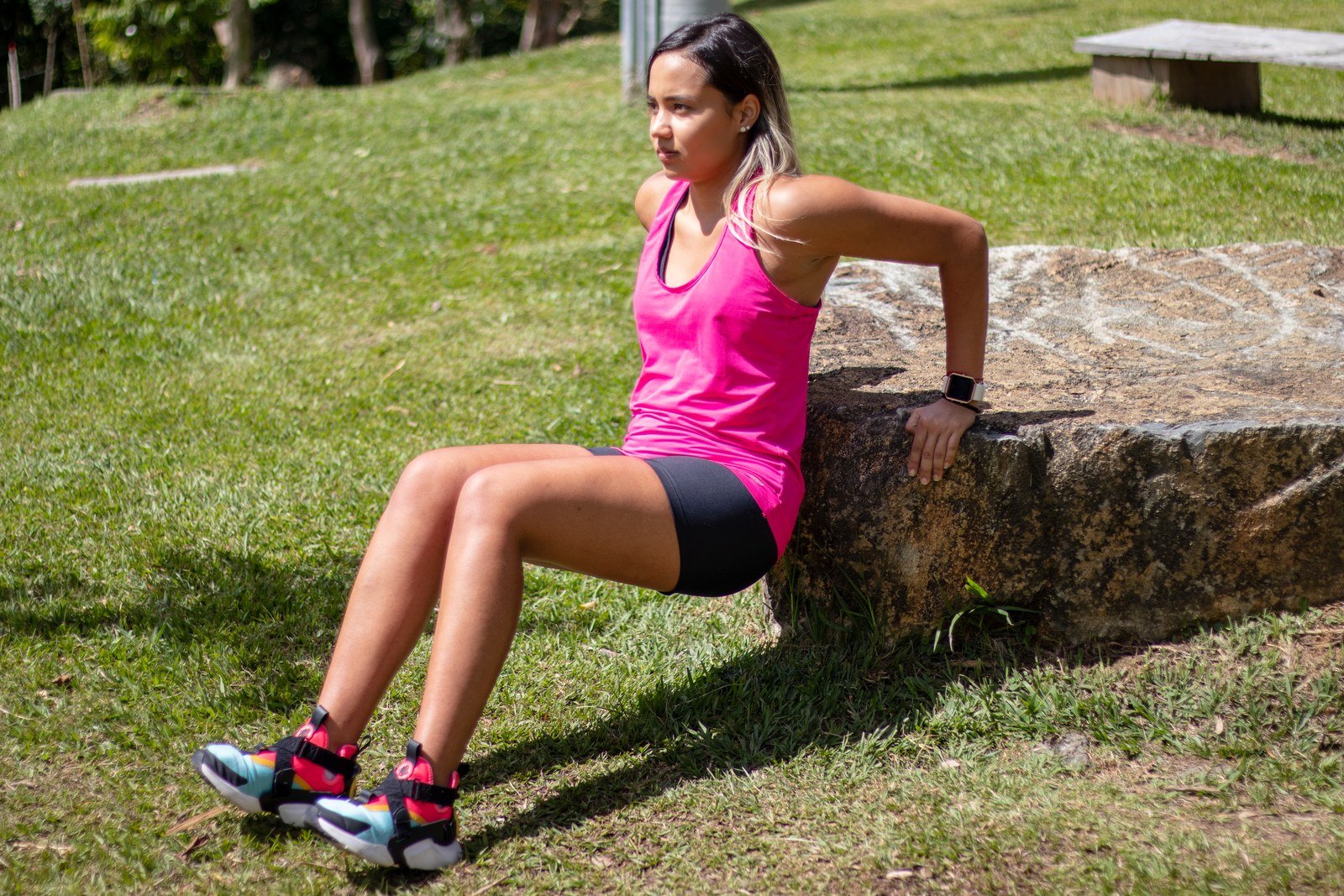
For triceps, Cutler picked dips. He pointed to gymnasts as his illustration, noting their striking triceps development from ring work, and valued the dip as a lockout movement for the triceps.
That lockout — the top of the movement, where the arms straighten fully — was what sold it to him. The photo above shows the dip pattern done off a low platform rather than parallel bars.
9. Forearms: Wrist Curls ✊
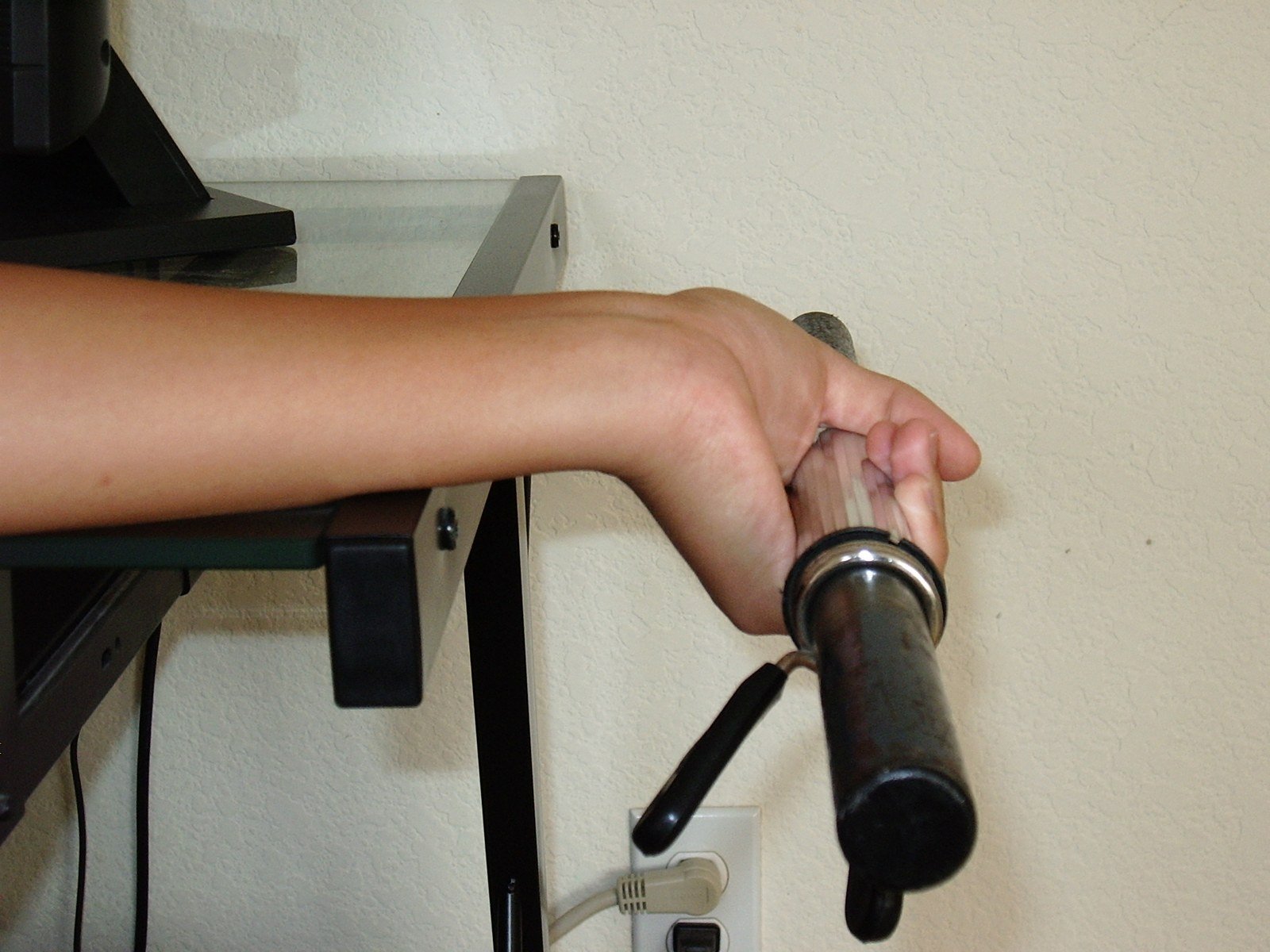
Cutler did not leave forearms out. His pick was wrist curls, chosen to match the forearms to the biceps above them.
His reasoning was about balance. Big biceps, in his framing, needed forearms to match — and the humble wrist curl was the movement he named for that job.
10. Abs: Hanging Leg Raises 🎯
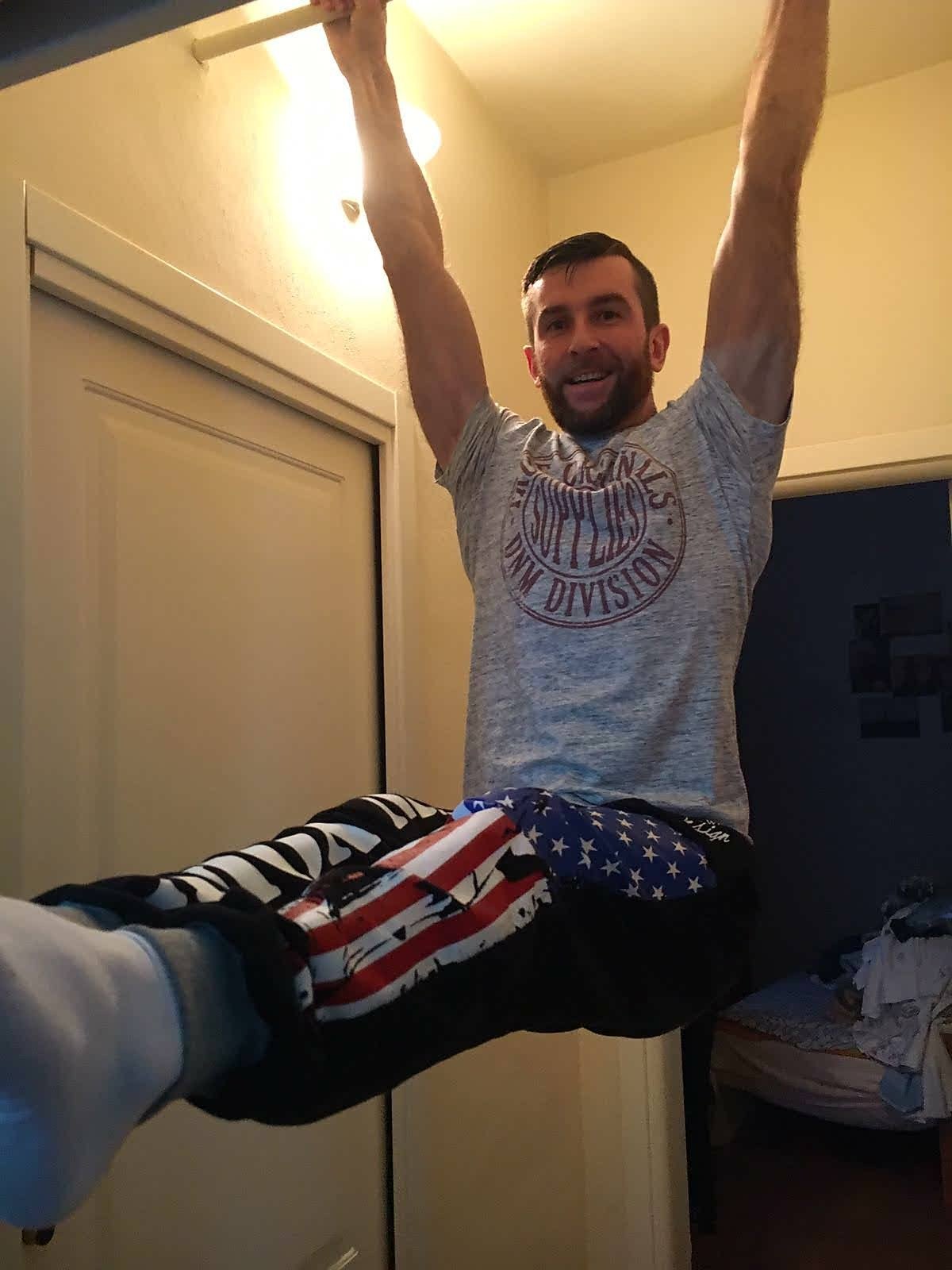
Finally, for abs, Cutler picked hanging leg raises. He felt they worked the core deeper than floor-based work and helped build a well-defined abdominal wall.
It was a fitting end to the list: the last pick needed no machine and no weights at all, just a bar to hang from and the discipline to raise the legs under control.
What Tied the List Together 🧠
Looked at as a whole, Cutler’s list is strikingly old-school. Every pick is a basic movement, and none of them needs a complicated machine to perform.
That fits the training style he was known for across his career: high-volume work built around feeling the muscle, not chasing novelty. His pump philosophy from the same period — hydration, food intake and repetitions — is covered in his blueprint for the perfect pump.
The list also shows what he valued most: movements that could be loaded, repeated and judged by feel over years. Nothing here was new in 2023, and that was exactly the point — these were the exercises that had survived his whole career.
Frequently Asked Questions ❓
Did Cutler really pick only one exercise per body part?
Yes, in this video round-up he named a single favourite for each area. That does not mean he trained with only ten exercises — his full routines were far bigger — but these were his first picks.
Why is the back section shorter than the rest?
Because his back work already has its own dedicated guides on this site. This post names his back pick, pull-ups, and points readers to the full lat guide instead of repeating it.
Is this a workout plan to follow?
No. This is a historical look at what a retired champion said he favoured in December 2023. It is general information, not a programme, and it carries no guarantee of any result.
How many Mr. Olympia titles did Jay Cutler win?
Four: 2006, 2007, 2009 and 2010. He was the first man to regain the title after losing it, in 2009; Derek Lunsford became the second in 2025.
Cutler’s story is one of patience as much as size. He spent years finishing second, then won, lost, and won again — and the ten exercises above are the ones he still pointed to when the career was done. 🏆