

In December 2023, four-time Mr. Olympia Jay Cutler summed up his approach to the muscle pump in three simple parts. 💪
He was not describing a new contest prep or a comeback. He was looking back on what had worked for him across a long career at the top.
This refresh keeps that history intact, and corrects the old article where it overstated the record. It is a look back at Cutler’s method, not a plan for anyone else to follow.
The Champion Behind the Blueprint 🏆
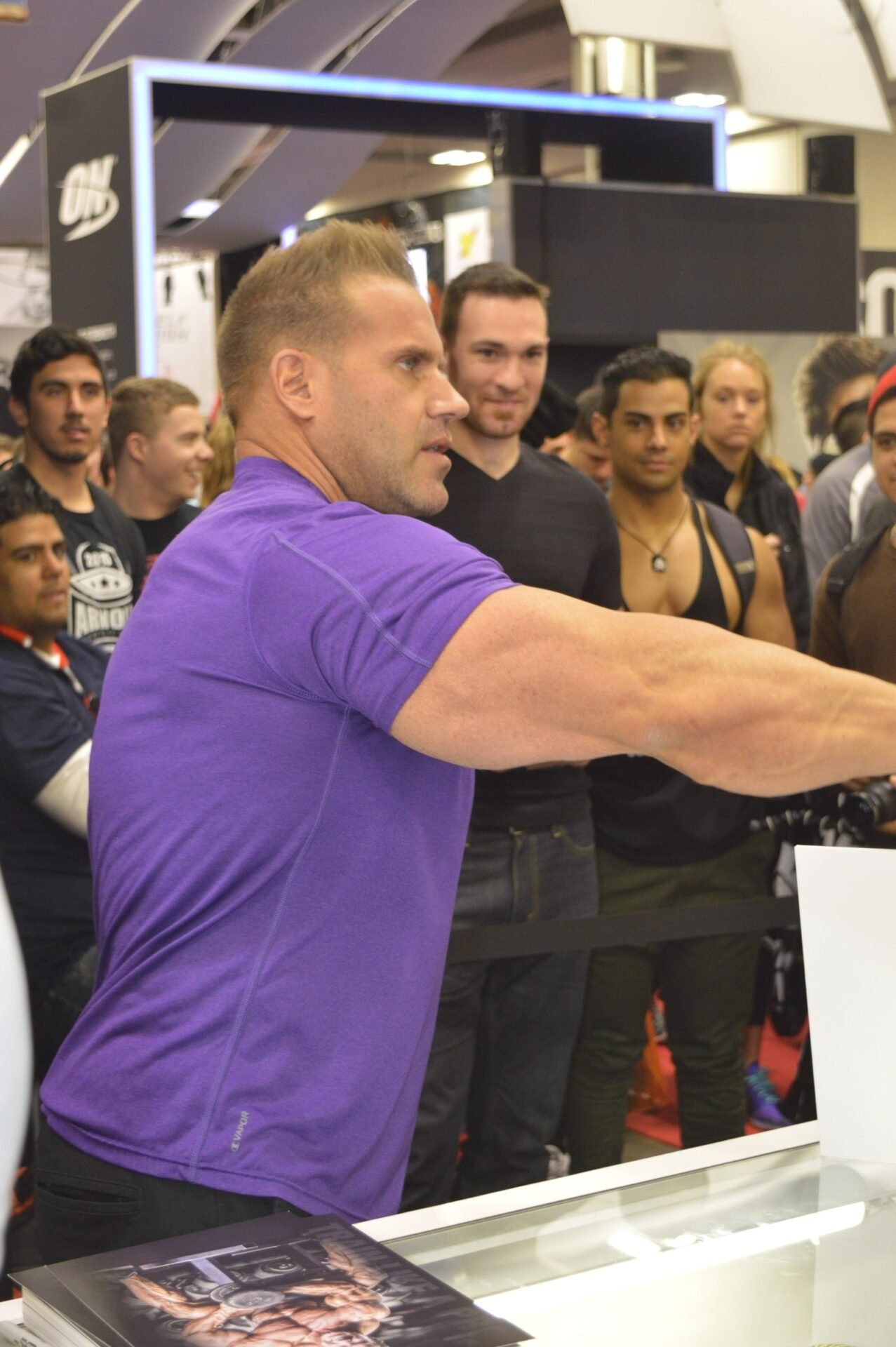
Photo: Paula R. Lively / Wikimedia Commons
Cutler won the Mr. Olympia title four times, in 2006, 2007, 2009 and 2010. That run alone puts him among the most successful champions the contest has seen.
His first win in 2006 ended Ronnie Coleman’s eight-year reign at the top. He then lost the title to Dexter Jackson in 2008, before winning it back in 2009.
That comeback made him the first man to lose the Mr. Olympia title and then win it back from the reigning champion. His full life story is covered in Jay Cutler’s biography.
By the time he spoke about the pump in late 2023, Cutler had been retired from competition for a decade. His last Olympia appearance had come in 2013, when he placed sixth.
Pillar One: Hydration First 💧
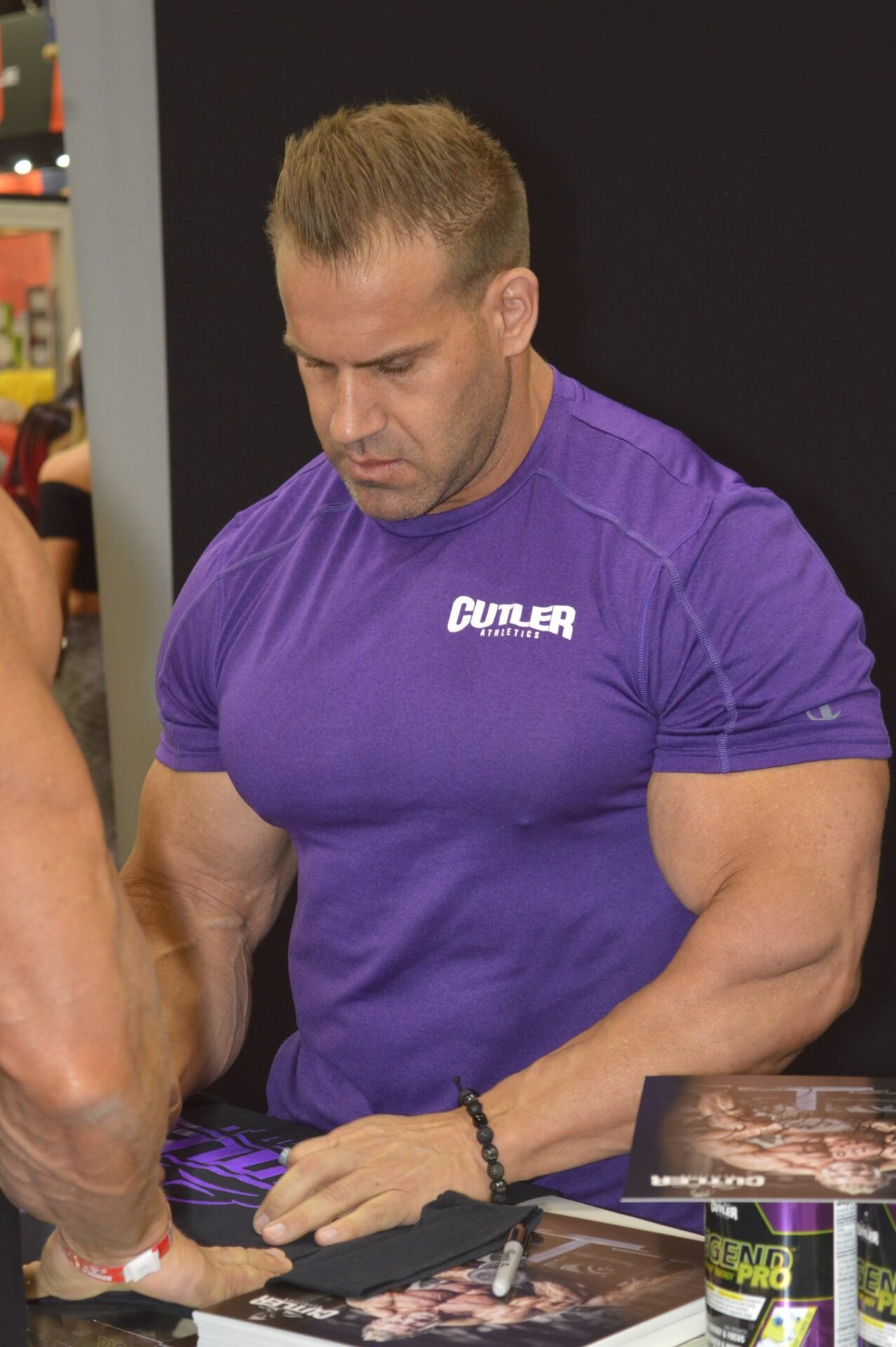
Photo: Paula R. Lively / Wikimedia Commons
Cutler put hydration at the very top of his list. In his own words: “The most important thing is hydration, number one.”
His reasoning, as he explained it, was straightforward. A well-hydrated body, in his view, set the stage for the blood flow behind a strong pump.
He stressed drinking plenty of water above everything else in this first pillar. That was the foundation the other two pillars were built on.
Pillar Two: Food Before Training 🍽️
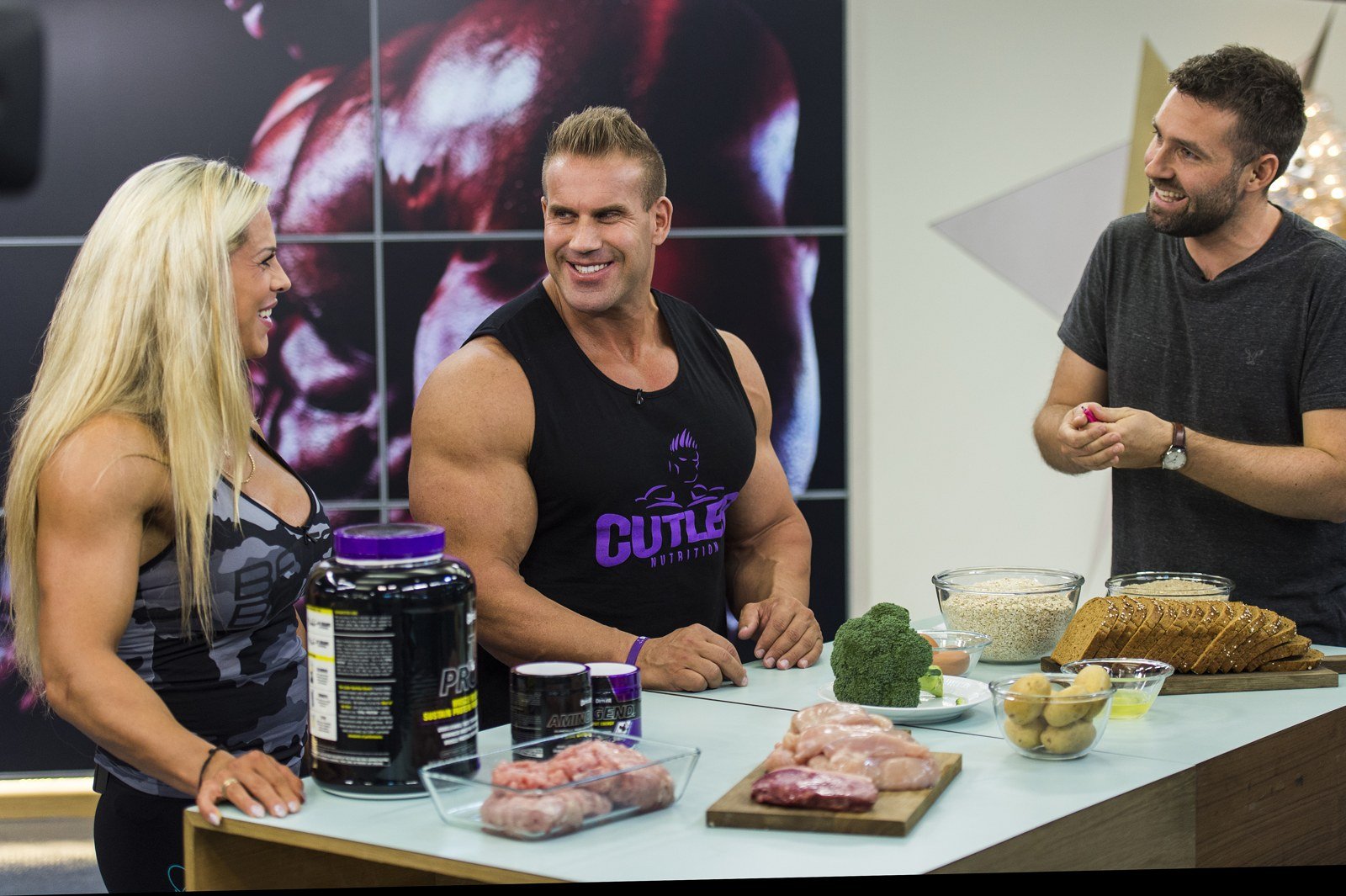
Photo: Morten Skovgaard / Wikimedia Commons
The second pillar was food intake, and especially its timing. Cutler said his best pumps came after eating several meals across the day before training.
He described four meals before a workout as the pattern behind his strongest sessions. A single morning meal, by contrast, left him feeling flat in the gym.
Carbohydrates were the key part of that picture in his account. He linked them to muscle glycogen, which he believed fed a fuller pump.
The point was fuel in the tank before the session started. Without it, he felt, even a good workout could fall short of its best pump.
Pillar Three: Repetitions and Short Rests 🏋️
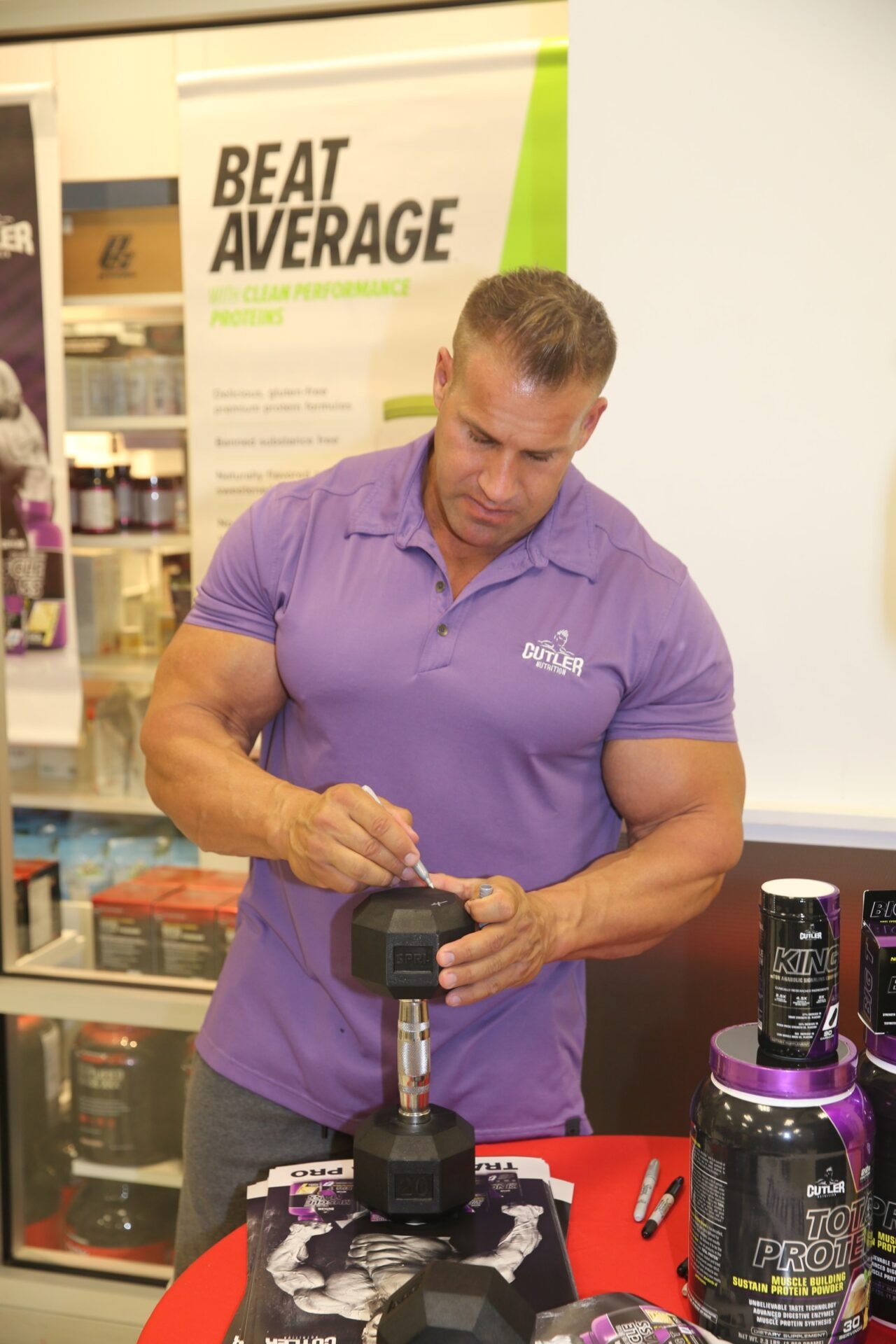
Photo: Cpl. Kate Seiler / Wikimedia Commons
The third pillar was repetitions. Cutler said most of his sets used eight or more reps, and he usually landed around 12.
That 12-rep rhythm was his signature across his career. It matched the volume style he had favoured for years, rather than very heavy, very low-rep work.
Rest mattered just as much in his telling. He kept breaks between sets to roughly 45 to 60 seconds, and warned against letting them drift longer.
The idea was steady, repeated effort with little wasted time. Each set built on the last, and the pump built with it.
Why the Pump Mattered So Much to Him ✨
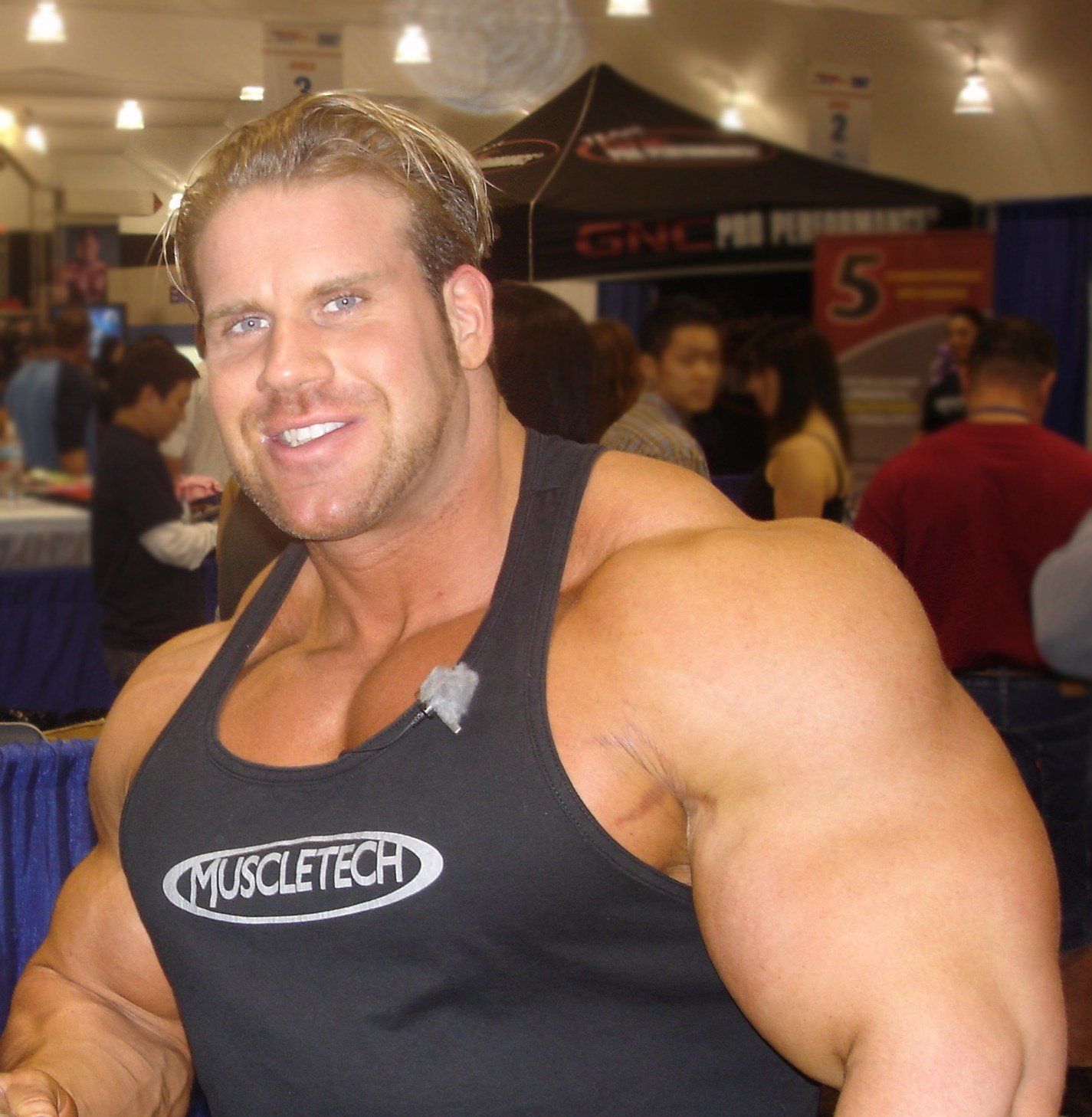
Photo: robbden / Wikimedia Commons
For Cutler, the pump was more than a feeling at the end of a session. He said: “I always judged the success of my workouts by how much I felt the pump.”
That sentence explains why the blueprint is so simple. Hydration, food and reps were not three separate tricks to him, but one connected routine.
Each pillar supported the next in his account. Water first, fuel before training, then controlled, repeated sets with short rests.
Rivalries shaped that era too, and the contest history around it is worth revisiting. Dorian Yates vs Ronnie Coleman and Derek Lunsford vs Phil Heath show how different champions chased the same top prize.
Big Ramy vs Chris Bumstead is another reminder of how much the Open division has changed since Cutler’s reign ended.
Cutler’s blueprint survives because it is easy to understand, even all these years later. It is a champion describing, in his own terms, what his training days felt like at their best.
That is the value of it now: a clear window into how one of bodybuilding’s greats thought about his craft, long after his last contest.