

Walk into almost any gym and you will find both of these setups waiting for leg day. 🏋️
They look alike at a glance, but they train you in different ways. One guides the bar for you, and the other leaves balance entirely in your hands.
This guide compares them side by side, so you can choose with clear eyes rather than gym habit.
The Smith Machine
A Smith machine holds a barbell on two steel rails, so the bar travels on a fixed, near-vertical path.
You can rack it at any point by twisting the bar into its hooks, which is why many lifters feel comfortable training alone on it.
That guided path also lets you place your feet further forward than a free squat allows, shifting more of the work onto the front of the thighs.
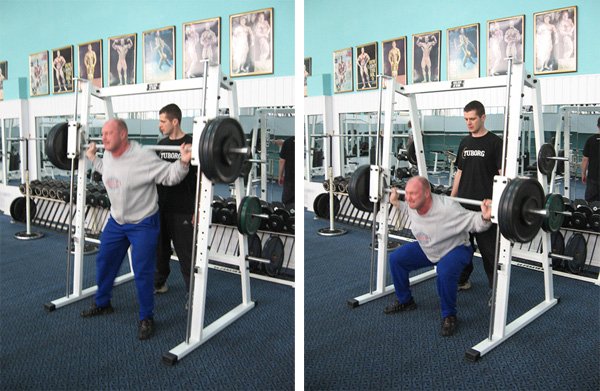
Because the machine steadies the bar, you spend less effort keeping it balanced and more on pushing through the legs.
For a fuller look at what the machine does well, see our guide to the 6 Benefits of the Smith Machine (2026).
The Squat Rack
A squat rack is a sturdy steel frame that holds a free barbell at shoulder height, ready for you to step under and lift.
Unlike the Smith machine, nothing guides the bar once you lift it off. You control it in every direction, which is the whole point.
Most racks also take safety bars or spotter arms, which catch the bar if a rep does not come back up.
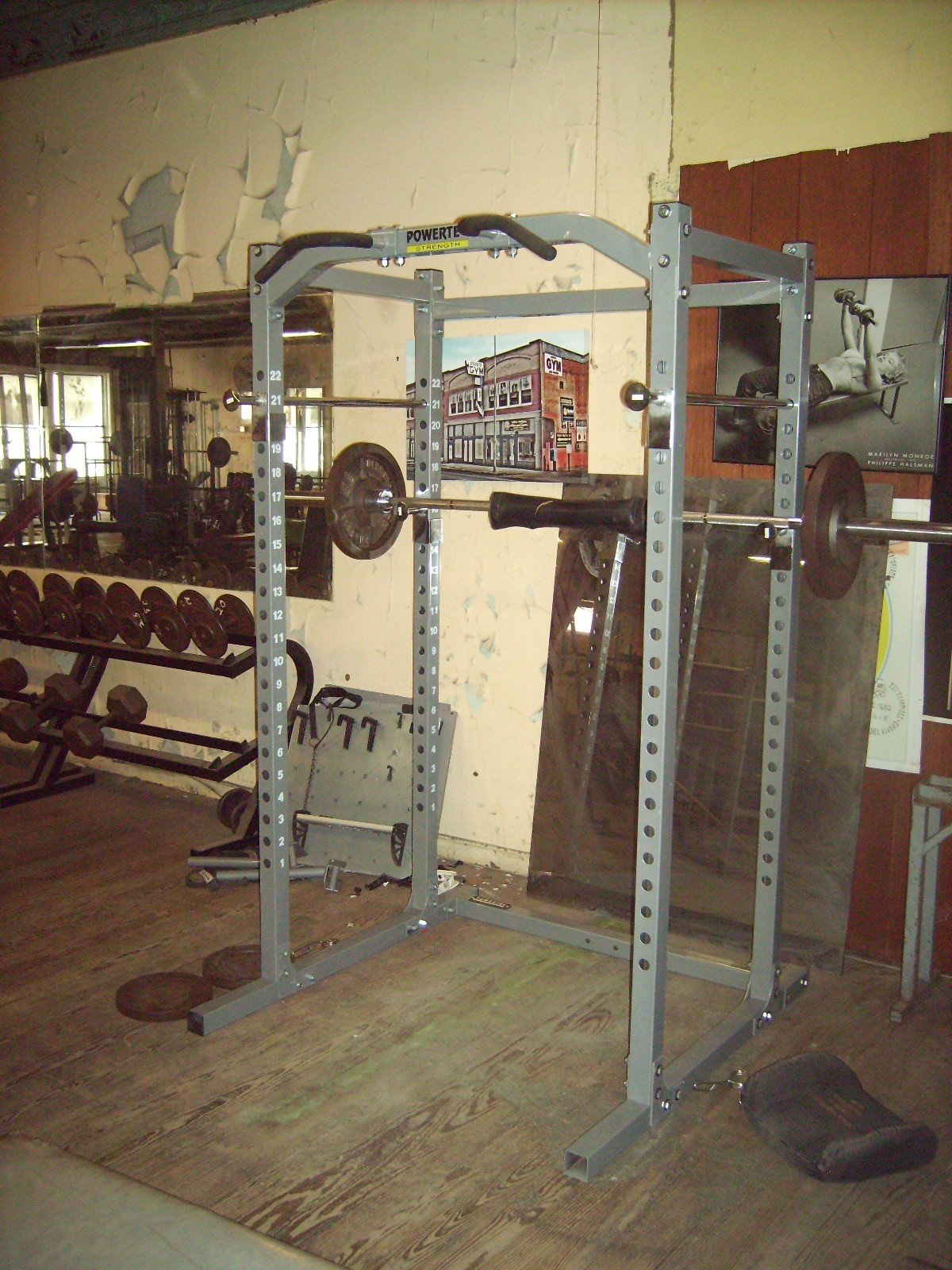
The rack is also the more flexible tool. Squats, presses, rows and more can all be done from the same frame, with the barbell you choose.
Fixed Path vs Free Bar: What Actually Changes
The core difference is simple. The Smith machine removes balance from the lift, while the rack demands it.
That trade shapes everything else. A fixed path can feel steadier and more focused on one muscle group, but it never asks your body to stabilise a load the way real life does.
A free bar is less forgiving, yet it trains coordination, core control and balance alongside leg strength. Neither quality is good or bad on its own — it depends on what you are training for.
What the Muscle Research Shows
A small laboratory study compared free-weight squats with Smith machine squats using muscle-activity sensors.
It found higher activity in the calf, hamstring and inner-thigh muscles during the free-weight squat, and higher overall muscle activity across the muscles measured.
Read that result with care. Only six trained lifters took part, so it is a hint about stabiliser demand, not a final verdict for every lifter.
The wider pattern still holds: free squats ask more of the muscles that keep you upright, while Smith squats let the main leg muscles do a larger share of the work undisturbed.
Staying Safe on Either Setup
On a Smith machine, learn the hook system before adding serious weight, and test the rack-and-release motion with a light bar first. 🔒
On a rack, set the safety bars just below the lowest point of your squat, so a missed rep lands on steel rather than on you.
Test that setup with an empty bar too. If the bars block your depth, they are too high; if a failed rep would fall past them, they are too low.
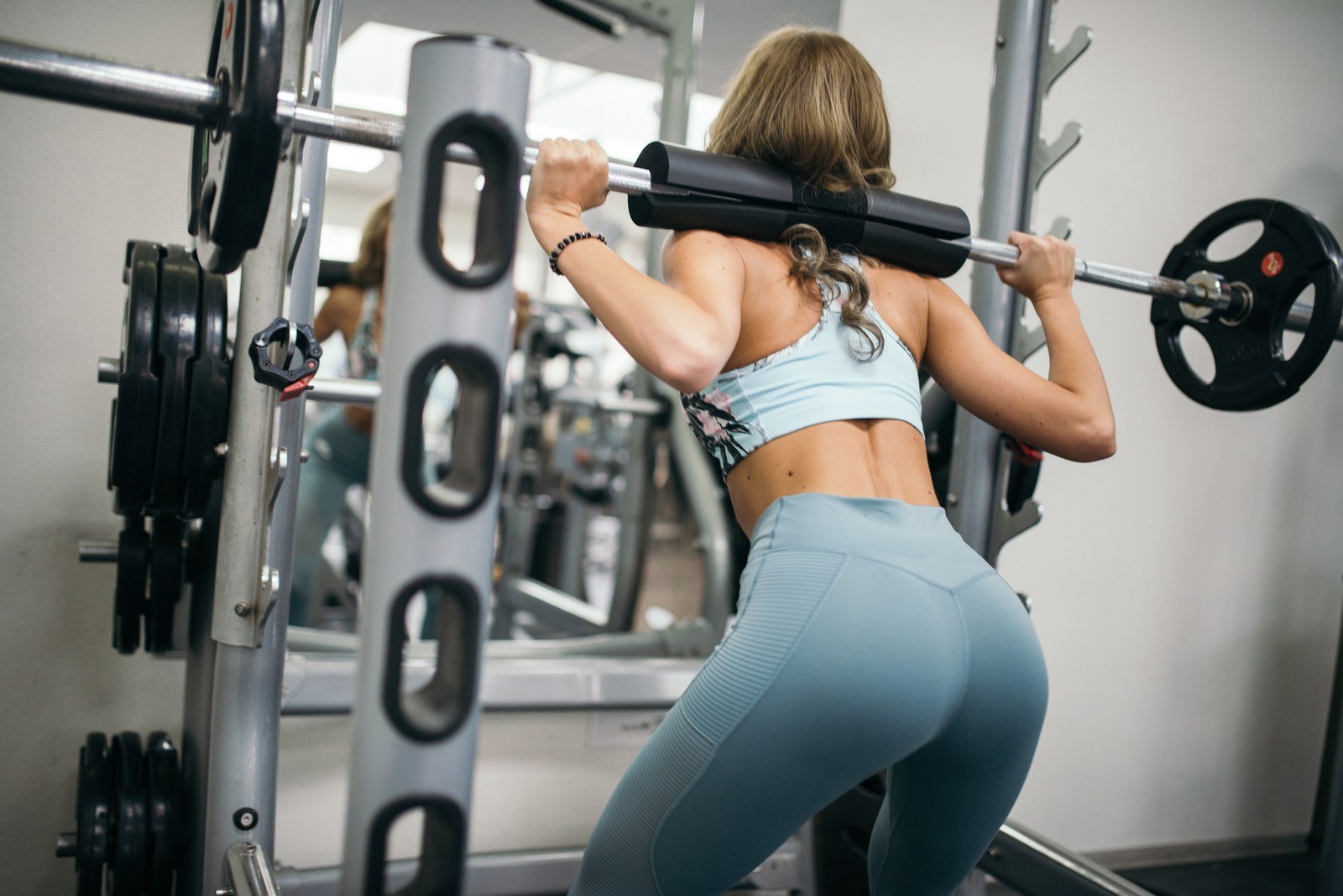
A spotter helps on either setup, especially when you are learning. And if anything hurts in a sharp or unusual way, stop and ask a qualified coach or clinician before pushing on.
Space and Home-Gym Fit
Smith machines are large, heavy units, and they need real floor space plus room to load plates on both sides.
A rack is usually slimmer, and a basic squat stand takes up even less room — though you still need clear space to step back and bail safely.
For a small garage or spare room, the rack is generally the easier fit. For a busy commercial gym, floor space matters less than how each station is used.
Who Each Setup Suits Best
The Smith machine suits lifters who want a controlled, steady squat, who train alone, or who want to focus hard on the thighs without balance limiting the set.
The rack suits lifters building all-round strength, athletes who need balance and coordination, and anyone who wants one frame for many barbell lifts.
Many experienced lifters use both. A rack for heavy free squats, and a Smith machine for focused follow-up work, is a perfectly sensible split.
At a Glance
Smith machine: fixed bar path, built-in racking, less balance demand, larger footprint, fewer exercises per station.
Squat rack: free bar path, needs safety bars set by you, higher balance and stabiliser demand, slimmer footprint, many exercises from one frame.
There is no single winner here. The better tool is the one that matches your goal, your space and your experience.
Frequently Asked Questions
Can beginners use a squat rack?
Yes, with light weights, safety bars set correctly, and ideally a coach showing the setup first. The Smith machine can feel friendlier at the very start, but it is not the only beginner option.
Is the Smith machine safer than a rack?
Its hooks make re-racking simple, which helps when training alone. A rack with well-set safety bars is also safe, so the real question is whether the safeties are set up and used properly.
Should I pick only one?
Not necessarily. If your gym has both, using each for what it does best often beats forcing one tool to do every job.
This article is general fitness information only, not personal training or medical advice. If you are returning from injury or managing a health condition, get direction from a qualified coach or clinician first. 💪