

Walk into most well-equipped gyms and you will spot it right away: a barbell locked between two steel rails, ready to slide up and down on a fixed path. 🏋️
That is the Smith machine. It is not a replacement for free weights, and it is not a magic shortcut — but for many lifters it is a genuinely useful tool.
Here are six honest benefits, plus the trade-offs worth knowing before you load it up. If you are still choosing between setups, our Smith Machine Vs Squat Rack comparison lays out the other side of the debate.
What Is a Smith Machine?
On a Smith machine, the barbell is fixed to vertical (sometimes slightly angled) rails, so it can only travel along that set path.
Most machines also have safety hooks or catches at several heights. Twist the bar and it locks in place, which is what makes re-racking mid-set possible.
That guided path is the source of nearly every benefit below — and nearly every drawback too.
6 Benefits of the Smith Machine
1. Easier to Start With 🌱
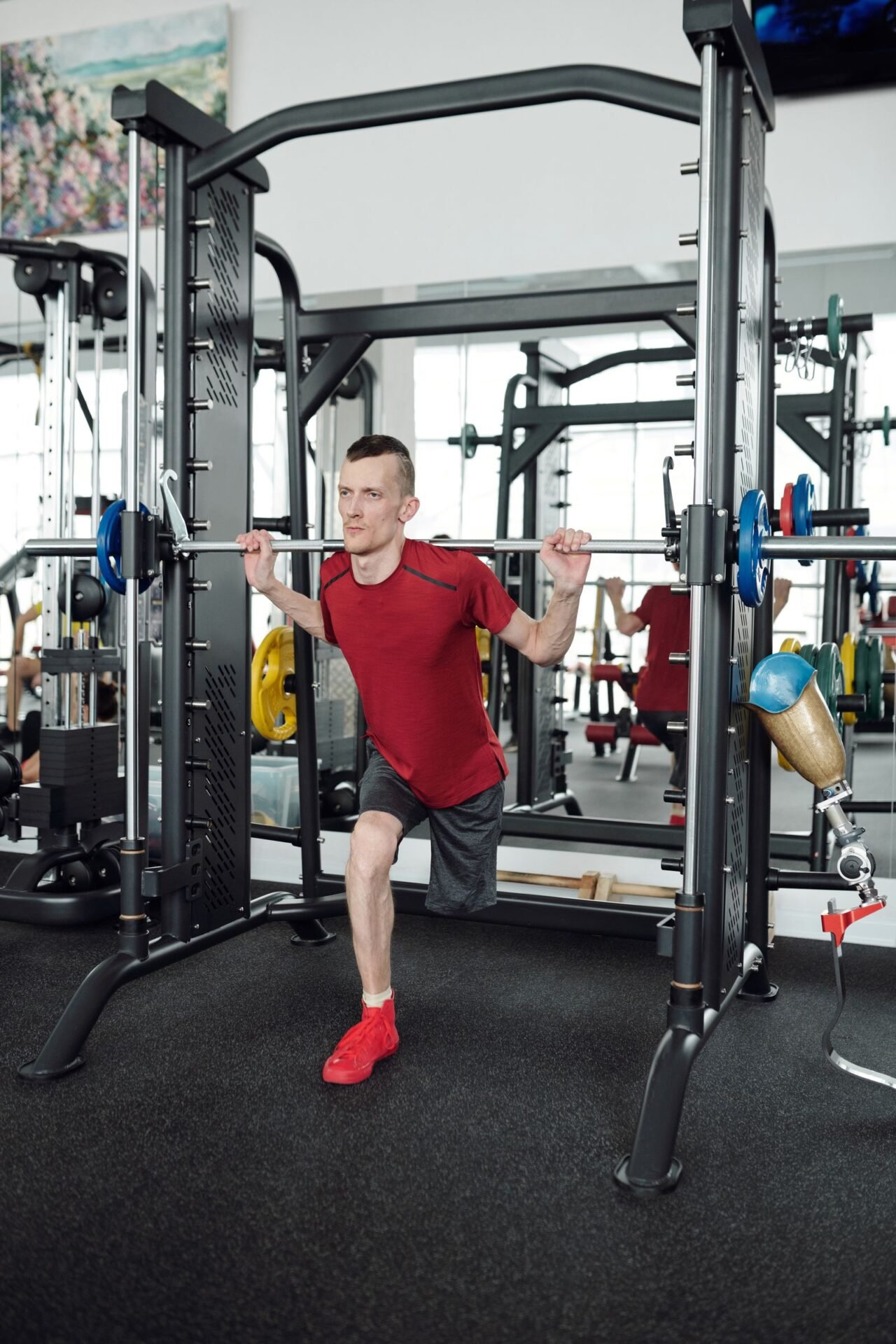
New lifters have a lot to think about at once: foot position, back position, bar control, and balance. The Smith machine takes one of those jobs away.
Because the bar cannot drift forwards or backwards, a beginner can focus on the basic squat or press pattern first. That simpler start is a real plus — as long as the weight stays light while form is learned.
It is still worth getting a coach or experienced lifter to check your setup once. A guided bar helps, but it cannot fix a poor stance on its own.
2. Built-In Stability, Less Balance to Manage ⚖️
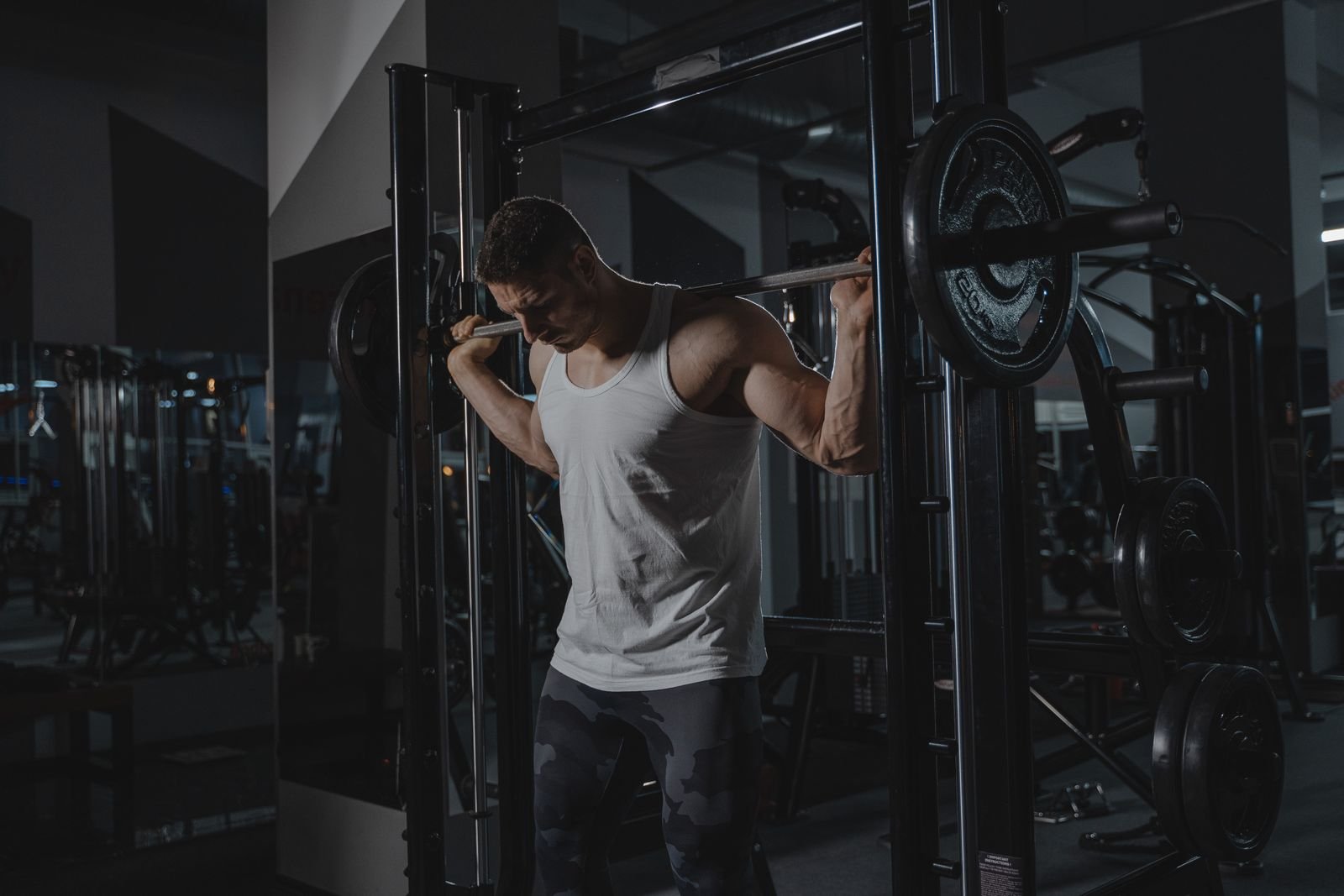
With free weights, you control the bar in every direction. On a Smith machine, the rails handle the sideways and front-to-back stability for you.
That can make heavy-feeling sets feel more controlled, especially on squats and presses. You can put more attention into driving with your legs or chest instead of steadying the bar.
The flip side matters too. Research comparing free-weight and Smith squats has found lower activity in some stabiliser muscles on the machine, so Smith work builds less balance carryover to everyday movement and sport.
3. Helps You Focus on the Target Muscles 🎯
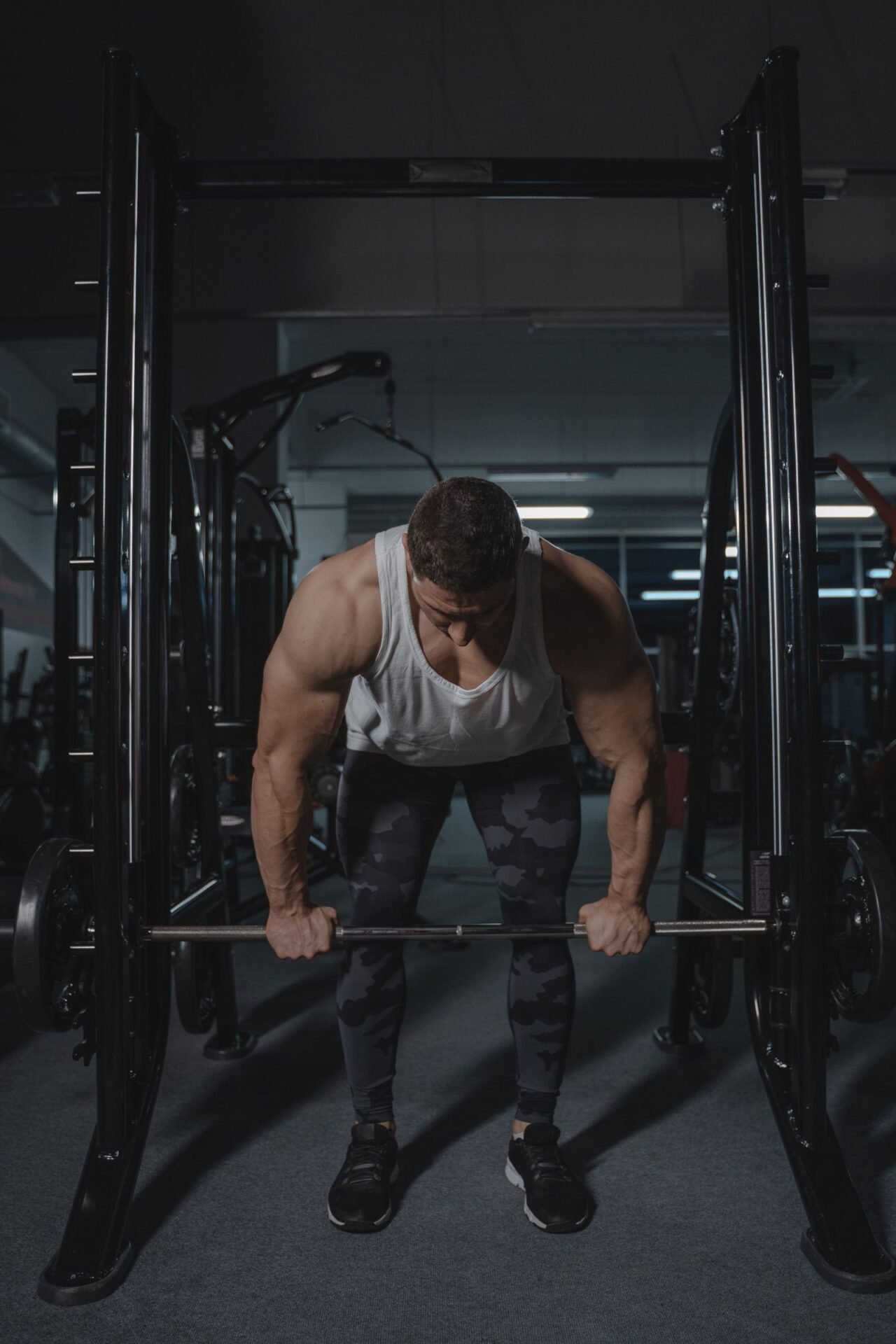
Because you are not fighting to balance the bar, it is easier to direct your effort into the muscles a lift is meant to work — quads on a squat, chest on a press, back on a row.
That focus is why many lifters use the Smith machine for targeted work after their main free-weight lifts. It is a complement to free weights, not a substitute for them.
For more back-focused ideas, see our Best V-Shape Exercises guide.
4. More Manageable When You Train Alone 🤝
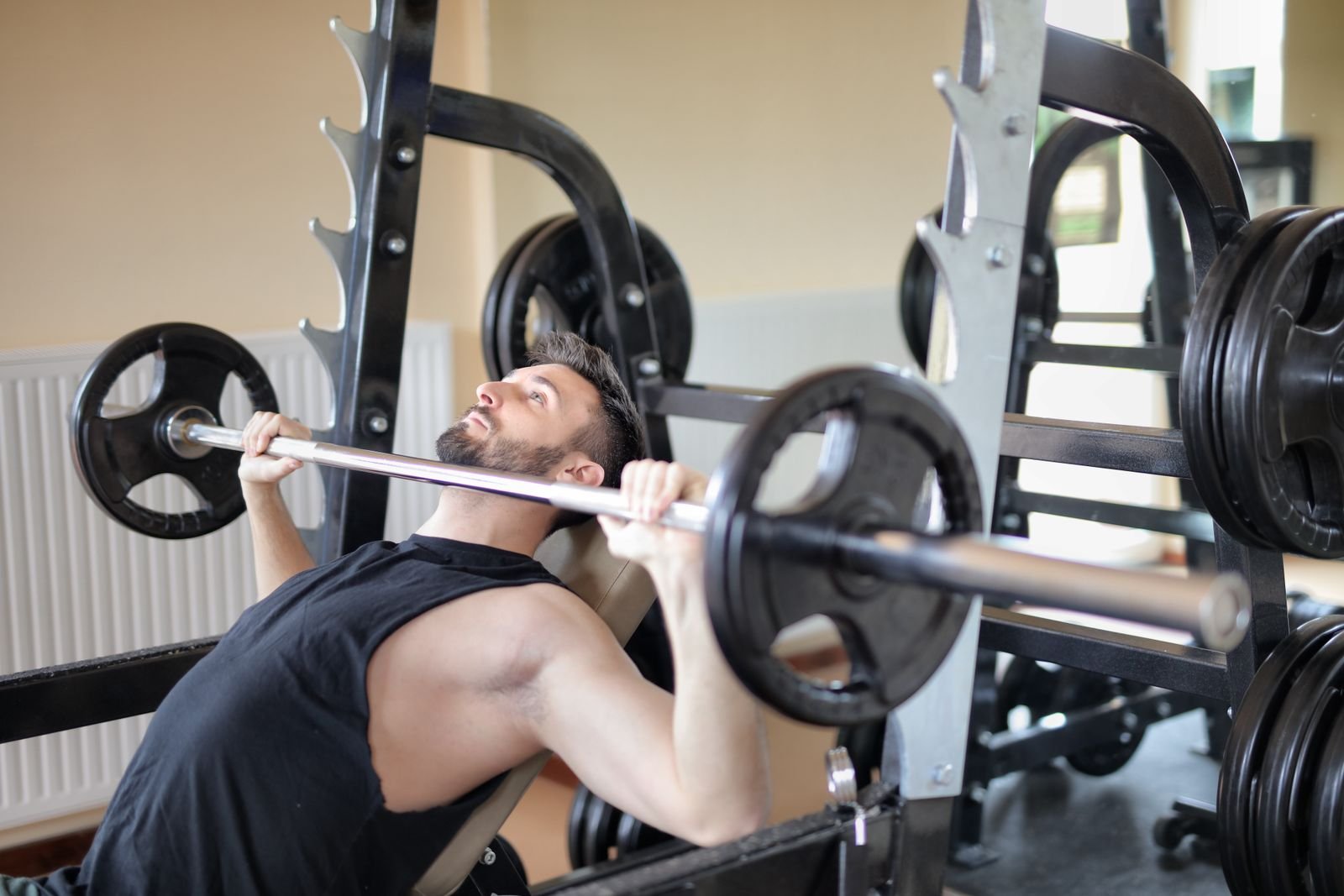
Training alone with a heavy barbell can be awkward. On a Smith machine, the safety catches and the twist-to-lock hooks mean you can rack the bar at several heights without a spotter standing by.
That makes solo sessions more practical, and it can give lifters the confidence to push a set a little closer to their limit. Confidence is useful — but it is not protection.
Always set the catches before you lift, stay well within weights you can control, and never train through pain. If you have an injury or a health condition, get a coach or clinician to check your plan first.
5. Foot Position Can Shift the Emphasis 🦶
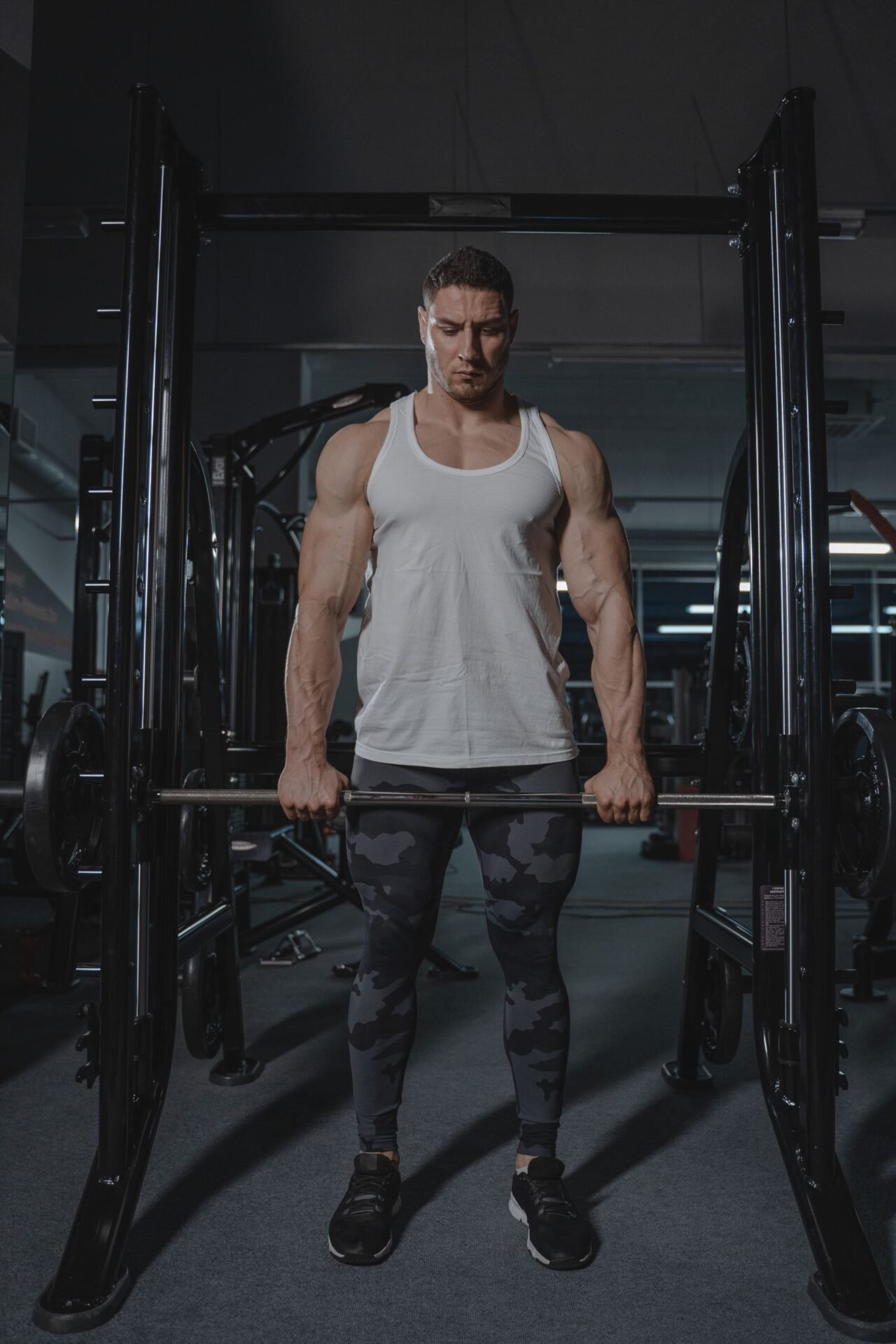
Small studies on Smith squats have found that where you place your feet changes the work. Feet closer under the body tend to load the knees and quads more, while feet further forward shift more work to the hips and glutes.
That adjustability is a genuine perk of the machine — a free barbell does not let you stand that far in front of the bar. But “further forward” is not automatically better or safer.
Keep any new foot position comfortable and controlled. If your knees or lower back complain, step back to a natural stance and ask a coach to review it.
6. One Machine, Many Lifts 🔄
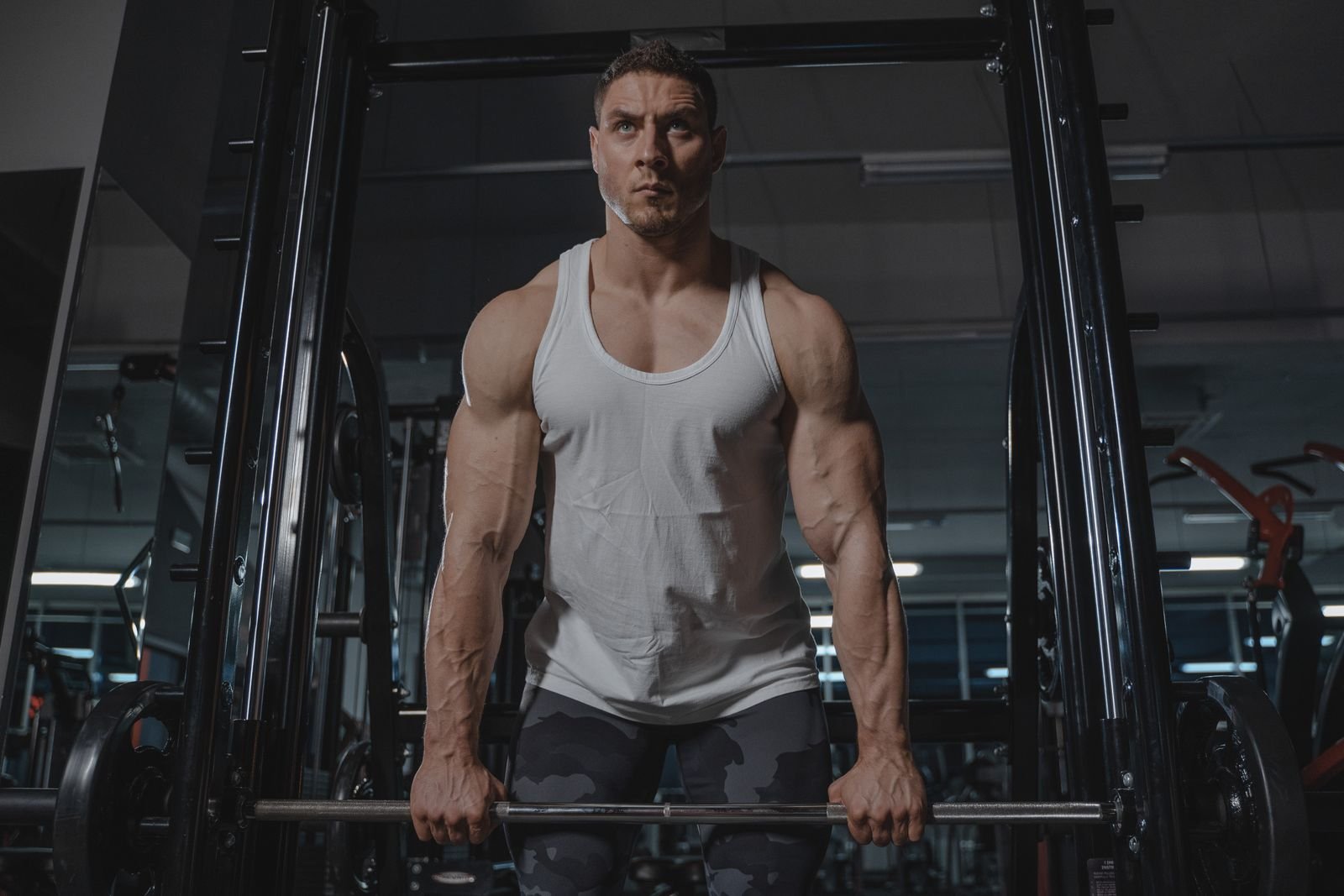
Squats, bench presses, shoulder presses, rows, lunges and calf work can all be done on the same machine, often without hunting for extra equipment.
That versatility is handy in a busy gym or a small home setup. You can move from a lower-body lift to an upper-body lift in seconds, just by moving a bench or adjusting the bar height.
Variety is still worth keeping. Mixing in free-weight work, such as the routines in our Dumbbells Workout guide, keeps your balance and stabiliser muscles in the programme.
The Honest Trade-Offs ⚠️
The fixed bar path is a double-edged sword. A free-weight squat follows a slight natural arc, while the Smith bar moves in a straight line — and forcing your body into that line can feel unnatural, especially if your proportions or mobility do not suit it.
Some sources warn that this can raise stress on the knees or lower back in certain positions, while other analysts note there is no direct proof that Smith squats are broadly more dangerous than free-weight squats. The evidence is mixed, so neither extreme claim is honest.
The safest reading is a middle one: the Smith machine is a useful, controlled tool, not an inherently safer one. Use weights you can control, keep your technique comfortable, and treat pain as a stop sign, not a challenge.
Frequently Asked Questions ❓
Is the Smith machine good for beginners?
Yes, generally — the guided bar makes the basic patterns easier to learn. Start light, learn the setup, and have someone experienced check your form.
Can the Smith machine replace free weights?
Not fully. It is great for targeted work and controlled sets, but free weights build more balance and stabiliser strength. Most lifters benefit from a mix of both.
Do you still need safety catches on a Smith machine?
Yes. Always set the catches before lifting, even though the bar can lock into its hooks. Catches are your backup if a rep goes wrong.
Is the Smith machine bad for your knees?
Not automatically, but foot position and depth matter, and some people find the fixed path uncomfortable. If squatting on it hurts your knees, stop, adjust your stance, and get professional advice before pushing on.
This article is general information only, not medical advice. If you have an injury, pain, or a health condition, speak to a qualified coach or clinician before changing your training.