

Hollywood transformations look like magic on screen. 🎬
In real life, they are usually months of planned work, done with trainers, nutritionists and a full film schedule behind them.
This 2026 update looks at three famous examples — Tom Hardy, Christian Bale and Zac Efron — and separates what is useful from what should never be copied.
What a screen transformation really involves
A camera-ready body is rarely just gym work. 💡
Lighting, camera angles, a pump-up before the shot, costume and sometimes digital effects all shape what you see on screen.
Actors also get something most of us do not: paid time to train, meals planned for them, and a team watching their schedule.
That is why an extreme, rapid change on screen is not proof that diet and training alone produced it — or that it is safe to chase at home.
If a result looks impossible in a few weeks, it probably was not achieved by ordinary training and food alone.
Tom Hardy: bulking up for Bronson

For Bronson (2008), Tom Hardy had to look like a powerful, intimidating prisoner — not a polished bodybuilder. 💪
Hardy has described gaining about two and a half stone for the role, at roughly seven pounds a week, with chicken and rice as his staple food.
Reports of the exact total vary, which is worth knowing: even famous transformations come with fuzzy numbers.
His training was built around high-volume bodyweight work, including very large numbers of press-ups spread through the day.
Hardy himself has described the rapid gain as unhealthy eating in a race against the clock — not a lifestyle to admire or repeat.
The useful lesson is balance, not volume. A routine built only on pushing movements leaves the back and shoulders behind.
Pair pushing work with pulling work, rest properly, and build up gradually instead of jumping to extreme daily totals.
Read more on this site: Tom Hardy diet plan and workout routine.
Christian Bale: the extreme swing from The Machinist to Batman
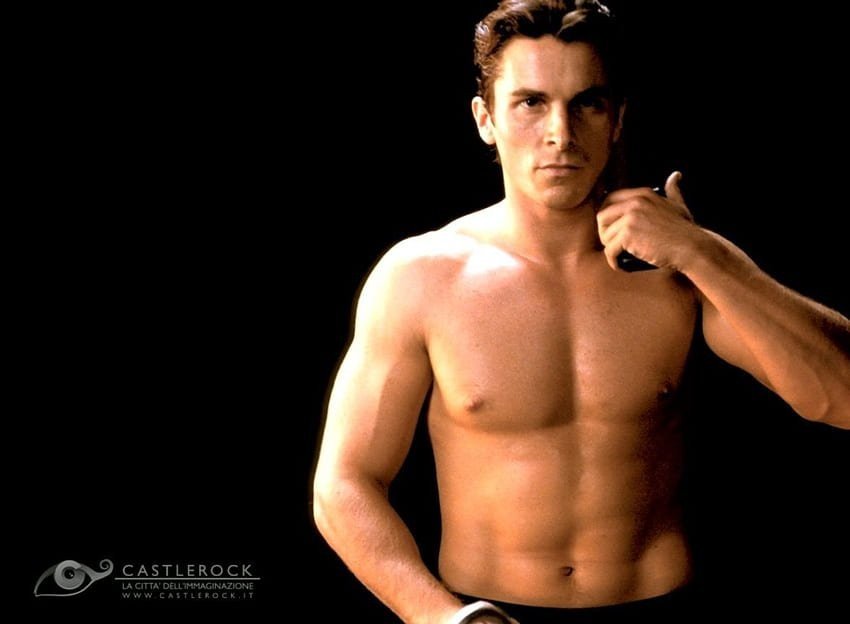
Christian Bale is famous for the biggest swings in Hollywood. ⚠️
For The Machinist (2004), he lost roughly 60 pounds in about four months, reportedly living on black coffee, one apple and a tin of tuna a day.
That is a starvation-level intake, not a diet plan. It is dangerous, unsustainable and should never be copied.
Bale then had to rebuild for Batman Begins (2005), gaining back roughly 100 pounds before training down into superhero shape.
He has since said he went too far in the past and would not repeat those extremes — a warning worth taking seriously.
The honest lesson here is about direction, not speed. Slow, steady fat loss with enough food, protein, sleep and strength training beats any crash approach.
If you are losing weight fast, feeling exhausted or thinking about food all day, that is a sign to slow down and get professional advice.
Zac Efron: the Baywatch look he would not chase again

For Baywatch (2017), Zac Efron trained with Patrick Murphy in a reported 12-week programme built on fast, paired exercises with little rest. 🏖️
One reported session type stacked jumping and bodyweight moves — jump lunges, jump squats, mountain climbers, power push-ups, stair runs and one-leg squat hops — into a very high total rep count.
That is a description of a film-prep session, not a workout prescription. High-impact jumping in that volume is hard on joints and needs a slow build-up.
Efron’s trainer reportedly put his body fat at around 5 percent for filming — a level far below a healthy everyday range for most men.
Efron has since been open about the cost: he has said the Baywatch look was not sustainable, that it left him unhappy with how he had to live, and that he prefers a few percent more body fat.
He has also said the final on-screen look relied on more than training and food, including water manipulation under professional supervision — another reason it is not a realistic everyday target.
As recently as 2026, ahead of a new Baywatch revival, Efron was again warning against trying to stay in that kind of shape.
The useful takeaway is consistency: a steady routine you can keep for weeks, mixing upper body, lower body and core work, beats constantly changing extreme workouts.
Read more on this site: Zac Efron diet plan and workout routine.
Safe lessons for 2026
Train for strength and health first, and let the look follow. 🏋️
Keep pushing and pulling balanced, progress a little at a time, and give muscles and joints rest days to recover.
Eat enough to support training, sleep well, and stay hydrated — most transformations fail on recovery, not on effort.
Judge progress over months, not days. A body that lasts is built slowly, and it does not need a film deadline.
For inspiration from athletes who built their physiques over years, see Fabio Giga’s story and Noel Deyzel’s journey, both refreshed in the latest wave.
What not to copy
Do not copy a crash diet, a 1,000-rep day or a rapid gain or loss from any film story. 🚫
Extreme swings strain hormones, joints, sleep and mood — and the weight usually rebounds once normal life returns.
Do not trust a single photo as proof of a method. A pumped, lit and edited still is not a before-and-after of ordinary life.
If a plan promises a movie body in weeks, promises a shortcut, or tells you to ignore hunger, pain or exhaustion, walk away from it.
Real dedication looks boring from the outside: regular training, decent food, sleep, and patience — like the long road described in Roelly Winklaar’s journey of triumph and patience.
Frequently asked questions
How long does a real celebrity transformation take?
Usually months, not weeks, with a team behind it. The final “after” photo is also taken at peak condition, not on an average day.
Can I get a Baywatch-style body naturally?
A lean, athletic body is achievable over time, but the exact on-screen Baywatch peak — with its extreme leanness and water manipulation — is not a healthy everyday target, as Efron himself has said.
Is 1,000 press-ups a day a good goal?
No, not as a starting goal. Very high daily totals without pulling work, rest and gradual build-up invite shoulder, elbow and overuse problems.
Why do actors regain weight after a role?
Because film shape is a temporary peak for a shoot, not a lifestyle. Once filming ends and normal eating, sleep and schedules return, the body returns toward its sustainable level.
What is the safest way to start transforming in 2026?
Start with 3–4 balanced strength sessions a week, daily walking, enough protein and sleep, and small weekly progress. If you have a health condition, talk to a doctor before a major diet or training change.
Celebrity transformations are impressive as performances. 🎬
The smart way to use them is to borrow the discipline and the patience — and to leave the extremes on the screen where they belong.