

Who Lee Labrada Was — and Why His Advice Still Gets Quoted 🏆
Lee Labrada built his name in the 1980s and 1990s as one of bodybuilding’s most polished, symmetrical physiques. He never won the Mr. Olympia title, yet he came closer than most — and that near-miss record is a big part of why fans still listen to him.
Born in Havana, Cuba, on 8 March 1960, Labrada won the 1985 IFBB Mr. Universe title as an amateur. That victory earned him professional status, and he then won his pro debut at the 1986 Night of Champions.
From 1987 to 1993, he placed in the top four at seven straight Mr. Olympia contests. His best finishes were second place in 1989 and 1990, both times behind Lee Haney.
His last Olympia appearance came in 1993, when he placed fourth. His final contest overall was the 1995 Arnold Classic, where he finished fifth. His full career story is covered in our Lee Labrada biography.
Where These Four Tips Came From 🎥
In early 2024, Labrada appeared in a YouTube video about trimming belly fat while building lean muscle. The video was reported at the time by Fitness Volt, and the old version of this article was based on that same report.
One thing worth clearing up straight away: the four points below are about eating and cardio, not about crunch variations. Labrada’s reported angle was that a visible midsection came mostly from overall leanness, not from one magic ab move.
That matters because of a stubborn myth. Research generally finds that working the abs strengthens the muscles underneath, but it does not selectively burn the fat sitting on top of them. Belly fat tends to fall as part of overall fat loss, not because a particular exercise targeted it.
So this article describes what Labrada reportedly recommended, in his own reported terms. It is not a plan written for you, and it promises no particular result. Anyone with a health condition, or anyone unsure where to start, should talk to a qualified professional first — and stop any exercise that causes sharp pain.
Tip 1, as Reported: Match Protein to Body Weight 🍗
Labrada’s first reported point was about getting the protein amount right for a person’s size. He reportedly spoke of around one gram of protein per pound of body weight each day.
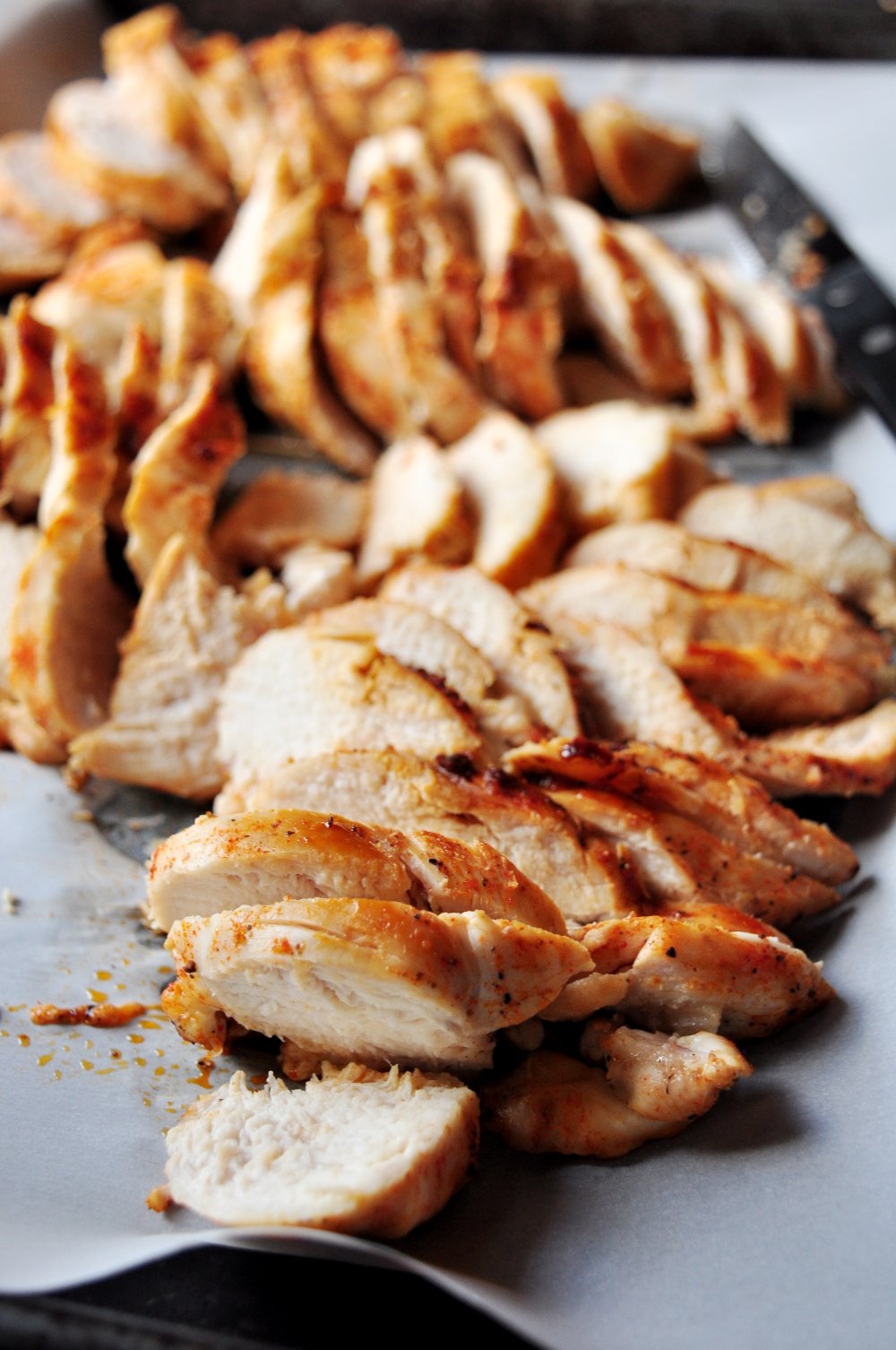
The protein foods he reportedly named were everyday ones: chicken breast, turkey breast, fish, lean meats and low-fat cottage cheese, alongside protein shakes in general terms. No brand was singled out in the refreshed account here.
On carbohydrates, he reportedly suggested keeping them to no more than about one and a half grams per pound of body weight each day. Sweet potatoes, yams, oatmeal and rice were the carb foods he reportedly listed.
To make the idea concrete, the original report used a hypothetical 200-pound man as an example. That example is worth noting for what it was: an illustration of his arithmetic, not a target for any real reader.
Tip 2, as Reported: Smaller Meals, More Often 🍽️
Labrada’s second reported point moved away from three large meals a day. He reportedly favoured five or six smaller meals spread through the day instead.
His reported reasoning was about steadiness rather than size. Smaller, more frequent meals were presented as a way to avoid overloading digestion at any single sitting and to keep energy intake more even across the day.
He also reportedly linked large, infrequent meals to bigger insulin swings, which he associated with fat storage. That link was his reported view, and readers should treat it as one veteran coach’s framing rather than settled science on its own.
Tip 3, as Reported: Pair Protein With Carbs 🥣
The third reported point followed naturally from the first two. Labrada reportedly advised against eating carbohydrates on their own at a meal.
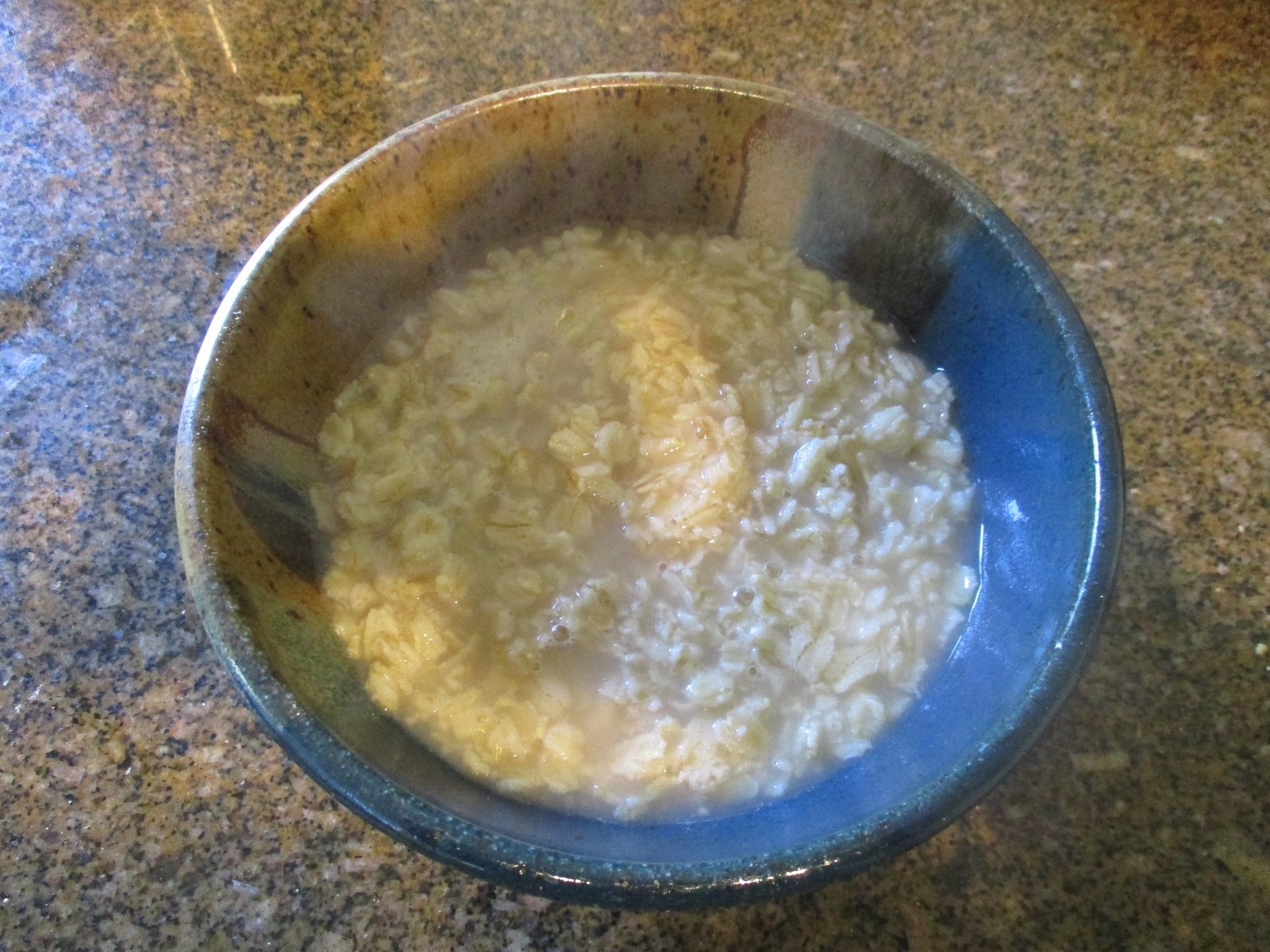
Instead, he reportedly recommended combining protein and carbohydrates at meals. In his reported explanation, the combination slowed how quickly a meal was broken down into energy.
That slower breakdown, he reportedly argued, gave longer-lasting energy with a smaller rise in insulin than carbs alone. Again, this is his reported reasoning, presented here as history rather than as a rule for the reader.
Tip 4, as Reported: Cardio Alongside Muscle Building 🚲
Labrada’s fourth reported point may surprise readers who assume cardio and muscle building pull in opposite directions. He reportedly did not see it that way at all.
In his reported words: “Do cardio exercise four to five times a week to burn off excess fat and to promote recovery.”
He reportedly argued that cardio could help recovery by improving circulation, and that it burned off extra calories that might otherwise add up as fat. His reported personal preferences for cardio were the stationary bike and steps.
It is worth keeping the framing honest here. The “four to five times a week” figure was Labrada’s reported habit and recommendation in that video, not a prescription in this article. Frequency that suits one person can be too much, or too little, for another.
What This Article Deliberately Does Not Do ⚠️
This refresh does not turn Labrada’s reported points into a step-by-step routine. There are no prescribed sets, reps or schedules here, and no claim that following his reported approach will produce his physique.
It also does not re-teach general ab training. For actual core exercises, our general guides are the right place to look: the best abs workout guide and the ab exercises guide cover the movements themselves.
Readers specifically interested in holds can also see the plank variations guide and the harder plank progressions guide. Those guides, not this historical piece, are where exercise instruction belongs.
Finally, a note on the pictures. No photograph in this article shows Lee Labrada himself, and none is captioned as if it does. The old article’s Instagram photos were left out entirely, and the gym and food photos here are clearly labelled as illustrative.
The Labrada Name Today 👨👦
Labrada’s legacy did not end with his own competitive career. His son Hunter Labrada went on to compete at the highest level himself, finishing fourth at the 2021 Mr. Olympia — a result covered in our Hunter Labrada biography.
The elder Labrada also moved into the nutrition business after retiring from the stage. That second career is part of why his food advice kept circulating long after his last contest.
For readers comparing protein options in general, our protein powders guide covers the category without tying it to any one person’s advice.
Frequently Asked Questions ❓
Did Lee Labrada ever win Mr. Olympia?
No. His best results were second place in 1989 and 1990, both behind Lee Haney, with top-four finishes at all seven of his Olympia appearances from 1987 to 1993.
What were Labrada’s four reported tips?
As reported from his video: match protein to body weight, eat five or six smaller meals a day, pair protein with carbohydrates rather than eating carbs alone, and include regular cardio alongside muscle building.
Do ab exercises burn belly fat directly?
Not selectively, according to the research picture described above. Ab work can strengthen the core muscles, but belly fat generally falls as part of overall fat loss rather than from targeting one area.
Is this article a diet or training plan?
No. It is a historical description of what Labrada reportedly recommended in one video. It is general fitness information only, not medical advice, and it sets no targets for the reader.
The Bottom Line 🌟
Labrada’s reported message was refreshingly unglamorous for a bodybuilding great. Eat enough protein, spread meals out, pair carbs with protein, and keep some cardio in the mix.
None of that was presented by him as a shortcut, and none of it is presented here as one either. His career — seven straight Olympia top-four finishes without ever taking the title — is a reminder that consistency, not a single trick, was the real theme of his story.