

Bodybuilding rewards patience as much as size. 💪
Some careers burn bright and short. Others stretch across decades, through injuries, defeats and comebacks.
This is the story of eight bodybuilders who pushed the limits — and kept going long after most athletes would have stopped. Their peaks were glorious, their late-career runs were honest, and their lessons still matter in 2026.
Jay Cutler: A Story of Endurance 🏆
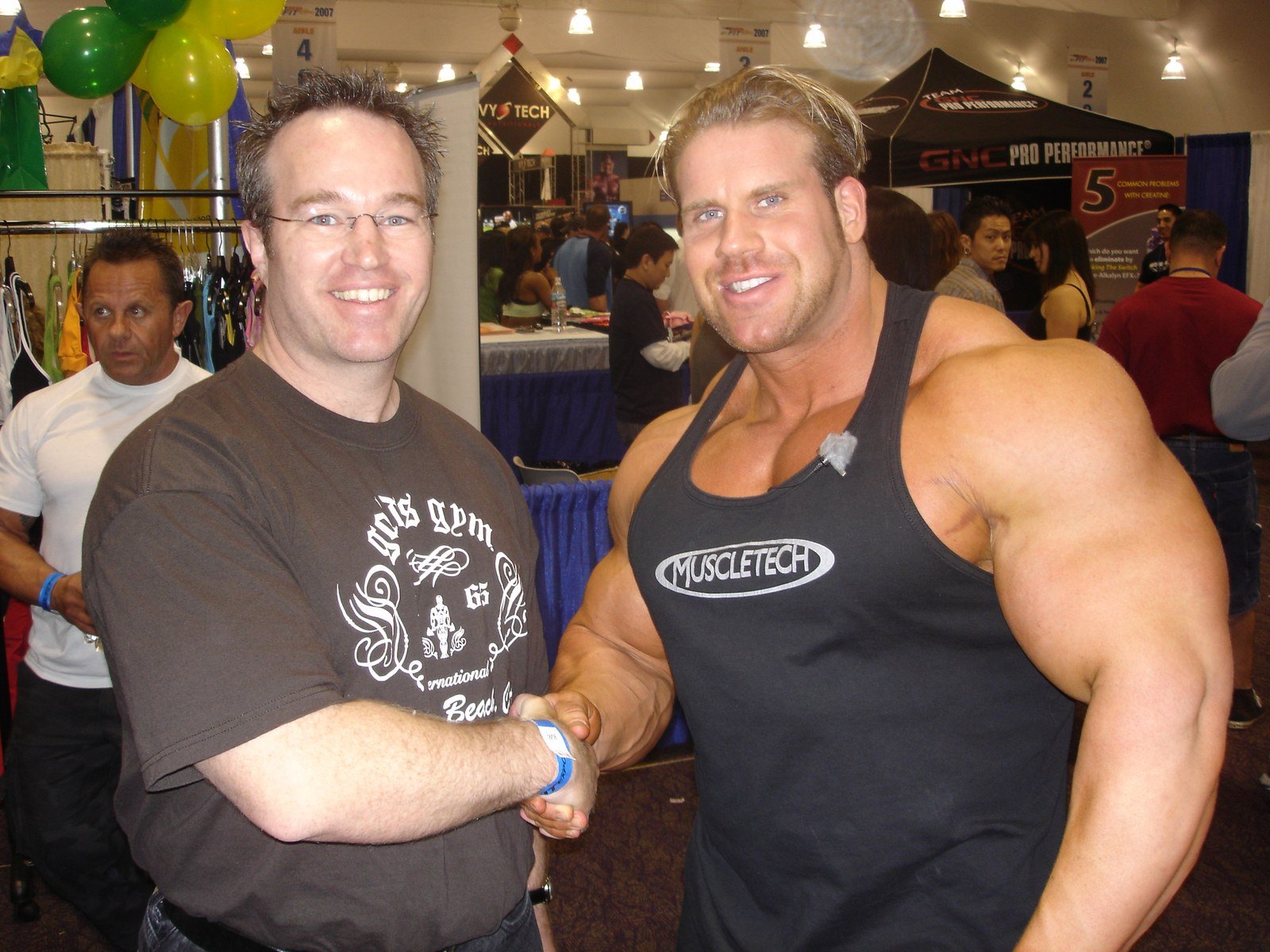
Jay Cutler finished second at the Mr. Olympia four times before he ever won it.
He finally dethroned eight-time champion Ronnie Coleman in 2006, then defended the title in 2007.
Dexter Jackson beat him in 2008 — and most people wrote him off. Cutler answered by winning the title back in 2009, the first man in history to do so.
A fourth Sandow followed in 2010, before Phil Heath took over in 2011. Cutler’s final Olympia appearance came in 2013, when he placed sixth at age 40.
His lesson is simple: losing the top spot is not the same as being finished. 🏋️
Ed Corney: A Stalwart of the ’70s 🎭
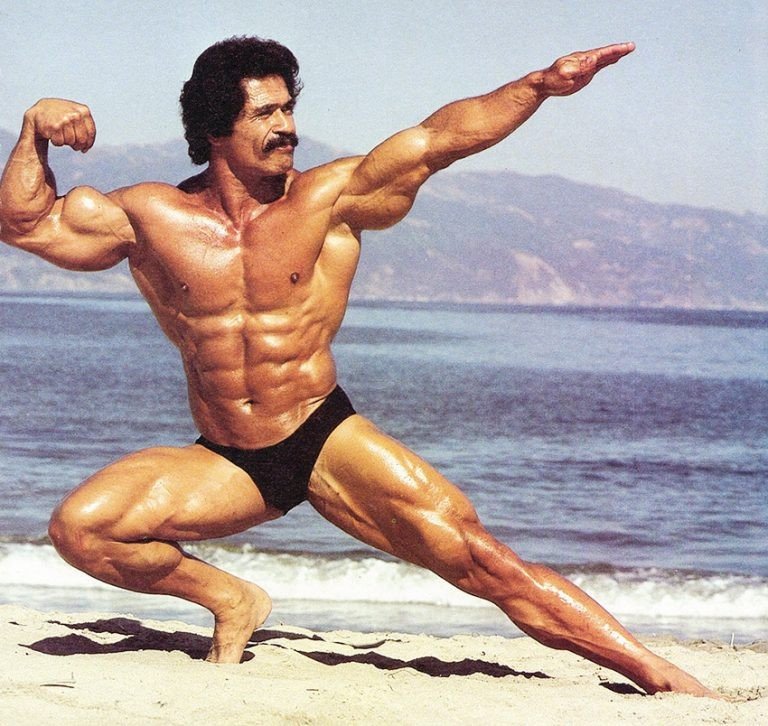
Ed Corney was famous for one thing above all: his posing. His routines were so graceful that they became a highlight of the 1977 film Pumping Iron.
His peak years brought the IFBB Mr. America and Mr. Universe titles in 1972, and he kept competing through the 1980s.
Then came the remarkable second act. Corney won the over-60 division of the Masters Olympia in 1994 — and again in 1995.
He placed second in the over-60 division in 1997, and his final contest came at the Arnold Classic Masters event in 1998, aged 64.
Corney survived a heart attack and strokes after shoulder surgery in 1999, and kept training for years afterwards. He died on 1 January 2019, aged 85, after suffering a brain aneurysm days earlier.
He was inducted into the IFBB Hall of Fame in 2004 — a fitting honour for bodybuilding’s great poser. 🙏
Rich Gaspari: A Triumph and a Slide 🐉
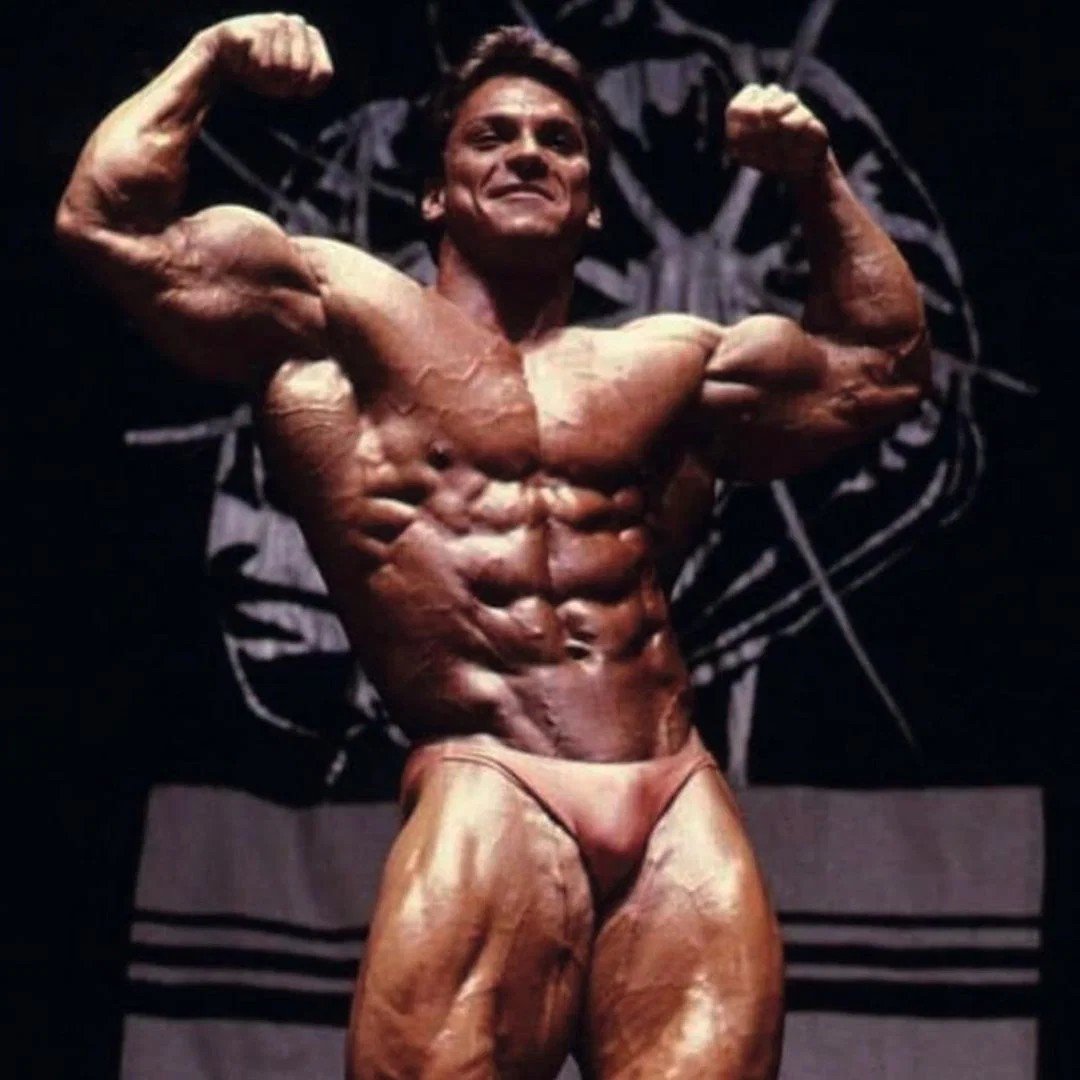
Rich Gaspari, “The Dragon Slayer,” was the smaller man who refused to be out-conditioned by anyone.
He finished second at the Mr. Olympia three years running — 1986, 1987 and 1988 — each time behind the great Lee Haney.
His consolation prize was historic: Gaspari won the very first Arnold Classic in 1989.
The slide the old article described was real, but it was slower than the myth. His 1991 Olympia finish was 10th, yet he kept competing into the mid-1990s.
His final season came in 1996, with his last contests including the Canada Pro Cup, where he placed 11th.
Gaspari then built a second career in the supplement industry — proof that a bodybuilder’s working life does not have to end at the final posing routine. 💼
Nasser El Sonbaty: The Professor 📚
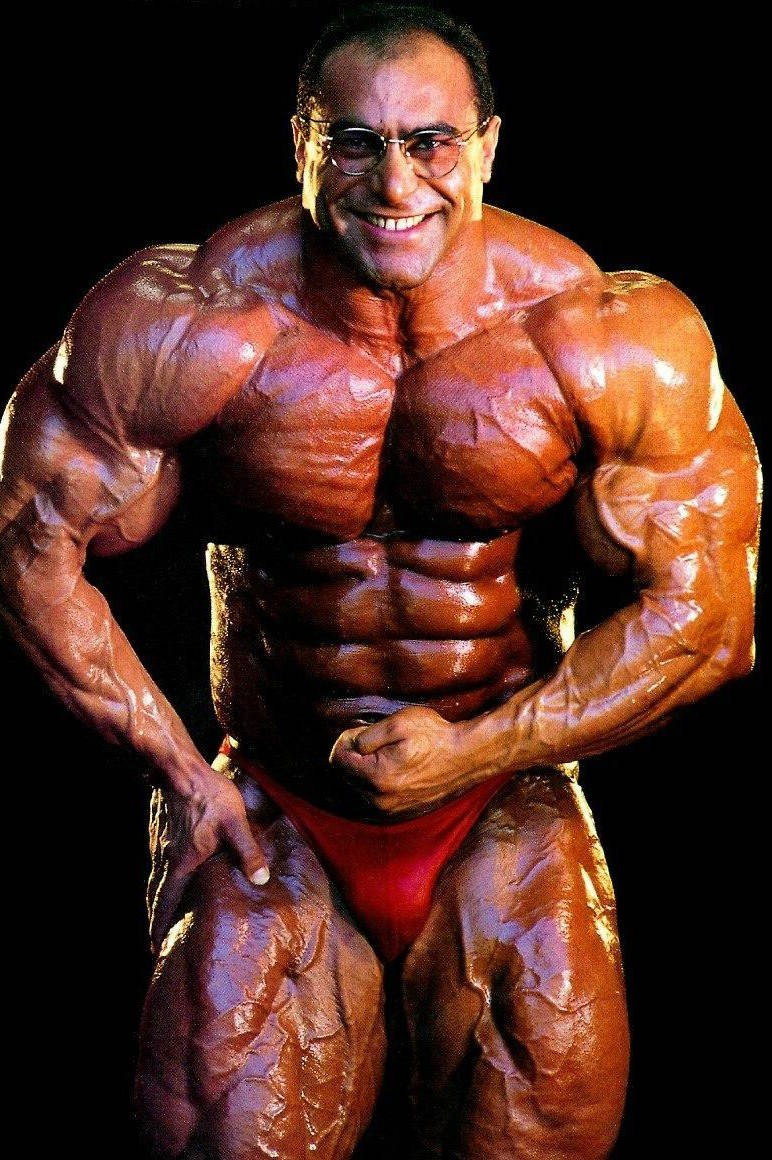
Nasser El Sonbaty was nicknamed “The Professor” — a university graduate fluent in several languages, known for the round spectacles he wore while training.
His finest hour came at the 1997 Mr. Olympia, where he finished second behind Dorian Yates in a result fans still debate today.
Two years later he won the biggest title of his career: the 1999 Arnold Classic.
His later years were quieter. He continued competing into the mid-2000s, but the dominance of his 1990s peak was behind him.
El Sonbaty died in his sleep in Cairo on 20 March 2013, aged 47, while visiting family. Reports at the time attributed his death to heart and kidney failure, after a period of dialysis treatment.
He remains one of the sport’s great “what if” champions — and one of its most intelligent voices. 🙏
Paul Dillett: From a Beast to a Builder 🏗️
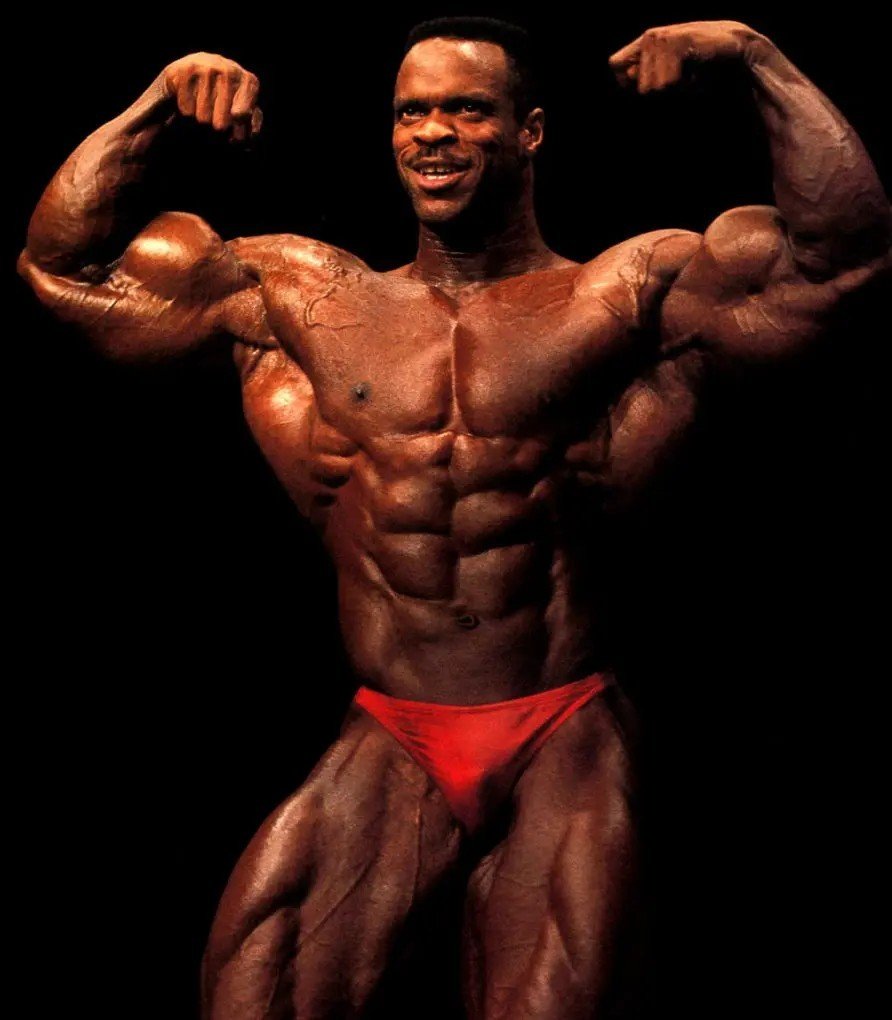
Paul Dillett was one of the biggest men ever to stand on an Olympia stage — a former Canadian Football League player turned 6 ft 2 in mass monster.
His early peak was rapid: fourth at the Arnold Classic and sixth at the Mr. Olympia in 1993, then fourth at the 1994 Olympia.
But 1994 also brought a frightening moment. At the Arnold Classic that year, Dillett froze on stage with severe cramping from dehydration and had to be carried off.
He recovered, took a year away, and came back superbly in 1996 — third at the Arnold Classic and fifth at the Olympia.
His biggest win came in 1999, when he won the Night of Champions in New York, followed by seventh at that year’s Olympia, his final Olympia appearance.
Dillett’s last contest came in 2006, and he formally retired in 2012. He went on to found the WBFF, giving other athletes the stage he once owned. 🎤
Dennis Wolf: The Wolf’s Unyielding Spirit 🐺
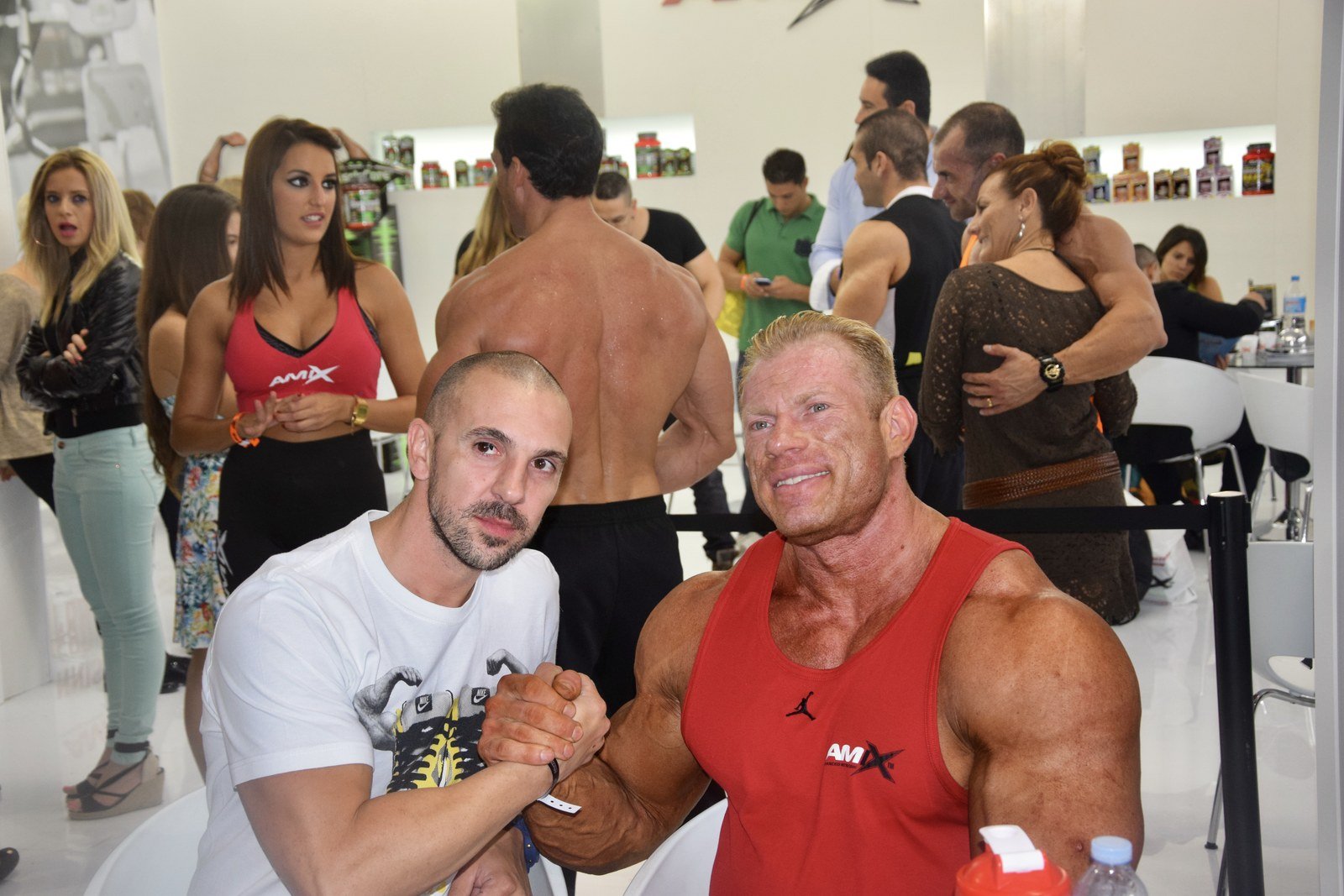
Dennis Wolf’s peak was built on one of the great V-tapers in the sport — broad shoulders, a tiny waist, and unforgettable quads.
He finished fifth at the 2007 Mr. Olympia, then reached his career best of third in 2013, behind Phil Heath and Kai Greene.
He was fourth again in 2014 and 2015 — so the old article’s claim that he had “called it quits by 2015” was wrong. Injury, not decline, stopped him.
In 2016, scans revealed serious damage to the vertebrae in his neck, and he underwent surgery that kept him off stage for two years.
His comeback finally came at the 2018 Arnold Classic, where he finished 12th, followed by 10th at the Arnold Classic Australia. Those were his final contests.
Wolf has since stayed in the sport as a coach and promoter — and in remarkable shape in retirement. 💪
Victor Martinez: An Unfinished Journey 🇩🇴
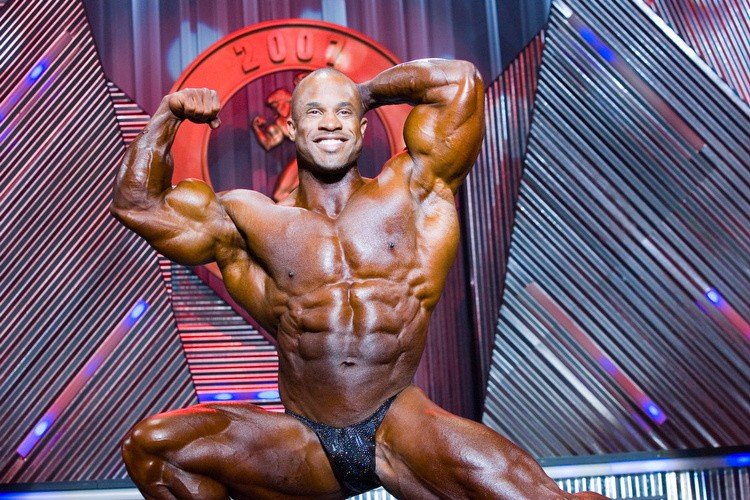
Victor Martinez’s story is the hardest “what if” in this article — because his peak was genuinely that good.
He climbed steadily at the Olympia: ninth in 2004, fifth in 2005, third in 2006 — and then his career year, 2007.
That year he won the Arnold Classic and finished second at the Mr. Olympia behind Jay Cutler, in a result many fans still argue about. He did not win the 2007 Olympia, as the old article wrongly stated.
What followed was cruel luck: a ruptured patellar tendon in January 2008 cost him that whole season, and a family tragedy in 2009 — the murder of his sister — interrupted his career again.
He kept returning, with later Olympia finishes of eighth in 2014 and ninth in 2015, and his final Olympia appearance in 2016. He competed on and off until around 2020.
Martinez never won the Sandow. But for one year, he came as close as any man of his generation. 🥈
Roelly Winklaar: The Dutch Beast 🇳🇱
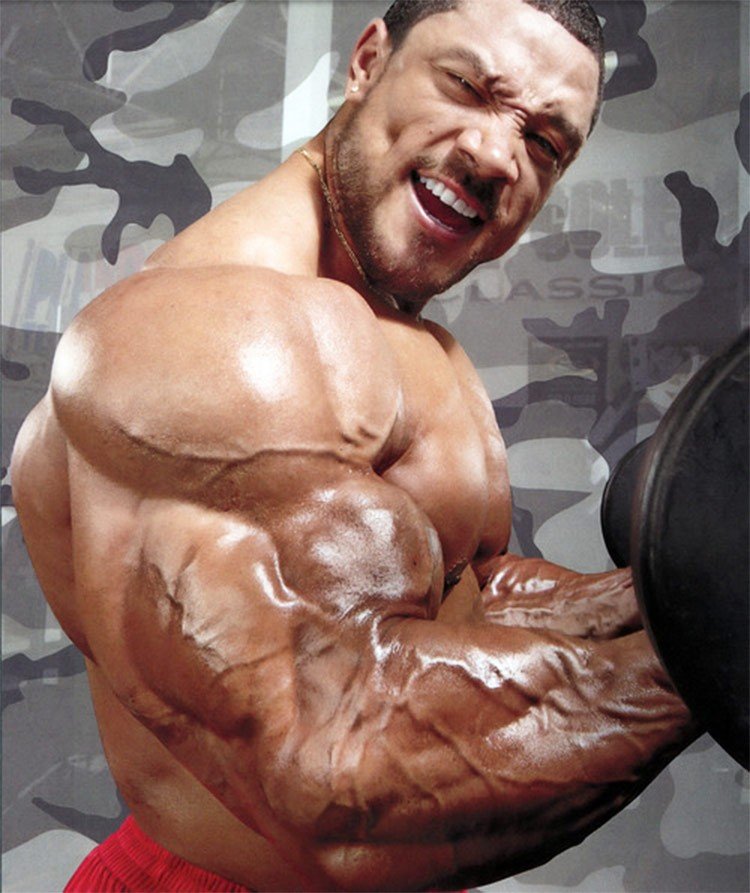
Roelly Winklaar — spelled “Winkler” in the old article — was the people’s favourite of his era, a mass monster from Curaçao based in the Netherlands.
His peak came in 2018: third at the Mr. Olympia behind Shawn Rhoden and Phil Heath, plus the first-ever Olympia People’s Champion award, voted by the fans.
He won ten professional titles in total, including the 2018 Arnold Classic Australia and the Prague Pro in 2017 and 2018.
His later years were shaped by injury. Major rotator-cuff surgery on his left shoulder in 2020, and a positive COVID-19 test that cost him the 2020 Olympia, stalled his momentum.
His last contest came at the Romania Muscle Fest Pro in November 2021, where he placed ninth.
As of 2026, Winklaar has not officially retired and has left the door open to a comeback — but only, in his own words, if he can beat his previous best shape. No return has been announced.
For the full story, see Roelly Winklaar’s biography — and for another athlete who kept going against the odds, see Maxx Charles and Dexter Jackson, the epitome of consistency. 🏆
In Conclusion ✨
These eight careers tell one story from eight angles: the top of this sport is unforgiving, and staying there is harder than reaching it.
Some, like Cutler and Gaspari, turned defeat into a second career. Others, like Corney and Wolf, came back from setbacks that would have ended most athletes.
And some, like Martinez and El Sonbaty, remind us that greatness is not only measured in Sandow trophies.
Their perseverance deserves respect — not pity, and not sensationalism. That is the real lifelong battle. ❤️
Frequently Asked Questions ❓
Did Victor Martinez ever win the Mr. Olympia?
No. His best result was second place in 2007, behind Jay Cutler. He did win the Arnold Classic that same year.
Which of these bodybuilders competed the longest?
Ed Corney, by age: his career ran from his 1967 debut to his final contest in 1998, aged 64 — including Masters Olympia over-60 titles at 60 and 61.
Is Roelly Winklaar retired?
Not officially. He has not competed since November 2021, but as of 2026 he has said he does not want to retire and has left a comeback possible if he can beat his best shape.
What happened to Dennis Wolf’s comeback?
After neck surgery in 2016, Wolf returned at the 2018 Arnold Classic and finished 12th, then 10th in Australia. Those were his final contests, and he has since worked as a coach and promoter.
Why is Nasser El Sonbaty called “The Professor”?
Because of his university education, his fluency in several languages and his articulate interviews — plus the round spectacles he famously wore while training.
How many Mr. Olympia titles did Jay Cutler win?
Four — in 2006, 2007, 2009 and 2010. He is the only man to lose the title on stage and win it back.