

What the Golden Era Actually Was 🏋️
When fans say “Golden Era,” they usually mean bodybuilding in the 1960s and 1970s.
It was the period when the sport moved from a small subculture into something the wider public recognised.
It is not the same as the much earlier Silver Era, the age of strongmen and physical-culture pioneers like Eugen Sandow.
And it is not the same as the later mass era, when sheer size came to dominate judging far more.
The Golden Era sat between those two worlds, and that is a big part of its appeal.
Champions of the time were admired for shape and proportion as much as for size.
Broad shoulders, a narrow waist and balanced development mattered on stage, not bulk alone.
Venice, California: Where the Story Centred 🌊
Much of the Golden Era story runs through Venice, California, and one gym in particular.
Joe Gold opened the first Gold’s Gym in Venice Beach in August 1965.
He built much of the equipment himself, and the gym quickly became a meeting place for serious lifters.
It earned the nickname “the Mecca of bodybuilding,” a name fans still use today.
The first Mr. Olympia contest was also held in 1965, giving the sport a clear world stage.
That combination — a hardcore gym, a beach training culture and a top-level contest — helped Venice become the era’s home.
What Golden Era Training Looked Like 💪
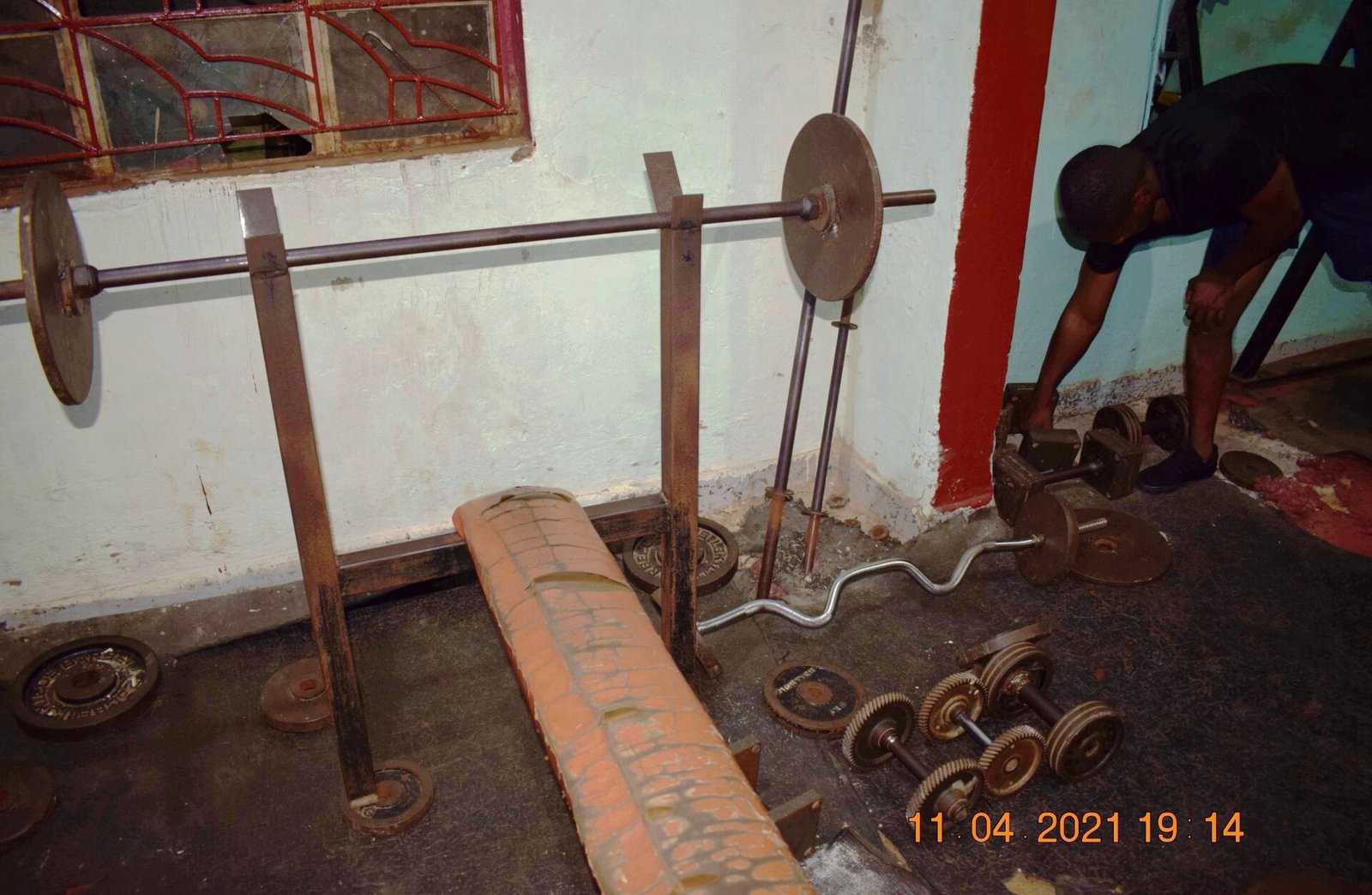
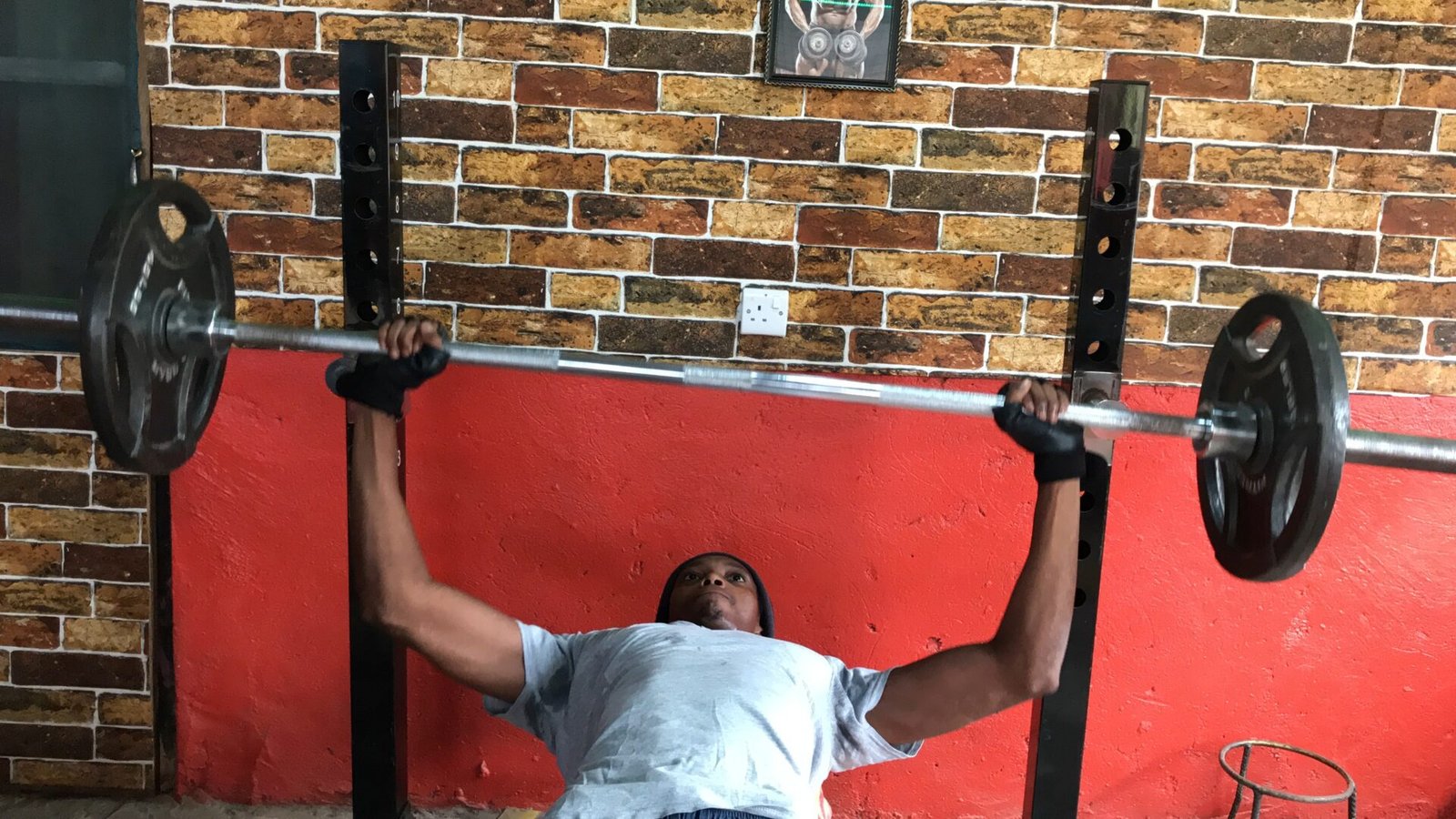
Training in this era was built mainly around free weights: barbells, dumbbells and basic benches and racks.
Compound movements — exercises working several muscle groups at once, such as squats, bench presses, rows and overhead presses — formed the foundation.
Many leading lifters of the time are associated with high-volume training, meaning long sessions with many exercises for each muscle group.
Arnold Schwarzenegger, the era’s most famous champion, is widely described as training with high volume and split routines, working different muscle groups on different days.
Franco Columbu, his close friend and fellow champion, trained in the same Venice gym world and shared that free-weight, hard-work culture.
Posing practice was also treated as part of the craft, because presentation on stage counted alongside muscle.
None of this is presented here as a programme to copy — it is a description of how a small group of elite competitors trained in their own time, under their own coaches and conditions.
The Gym Culture People Remember 🤝
Ask fans what they miss about the era, and they rarely start with equipment.
They talk about atmosphere: small rooms, clanging plates, chalk dust and lifters who knew each other by name.
Training partners pushed each other, shared tips between exercises and often ate together after sessions.
Some of this picture comes from memoirs and interviews rather than formal records, so it should be read as remembered culture, not measured fact.
It is also worth remembering that the scene was small. Only a handful of gyms and contests sat at its centre.
That smallness is part of why the stories feel so close-knit — and why they can also feel exaggerated in retelling.
Pumping Iron and the Leap Into the Mainstream 🎬
The wider public met this world through Pumping Iron, released in January 1977.
The film followed the build-up to the 1975 Mr. Olympia and Mr. Universe contests, centred on Schwarzenegger and Lou Ferrigno.
It was filmed largely at Gold’s Gym in Venice, and it turned Schwarzenegger into a household name.
It is often described as a docudrama rather than a straight documentary, and some scenes were shaped for storytelling.
That matters for honest history: the film is a brilliant window into the era, but it is not a neutral record of it.
Even so, its impact is not in doubt. After Pumping Iron, gyms, fitness magazines and weight training reached a far larger audience.
What Changed After the Golden Era 🔄
Through the 1980s and 1990s, judging and training culture gradually shifted towards greater mass.
Physiques grew larger, contest preparation grew more specialised, and the sport’s look changed with it.
That shift is exactly why the Golden Era is still debated: fans compare its symmetry-led ideal with what came after.
For a fuller side-by-side look, see Golden Era vs Modern Era Bodybuilding.
Many of the era’s lesser-known names also shaped the sport, as covered in Unsung Heroes of the Golden Era.
And the man at the centre of it all is profiled in the Arnold Schwarzenegger biography.
Reading the Old Stories Honestly ⚖️
The old version of this article leaned heavily on romance: gyms as sanctuaries, growth you could feel by opening a door, and a tiny industry of just a few people.
Some of that is colourful memory, not verifiable history, so this refresh drops the most exaggerated lines.
The claim that the fitness world of the 1970s was just “10 guys and five girls” is not a countable fact and has been removed.
The suggestion that old-school lifters rarely lifted heavy weights is also misleading: heavy compound lifting sat at the core of their training.
This refresh also makes no claim that the era was drug-free, or that its lifters avoided injury.
Those are serious claims that would need proper evidence, and the old article offered none.
What can be said honestly is simpler: it was a small, intense, free-weight culture that prized shape and symmetry — and it left a lasting mark on fitness.
Frequently Asked Questions ❓
When was the Golden Era of bodybuilding?
It is usually placed in the 1960s and 1970s, the period of Schwarzenegger, Columbu and Frank Zane.
Some writers stretch it into the early 1980s, but the 1960s–1970s core is the common definition.
How was Golden Era training different from modern training?
It leaned more on basic free weights and long, high-volume sessions in small hardcore gyms.
Modern training uses far more machines, specialist equipment and sports-science support.
Was the Golden Era really about aesthetics over size?
Shape, symmetry and presentation counted heavily in judging, though size still mattered.
The balance between the two is what fans usually mean when they praise the era’s look.
The Legacy, in Plain Terms 🌟
The Golden Era did not invent weight training, and it did not produce a secret formula.
What it did was show the world a version of bodybuilding built on basic iron, daily discipline and stage presentation.
That image — Venice, Gold’s Gym, Pumping Iron and a generation of champions — still shapes how gyms look and feel today.
Remember it as history, enjoy the stories for what they are, and treat the training tales as tales of their time — not instructions for yours.