

The Legend’s Enduring Legacy 🏆
Before Arnold Schwarzenegger became a Hollywood star and Governor of California, he was a powerhouse in bodybuilding.
He won seven Mr. Olympia titles — six straight from 1970 to 1975, plus a comeback win in 1980 — along with five Mr. Universe titles.
More than four decades after he retired from competition in 1980, his training ideas still get talked about in gyms everywhere. 💪
In 2026, Arnold is still part of the fitness conversation, sharing training and longevity advice through his Arnold’s Pump Club newsletter and remaining a central figure of the Arnold Sports Festival world. He was also honoured by NASM in 2026 for a lifetime commitment to fitness.
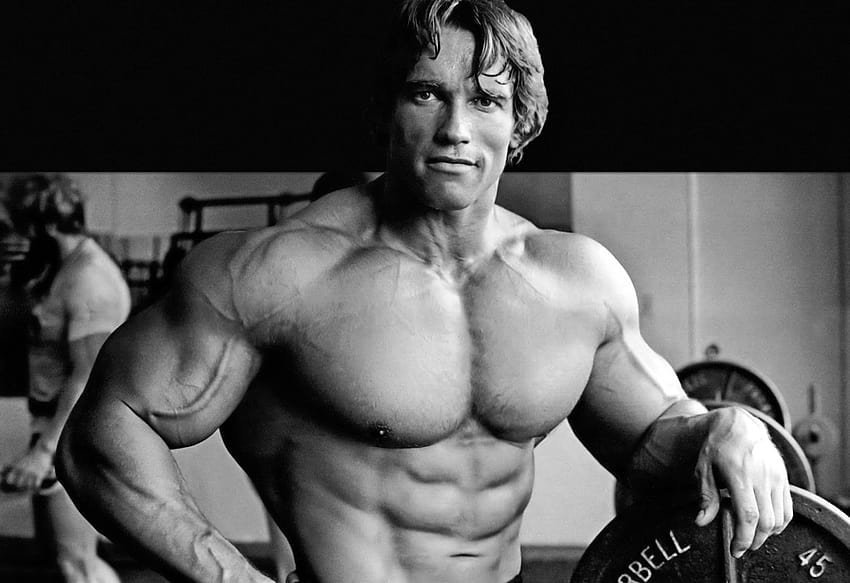
This article is not another biography — for his full story, see his Arnold Schwarzenegger biography and his retrospective.
Instead, here are nine practical lessons distilled from his training career — the habits and principles behind the physique, updated for how gym-goers can use them in 2026.
Tip 1: Emphasize Supersets 🔥
A superset means doing two exercises back to back with little or no rest in between.
Arnold was famous for pairing opposing muscle groups — for example, chest with back, or biceps with triceps.
The idea is simple: while one muscle group works, the other gets a short breather, so the session keeps moving.
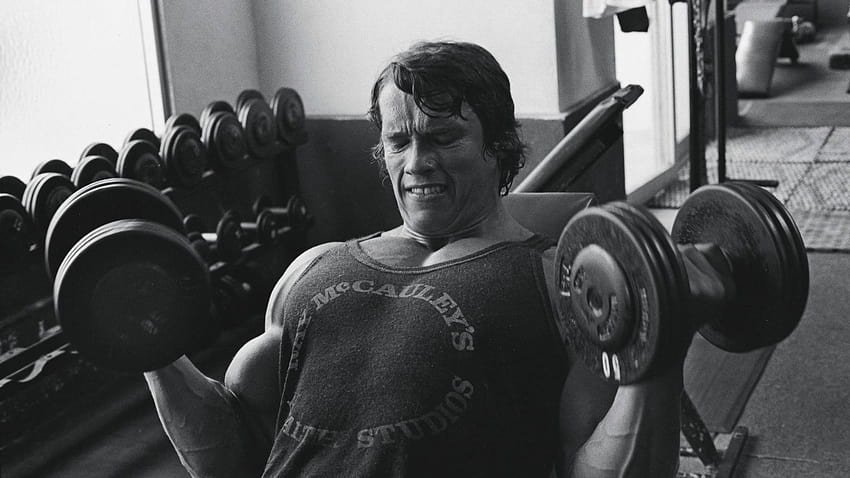
For a modern gym-goer, supersets are a handy time-saver — but start light and keep good form.
Chasing a “pump” should never come at the cost of sloppy reps or joint pain. 🛑
Tip 2: Don’t Skip Dumbbell Pullovers
The dumbbell pullover is a golden-era favourite that works the chest and back in a single movement.
Arnold valued it as an upper-body builder, and it still appears in plenty of old-school routines today.
To try it, lie on a flat bench, hold a dumbbell above your chest with a slight bend in your elbows, lower it slowly behind your head, then bring it back.
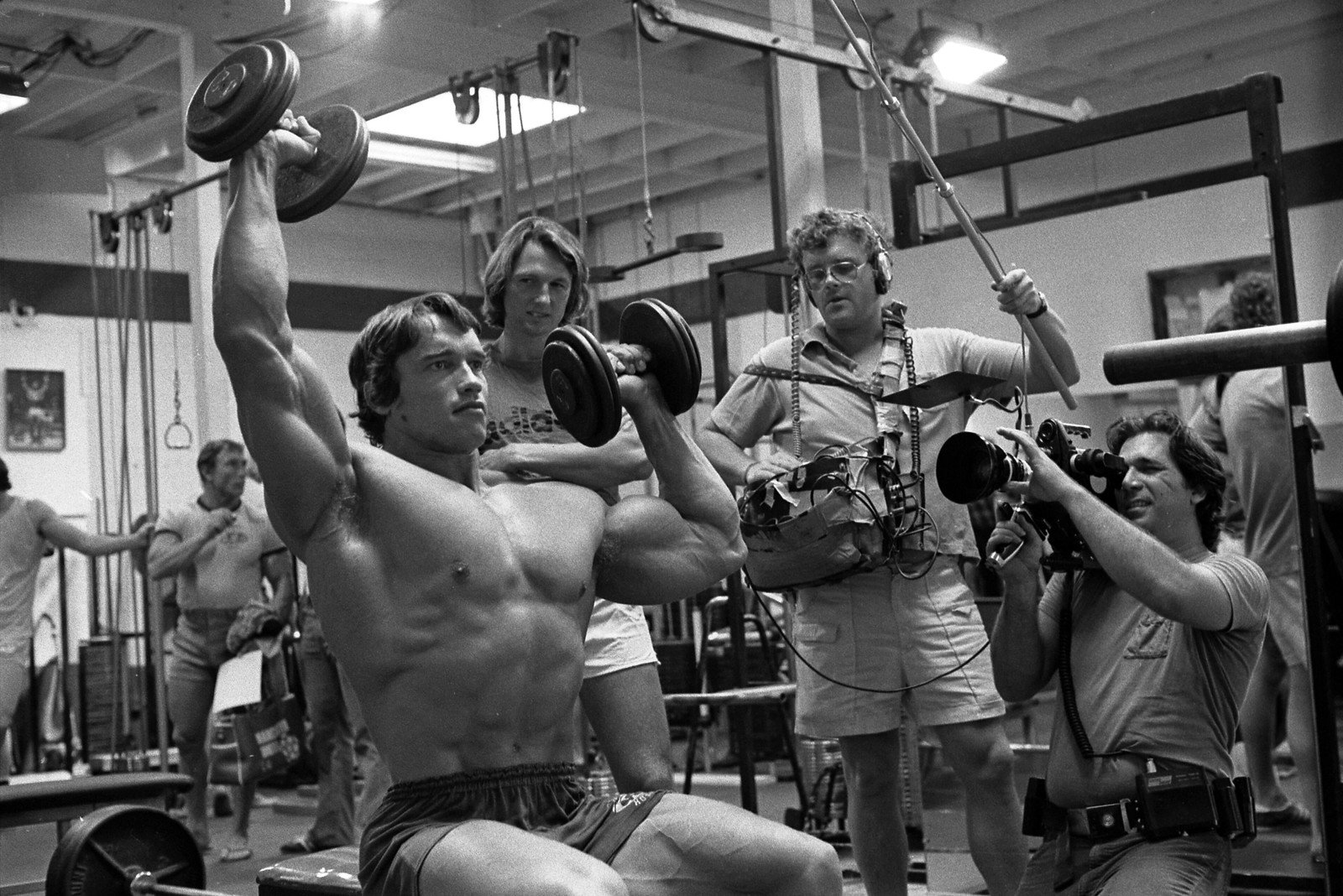
Use a light weight first and stop if your shoulders complain — this is an accessory move, not a max-effort lift. ⚠️
Tip 3: Use the Shocking Principle ⚡
Arnold believed muscles adapt fast, so he regularly changed something in his training to keep progress moving.
That could mean different rep ranges, a new exercise order, or a heavier day mixed in with lighter ones.
The modern version of the same idea is planned variety: change one variable at a time, so you can tell what actually worked.
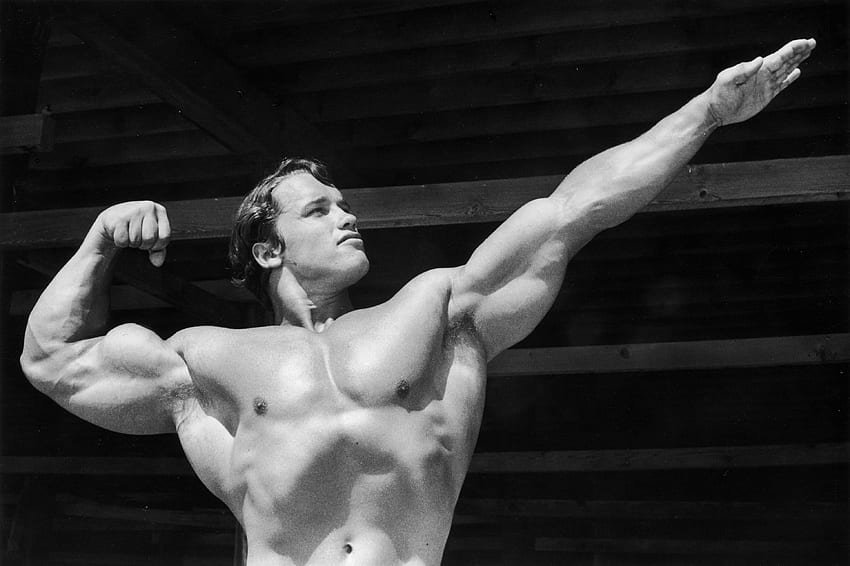
Random workouts every session are not a plan, though — variety works best inside a consistent routine. 📋
Tip 4: Get Some Rest 😴
Arnold was famously dedicated in the gym, but he also stressed that growth happens during recovery, not during the workout itself.
That means regular rest days, steady sleep, and not training the same hard muscles again before they have recovered.
In 2026, the message is the same one coaches repeat today: sleep, food and rest days are part of training, not a break from it.
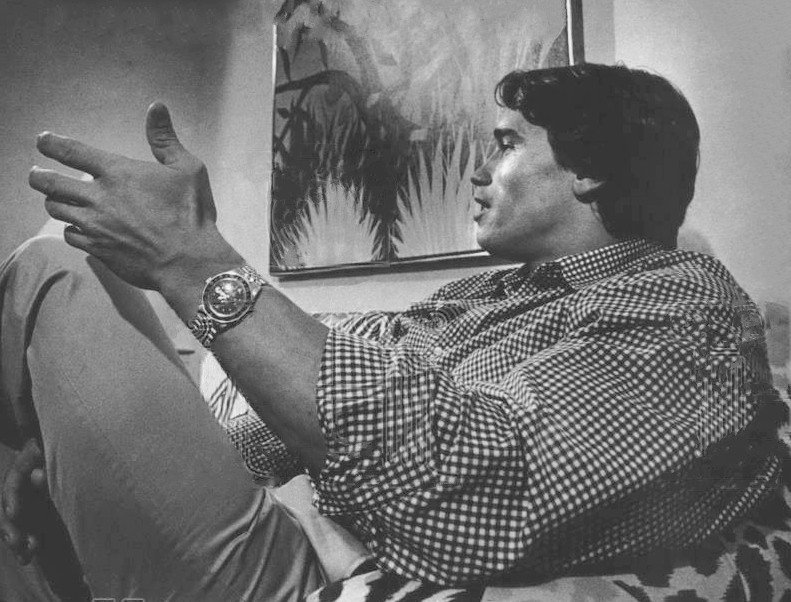
If you are always tired, sore or getting weaker, more training is usually the wrong answer. 🛑
Tip 5: Flex to Build Your Physique ✨
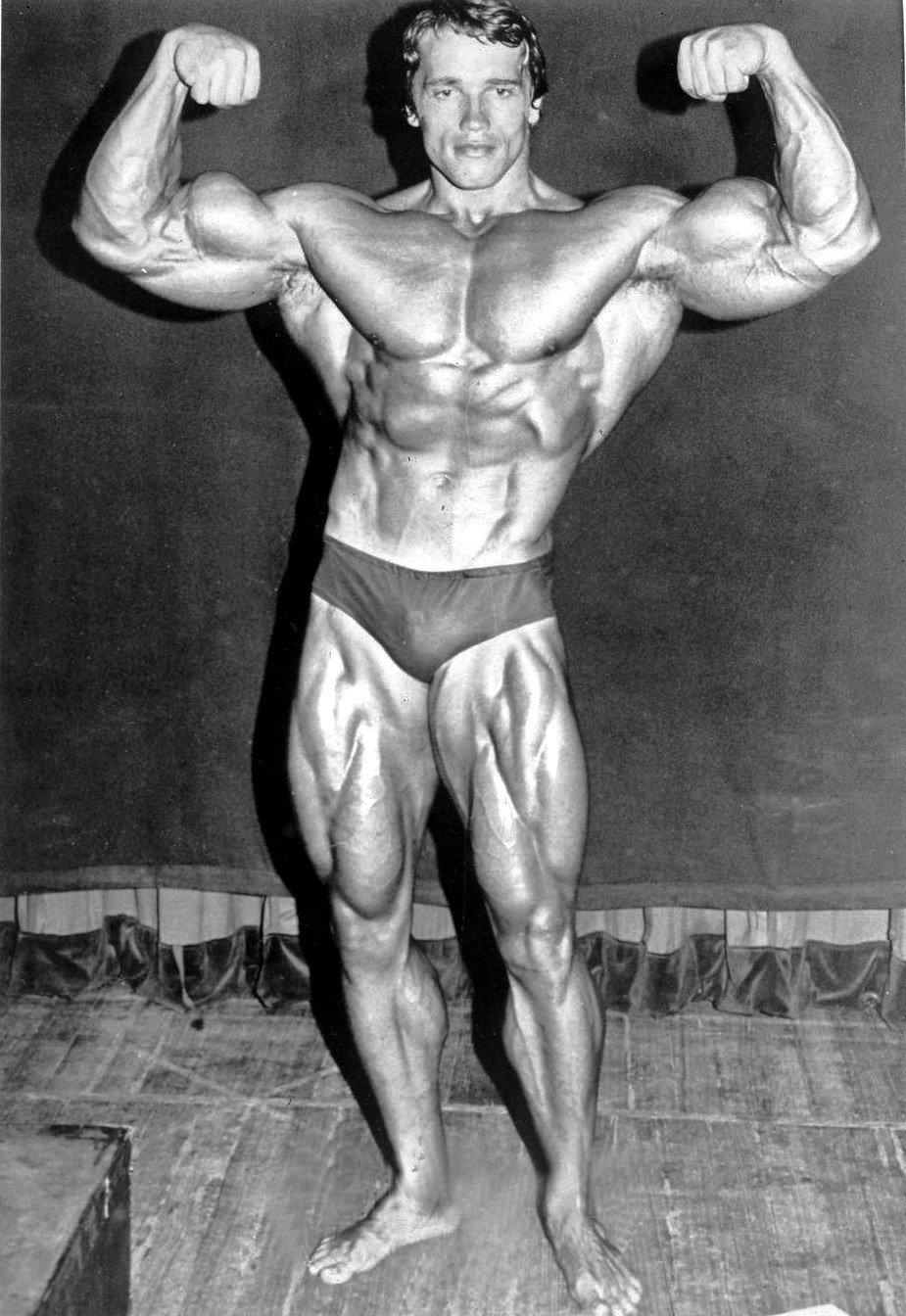
Posing is not just for the stage — Arnold treated it as a real part of training.
Holding poses between sets helps you learn to control each muscle, and it shows up weak points your regular lifts can hide.
It also builds the mind-muscle connection: you learn what a muscle working properly actually feels like.
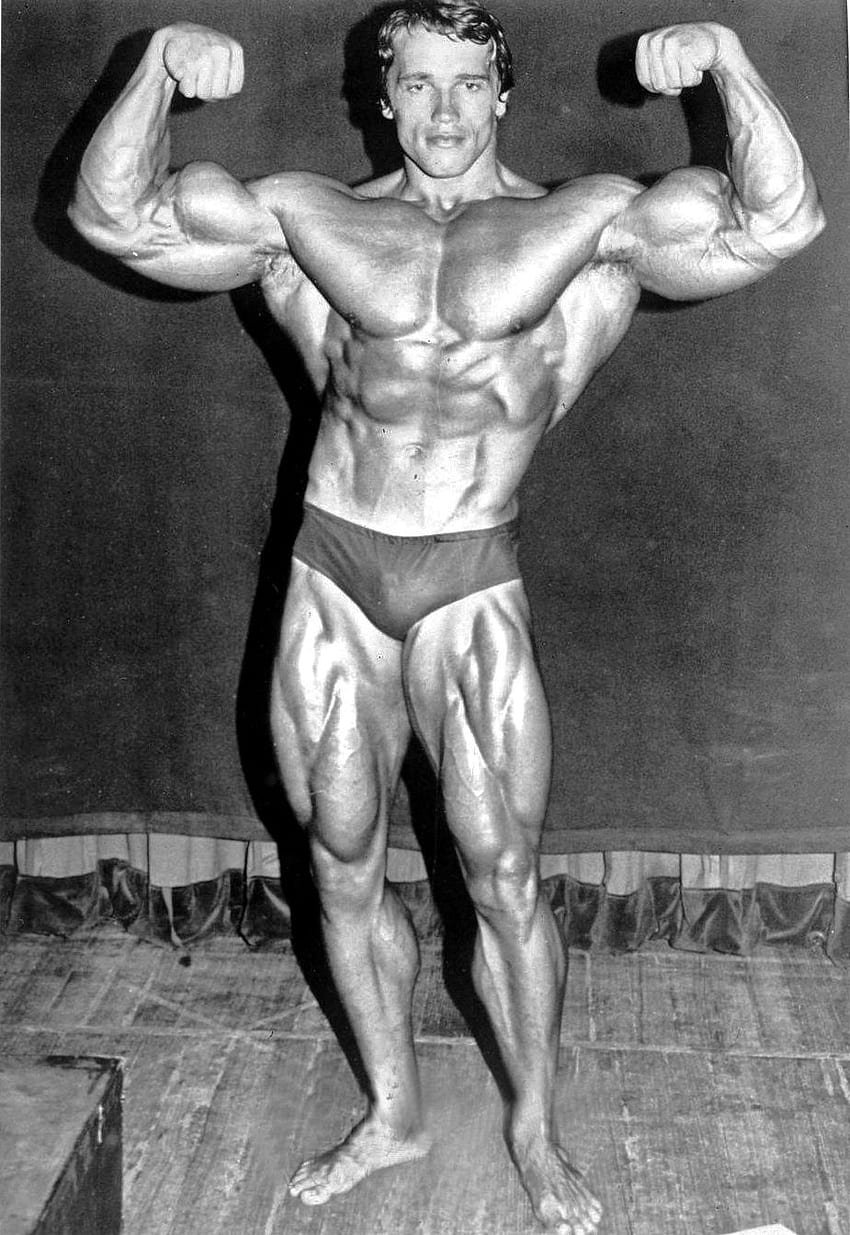
You do not need to pose like a competitor — a few controlled holds after your session are enough to start. 💪
Tip 6: Deadlifts for Grip Strength 🏋️
Grip strength is easy to overlook, but a weak grip limits how much you can lift on pulls, rows and carries.
Arnold credited heavy deadlifts for much of his grip strength, and farmer’s walks — walking while carrying weights — are another practical grip builder.
If your grip gives out before your back or legs do, add dedicated grip work rather than relying on straps for every set.
Learn deadlift form properly first, ideally with a coach, because this is a lift where technique matters most. ⚠️
Tip 7: Dial 4-1-1 — Control Your Tempo ⏱️
Tempo means how fast you lift: Arnold’s “4-1-1” example was four seconds lowering the weight, a one-second pause, then one second lifting it back.
Slowing the lowering phase forces control, a fuller range of motion, and less bouncing or swinging.
Try it on lighter sets first — slow, controlled reps feel very different from rushed ones, and the weight will need to come down.
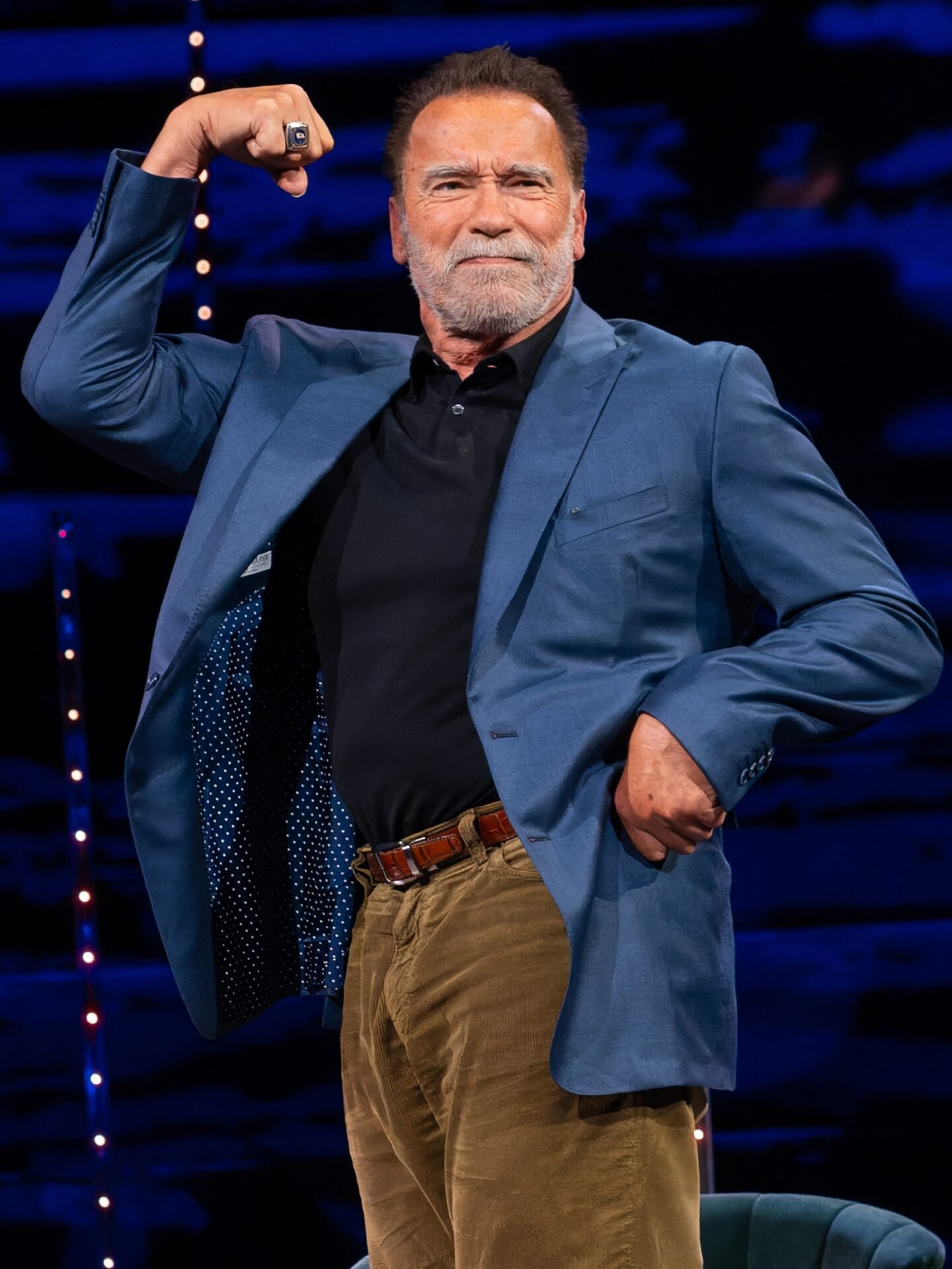
Tempo is a tool, not a rule for every exercise: use it where control matters, and keep explosive lifts for when your form is solid. ✅
Tip 8: Make Your Routine Automatic 🔁
Consistency was Arnold’s real superpower — he built training into his day so it did not depend on daily motivation.
A fixed training time, a packed gym bag and a simple plan remove the small decisions that lead to skipped sessions.
Start with a routine you can actually repeat three or four times a week, rather than a perfect plan you abandon in two weeks.
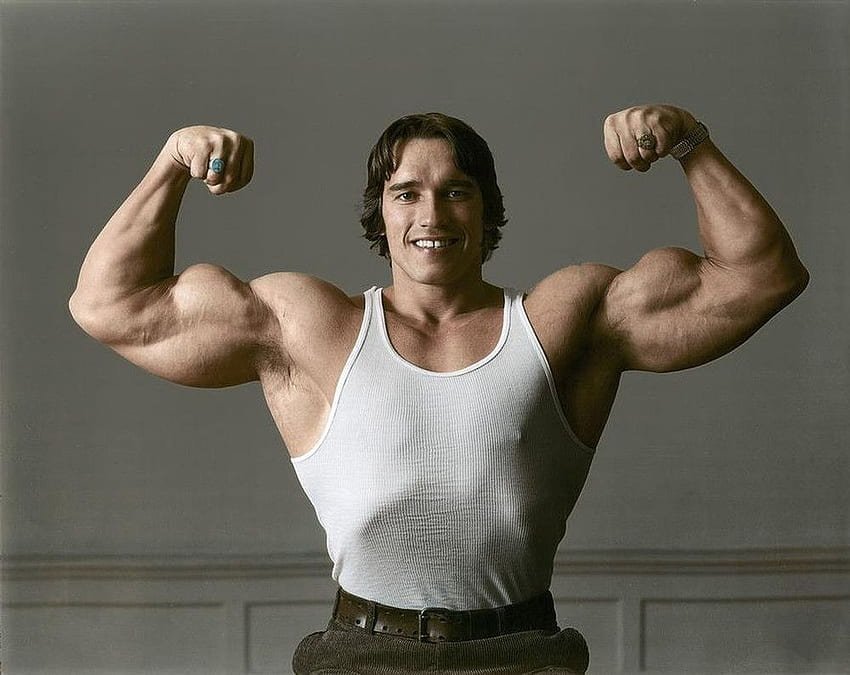
When training becomes a habit, willpower stops being the thing your progress depends on. 🌱
Tip 9: Protein Matters. A Lot 🥩
Arnold built his eating around protein, using a simple rule of thumb of about one gram of protein per pound of body weight.
That figure is a starting guideline, not a prescription — individual needs vary with size, goals and total diet, so adjust sensibly.
Spread protein across your meals, build meals around whole foods first, and for a deeper guide see our protein powders guide.
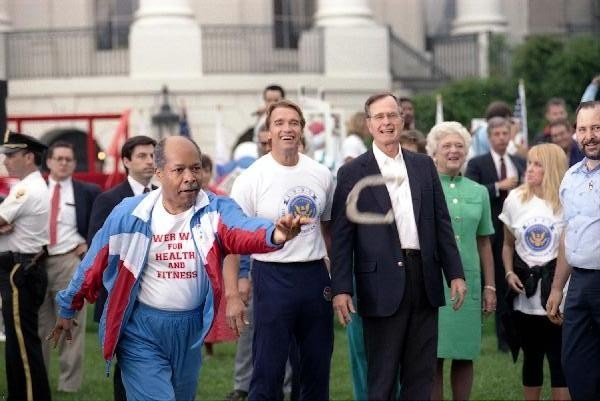
Supplements can fill gaps, but they do not replace regular meals, sleep and consistent training. 🍽️
Learning from a Legend 🌟
Arnold’s nine tips come down to a few timeless ideas: train hard, train smart, recover properly, and show up again tomorrow.
None of this is one-size-fits-all — adapt the principles to your level, and get advice from a qualified coach if you are new to lifting.
His discipline, not any single exercise, is the lesson that has lasted longest — and it is still the one most worth copying in 2026. 💪
For a different angle on his era, see how the sport has moved on in our guide to the rise of Korean bodybuilding.
Frequently Asked Questions ❓
How many Mr. Olympia titles did Arnold Schwarzenegger win?
Seven — six straight wins from 1970 to 1975, plus a comeback win in 1980.
Are Arnold’s training tips still useful in 2026?
Yes, as principles — supersets, controlled tempo, posing practice, recovery and consistency are all still standard coaching advice, even if modern programs apply them differently.
Should beginners copy Arnold’s exact workouts?
No. His competition volume was built over years. Beginners should start with a simpler full-body routine and add volume gradually.
What is the 4-1-1 tempo?
Four seconds lowering the weight, a one-second pause, then one second lifting it — a way to practise control, best tried with lighter weights first.
How much protein do I need?
Arnold’s rule of thumb was about one gram per pound of body weight, but needs vary — use it as a starting point and adjust for your size, goals and diet.