

Arnold Schwarzenegger is one of the rare figures who conquered three completely different worlds — and became a legend in all three. 🏆
From a small village in Austria, he rose to dominate bodybuilding, then Hollywood, then California politics.
This is the full-career retrospective: the arc, the comebacks, and the legacy. For his complete contest record and measurements, see our dedicated Arnold Schwarzenegger biography — this article tells the story behind those numbers, not the stats table all over again.
🌍 From Thal to the World Stage
Arnold Alois Schwarzenegger was born on 30 July 1947 in Thal, a village near Graz, Austria.
His father Gustav was a police chief, and his mother Aurelia kept house. The family lived modestly in post-war Austria.
As a teenager, Arnold fell in love with strength. He idolised British champions Reg Park and Steve Reeves — men who had turned muscle into movie careers.
That was the blueprint he decided to follow, and he never really left it.
💪 The Army, the AWOL Win, and the Move to Munich
At 18, Arnold joined the Austrian Army for his compulsory service in 1965.
During that service he slipped away without leave to compete in the Junior Mr. Europe contest — and won it.
The punishment was a spell in military detention. The prize was the first real proof that he could win at a high level.
After his discharge he moved to Munich, Germany, worked in a gym, and trained full-time. Bodybuilding was no longer a hobby. It was the plan.
🏅 Five Mr. Universe Titles Before Olympia
Arnold’s rise through the Mr. Universe ranks was fast, and the record is worth getting exactly right.
He won the NABBA Mr. Universe amateur title in London in 1967, at just 20 years old — the youngest winner of that title at the time.
He then won the NABBA professional Mr. Universe crown three years running, in 1968, 1969 and 1970.
Alongside those, he won the IFBB Mr. Universe title in 1969. That makes five Mr. Universe titles in total — not four, as some summaries claim.
There were lessons in defeat too. He finished second in the 1968 IFBB Mr. Universe to Frank Zane, a smaller, sharper physique beating raw size — a lesson about shape and conditioning that shaped the rest of his career.
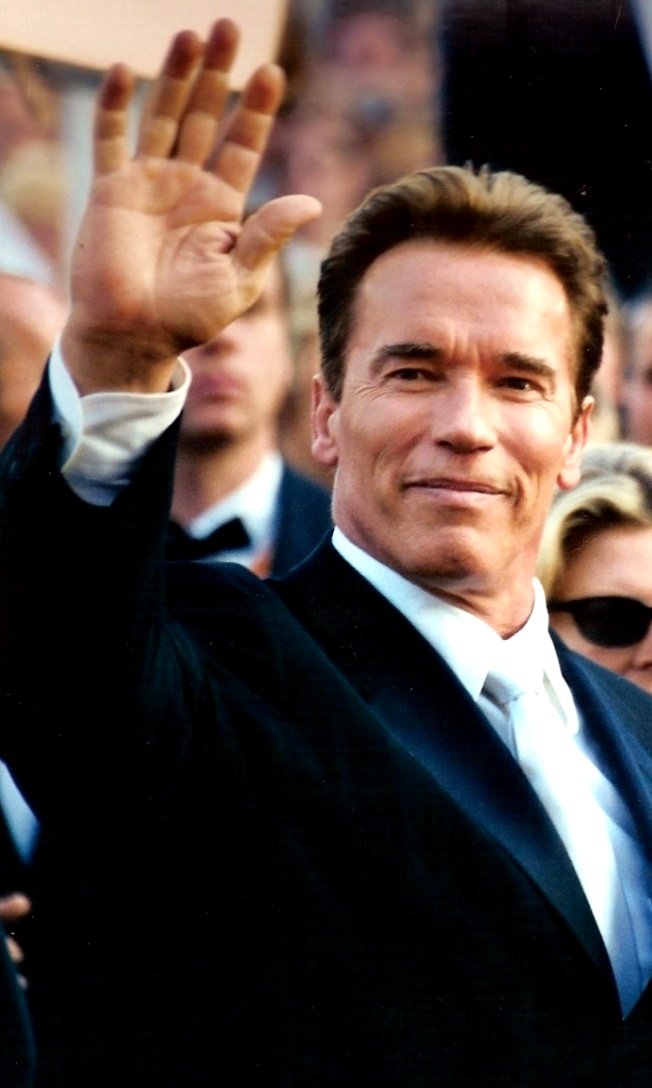
👑 The Olympia Reign: Six Straight, Then the Comeback
Arnold’s first Mr. Olympia appearance, in 1969, ended in defeat. Sergio Oliva — “The Myth” — beat him.
It was the only Olympia loss of his career. He never lost on that stage again.
From 1970 to 1975 he won six Mr. Olympia titles in a row, beating Oliva for the first time along the way and holding off every challenger of the golden era.
His calling cards were size with shape: a huge chest, famous biceps, and a tiny waist by comparison. The vacuum pose became his signature.
Then he walked away. He won the 1975 Olympia — he did not lose it — and retired from competition to focus on acting.
The 1975 contest became the subject of Pumping Iron (1977), the documentary that took bodybuilding mainstream and made Arnold a household name beyond the gym world.
🎬 Hollywood: From Dubbed Debut to “I’ll Be Back”
Arnold’s first film was Hercules in New York (1970), where his thick Austrian accent meant his lines were dubbed.
His breakthrough came with Conan the Barbarian (1982), playing the sword-wielding warrior he had been built to play.
Then came The Terminator (1984). As the ruthless cyborg, with the line “I’ll be back,” he became a global superstar.
The hits kept coming: Commando, Predator, Total Recall, True Lies — plus comedies like Twins and Kindergarten Cop that showed he could laugh at his own image.
By the early 1990s he was one of the highest-paid actors in Hollywood. The bodybuilder had become a box-office brand.
🔥 The 1980 Comeback — Bodybuilding’s Most Argued Win
Five years after retiring, Arnold returned to the Mr. Olympia stage in Sydney in 1980 — and won a seventh title.
Let us be plain about it: the 1980 win remains one of the most controversial decisions in the sport’s history.
Many competitors and fans felt his conditioning, especially his legs, was below the standard of that year’s field. The crowd booed the result.
But the record is the record: seven Mr. Olympia titles — 1970, 1971, 1972, 1973, 1974, 1975 and 1980. He retired from competition for good after that win.
For context on what came next in the sport, only two men have ever passed his total: Lee Haney and Ronnie Coleman, with eight Olympia wins each.
🏛️ Governor of California, 2003–2011
Arnold’s most unexpected reinvention was politics. A registered Republican, he had earlier chaired the President’s Council on Physical Fitness and Sports under George H. W. Bush.
On 7 October 2003, he won California’s recall election, replacing Governor Gray Davis, and was sworn in on 17 November 2003.
He won a full term in 2006, and left office in January 2011 when term limits barred him from running again. Jerry Brown succeeded him.
His governorship mixed environmental initiatives with bipartisan deal-making — and, like every governor, it had its critics and its setbacks.
He returned to acting after leaving office, including the Expendables films and Terminator Genisys (2015).
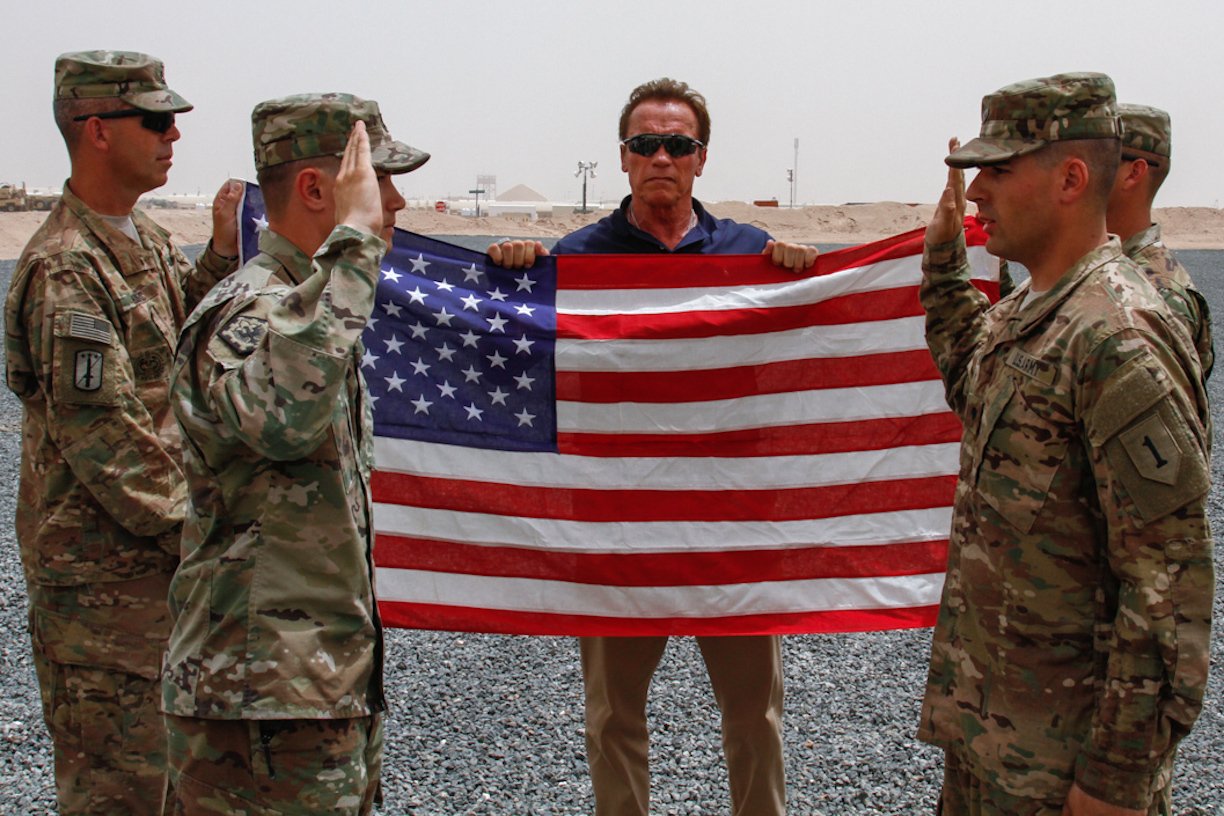
🏟️ The Arnold Classic: His Second Bodybuilding Legacy
Arnold never really left bodybuilding — he just changed his role in it.
In 1989, he and Columbus promoter Jim Lorimer co-founded the Arnold Classic, which grew into the Arnold Sports Festival.
It is now the sport’s second-biggest stage after the Olympia itself, and the place where new stars announce themselves.
That matters for his legacy. The Olympia made Arnold famous; the Arnold Classic made him a builder of the sport, not just a champion of it.
🌟 Arnold in 2026: Still Fronting the Sport at 79
Arnold turned 79 on 30 July 2026 — and he is still the public face of the Arnold Classic.
In 2026 he has continued to appear at Arnold Classic events and to talk publicly about the sport’s growth — including how far prize money has come since his own Olympia wins, when the winner’s purse was a fraction of today’s six-figure Arnold Classic prizes.
He has also spoken about a long-dreamed King Conan project returning him to the role that launched his film career. Treat that as a talked-about plan, not a finished film — no completed movie has been released.
What is certain is the shape of the legacy: no one else has combined a golden-era Olympia reign, a Hollywood peak, a governorship, and a namesake contest that still runs today.
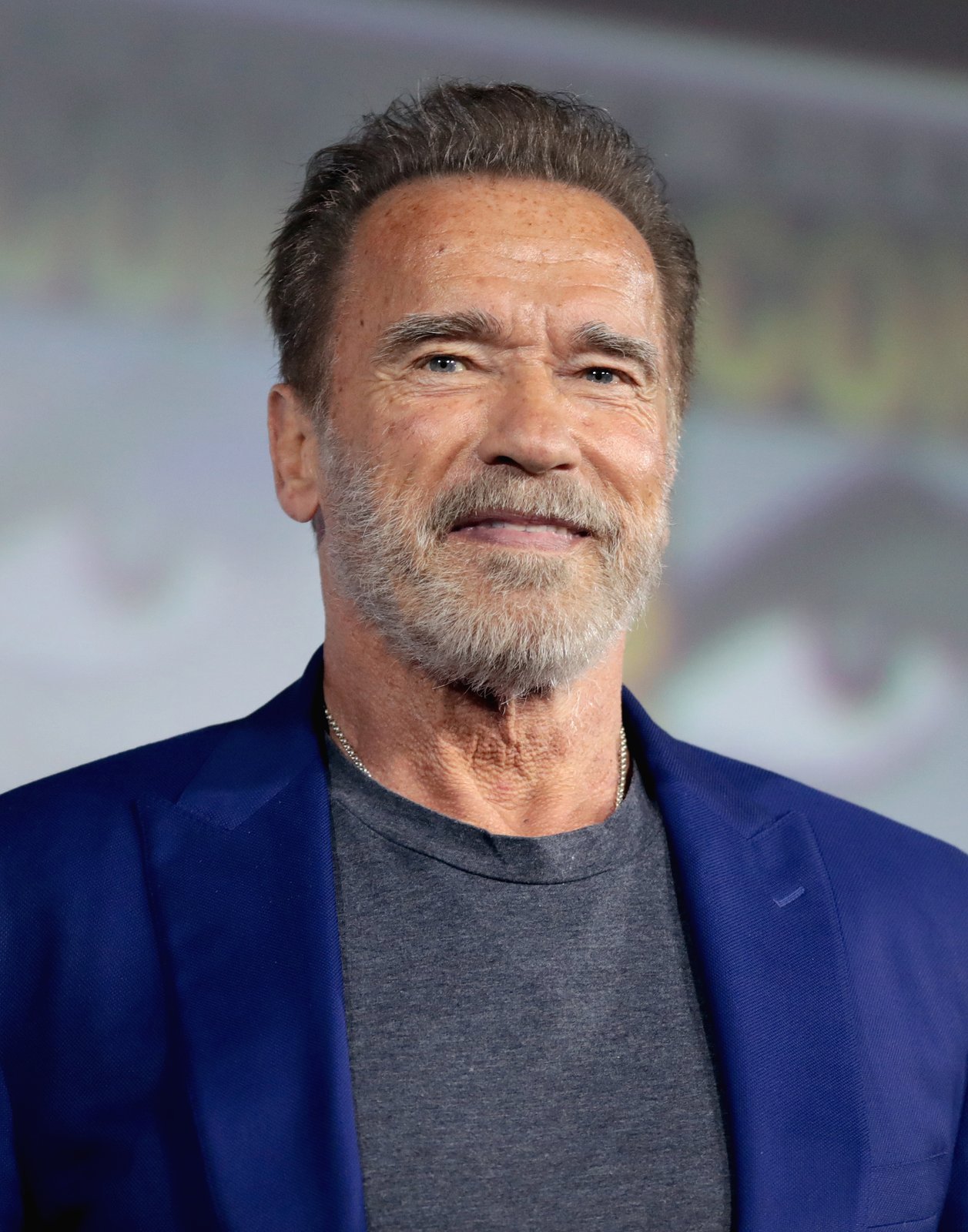
💡 Why the “Austrian Oak” Still Matters
Arnold’s real gift was reinvention without apology. Each career ended on his terms — or at least on a decision he made himself.
He brought showmanship to bodybuilding, muscle to Hollywood, and celebrity to Sacramento. Every field he entered got bigger because he was in it.
For lifters, the lesson is simpler: train hard, pose well, and think beyond the stage. Arnold’s career is proof that the stage can be a beginning, not a ceiling. 💪
For the full contest-by-contest record, visit the Arnold Schwarzenegger biography on this site.
❓ Frequently Asked Questions
How many Mr. Olympia titles did Arnold Schwarzenegger win?
Seven — six in a row from 1970 to 1975, plus a comeback win in 1980. He lost only once at the Olympia, to Sergio Oliva in 1969.
How many Mr. Universe titles did Arnold win?
Five in total: the 1967 NABBA amateur title, the NABBA professional title in 1968, 1969 and 1970, and the 1969 IFBB Mr. Universe title.
When was Arnold Schwarzenegger governor of California?
From November 2003 to January 2011. He won the 2003 recall election, won a full term in 2006, and left office when term limits applied.
What is the Arnold Classic?
A bodybuilding contest Arnold co-founded with Jim Lorimer in 1989 in Columbus, Ohio. It grew into the Arnold Sports Festival, the sport’s second-biggest event after Mr. Olympia.
Is Arnold Schwarzenegger still involved in bodybuilding in 2026?
Yes. At 79, he remains the public face of the Arnold Classic and continues to appear at its events and speak about the sport’s growth.