

Jeremy Buendia won the Men’s Physique Olympia four times in a row, from 2014 to 2017. 🏆
Long after that run ended, he shared a short list of training intensifiers in a social-media post in late 2023.
This refreshed guide looks back at those four methods exactly as he described them, and updates the story around them. 📖
It describes history, not a workout plan, and it makes no promise about what any method will do for anyone else.
The Champion Behind the Methods

Buendia turned professional in 2013 and finished second in his first Men’s Physique Olympia that year.
He then won the title in 2014, 2015, 2016 and 2017, holding off rivals such as Sadik Hadzovic, Ryan Terry and Andre Ferguson along the way.
He placed fourth at the 2018 Olympia and then stepped away from the stage for five years.
His comeback came at the 2023 Olympia, where he finished eighth, in a contest won by Ryan Terry. The full result is recorded in the site’s 2023 Men’s Physique Olympia results post.
The intensifiers below come from that comeback period, when Buendia was talking publicly about how he trained. 🎤
Time Under Tension

The first method was time under tension, focused on the lowering part of each repetition.
Buendia described a three-second negative motion during each rep, meaning the weight was lowered slowly rather than dropped.
His point, in his own framing, was about attention: he said lifters going through straight reps with their minds not engaged were not using their gym time well.
As he put it, “While training, straight reps up and down, up and down, with your mind not engaged during your workout.” 💭
The idea he presented was simple: slow the lowering phase down, and stay focused on the muscle doing the work.
Partial, Partial, Full

The second method was a rep pattern Buendia called partial, partial, full.
It meant performing two partial reps, then one full repetition, as a single sequence.
He also described a second use for partial reps: at the end of a set, when full reps became hard to complete, he switched into partial reps.
He described those finishing partials as covering roughly half to three-quarters of the movement, from a full stretch toward the contraction.
In his account, the pattern was a way to keep a set going after full-range reps had run out. 🔁
Static Holds

The third method was static holds, built on isometric contractions.
Buendia described it as one side holding a contraction while the other side completed the repetitions.
For an arm movement, that meant one arm stayed fixed in a held position while the other arm did the reps.
He presented it as a way to keep tension on a muscle group while the working side moved through its reps. ✋
The hold and the reps happened at the same time, which was what made the method different from a normal set.
Drop Sets

The fourth method was drop sets, the oldest intensifier on his list.
Buendia described starting with a heavier weight, completing 8 to 10 reps, then dropping the weight and continuing the set.
The set continued after the weight change until he could not complete more reps with good form.
His framing was straightforward: the weight drop let the set go further than a single-weight set would. ⬇️
Of the four methods, this was the one he tied most directly to finishing a muscle group off at the end of a session.
What Has Changed Since the Original Guide

The original January 2024 article ended by looking ahead to Buendia’s 2024 season. That season did not happen as planned.
In April 2024, Buendia ruptured his Achilles tendon in a running accident, and in May 2024 he re-ruptured the same tendon and had further surgery.
He announced at the time that his 2024 contest season was over, saying, “The 2024 competition season looks like a wrap for me.”
He later planned a first Arnold Classic appearance in 2025, but in December 2024 he confirmed he would not compete there either.
None of that changes the four methods above, which remain a record of what he described in late 2023. 🕰️
Readers who want the wider Men’s Physique picture can also revisit the site’s refreshed profiles of Brandon Hendrickson and Sadik Hadzovic, plus the wave-33 showdowns Derek Lunsford vs Phil Heath and Dorian Yates vs Ronnie Coleman.
Frequently Asked Questions

What four training intensifiers did Jeremy Buendia name?
Time under tension, partial reps, static holds and drop sets, all shared in a social-media post in late 2023.
How many Men’s Physique Olympia titles did Buendia win?
Four, in consecutive years from 2014 to 2017, after a second-place finish in 2013.
Where did Buendia finish at the 2023 Olympia?
Eighth in Men’s Physique, in his first Olympia appearance since 2018. Ryan Terry won that contest.
Did Buendia compete in 2024?
No. An Achilles rupture in April 2024, then a re-rupture and surgery in May 2024, ended his contest season.
Is there a fuller Buendia training article on this site?
Yes, the site’s separate Jeremy Buendia diet plan and workout routine post covers his wider routine, while this guide covers only the four intensifiers.
The Takeaway
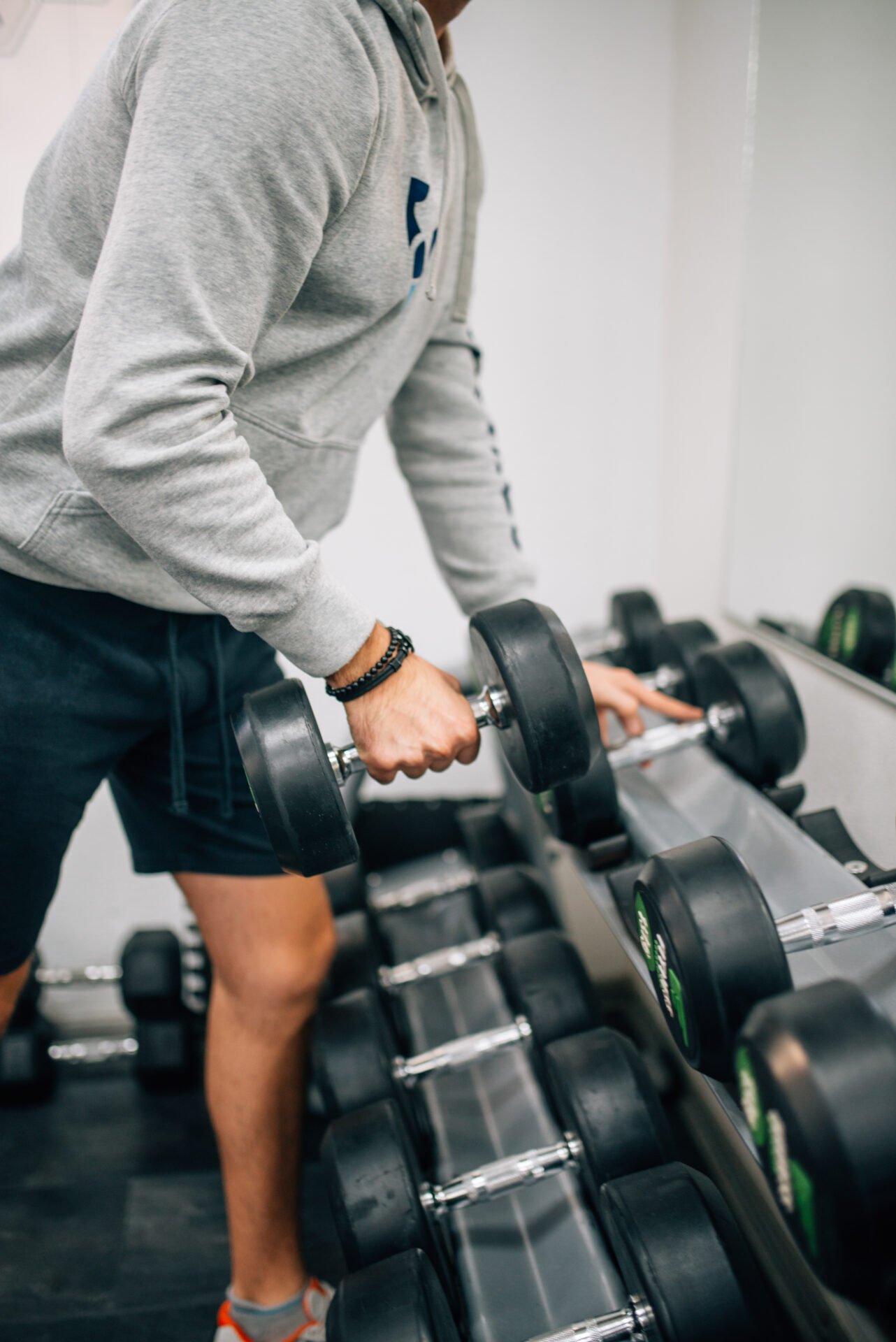
Buendia’s list was short on purpose: slow the lowering phase, mix partials into full reps, hold one side still, and drop the weight to extend a set. ✨
Each method was something he had used himself, described in his own words during his comeback period.
That is the value of this guide as a historical record: four clear ideas, from a four-time champion, preserved with the later career update attached. 🏆