

Some lifters collect exercises. Chris Bumstead, when asked to keep just ten, went the other way. 🏋️
In July 2023, on Chris Williamson’s podcast, he was asked a simple question: if he could only do ten exercises for the rest of his life to stay as muscular as possible, what would they be?
His answer was a list of basics, not tricks. It leaned on big compound lifts, with a few focused extras for shoulders, arms and abs.
This refresh looks back at that list with the record corrected. Bumstead went on to win a sixth straight Classic Physique Olympia title in 2024, then retired from Classic Physique competition on that stage.
So this is a historical list, not a current training plan. It describes what one great champion picked, and why — it is not a promise that copying it builds the same physique.
For Bumstead’s full career story, see his refreshed biography.
Here are the ten exercises, in the order he named them:
- Barbell Back Squat
- Barbell Deadlift
- Neutral-Grip Pull-Ups
- Incline Dumbbell Bench Press
- Seated Dumbbell Shoulder Press
- Close-Grip Barbell Bench Press
- Dumbbell Biceps Curl
- Bent-Over Row
- Hanging Leg Raise
- Lateral Raise (with Overhead Triceps Extension as the close second)
Two of the ten have no verified standalone photo, so they appear as prose inside the closest pictured section rather than under their own heading. Nothing here is pictured with a photo that is not the exercise described.
Barbell Back Squat
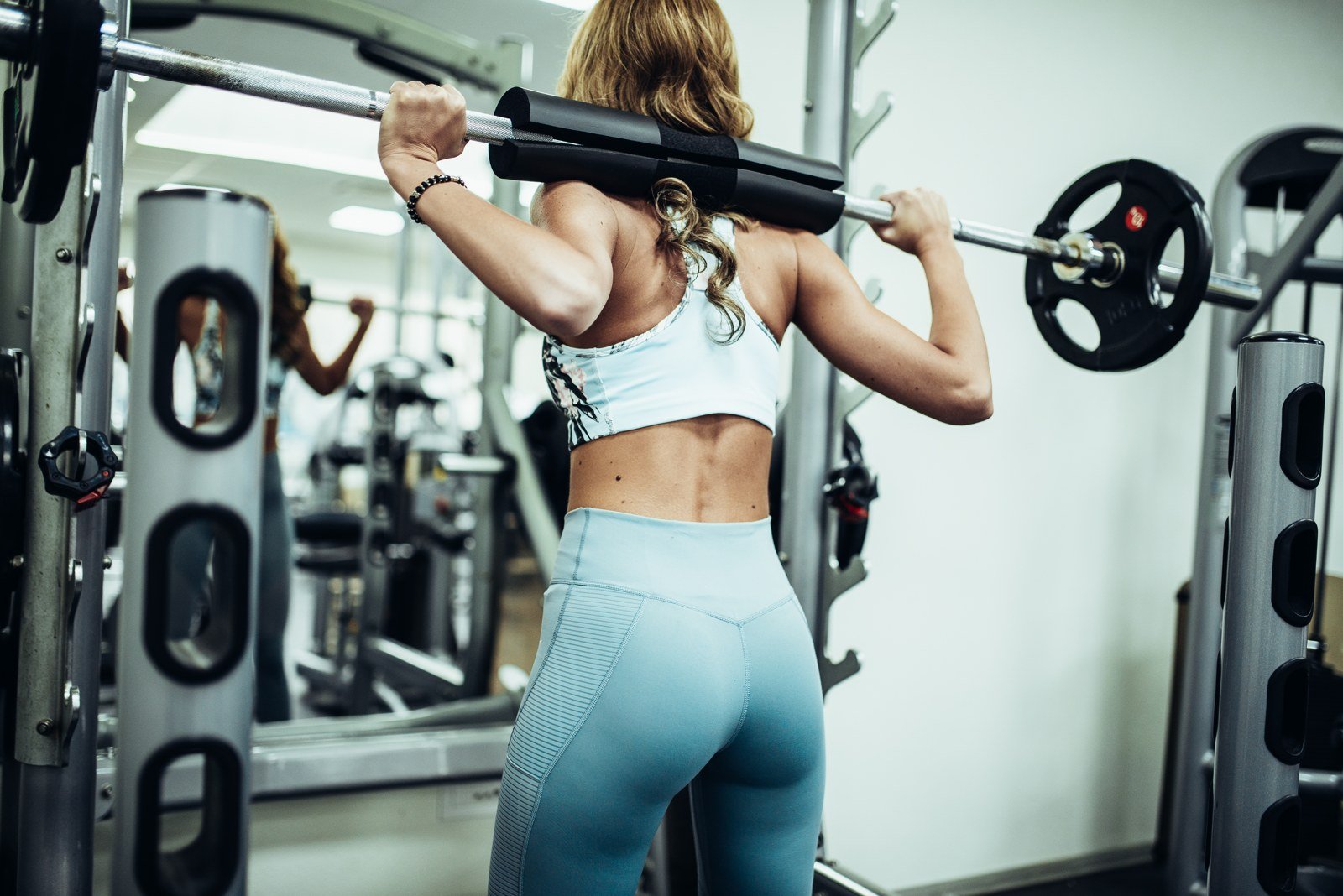
Photo: Nenad Stojkovic / Wikimedia Commons
Squats were the first exercise Bumstead named, with almost no hesitation. For him, they were the foundation of lower-body size, working the glutes and quads together.
He also had a twist on the classic version. For a lifetime of lifting, he said he might actually choose Smith machine squats, finding them easier on his knees and helpful for his own mechanics.
The fixed track gave him stability, which let him bias the movement toward his glutes and quads. It was a personal preference, shaped by his body — not a rule for everyone.
Barbell Deadlift
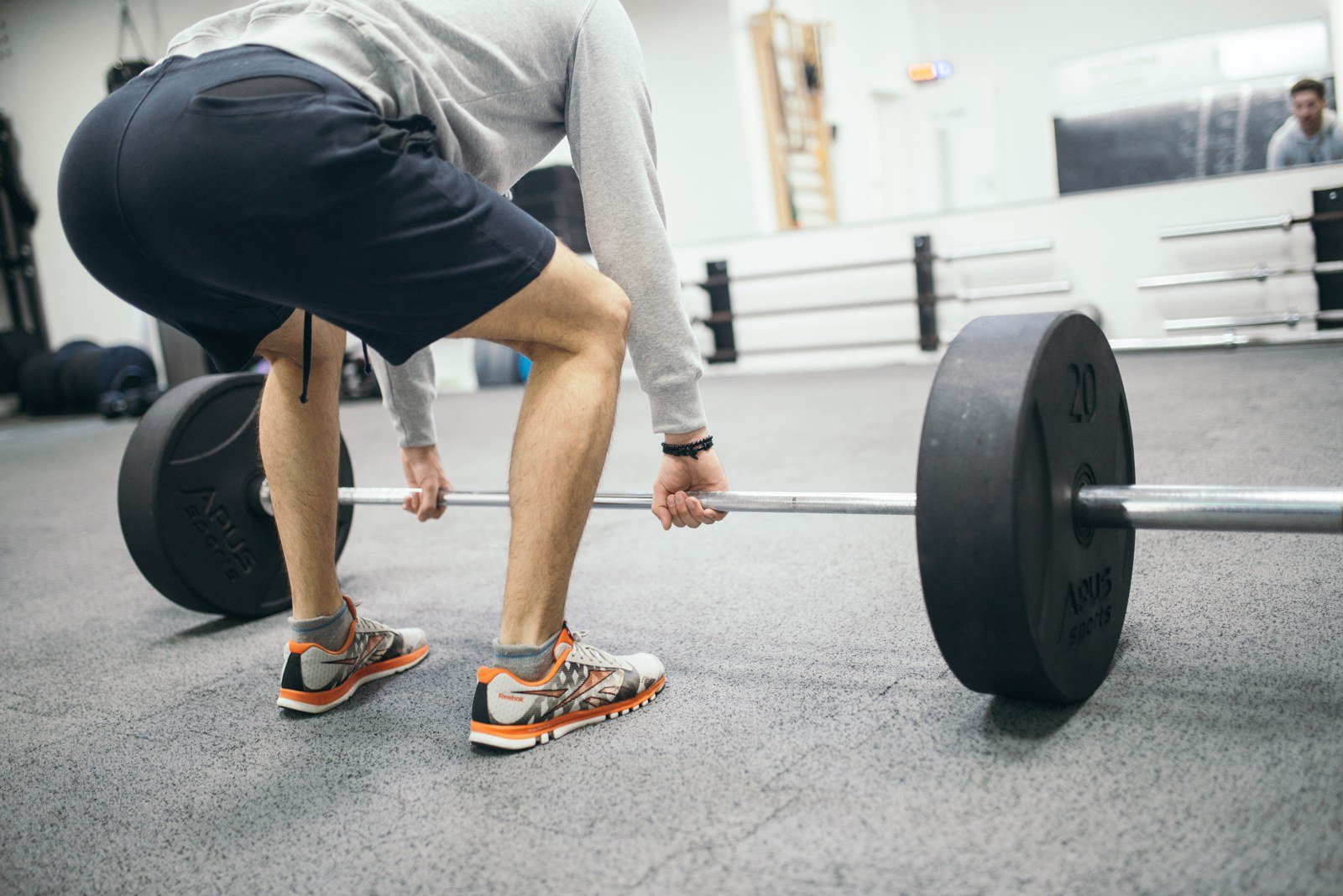
Photo: Nenad Stojkovic / Wikimedia Commons
The deadlift was his second pick, and it did a lot of jobs at once. It covered the hamstrings, glutes and back in a single lift.
That efficiency mattered to his list. By choosing one movement that built the whole posterior chain, he left room for other exercises elsewhere.
It is a demanding lift, so good technique and sensible loading matter more than chasing weight. If you are new to it, get a coach to check your form first.
Incline Dumbbell Bench Press
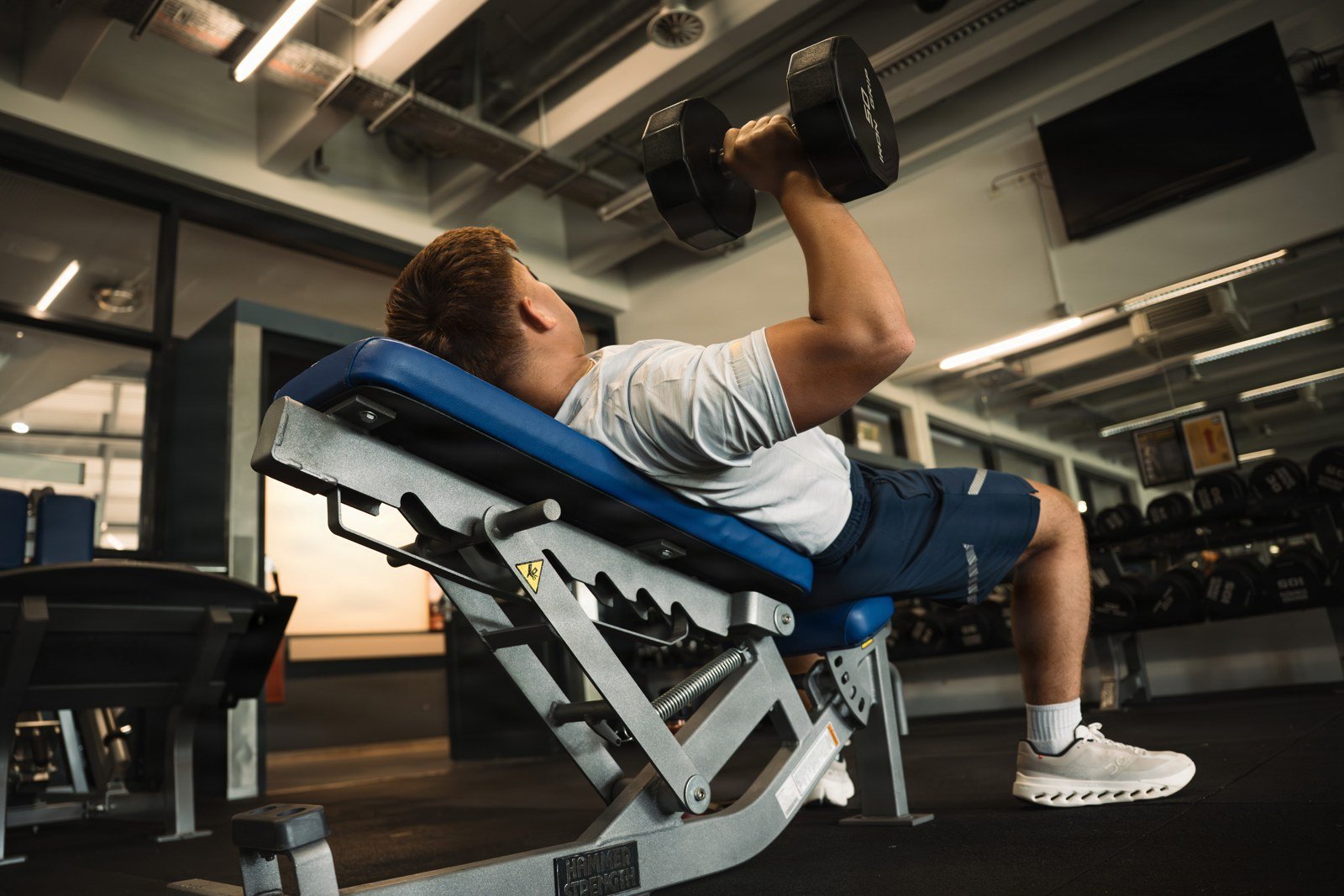
Photo: Paden Henry, U.S. Air Force / Wikimedia Commons
For his chest work, Bumstead picked the incline dumbbell press over flat pressing. He found it less taxing on his shoulders, and dumbbells let each side work on its own.
That independence was part of the appeal for a Classic Physique athlete. It helped him chase symmetry, with each arm pressing its own weight rather than a barbell evening things out.
The other press on his list: Close-Grip Barbell Bench Press. After thinking it over, Bumstead added the close-grip bench as a separate pick, because it trains the chest and triceps through a different range of motion than the incline press.
The narrower grip shifts more of the work to the triceps, which is why it earned its own place on the list. It is covered here in prose because no verified photo of a close-grip bench press was found for this refresh.
Seated Dumbbell Shoulder Press
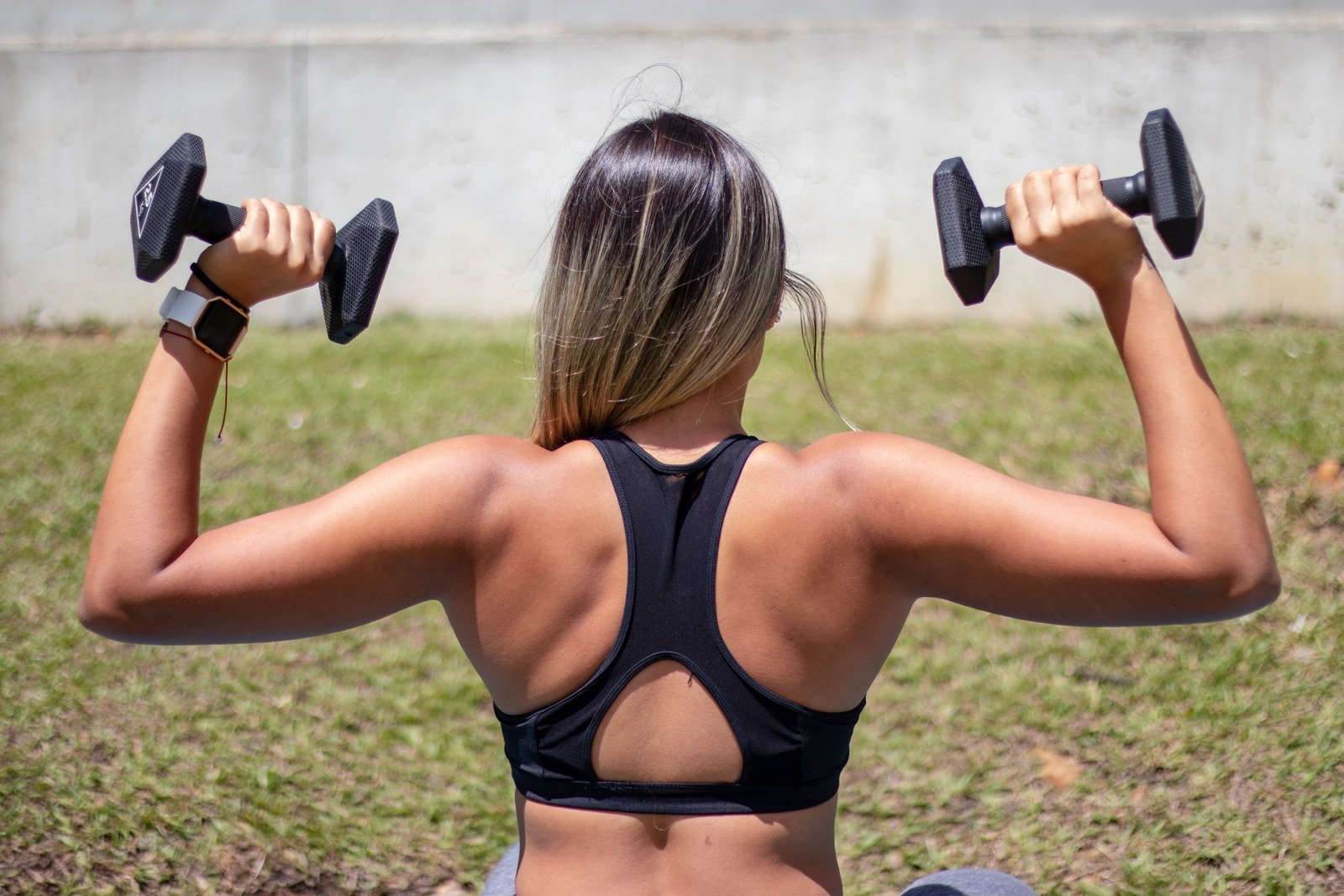
Photo: Tyler Read / Wikimedia Commons
The seated dumbbell shoulder press was a staple of his heavy lifting sessions. It targeted the shoulders first, with the triceps helping out.
Sitting down takes some of the body English out of the lift. That made it a steady, controlled way to press heavy for shoulder size.
It pairs naturally with the rest of his pressing picks. Between the incline press, this press and the close-grip bench, his upper-body pushing was well covered.
Dumbbell Biceps Curl
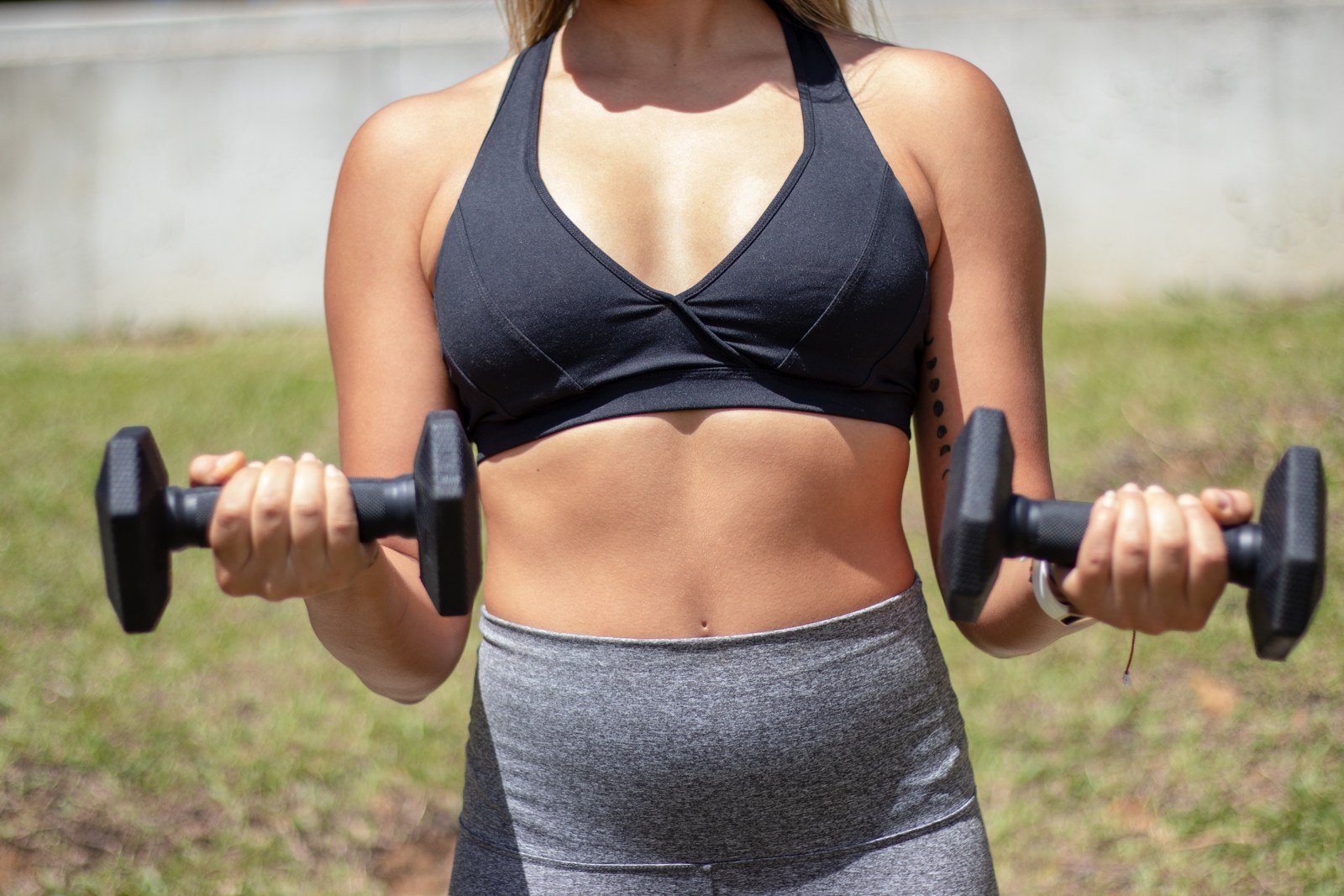
Photo: PTPioneer / Wikimedia Commons
For biceps, Bumstead kept it classic: standing dumbbell curls, one arm at a time, with a supinated grip (palms facing up).
It was the simplest pick on the list, and he treated it that way. No machine, no variation — just curls, done well.
The photo shows the standing dumbbell curl at its start position, with the weights held at the sides. Small detail, but it is the version he described.
Bent-Over Row
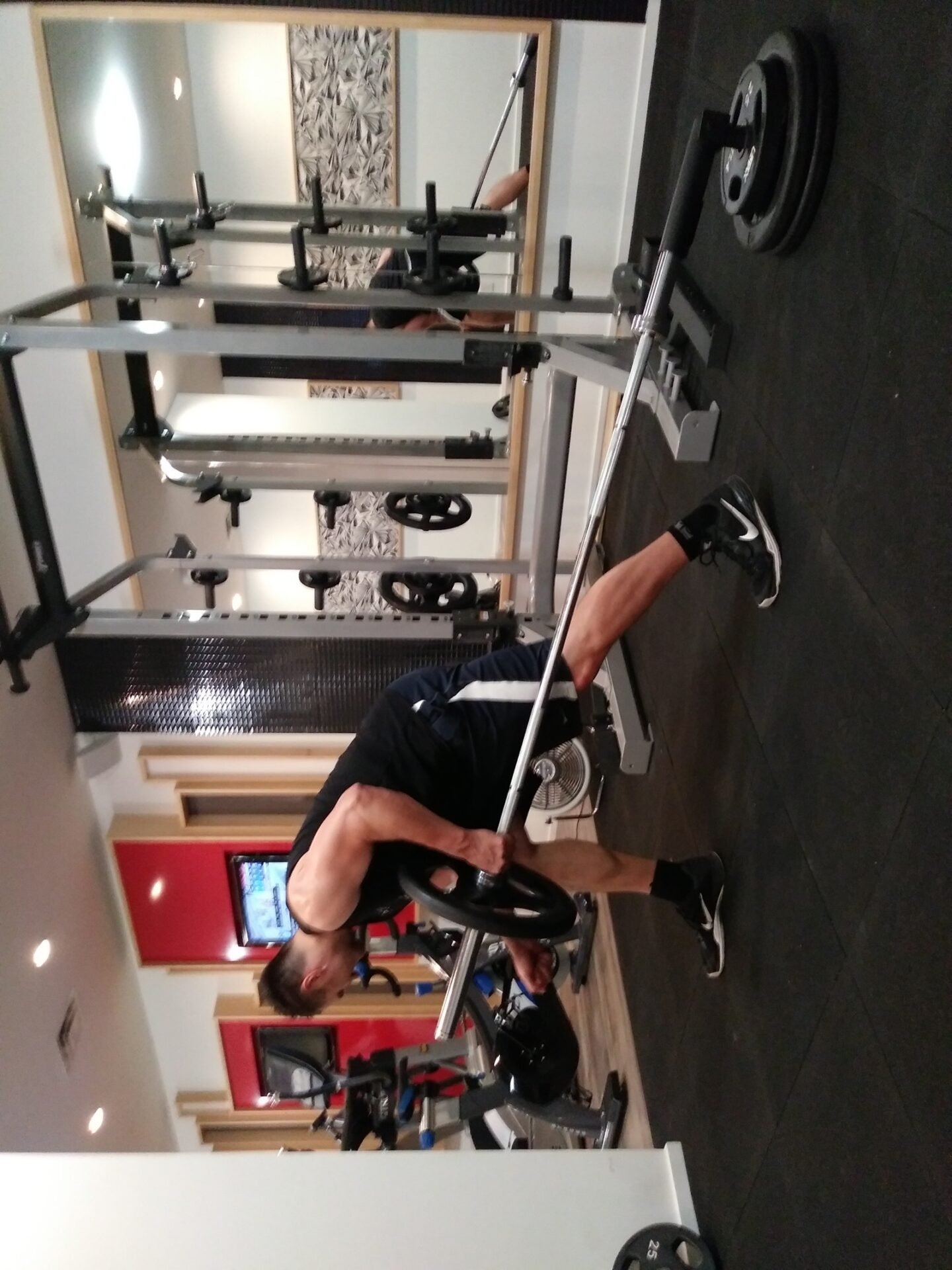
Photo: Eric Astrauskas / Wikimedia Commons
The bent-over row was his pick for back thickness. It works the upper and lower back together, and it asks the core to hold steady while you pull.
Depending on the angle of the pull, it can also reach the traps and rear delts. That made it a broad back builder rather than a narrow one.
The photo shows the landmine variant of the bent-over row, with one end of the barbell anchored and the other end pulled toward the torso.
The other back pick: Neutral-Grip Pull-Ups. When asked about grip, Bumstead answered with one word: neutral. Palms facing each other, he felt the movement better in his lats and biceps.
It is covered here in prose because no verified photo of a neutral-grip pull-up was found for this refresh. A generic pull-up photo was not used in its place.
Hanging Leg Raise
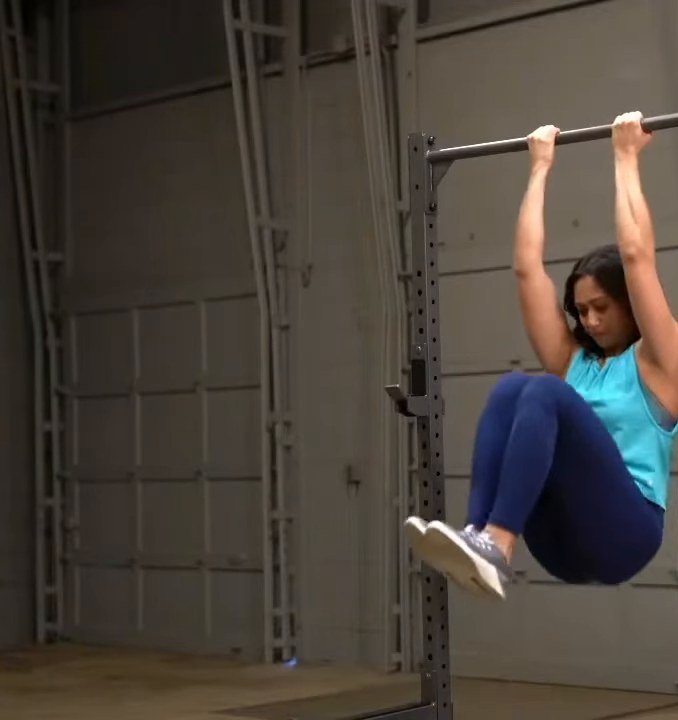
Photo: FitnessScape / Wikimedia Commons
For abs, Bumstead picked the hanging leg raise. His lower abs were a focus for him, and he felt this movement hit that area more than crunches or planks.
He also liked the bonus of the hang itself. Hanging from a bar, he said, felt good for his shoulders and spine — two benefits from one movement.
The photo shows the bent-knee form of the raise, with the knees lifted toward the chest from a dead hang. It is a still taken from a demonstration video, cropped to remove on-screen text, so it is smaller than the other body images.
A strong core carries over to the big lifts on this list, like the squat and deadlift. If hanging raises bother your shoulders or back, talk to a coach or clinician before trying them.
Lateral Raise
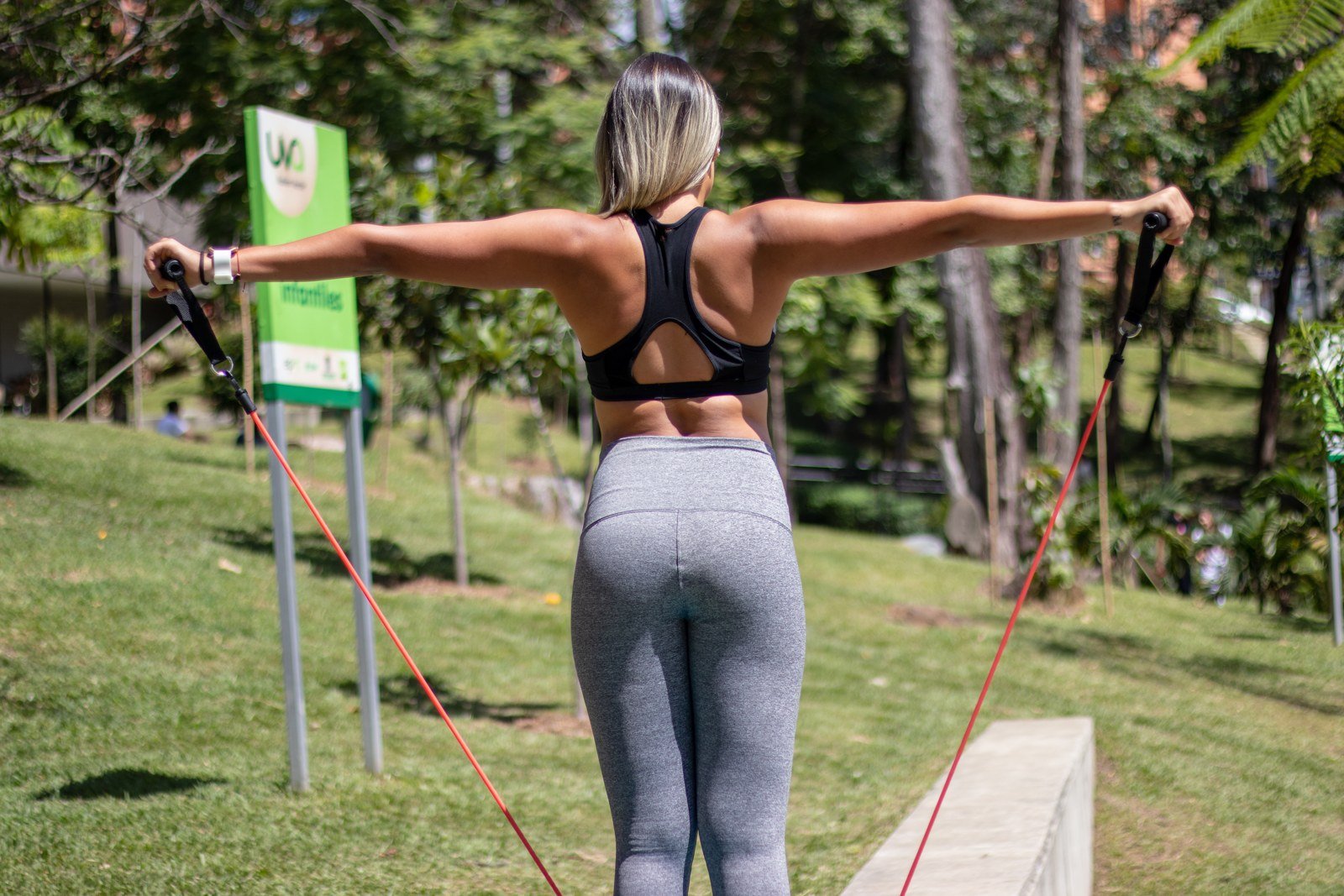
Photo: Tyler Read / Wikimedia Commons
The tenth slot was the hardest for Bumstead to fill. He debated between a medial delt movement and an overhead triceps extension, and leaned toward lateral raises.
His reasoning was simple: nothing else on the list trained the shoulders through that sideways plane. Lateral raises filled that gap and built the side delts he wanted.
The photo shows the lateral raise performed with resistance bands, arms lifted out to the sides. The movement is the same one Bumstead picked; only the equipment differs.
The overhead triceps extension stays on record as his close second for this slot. It was a genuine either-or choice, not a forgotten exercise.
The takeaways 💡
Look at the list as a whole and a pattern appears. It is mostly big, basic movements, chosen for balance across the body rather than novelty.
Legs, back, chest, shoulders, arms and abs all get a place. Nothing is there just because it looks impressive.
That is also what makes it a useful historical snapshot. It shows how a six-time Classic Physique Olympia champion thought about training at his peak — basics first, symmetry in mind, and his own body’s needs respected.
General fitness information only: this article describes what Bumstead said, it does not prescribe a programme. If you have an injury, a health condition, or you are new to lifting, get direction from a qualified coach or clinician first.
For more on the man behind the list, read Chris Bumstead’s biography, and for other physique-building ideas, see the best V-shape exercises and the top 15 bodybuilders in history.
Frequently asked questions ❓
Did Chris Bumstead really pick only these ten exercises?
Yes — in the sense that matters. He was asked what ten exercises he would keep if he could only do ten for the rest of his life, and this is the list he gave in July 2023.
It was a thought experiment, not his full training programme. His real training used far more than ten movements.
Is Chris Bumstead still competing?
No. He won his sixth straight Classic Physique Olympia title in 2024 and announced his retirement from Classic Physique competition on stage that night.
He has not returned to Classic Physique competition since, and no 2025 or 2026 contest result is claimed for him here.
Why is there no workout plan in this article?
Because Bumstead never gave one with this list. He named exercises and his reasons for them, not a programme to follow.
Turning his answer into a fixed plan with sets and reps would put words in his mouth, so this refresh stays with what he actually said.