

Most bodybuilders chase trophies. Craig Golias chased something else entirely: size — as much of it as a human frame can possibly carry. 💪
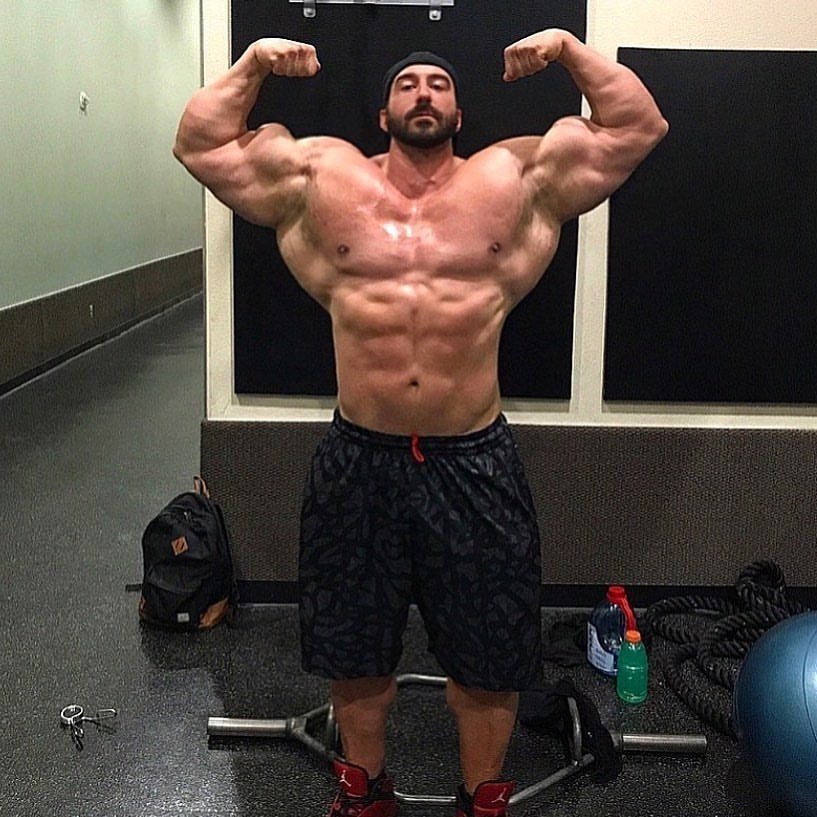
At 6’3″ and somewhere between 325 and 360 pounds, the man the internet calls “Goliath” became one of the most recognisable physiques on Earth without ever holding a pro card.
His story is not a contest story. It is the story of a skinny Ohio teenager who was homeless at 19, added around 200 pounds of muscle, and built a career out of being, quite simply, enormous.
Craig Golias Quick Facts
| Full Name | Craig Golias |
| Nickname | Goliath (also billed as “The Hulk”) |
| Born | February 7, 1983 — Ohio, USA (some profiles list 1984) |
| Age | 43 years old (in 2026) |
| Height | 6’3″ (190 cm) |
| Weight | Roughly 325–360 lb (147–163 kg), depending on the phase of the year |
| From | Ohio, USA — now based in Las Vegas, Nevada |
| Known For | One of the biggest mass monsters on social media; star of Generation Iron’s Bigorexia documentary |
| Contest Career | NPC amateur, 2007–2013 — never held an IFBB pro card |
| Profession | Online coach, fitness influencer, supplement athlete |
Early Life: Skinny in Ohio, Homeless at 19 🎸
Craig Golias was born on February 7, 1983, in Ohio. By his teens he was tall — already heading toward 6’3″ — but weighed only around 150 pounds.
He grew up admiring the giants in bodybuilding magazines and dreaming of looking like them. Before the gym took over, he even chased a very different dream: playing in a metal band.
Life, though, hit hard first. In a candid Generation Iron interview, Golias has told how a run of bad luck left him homeless at 19, living out of his car for more than three weeks.
His way out was pure grind. He took three jobs at once — working for Pepsi, bouncing at clubs, and performing as a male stripper on weekends — until he had saved enough for a home of his own.
That work ethic never left him. It simply moved into the gym, where from around 2003 he began the slowest, heaviest project in bodybuilding: adding roughly 200 pounds to his own body.
The Contest Years: An Honest NPC Record 🏆
Golias did step on stage — but his record needs honest framing, because the internet often inflates it. He was an NPC amateur, never an IFBB pro.
He won his class on his competitive rise, taking 1st at the 2007 NPC Junior California and 2nd at the Muscle Beach contest the same year, then 2nd at the 2010 NPC Los Angeles Championships.
At national level, the picture was tougher: 16th at the NPC USA Championships in both 2009 and 2010. The judges’ feedback swung from “needs more size” to “needs better conditioning” — and Golias refused to diet away the size he loved.
His final show came at the 2013 LA Championships, where he faced future Classic Physique Olympia champion Breon Ansley in the super-heavyweight overall battle. After that, he walked away for good.
“I kind of lost interest in the competing thing a long time ago,” he later told interviewers. Unlike pro mass monsters such as Akim Williams, Golias decided the stage was never going to reward the look he actually wanted.
The Rise of Goliath on Social Media 📱
Retirement from the stage turned out to be the best career move he ever made. On Instagram (@craiggolias), his cartoonish proportions stopped thumbs like almost nothing else in fitness.
He passed one million followers on the platform — a bigger audience than most Mr. Olympia champions — built almost entirely on gym photos, guest appearances and sheer visual shock.
Golias even helped change how bodybuilders take photos. His habit of leaning and angling toward the camera to look even larger is widely credited with starting the “out-angling” trend that influencers still copy today.
In 2020 he became a central figure in Generation Iron’s documentary Bigorexia, which explored muscle dysmorphia — the feeling of never being big enough. Golias discussed his own drive to grow with unusual honesty.
Like Martyn Ford, he proved that in the social media era, a physique can become world-famous far beyond the reach of contest placings.
Training Style: Six Days of Heavy 💥
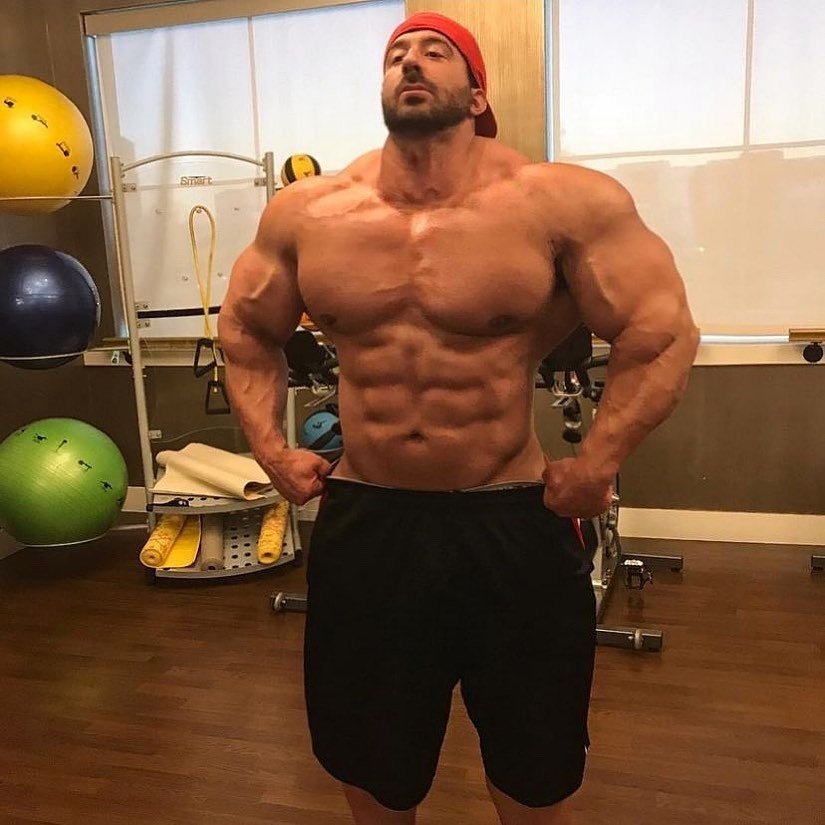
Golias trains six days a week, splitting the body into daily targets — chest, arms, back, calves, shoulders and quads across the week, with Sunday kept for rest and recovery.
The philosophy is old-school mass building: heavy compound work, high volume, and progressive overload, repeated for more than two decades without long breaks.
Cardio is the exception, not the rule. He generally avoids it, adding up to an hour of steady-state work a day only during the rare periods when he deliberately trims down.
His arms measure around 23 inches and his chest near 58 — strongman numbers, not classic-stage numbers.
Diet and the Real Cost of Staying Huge 🍗
Feeding a 340-pound physique is a job in itself. By his own descriptions, a large share of Golias’s calories has come from weight-gainer shakes, backed by beef, turkey, white rice, egg whites and vegetables.
Dieting is something he rarely does — and for a revealing reason. When he cuts calories, he has said he can drop around 45 pounds, losing muscle along with fat no matter how high he pushes his protein.
Honesty matters here, and Golias himself supplies it. He has never claimed to be a natural athlete, and he has spoken openly in interviews and in Bigorexia about the mindset and health questions that come with carrying this much weight.
Doctors and commentators regularly raise the long-term risks of extreme mass — heart strain, blood pressure and sleep apnoea among them. Golias has acknowledged the debate and chosen his lifestyle with his eyes open.
For perspective, only a handful of men on Earth live year-round above 300 lean pounds; two-time Mr. Olympia Big Ramy is the famous stage example, and Golias outweighs even him at his heaviest.
Business and Brand: Coaching, Clothing, Supplements 💼
Size became a business. Around his final show in 2013, Golias launched a supplement company with investor backing, which he ran for a couple of years.
He later became a sponsored athlete with Enhanced Labs, the supplement company associated with Tony “Dr. Huge” Huge, and has appeared in content alongside its team.
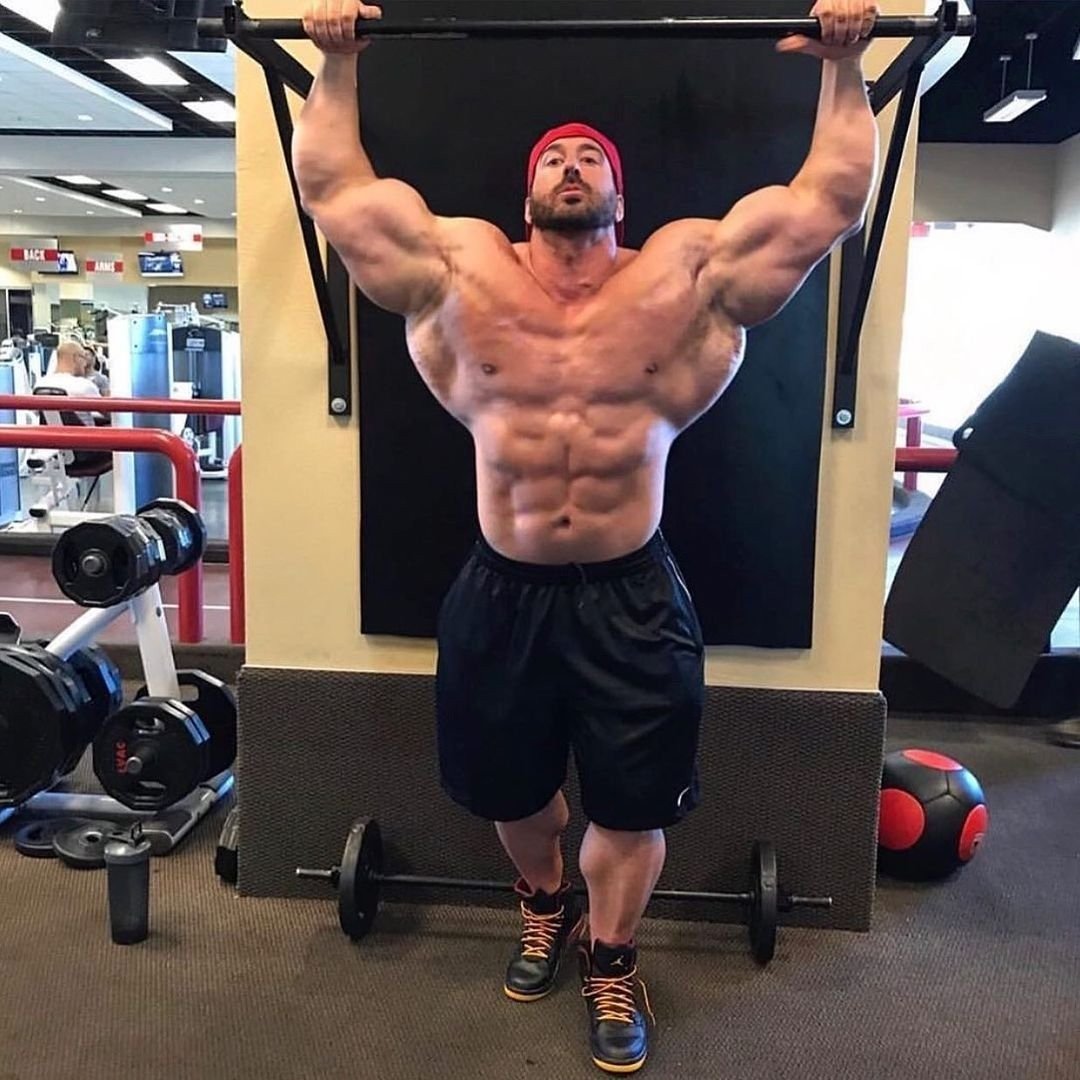
His steadiest income is online coaching — building muscle-gain and fat-loss programmes for clients around the world — alongside clothing lines sold under the Goliath name.
Podcasts keep him in the conversation too: he has broken down his 150-to-360-pound transformation on Mark Bell’s Power Project, and in 2025 he sat down with Jay Cutler’s Cutler Cast, which billed him as the “world’s largest bodybuilder.”
Craig Golias in 2026 🔮
Now 43, Golias remains based in Las Vegas — the city that has become a magnet for elite bodybuilders — and he is still training at full, headline-grabbing size.
He has also been candid that nerve damage around his shoulder and arm slowed his push for even more size in recent years, and that health plays a bigger part in his decisions than it once did.
There is no comeback on the horizon. He has repeated for years that competitive bodybuilding is behind him, and nothing in 2025 or 2026 has changed that stance.
His content rhythm is the same as ever: gym footage, coaching promotion and appearances — less about chasing new titles, more about maintaining the most famous frame in fitness.
And despite the internet’s habit of inventing health scares for men his size, there has been no verified health news about Golias in 2025–2026. He is, by all credible accounts, still simply Goliath.
Frequently Asked Questions ❓
How old is Craig Golias?
Craig Golias was born on February 7, 1983, which makes him 43 years old in 2026. A few older profiles list 1984 instead, but Generation Iron’s athlete profile and most current bios use 1983.
How tall and heavy is Craig Golias?
He stands 6’3″ (190 cm). His weight moves with the season — roughly 325 to 360 pounds (147–163 kg), most often listed around 340 pounds.
Was Craig Golias ever an IFBB pro?
No. He competed as an NPC amateur from 2007 to 2013, winning regional shows but placing 16th at the NPC USA Championships. He retired in 2013 without earning a pro card — by his own choice, having lost interest in contest dieting.
Why is Craig Golias called Goliath?
The nickname comes from his biblical-scale size — a 6’3″ frame carrying well over 300 pounds of muscle. Media outlets have also billed him as “The Hulk” and the “world’s largest bodybuilder.”
What is bigorexia, and what is his link to it?
Bigorexia (muscle dysmorphia) is a condition where a person never feels muscular enough. Golias was a central subject of Generation Iron’s 2020 documentary Bigorexia and has spoken openly about his own drive to keep growing.
What does Craig Golias do for a living now?
He works as an online coach, runs clothing lines, and has been a sponsored athlete with Enhanced Labs. He previously ran his own supplement company, launched around 2013.
The Bottom Line ✅
Craig Golias never won a pro card, never stood on the Olympia stage — and never needed to. He built one of bodybuilding’s biggest audiences by pursuing size further than almost anyone in history.
From a homeless 19-year-old sleeping in his car to a 340-pound Las Vegas icon with a million followers, his career is proof that in the social media era, there is more than one way to become a bodybuilding legend. 🏆