

🍊 Foods That Support Your Immune System — Honestly
No single food can strengthen your immune system on its own, and no meal promises to keep you from getting ill. 🛡️
What food can do is supply the nutrients your immune system needs to work normally, as part of a varied diet. Several vitamins and minerals — including vitamins A, C and D, plus zinc and selenium — are recognised as contributing to the normal function of the immune system.
That is the honest frame for this list. Each food below is rich in one or more of those nutrients, and each one earns its place for its overall nutrition — not for any promised outcome. 🌿
What “Organic” Does — and Does Not — Mean Here
Organic is a farming and labelling standard, not a guarantee about a single item’s nutrition. In broad terms, organic farming avoids synthetic pesticides and fertilisers, and organic produce tends to carry fewer synthetic pesticide residues on average.
That does not mean organic food is pesticide-free, and studies have not settled that organic food is more nutritious overall. Some reviews find modest differences, such as somewhat higher antioxidant levels in some organic crops, while others find little difference in major nutrients.
The foods below are worth eating whether you buy them organic or conventional. If you choose organic, you are mainly choosing a farming method — the nutrition still comes from the food itself. For the fuller picture, see Top 5 Benefits of Organic Foods and What Organic Food Really Means: Labels, Shopping, Cost and the Evidence.
1. Citrus Fruits 🍊
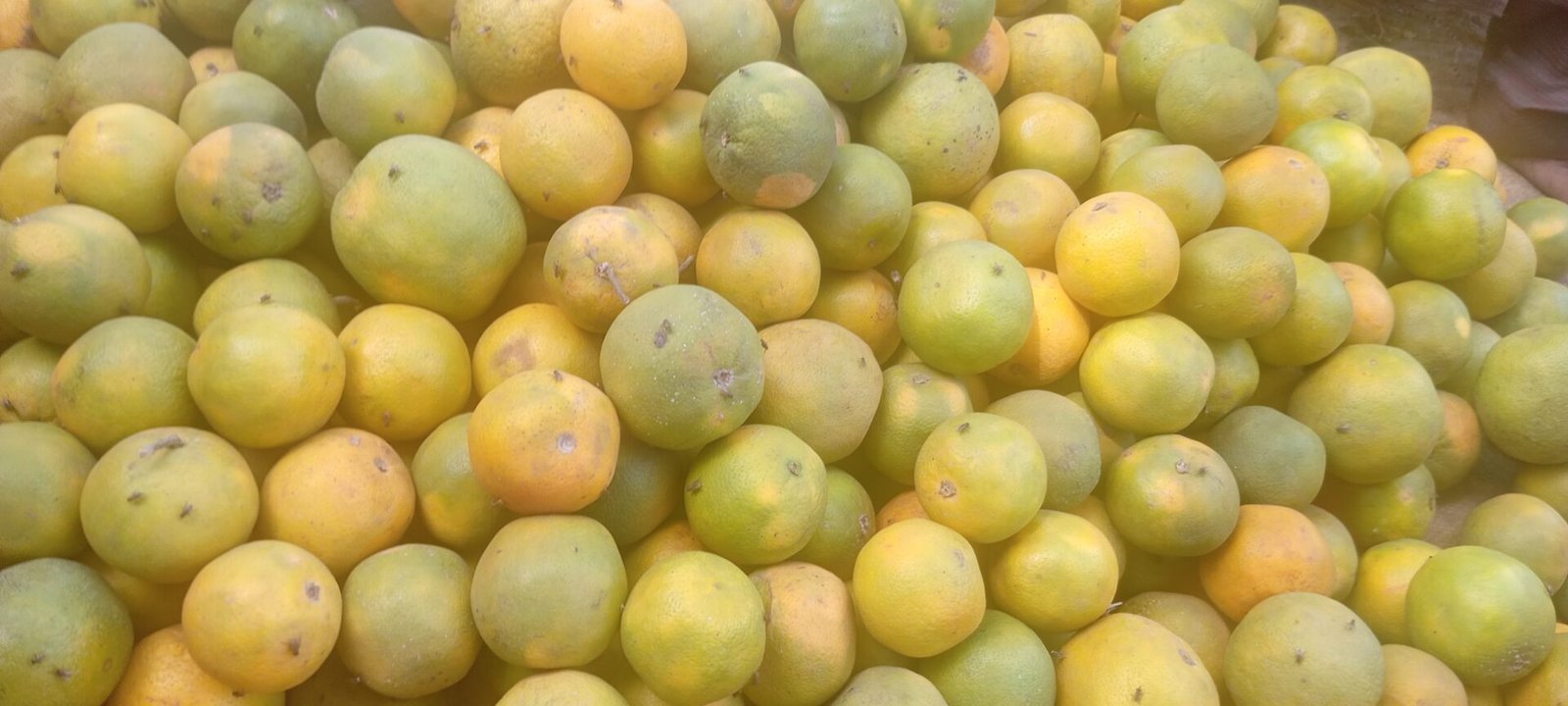
Citrus fruits — oranges, grapefruit, lemons and limes — are among the best-known food sources of vitamin C. Vitamin C contributes to the normal function of the immune system, and it also helps the body absorb iron from plant foods.
A whole orange gives you fibre and hydration along with the vitamin C, which is one reason whole fruit beats juice for everyday eating. Kiwis and bell peppers are other strong vitamin C sources if citrus is not your favourite. 🥝
2. Salmon 🐟

Oily fish such as salmon are a useful source of vitamin D, which contributes to the normal function of the immune system, as well as omega-3 fats and good-quality protein.
Vitamin D is hard to get from food alone in winter months, when sunlight is limited, so oily fish, eggs and fortified foods all help cover the gap. Grilled, baked or pan-seared salmon with vegetables makes an easy, balanced meal. 🍽️
3. Eggs 🥚
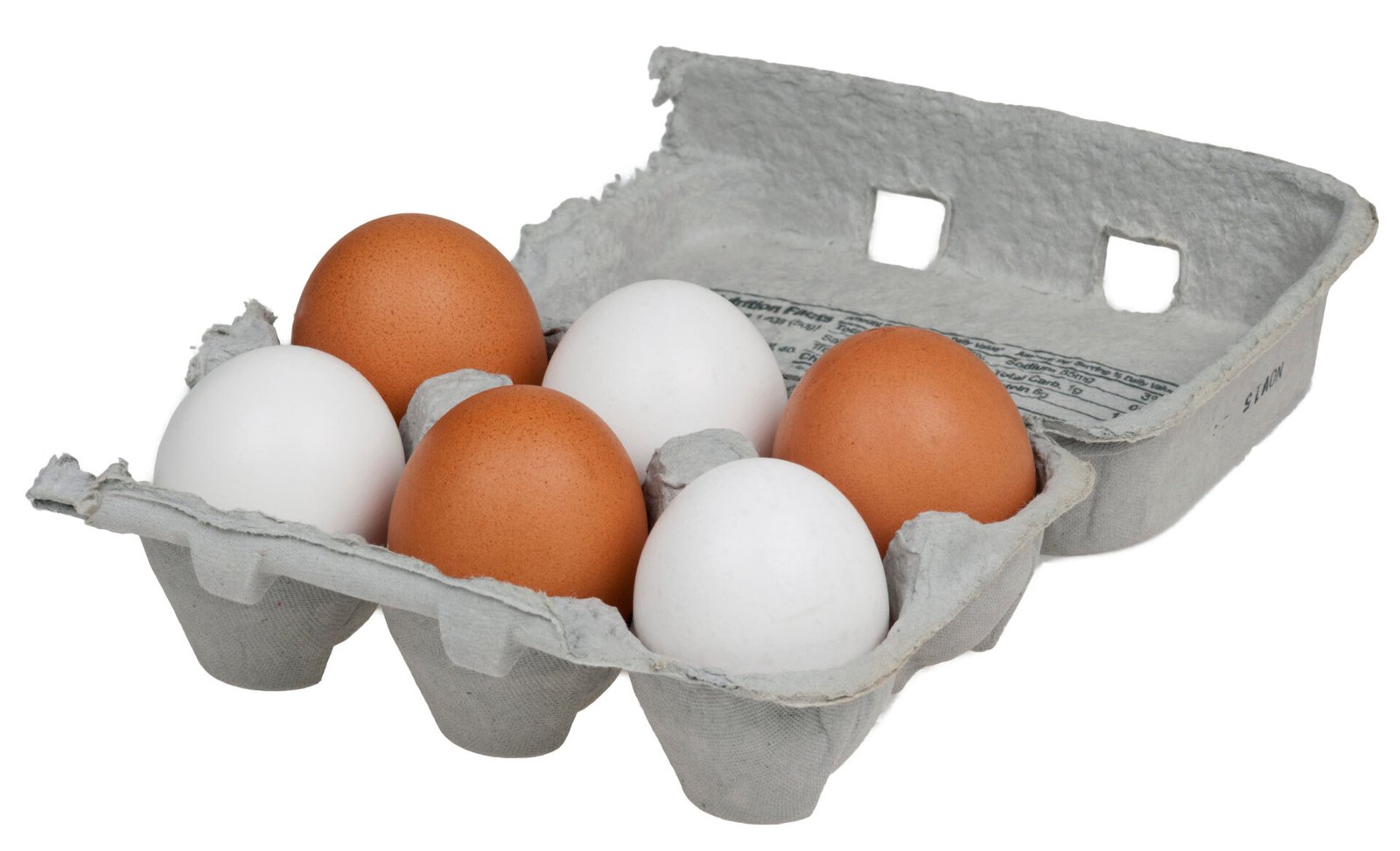
Eggs pack a lot of nutrition into a small package: protein, vitamin D, vitamin B12, selenium and vitamin A. Vitamin A and selenium both contribute to the normal function of the immune system.
They are also flexible — boiled for breakfast, scrambled with vegetables, or baked into a frittata. One or two eggs as part of a varied meal is a simple way to add several of these nutrients at once. 🍳
4. Sweet Potatoes 🍠
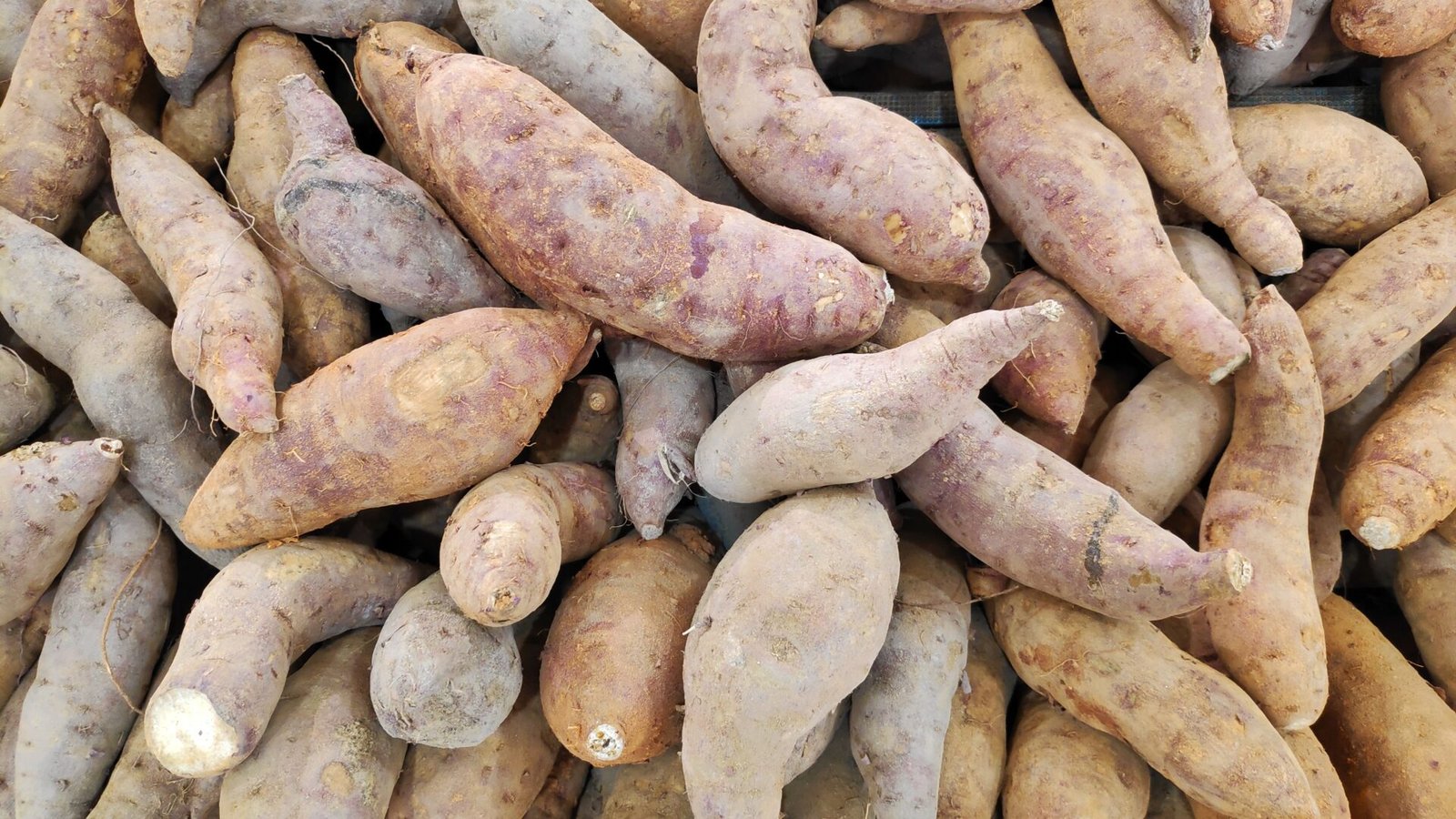
Sweet potatoes are very rich in beta-carotene, which the body converts into vitamin A. Vitamin A contributes to the normal function of the immune system and to keeping skin and mucous membranes healthy.
They also bring fibre, potassium and slow-release energy, and they work roasted, mashed or cubed into soups and curries. Their natural sweetness makes them an easy swap for white potatoes a few times a week. 🧡
5. Nuts 🌰
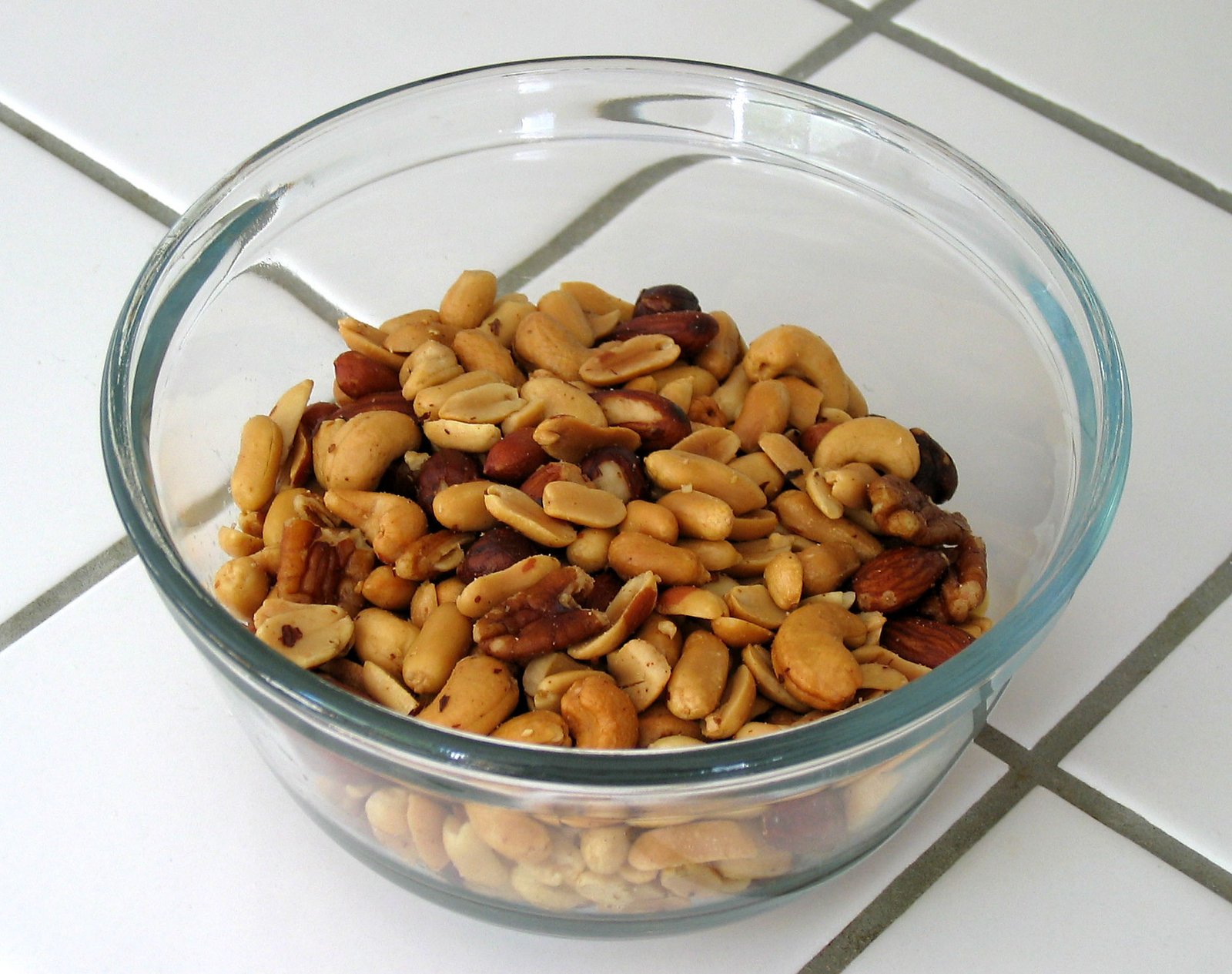
Nuts are a concentrated source of healthy fats, fibre and minerals. Almonds are rich in vitamin E, cashews provide heart-friendly monounsaturated fats and minerals, and Brazil nuts are notably rich in selenium.
A small handful makes a filling snack, and chopped nuts add crunch to salads, yoghurt and oatmeal. Because nuts are energy-dense, a small portion goes a long way — and anyone with a nut allergy should skip this entry entirely. ⚠️
🙋 Frequently Asked Questions
Can these foods stop me catching a cold?
No food can promise that. Eating a varied diet rich in these nutrients supports normal immune function, but sleep, activity, stress and overall diet all play a part too — and no single food works in isolation.
Do I need to buy everything organic?
No. The nutrients in these foods are the same whether the produce is organic or conventional. Choosing organic mainly changes how the food was farmed and, on average, its synthetic pesticide residue levels — it does not turn an ordinary food into a different one.
Should I take a supplement instead?
Most people can get these nutrients from food as part of a varied diet, and this article does not recommend any supplement. If you think you may be low in a nutrient, speak to a qualified health professional rather than guessing.
The Takeaway ✅
Citrus fruits, salmon, eggs, sweet potatoes and nuts each bring nutrients that contribute to normal immune function — vitamin C, vitamin D, vitamin A, zinc and selenium among them.
Eat them as part of a varied, balanced diet, choose organic when it matters to you and fits your budget, and treat any claim that a food alone will protect you from illness with healthy scepticism. 🥗
This article is general information only and is not medical advice. If you have a health condition or dietary concern, speak to a qualified health professional.