

Organic foods keep growing in popularity, and it is easy to see why. 🥬
Many shoppers choose them for fresher produce, gentler farming, or simply to support smaller growers.
But not every claim about organic food holds up the same way. This list keeps the five strongest, most honest benefits — and says plainly where the evidence is mixed.
For a broader explainer, including how organic certification works, see our guide to the Health Benefits of Organic Food.
1. Fewer Synthetic Pesticide Residues 🧪
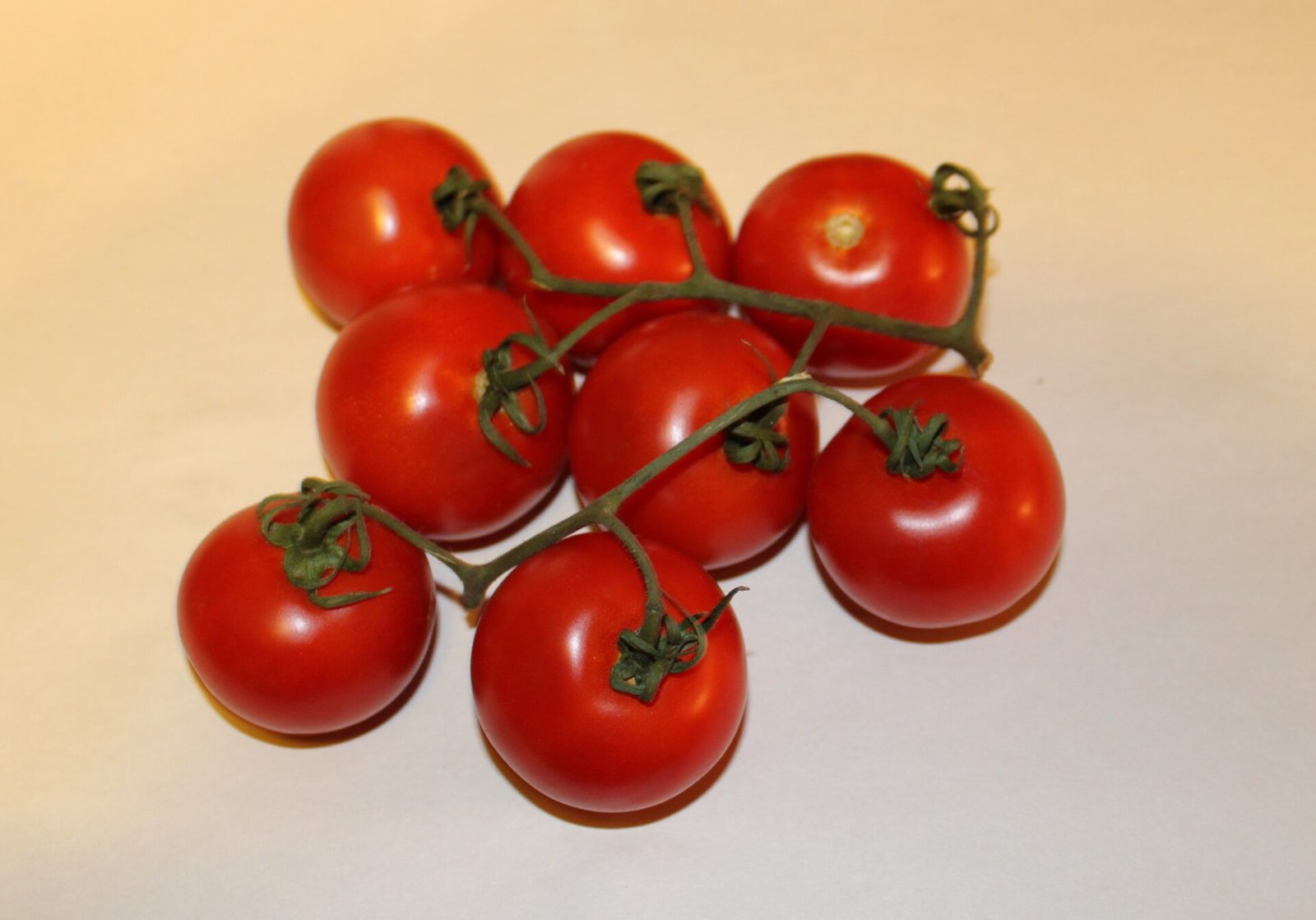
Organic rules restrict synthetic pesticides, so organic produce tends to carry lower residues of them on average.
That does not mean organic means pesticide-free. Organic growers can still use approved natural pest controls.
It also does not mean conventional produce is unsafe — residues on conventional food are regulated within set safety limits.
Whatever you buy, washing fruit and vegetables under running water is still a smart habit. 🧼
2. Nutrient-Rich Whole Foods — With an Honest Caveat 🥗
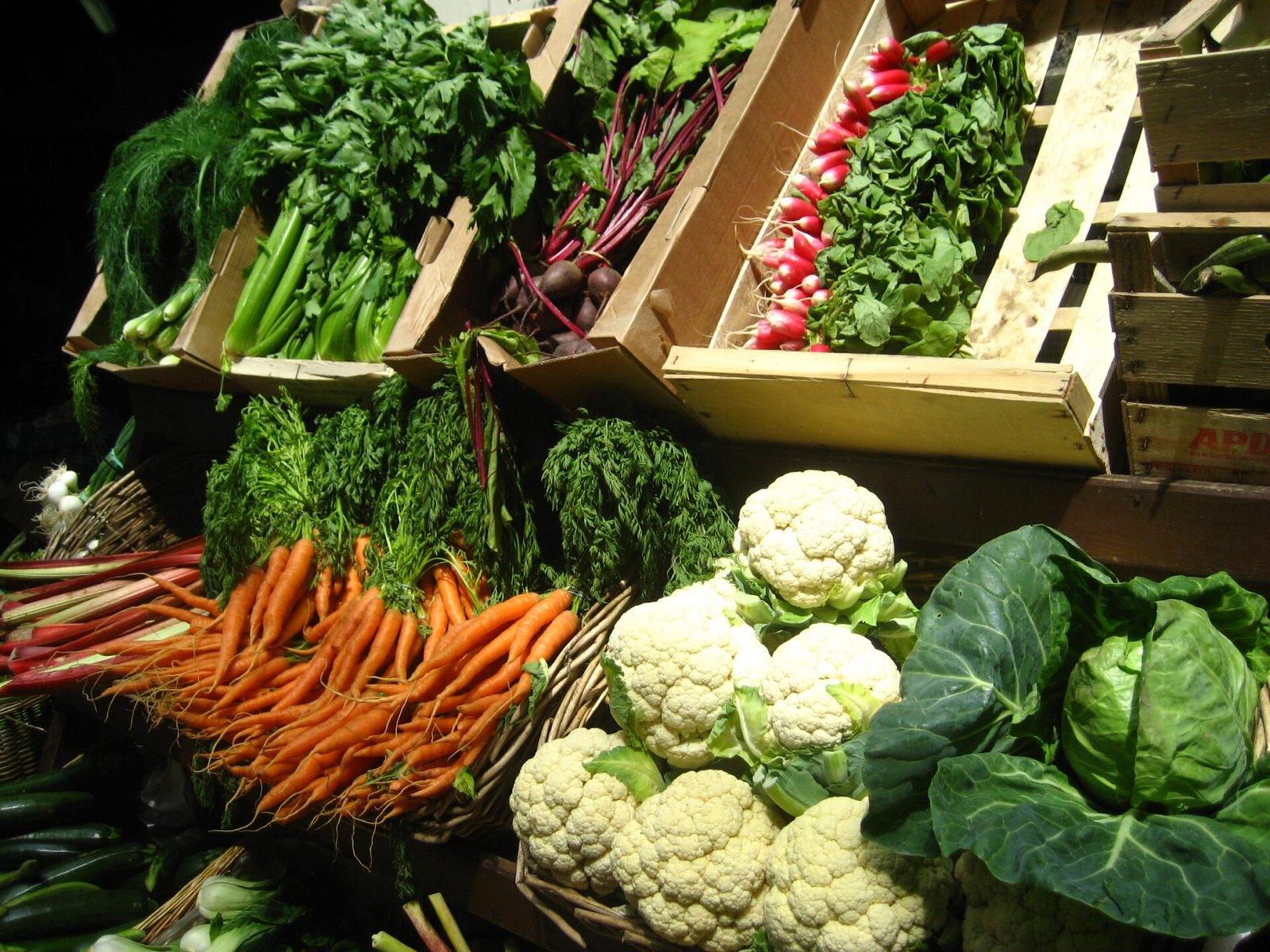
A basket full of colourful vegetables is nutrient-rich by nature, organic or not.
Some studies have found slightly higher antioxidant levels in certain organic crops, but the overall evidence on nutrient differences is mixed.
So the honest version is this: organic is not an automatic nutrition upgrade. Eating a wide variety of vegetables matters far more than the label alone.
Pairing that variety with balanced meals is the real win — see our ideas for breakfast foods for weight loss for a practical starting point.
3. A Lighter Touch on Soil and Nature 🌍

Organic farming puts soil health first, using compost, crop rotation and natural fertilisers instead of synthetic ones.
That approach can support soil life and biodiversity, and it keeps fewer synthetic chemicals washing into the surrounding environment.
The picture is not one-sided, though. Organic yields are often lower, which means more land can be needed for the same harvest.
Still, as a farming style, it leans gentler on the ground it grows in. 🌱
4. Often Fresher and More Flavourful 🍅
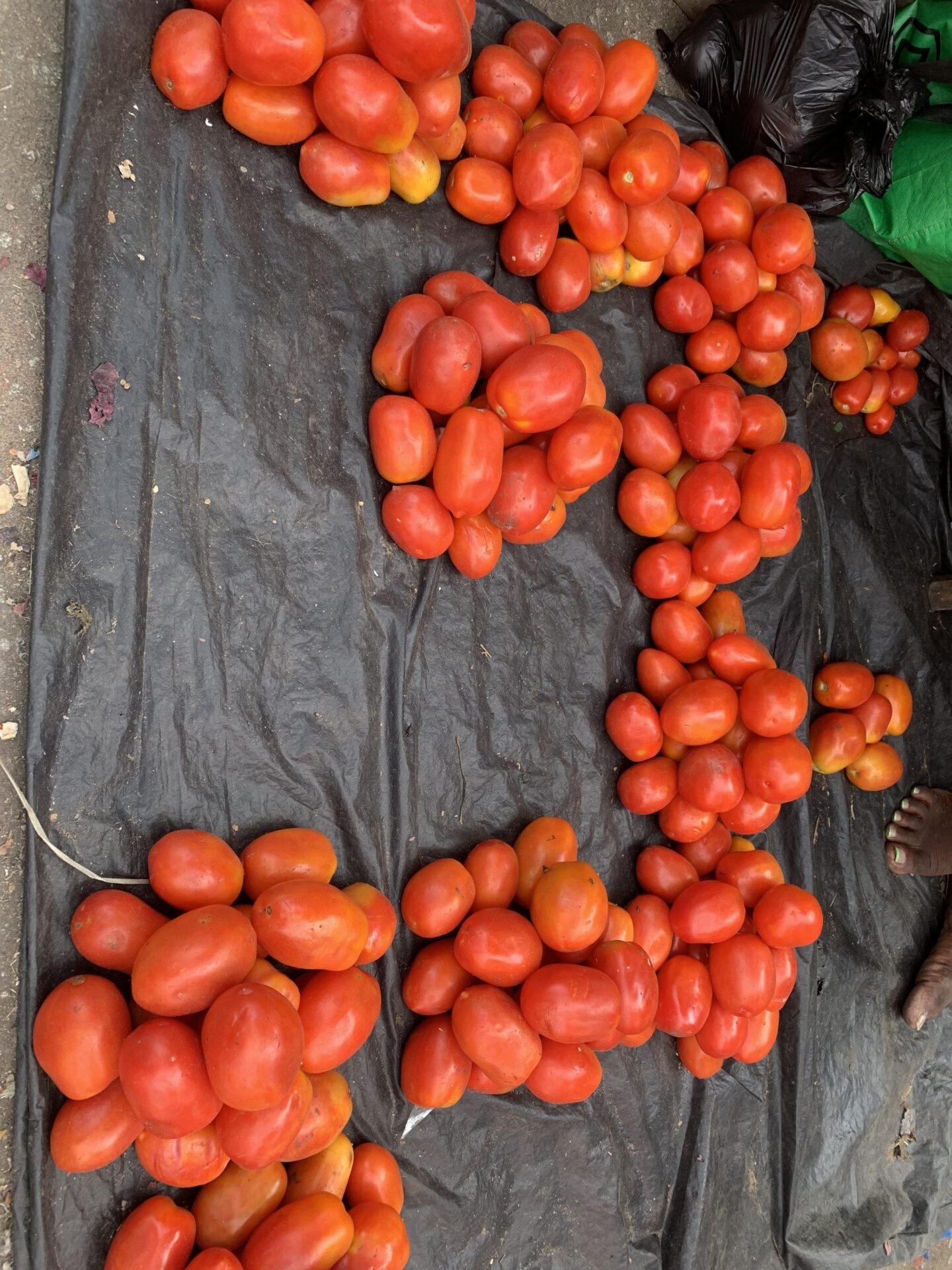
Many people say organic produce tastes better — and freshness is often the real reason why.
Produce picked ripe, sold locally and eaten soon after harvest tends to taste its best, whatever the farming method.
Taste is personal, though, and no label can guarantee flavour. Variety, ripeness and freshness matter most.
Buying in season is one of the easiest ways to get that fresh-picked taste. ☀️
5. A Boost for Local Markets and Small Producers 🧑🌾
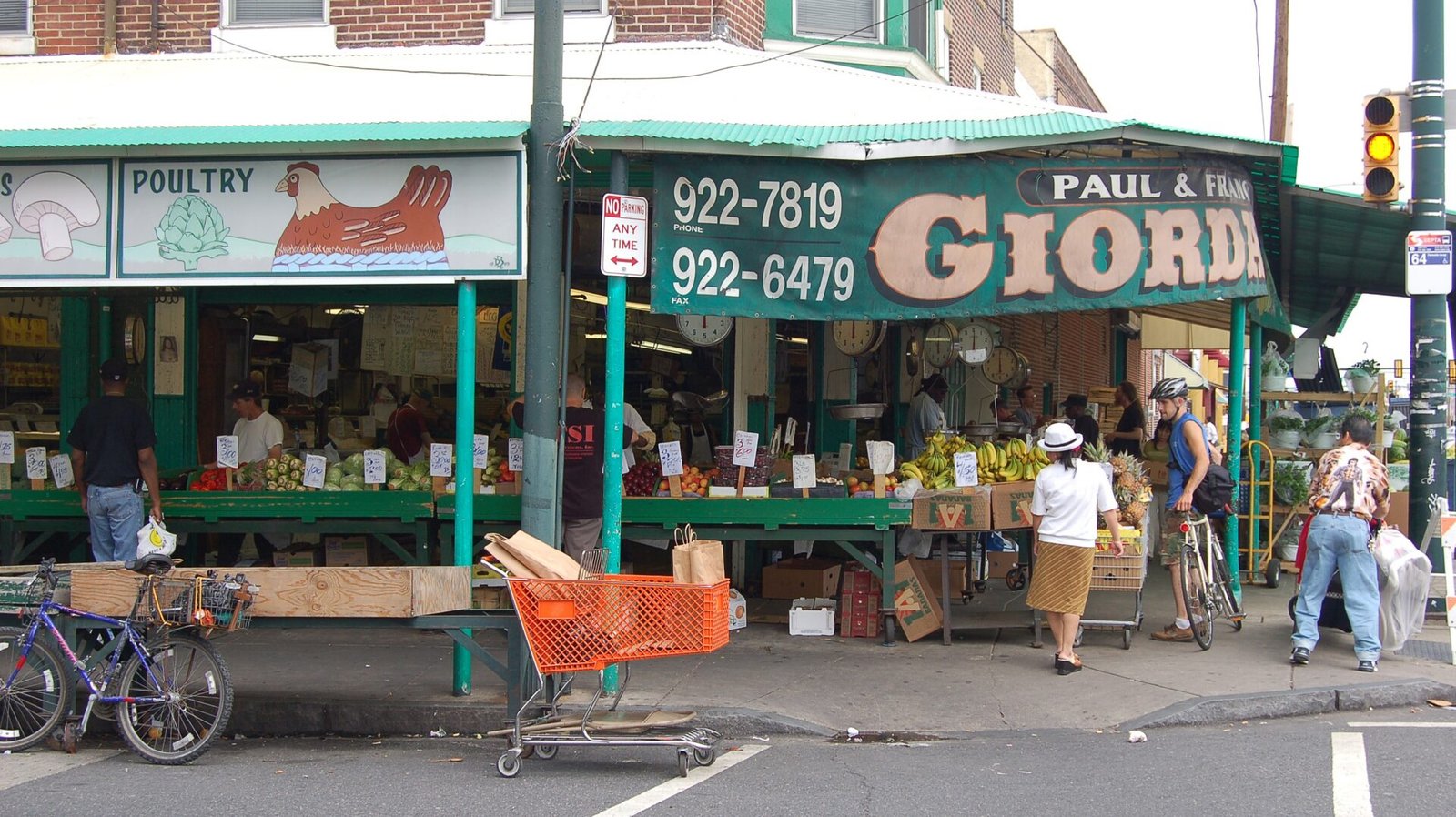
Organic food is often sold through farmers markets, farm shops and veg-box schemes.
Shopping that way can put more of your money towards smaller producers and your local food economy.
One caveat: organic does not always mean local. Plenty of organic produce travels long distances to reach supermarket shelves.
If supporting local growers is your goal, check the origin on the label or buy direct from a nearby market. 🛍️
How to Shop Smart 🛒
Buy a colourful mix rather than chasing a single “superfood” label.
Wash all fresh produce well, organic or conventional.
Choose seasonal produce when you can — it is usually fresher and better value.
And if the budget is tight, spend the organic premium on the foods you eat most, not on everything at once.
Quick Answers ❓
Is organic food pesticide-free? No. It avoids most synthetic pesticides, but approved natural ones are still used.
Is organic food always healthier? Not proven. Nutrient differences are small and mixed — overall diet quality matters more.
Is organic food always local? No. Check where it was grown if local sourcing matters to you.
Organic food offers real, modest benefits: fewer synthetic residues, gentler farming, fresh seasonal flavour and a chance to back smaller producers.
Enjoyed as part of a varied, balanced diet, it is a sensible choice — just not a miracle one. 🌿
This article is general information only and is not medical advice. For personal dietary needs, speak to a qualified clinician or dietitian.