

⚠️ General information only — please read this first. This article does not give medical advice, and it does not recommend using kratom or stopping any treatment. Kratom is not an approved medicine for any condition. If you have a health problem, or you take prescribed medicine, talk to a qualified clinician or pharmacist instead of acting on anything you read here. Never stop prescribed medicine because of an article.
🌿 What kratom is
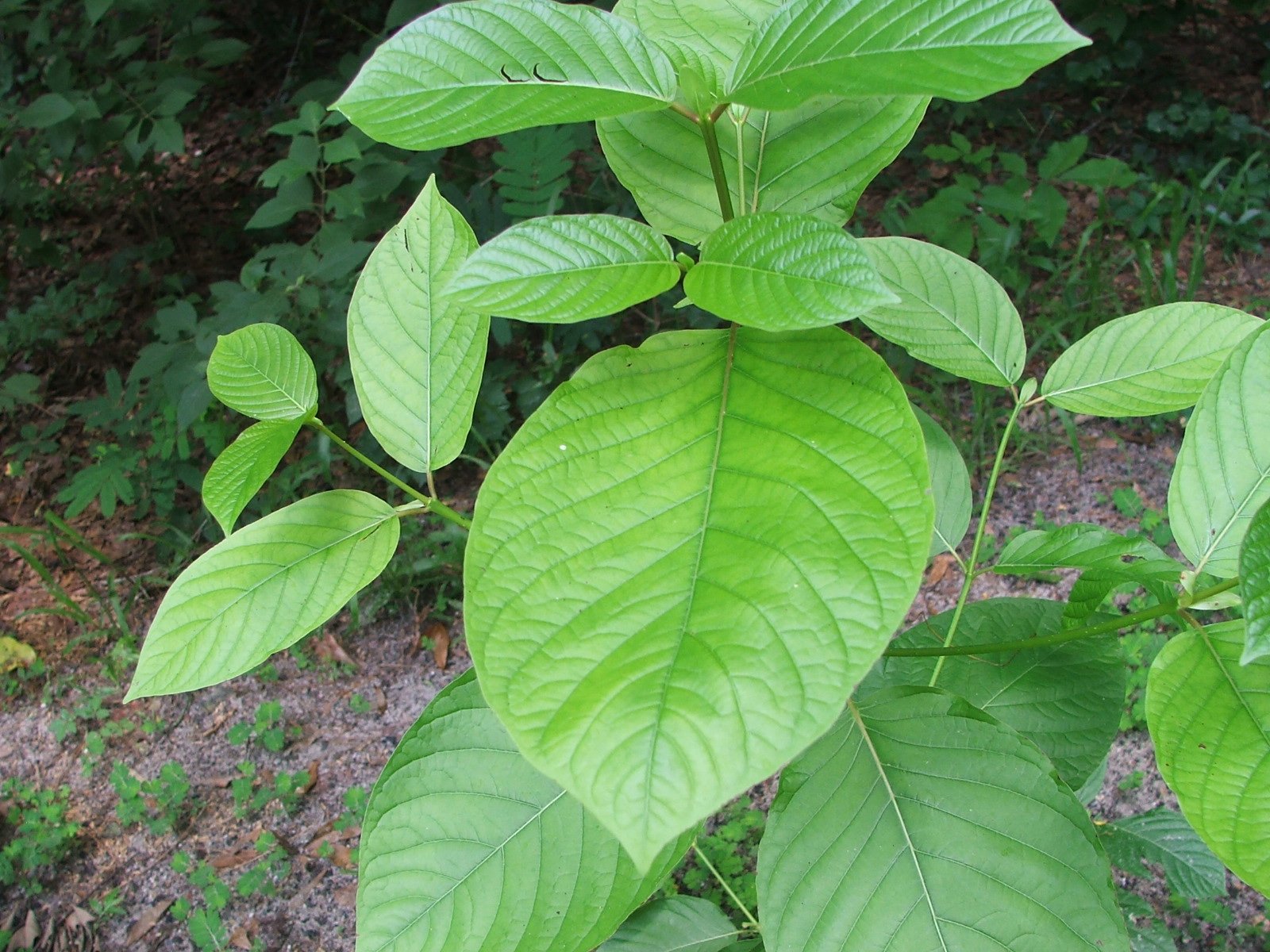
Kratom is the common name for the leaves of a Southeast Asian tree, Mitragyna speciosa, and for products made from those leaves.
The tree grows in warm, humid parts of Southeast Asia. Its leaves contain many plant compounds, and research has focused mainly on two of them: mitragynine and 7-hydroxymitragynine (7-OH).
These compounds act on some of the same brain receptors as opioid drugs. That is why reports about kratom describe both stimulant-like and opioid-like effects, and why health agencies treat it as a psychoactive substance rather than an ordinary herbal tea.
People report using kratom for pain, low energy, low mood and drug withdrawal. Those are reports from users, not proof that it works safely for any of those purposes. Human research is limited, and no kratom product has been shown to be safe and effective as a medicine.
⚠️ Reported risks — the part to weigh most carefully
The US Food and Drug Administration (FDA) warns consumers not to use kratom, citing the risk of serious adverse events including liver toxicity, seizures and substance use disorder. The National Institute on Drug Abuse (NIDA) likewise reports rare but serious effects, including psychiatric, heart, stomach and breathing problems.
More commonly reported effects include nausea, constipation, dizziness and drowsiness. Case reports also describe confusion, tremors, seizures, high blood pressure, slow breathing and liver problems.
Regular use can lead to dependence. When regular use stops, people may experience withdrawal-type symptoms such as restlessness, muscle aches, irritability, poor sleep, sweating and stomach upset. Research is still working out how often use develops into a substance use disorder, so confident percentages should be treated with caution.
Combining kratom with other substances adds risk. Deaths linked to kratom products have nearly always involved other drugs or contaminants, according to NIDA, and combining it with opioids, sedatives or alcohol can increase breathing problems. Because kratom can cause drowsiness and sedation, driving or operating machinery after use is unsafe.
Product quality is a separate problem. Kratom products are not regulated like approved medicines, so strength and contents can vary between batches. The FDA has warned about some products contaminated with Salmonella or concerning levels of heavy metals. A “natural” label does not mean a product is tested, standardised or safe.
There are also reports of withdrawal-type symptoms in newborns after prolonged exposure before birth. Anyone who is pregnant, or planning pregnancy, should discuss any substance use with a clinician rather than relying on general articles.
⚖️ Legal status varies — check your own jurisdiction
Kratom’s legal status is not the same everywhere, and it has been changing. In the United States, kratom leaf itself is not federally scheduled as a controlled substance, and the Drug Enforcement Administration lists it as a drug of concern — but several states restrict or ban it, and some cities and counties have their own rules.
Concentrated 7-OH products have faced separate federal scheduling moves during 2026, and the position is still moving. Other countries have taken different approaches, with bans or restrictions in some places and looser rules in others.
This article is not legal advice, and it gives no state-by-state list, because published lists disagree with each other and rules change. Before assuming anything about buying, carrying or travelling with kratom, check the current official rules for your own state or country.
🥗 Everyday health habits that do not depend on a product
Most of what supports everyday health is unglamorous, and none of it needs a psychoactive product. Regular movement, enough sleep, balanced meals and time outdoors help many people feel steadier day to day.
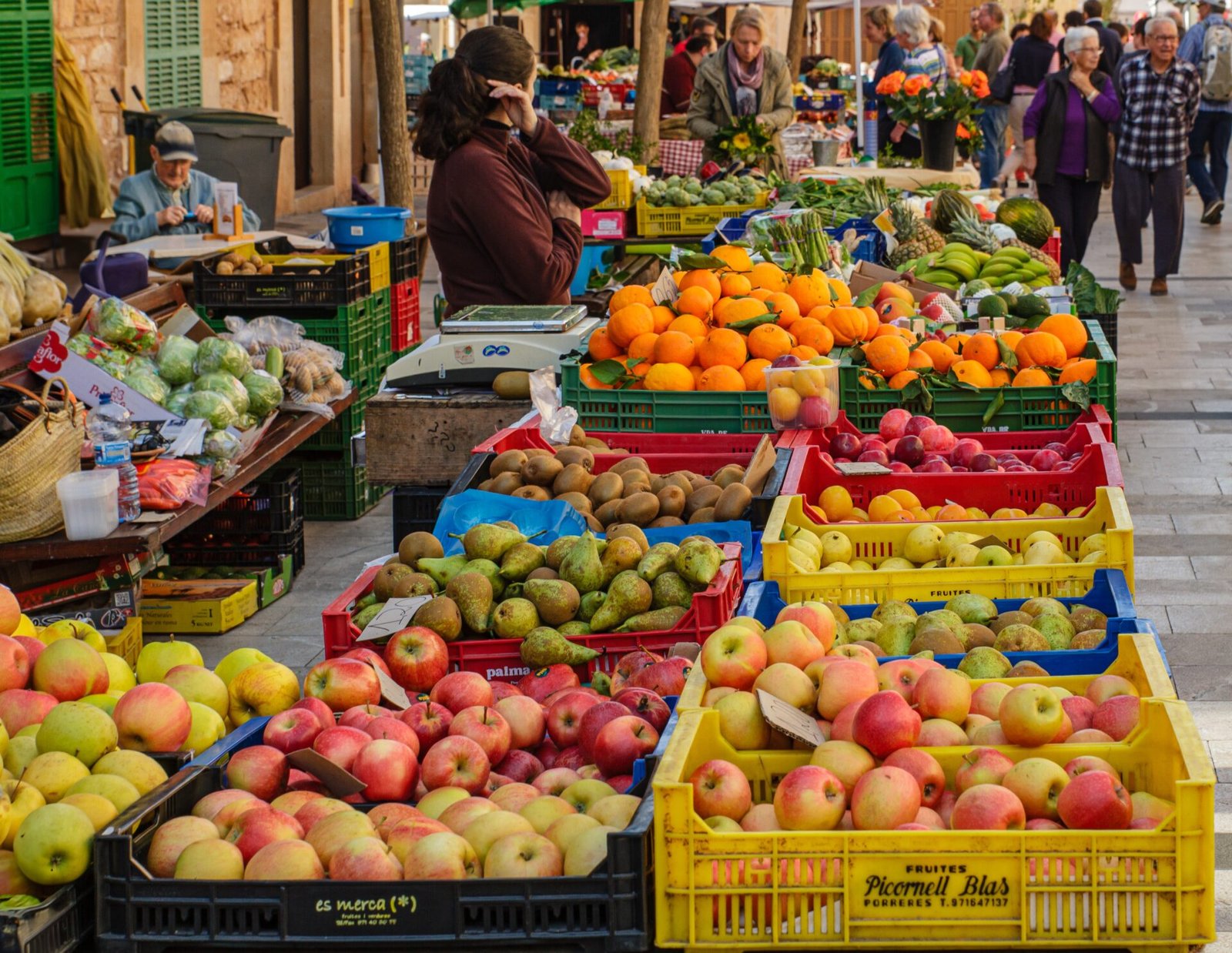
A short daily walk is a good starting point if you are inactive. Fresh fruit and vegetables, water through the day and regular mealtimes are simple habits that are easier to keep than a dramatic overhaul.
For low mood, anxiety or ongoing pain, the safer route is professional support: a doctor, a mental-health professional or a pharmacist who knows your medicines. Support services and approved treatments exist for these problems, and they can be discussed without any product purchase.
If you already use kratom and want to stop, or you feel you cannot cut down, talk to a clinician rather than stopping suddenly on your own. They can discuss support options and check for interactions with any medicines you take. Our general health tips and fitness hacks to stay fit and strong cover everyday habits in more detail, and our protein powders guide explains how supplement claims should be checked before buying.

❓ Common questions
Is kratom approved as a medicine? No. There are no FDA-approved kratom drug products, and the FDA says kratom is not lawfully marketed in the US as a drug product, a dietary supplement or a food additive.
Is it safe because it is natural? No. Many natural substances can harm, and kratom carries documented risks of dependence, liver injury, seizures and contamination. “Natural” says nothing about testing or safety.
Can it treat mental illness or other diseases? There is no good evidence that it safely treats any disease, and this article makes no such claim. Mental-health conditions deserve proper assessment and approved care, not a product claim.
Should I ask a seller what amount to take? No. Sellers are not a substitute for a clinician, and this article gives no amounts. Anyone considering any substance should speak to a qualified health professional first — and note that the FDA’s advice is not to use kratom at all.
⚠️ Closing note — general information only. This article explains what kratom is and what the risks are. It is not medical advice, not legal advice, and not a recommendation for or against use. Do not stop prescribed medicine, and do not start or change any treatment, on the basis of this article. If you are worried about your health, speak to a qualified clinician.